2027 Best Online Spanish Programs for Professionals Seeking Localization Careers

Co-Founder and Chief Data Scientist
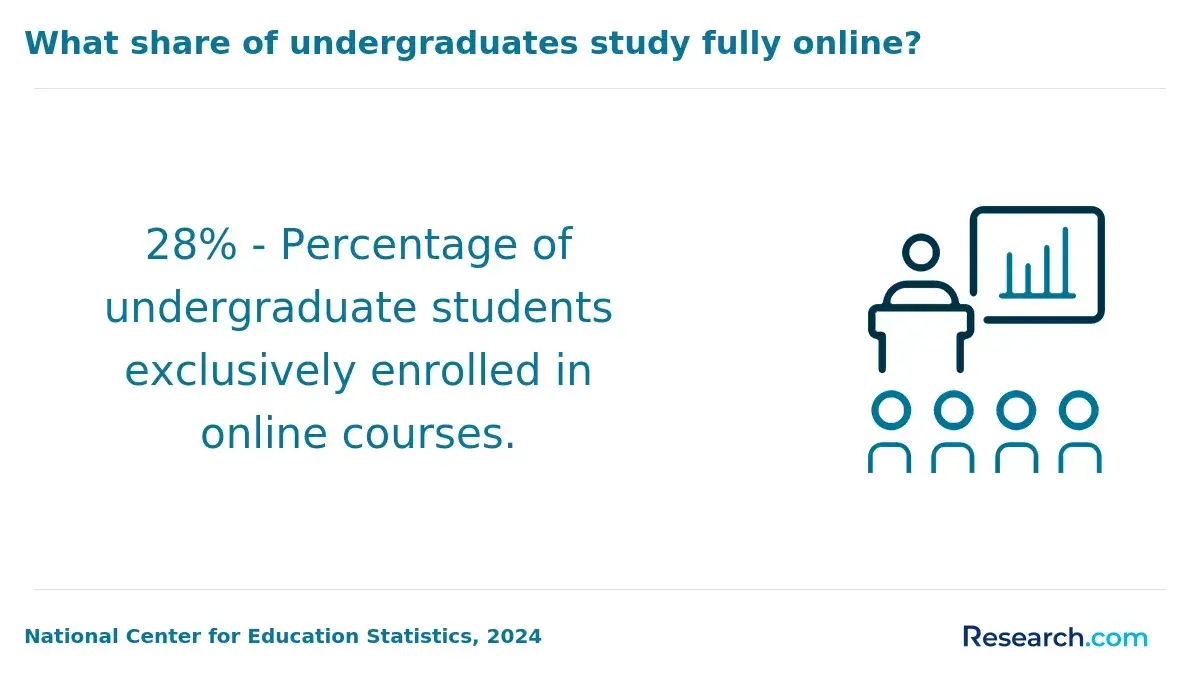
Professionals aiming to enter localization roles often face a catch-22: advancing Spanish skills rapidly without pausing full-time employment. This tension is intensified by employer demands for certifications reflecting both linguistic mastery and industry-specific competence. According to the National Center for Education Statistics, over 40% of online learners in higher education are adults balancing work and study, stretching traditional program timelines and increasing dropout risks. This reflects a growing shift toward flexible, modular online Spanish programs, yet not all deliver the practical expertise employers seek. This article evaluates current online Spanish programs designed for working professionals targeting localization careers, providing actionable guidance for choosing programs that align with real-world job market demands and personal constraints.
Key Things You Should Know
- Data from the U.S. Bureau of Labor Statistics shows a 12% growth in localization jobs requiring Spanish fluency by 2028, pressuring professionals to prioritize programs with targeted industry partnerships over general language mastery, which slows direct workforce entry.
- Employers favor candidates completing programs featuring domain-specific terminology and CAT tool proficiency; a 2024 Common Sense Advisory report finds 78% of firms reject generic translation degrees lacking technical localization training.
- Programs charging over $20,000 often promise expedited credentialing, but NCES data reveals that median job placement timing improves only marginally versus affordable $7,000-$10,000 alternatives, emphasizing cost-efficiency in career pivot planning.
What are the best online Spanish programs for professionals pursuing localization careers?
Programs addressing the best online Spanish programs for localization professionals must go beyond fluency to include mastery of CAT tools like SDL Trados and memoQ and understanding regional linguistic variations within digital content frameworks. A top online Spanish course for careers in localization needs to integrate applied projects simulating real corporate workflows, which remain a central hiring criterion for employers seeking candidates who can manage platform-specific terminology and compliance in Latin American markets.
Choosing between short-term certificates and comprehensive graduate programs involves assessing one's career timeline and goals. Intensive certificates offer rapid upskilling for immediate role shifts, while master's degrees provide broader strategic capabilities for leadership in localization. Access to professional networks and recognized certifications influences employability significantly and should factor into decisions.
The growing share of Spanish-speaking internet users highlights the necessity for programs that prepare specialists in context-aware localization rather than basic translation skills. This distinction aligns with employer priorities, emphasizing digital market nuances in localization roles. For veterans and others exploring educational pathways, thorough program comparison is essential; resources like the best online Spanish degree programs for veterans offer targeted insights for deliberate choices.
How do online Spanish localization programs differ from traditional on-campus options?
Online Spanish localization training offers distinct operational advantages over traditional on-campus programs, particularly in flexibility and direct applicability. Unlike fixed campus schedules, online options allow asynchronous coursework, critical for professionals balancing job and family commitments. This flexibility supports modular learning targeting essential skills such as CAT tool proficiency, glossary creation, and cultural adaptation techniques at a pace aligned with work demands, significantly improving real-world readiness.
Differences between virtual and in-person Spanish localization education extend beyond scheduling. Online programs commonly incorporate virtual simulations that replicate translation memory and localization management software workflows employers in technology, gaming, and e-commerce increasingly require. This hands-on software experience is often more relevant than the traditional emphasis on linguistics or literature characteristic of many campus courses. For those pursuing a career pivot, online training can provide practical competencies employers prioritize.
Geographic reach is another critical factor. Online learners gain access to native Spanish-speaking instructors and diverse dialect exposure independent of location, enhancing employability across national and international markets-contrasting on-campus programs that may focus narrowly on regional language variants. However, online students must address the challenge of network building absent spontaneous face-to-face interaction, a tradeoff requiring proactive engagement strategies.
Given the U.S. Bureau of Labor Statistics projects an 11% growth in remote Spanish-English interpretation jobs from 2022 to 2032, strong technical skills and adaptability offered by online localization programs align with evolving employer expectations. For those wondering what's the easiest bachelor's degree to get, understanding these practical distinctions is vital to making a strategic choice tailored to long-term career outcomes.
Which accreditation and institutional credentials matter for online Spanish programs in localization?
Programs lacking regional or institutional accreditation significantly diminish a graduate's prospects in Spanish localization careers. Employers prioritize candidates whose credentials come from bodies recognized by the Council for Higher Education Accreditation (CHEA) or equivalents acknowledged by the U.S. Department of Education, making institutional credentials essential for Spanish localization careers. Without these, degrees or certificates carry minimal hiring weight, especially when roles demand proficiency with industry-standard localization technologies and quality assurance protocols.
Certification from professional organizations, notably the American Translators Association (ATA), further differentiates applicants by validating specialized expertise such as medical or legal Spanish translation. This distinction greatly affects access to higher-paying projects, consistent with the 2024 ProZ data highlighting Spanish as the highest-paid language pair for translators in the U.S., with average earnings between $52,000 and $60,000 annually.
Students choosing online programs should assess whether the curriculum integrates technology training aligned with localization workflows and if pathways exist to ATA certification. Neglecting these accreditation layers can lock professionals out of freelance platforms like ProZ or competitive corporate contracts due to insufficient verification of skills.
Pragmatically, those seeking to pivot careers should prioritize accredited programs with clear industry affiliations, balancing cost, curriculum rigor, and recognized credentials - in contrast, unaccredited alternatives may impose long-term barriers despite initial appeal. For those also exploring a broader educational shift, options for online counseling degrees illustrate another avenue requiring similar scrutiny of institutional accreditation standards for online Spanish programs in localization.
What types of degrees and certificates support a career in Spanish localization?
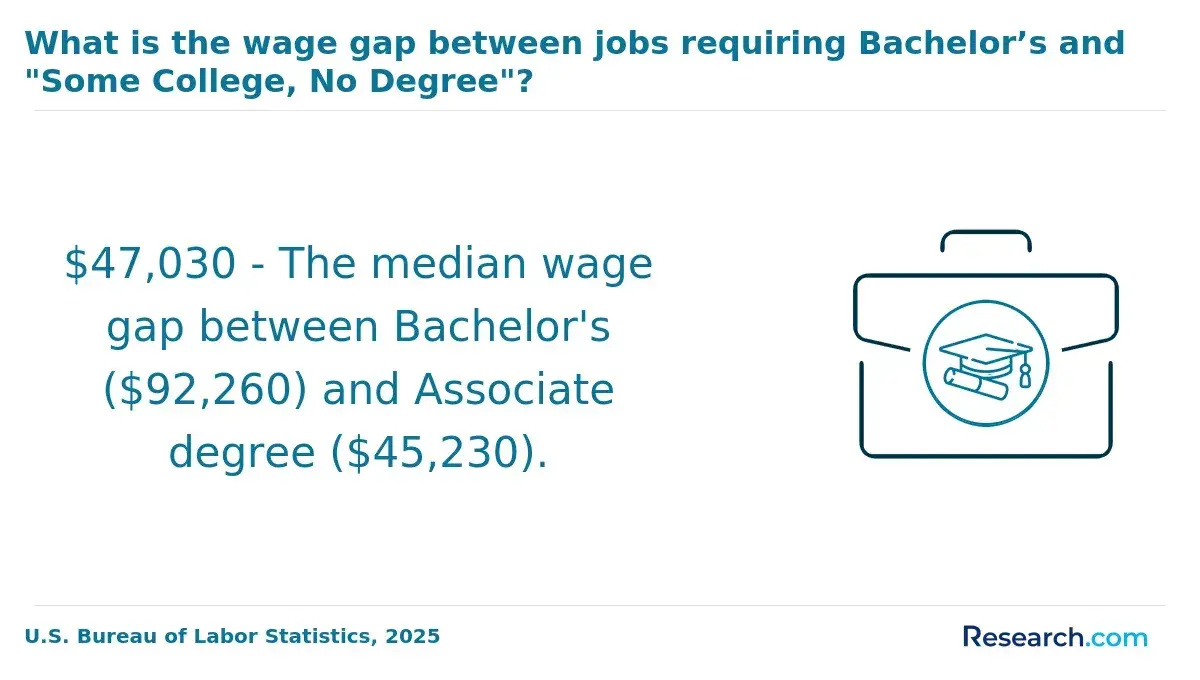
A bachelor's degree in Spanish, linguistics, or translation studies remains the standard entry point for Spanish localization careers but often falls short without hands-on experience or certification in localization tools and workflows. Employers in marketing and technology sectors increasingly prioritize candidates who complement academic credentials with practical skills like CAT tools, subtitling, and software localization, making certificates supporting professional Spanish localization essential for bridging this gap.
These targeted certificate programs-typically costing less than $1,000 annually-offer a faster, more affordable alternative to the roughly $11,260 average undergraduate tuition at public universities. They focus on applicable competencies such as quality assurance, regional idiomatic adjustments, and glossary management that align closely with real-world employer demands. For instance, linguists aiming to enter gaming localization must quickly master scripting for language switching and compatibility, a proficiency best achieved through specialized certificates rather than lengthy degree programs.
Master's degrees in translation or localization management provide deeper theoretical and leadership insights but require significant time and financial investment, often limiting their appeal for professionals seeking rapid pivot opportunities. Given this landscape, it is critical to evaluate the balance between in-depth academic study and practical, credentialed training when planning your pathway.
Those considering advanced marketing expertise may also find valuable context in the MS in digital marketing degree cost USA analysis to understand cost versus earning potential tradeoffs for complementary studies.
Online degrees for Spanish localization careers vary in duration and return on investment, but integrating certificates with bachelor's-level knowledge today offers the most direct route to employability and higher initial salaries in this competitive field.
What core courses and skills do online Spanish localization programs typically include?
Spanish localization programs must deliver specialized competencies beyond basic translation to meet employer demands for culturally and technically nuanced output. Linguistic accuracy and regional adaptation are foundational, but the ability to manage glossary consistency, master computer-assisted translation (CAT) tools, and navigate localization management software directly impacts efficiency and quality assurance in professional settings.
Practical skills include:
- Terminology management aligned with ISO 17100 standards
- Localizing user interfaces, marketing materials, and legally sensitive documents
- Regulatory compliance, exemplified by healthcare app localization requiring medical and privacy law knowledge
- Cultural sensitivity in entertainment, such as videogame translation, to avoid brand damage
Moreover, graduates must negotiate project constraints like tight deadlines, iterative client feedback, and multilingual coordination. This reflects the hybrid role localization professionals fill between translation teams and global product managers.
By 2024, Spanish represented nearly 10% of revenue for language service providers and remained among the top global target languages, signaling strong, sustained occupational demand. However, aspiring students should weigh the program's intensive technical and interpersonal training against common friction points such as mastering specialized software and managing cross-cultural communication nuances.
What admission requirements do online Spanish programs for localization professionals usually have?
Online programs for localization professionals targeting Spanish require applicants to enter with solid intermediate language skills, typically proven through standardized tests or relevant coursework. This prerequisite is grounded in the U.S. Foreign Service Institute's finding that English speakers need roughly 600-750 classroom hours, about seven months of intensive instruction, to reach professional working proficiency in Spanish. Consequently, programs concentrate on candidates who can immediately engage with specialized localization content rather than beginners needing foundational language training.
Applicants must also demonstrate relevant academic or professional background in linguistics, translation, or related fields, reflecting the interdisciplinary nature of localization. For example, professionals working on medical device localization must master regulatory language distinct from that of e-commerce or software sectors. This specificity affects employability since employers expect not only linguistic proficiency but also domain knowledge.
Additional admission requirements frequently include personal statements, portfolios showcasing past project experience, and familiarity with computer-assisted translation (CAT) tools, skills increasingly demanded by employers. Assessments may extend to live interviews or proficiency exams to verify candidates' communicative competence, critical for remote teamwork.
How long do online Spanish localization programs take and what do they cost?
Choosing the right duration and content balance in Spanish localization programs directly affects employability and skill relevance. Intensive 3-month courses offer quick exposure to core terminology and tools but often lack the depth needed for roles requiring software proficiency and project management - skills crucial in industries like pharmaceutical or legal localization.
A working professional shifting from general translation to software localization should prioritize 6- to 9-month programs integrating SDL Trados or MemoQ training alongside real-world case studies. These longer tracks justify their higher cost ($1,000 to $2,500 and above) through practical readiness and recognized certification, unlike shorter, low-cost alternatives under $500 that rarely enable meaningful career growth.
Key decision factors include:
- Alignment of program length with career timeline and employer expectations for tool proficiency
- Availability of mentorship and portfolio development support post-course
- Tradeoffs between time invested, financial cost, and practical skill acquisition
The 38% surge in enrollments on Coursera's Spanish business communication courses indicates rising demand for applied skills that blend language and technology competencies. Prospective learners must assess whether advanced diplomas or shorter certificates best suit their target industry and role demands to avoid time and credential inflation without corresponding employment benefits.
What jobs can graduates of online Spanish localization programs get in the U.S.?
Graduates of online Spanish localization programs generally enter roles demanding both linguistic precision and technical competence, reflecting the complex interplay between cultural adaptation and software proficiency required by employers. These positions frequently reside within sectors like technology, healthcare, gaming, and legal services, where adapting content to specific Spanish dialects is necessary for market success.
A typical scenario involves localization specialists working remotely with development teams to tailor apps or websites for Latin American or Spanish audiences, necessitating fluency in language nuances and mastery of CAT tools. Translators with specialized legal or medical knowledge meet strict compliance standards, while quality assurance analysts ensure functional and linguistic integrity under tight deadlines. Project coordinators manage vendor relations and workflow continuity essential to global launches.
Market data indicates a roughly $28 billion global language services economy, with approximately 75% of providers engaging freelance or remote linguists, signaling that flexibility and self-directed time management are crucial for graduates seeking sustained employability. Students should weigh the tradeoff between the autonomy of freelance work and the income volatility it entails compared to traditional employment frameworks.
Successful navigation of this career path requires understanding cultural variance beyond mere translation, including regional idioms and sector-specific terminology, combined with project management skills. Those who master these dimensions improve their competitive positioning amid fluctuating demand aligned with product cycles and international expansions.
What salary ranges and job outlook can Spanish localization specialists expect?
Salary expectations for Spanish localization specialists in the U.S. hinge significantly on experience, technical skill, and sector-specific expertise. Entry-level positions in software or video game companies often start between $55,000 and $65,000, but senior roles-especially those requiring fluency with CAT tools and multimedia platforms-can command $85,000 to $95,000 or more annually. Familiarity with both Latin American and European Spanish variants adds measurable value, especially in AAA game or entertainment software localization projects where cultural nuance directly impacts product success.
Employment stability is challenged by the project-based nature of many localization studios and agencies, demanding professionals maintain diverse portfolios and flexibility. Progression toward project management or technical roles is crucial for meaningful salary growth, as purely linguistic skill sets may plateau in market value. Geographic factors also influence compensation; positions in tech hubs or media centers generally offer higher pay but often require bilingual fluency combined with proven software proficiency.
Key professional considerations include:
- Targeting industry-aligned internships and coursework over general language programs to satisfy employer priorities.
- Building competencies in localization technology alongside deep Spanish linguistic knowledge to increase employability.
- Understanding that steady employment often depends on adapting to cyclical hiring patterns common in entertainment and software fields.
For those pivoting careers, this pathway demands a strategic investment in practical, market-relevant skills rather than solely theoretical linguistics to effectively compete in a competitive labor market.
How can professionals evaluate and choose a reputable online Spanish localization program?
Effective evaluation of online Spanish localization programs hinges on their alignment with distinct industry needs, such as technology, gaming, or e-commerce. Credentials without genuine, scenario-based skills training hold limited value in fields requiring fluency with computer-assisted translation (CAT) tools and adaptive terminology management. For example, a localization professional tasked with software UI translations must demonstrate hands-on proficiency with current CAT systems, reflecting employer priorities around accuracy and efficiency.
Curriculum depth across specialization areas matters: a program emphasizing literary translation may not equip learners for technical fields where subject-matter expertise is essential. Key considerations include integration of ongoing professional development-reflecting trends where over 60% of translators engage annually in CPD activities-and clear exposure to industry-standard tools.
Flexibility and instructor expertise also influence program viability, particularly for working professionals balancing full-time employment. Asynchronous learning combined with interactive mentorship or live feedback minimizes collaboration gaps frequently cited by remote learners.
Employment outcomes provide the most actionable insight. Programs featuring transparent hiring pathways, internships, or apprenticeships with established localization firms greatly enhance post-completion prospects. Absence of such verifiable data signals riskier investment choices.
Other Things You Should Know About Spanish
The workload intensity of online Spanish programs can significantly impact working professionals. A balanced program in 2027 should offer flexible scheduling and manageable workloads, allowing individuals to effectively gain linguistic and localization skills without overwhelming their professional responsibilities. It's essential for these programs to accommodate the busy lives of professionals seeking career advancement.
Employers value both advanced linguistic skills and technical proficiency with localization software, but linguistic competence holds more long-term career weight. Programs that emphasize comprehensive language mastery alongside practical tool training give graduates an advantage. Professionals should select programs where language skill development drives curriculum, supplemented-not replaced-by software instruction.
Completion alone does not guarantee improved job offers without demonstrated applied skills. Employers seek candidates with verifiable translation projects, cultural competency, and familiarity with localization workflows. Programs incorporating portfolio development and real-world projects significantly enhance graduate marketability, so applicants should prioritize those components over certificate prestige alone.
References
- 1-HOW LANGUAGES CAN LEAD TO A DREAM JOB - IMAC Spanish Language Programs - Guadalajara, Jalisco https://www.learnspanish.com.mx/blog/how-languages-can-lead-to-a-dream-job/
- LAE Madrid is accredited by the Instituto Cervantes https://laemadrid.com/instituto-cervantes-accredited-centre/
- The best spanish courses to improve your fluency - International House México https://ihmexico.mx/the-best-spanish-courses-to-improve-your-fluency/
- Duration & Fees of the Spanish Courses | INSTITUTE OF SPANISH STUDIES INDIA A Premier Spanish Language Institute https://instituteofspanishstudies.com/institute-of-spanish-studies-course-fee-duration/
- Specific Spanish Courses - Euroace https://euroace.net/spanish-courses/specific-spanish-courses/
- Linguaschools accreditations https://www.linguaschools.com/accreditations/
- Spanish Courses https://www.enforex.com/spanish-courses/
- Practical Localization Courses - Localization Academy https://localizationacademy.com/
- Spanish Courses in Spain: Learn while living the culture https://giraldainout.es/en/spanish-courses-in-spain-explore-your-options/
- Online vs. Traditional Classrooms: Which Is Best for Learning Spanish? - Cactus BCN Languages https://www.cactusbcnlanguages.com/online-vs-traditional-classrooms-which-is-best-for-learning-spanish/