2027 Spanish Teacher Roles You Can Target With a Spanish Degree

Co-Founder and Chief Data Scientist
Securing a viable teaching role with a Spanish degree grows increasingly complex as job markets shift and educational delivery diversifies. With the U. S. Department of Education reporting a 42% surge in post-baccalaureate enrollment among adult learners since 2022, flexibility in program formats and credentials has become a critical factor.
Many candidates face a choice between traditional certification routes tied to rigid timelines and emerging roles that prioritize bilingual proficiency over formal licensure. Understanding which positions align with diverse credentials and career objectives is essential for minimizing costly detours and ensuring timely employment.
This article outlines the range of Spanish teacher roles accessible to degree holders and strategic pathways that optimize career outcomes in the current education landscape.
Key Things You Should Know
- Despite 6% projected growth in foreign language teaching roles through 2030 from the U.S. Bureau of Labor Statistics, positions emphasizing Spanish immersion require bilingual certification that often adds 1-2 years and $10,000+ in credentialing costs, limiting timely entry.
- Public K-12 districts in states with high Hispanic populations increasingly prioritize Spanish teachers with dual-language pedagogy expertise; however, employers report sourcing qualified candidates remains a bottleneck, influencing hiring competition and salary premiums.
- Transitioning to specialized roles like curriculum design or corporate language training demands supplementary education in pedagogy or business, as 48% of institutions surveyed by the American Council on the Teaching of Foreign Languages highlight skill gaps in traditional Spanish degree holders.
What Spanish teacher roles and education careers can you pursue with a Spanish degree?
Demand for Spanish teachers in U.S. K-12 schools significantly outpaces supply, with projections indicating 54,666 job openings in 2026 against 61,203 current teachers, according to Zippia.
This gap prioritizes candidates who meet specific state certification requirements, underscoring that holding a Spanish degree alone is rarely sufficient for entering the sector. Employers seek educators with native or near-native Spanish proficiency combined with pedagogical skills and relevant credentials.
Careers in education available with a Spanish degree extend beyond traditional K-12 roles. Bilingual education specialists, responsible for integrating Spanish language curricula across subjects, typically require additional bilingual or ESL certifications.
Similarly, community college instructors usually need a master's degree and specialized expertise, reflecting the competitive realities of higher education employment. Those aiming for leadership roles, such as department heads or curriculum coordinators, benefit from advanced degrees and several years of instructional experience.
Practical considerations when planning a teaching career with a Spanish degree include navigating varied state certification routes and assessing the potential impact of alternative or accelerated certification pathways on tenure and salary.
For working professionals, the option of an accelerated bachelor's degree online can offer a streamlined entry to teaching but may entail tradeoffs in long-term employment conditions.
Strategic career moves prioritize combining classroom experience with targeted credentials to maximize employability in a sector marked by persistent demand for qualified Spanish educators.
What education, credentials, and skills do you need to become a Spanish teacher?
The pathway to becoming a Spanish teacher in the United States requires navigating credentialing layers that impact employability and salary potential considerably. For K-12 positions, state teacher licensure is mandatory, demanding completion of approved preparation programs and passing pedagogical and Spanish proficiency exams.
Postsecondary roles require master's or doctoral degrees, with doctoral qualifications opening tenure-track positions that pay significantly more-adjunct roles remain common but offer lower pay and less job security. Understanding Spanish teacher certification requirements in the United States is crucial for prospective educators to align their training investments with realistic employment outcomes.
Key skills extend beyond language fluency to include curriculum development, technology proficiency, and cross-cultural communication-elements employers emphasize when evaluating candidates.
Practical classroom experience is another decisive factor; student teaching or internships serve to bridge theory and real-world learner variability effectively. Public school applicants must navigate varying state regulations, while higher education candidates face scrutiny over research and publication records.
The tradeoff between time, cost, and job security is stark: bachelor's degree holders without licensure face stiff competition, while investing 1-2 more years for licensure markedly improves public school hiring prospects. Graduate degrees enhance salary ceilings and tenure eligibility but require weighing longer training periods and geographic demand fluctuations.
For students considering a strategic pivot, program choices should account for these realities alongside broader educational options, such as online math degree programs, which may provide comparative insights on degree formats and career agility.
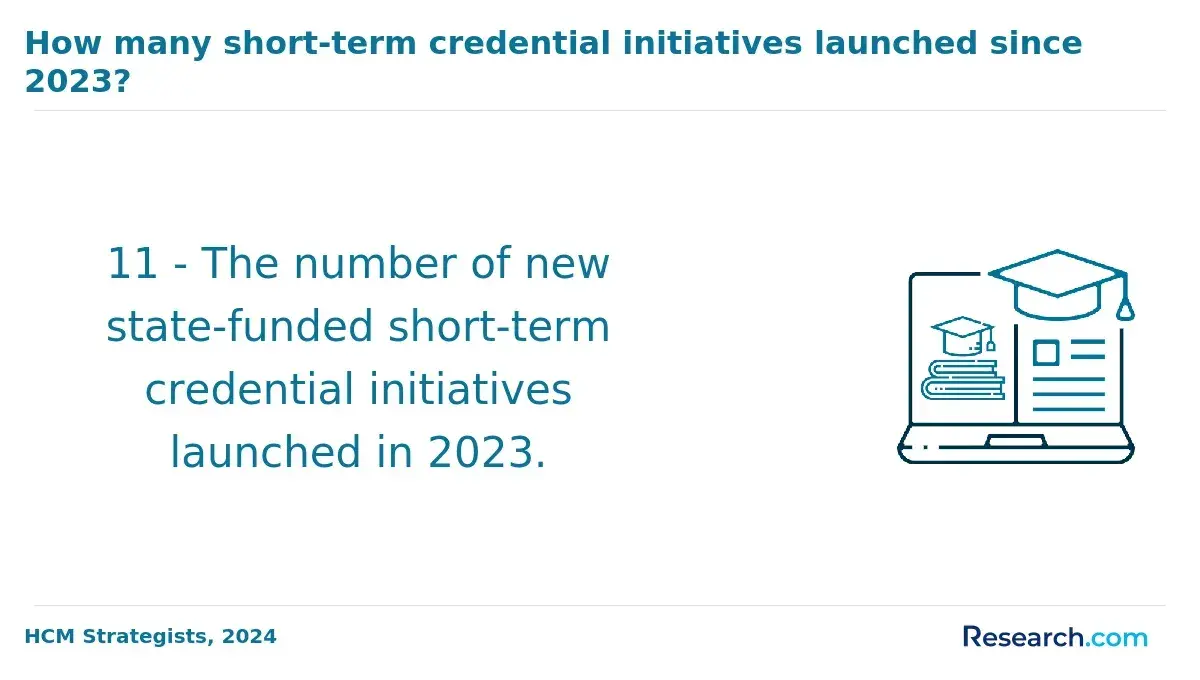
What types of Spanish teaching jobs exist at K-12, college, and adult-education levels?
Effectively entering Spanish teacher positions in K-12 public and private schools requires navigating state certification, bilingual demands, and diverse learner needs. Unlike higher education, these roles center on foundational language skills aligned with state standards, offering stability but limited salary advancement.
In contrast, higher education and adult education Spanish instructor roles exhibit distinctly different requirements and outcomes.
College instructors typically need a master's degree or PhD, with job security favoring those securing tenure track roles. The emphasis on research competence distinguishes these roles from K-12, though many rely on lower-paid adjunct positions, which often lack benefits and long-term stability.
Meanwhile, adult education spans environments from community colleges to online platforms offering extensive schedule flexibility.
Adult education positions often require TESOL or adult education certification, accommodating a broad spectrum of learners, from beginners to professionals seeking business Spanish. Online tutoring platforms, such as those represented on iTalki, illustrate significant earning variability, with annual incomes ranging from $25,000 to $60,000 based on teaching hours and student volume.
This income range reflects the growing role of remote instruction versus traditional classroom settings and highlights practical considerations about scalability and income diversification.
When deciding between these pathways, prospective instructors should weigh credential requirements, job market saturation, and working conditions. Those evaluating educational investments should factor in the online engineering degree cost as a proxy for understanding affordable degree options, given cost concerns often intersect across disciplines.
How do teacher licensure and certification work for Spanish teachers in different states?
Securing state certification for Spanish educators involves navigating diverse licensure landscapes that impose specific prerequisites tied closely to local educational policies. For example, the state certification process for Spanish educators in California mandates passage of the California Subject Examinations for Teachers (CSET) in Spanish alongside completion of an accredited credential program.
New York requires additional steps, including a Content Specialty Test (CST) and supervised student teaching hours, demonstrating how requirements reflect both language proficiency and pedagogy.
Licensure portability remains limited, significantly affecting teacher mobility. Transferring certification from one state to another often demands supplementary coursework or new exams. Employers in districts with large Spanish-speaking populations increasingly prioritize candidates holding bilingual certifications, as dual-language instruction exceeds the scope of standard Spanish teacher licensure.
This creates a strategic decision point for candidates weighing initial certification focused solely on Spanish versus bilingual or dual-language pathways with broader employability.
Alternative certification routes exist for candidates with strong language skills but non-traditional training, especially in high-demand areas, though these come with tradeoffs such as limited long-term mobility and mandatory full credentialing within prescribed timeframes. Prospective educators should assess these tradeoffs carefully relative to their career goals and geographic flexibility.
Choosing the right program also impacts timing. Accelerated pathways can help candidates gain licensure more quickly; for example, some students pursue an accelerated architecture degree as a model of fast-track education completion.
In Spanish teacher licensure requirements by state, prioritizing programs that integrate bilingual certification optimizes outcomes in districts expanding immersion and dual-language programs, an increasingly common employer expectation.
What degree pathways best prepare you for Spanish teaching roles in U.S. schools?
Combining a bachelor's or master's degree in Spanish language, literature, or linguistics with state-approved K-12 teaching certification remains the most pragmatic pathway for U.S.-based Spanish teachers. A Spanish major alone rarely suffices for public school entry without an accompanying teaching credential, which states uniformly require.
Candidates who integrate bilingual education, second language acquisition, or Hispanic cultural studies into their studies tend to align closer with employer expectations, especially in districts with significant Hispanic/Latino populations.
Employers seek teachers who pair strong language proficiency with pedagogical skill, yet only about 10.1% of Spanish teachers identify as Hispanic or Latino, despite these students making up roughly 28% of K-12 enrollment. This discrepancy underscores the value of heritage-language-focused credentials or bilingual certifications in expanding hiring opportunities and addressing diversity goals.
Prospective teachers should consider these practical realities:
- State testing covers both content knowledge and teaching ability, making integrated certification tracks more efficient than language study alone.
- Programs offering dual certification or bilingual endorsements can enhance competitiveness in districts with large Hispanic enrollments.
- Smoother licensure transitions and enhanced starting salaries often result from combined degree-certification programs.
Those targeting strategic career shifts or better workforce positioning must weigh the tradeoff between a pure language degree and the added time and cost of integrated teacher preparation that directly impacts employability and long-term professional viability.
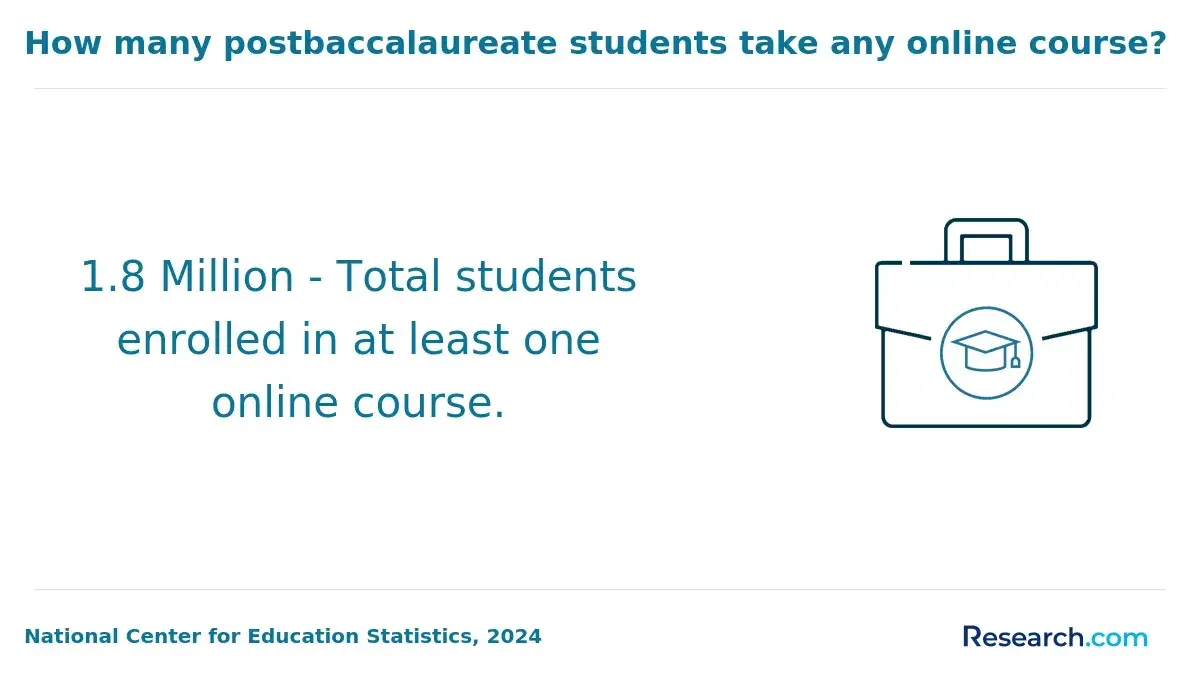
How do online Spanish and teacher preparation programs compare with on-campus options?
Choosing between online and on-campus Spanish teacher preparation hinges on intended career outcomes and employer expectations. Online programs attract professionals targeting corporate roles where flexibility and conversational fluency outweigh the need for immersive teaching practice. Such programs often omit supervised classroom hours, a nonnegotiable element for K-12 public school certification and state licensure requirements.
On-campus pathways, however, incorporate structured practicum placements and direct faculty mentoring, fostering crucial classroom management skills and cultural responsiveness essential for public school districts. For instance, districts seeking bilingual endorsements typically prefer candidates with hands-on teaching experiences, which online-only pathways rarely deliver.
The corporate sector's rising demand for Spanish language skills-up roughly 20% in recent years according to Oxford TEFL 2024-fuels a dual market. Employers in international trade prioritize practical language fluency attainable via flexible online formats paired with workplace application, but public K-12 settings and higher education roles depend on comprehensive, in-person preparation.
Decision-makers should carefully assess program accreditation, practicum availability, and alignment with employer requirements. Candidates with exclusively virtual training may face barriers in districts emphasizing supervised in-class hours, while online options remain viable for professionals prioritizing rapid skill acquisition in private sector contexts.
What courses and field experiences are included in Spanish education and teaching programs?
Robust Spanish education programs in 2026 demand not only linguistic expertise but also substantial pedagogical and experiential competencies. The combination of advanced grammar, phonetics, and Hispanic cultural studies establishes foundational accuracy alongside cultural literacy critical for effective instruction.
However, real workforce readiness is often contingent on navigating the tradeoffs between comprehensive academic coursework and extensive practicum requirements.
Practical teaching demands competence in second language acquisition theory, curriculum design, and adaptive assessment strategies aligned to diverse learner profiles like K-12 or adults.
Programs typically require 100-200 practicum hours in varied settings-public schools, immersion environments, or community centers-forcing students to adjust methods depending on context. For example, bilingual classrooms require more dynamic, differentiated techniques than university language labs.
Technology-supported simulated teaching labs can help bridge gaps before live environments, yet many candidates face extended program durations due to balancing these field experiences with coursework.
Study abroad remains a competitive advantage, providing immersive cultural fluency valued in international or program coordinator roles, a demand reflected by hundreds of thousands of language learners in Spain and Latin America each year, according to Oxford TEFL.
Employers prioritize demonstrable classroom effectiveness over theoretical knowledge alone, making completion of full practicum components crucial. The challenge prospective students must weigh: whether intensive fieldwork requirements justify prolonged study and limit flexibility in enrollment options.
What salaries, benefits, and work schedules can Spanish teachers typically expect?
Choosing to teach Spanish in the U.S. involves navigating significant tradeoffs based on sector and role. Public K-12 positions offer starting salaries between $45,000 and $60,000, with median wages in specialized secondary or private environments rising to $67,000-$75,000.
These roles provide stronger job security, structured 10-month academic calendars, and comprehensive benefits like health insurance, retirement plans (403[b] or 401[k]), and paid leave. However, they also entail administrative responsibilities and strict schedules that limit flexibility.
In contrast, higher education instructors typically earn $55,000 to $85,000, but must manage irregular workloads due to research, advising, and curriculum development beyond teaching hours. Community-based and adult education roles often operate as part-time or contract work with hourly pay rates from $20 to $35, frequently lacking benefits and dependent on fluctuating funding.
Such positions offer flexible hours suited to evening or weekend schedules, appealing for professionals balancing multiple commitments but come with income instability and limited advancement potential.
Key practical considerations include:
- Necessity of state certification and bilingual proficiency exams to access full-time public teaching roles and related benefits.
- Impact of budget variability on contract renewal in community education settings.
- Workload differences between fixed academic calendars and flexible, but unpredictable, semester or adult learning schedules.
These factors shape both immediate earnings and long-term career viability for Spanish instructors, emphasizing caution for those prioritizing stability over flexibility or vice versa.
What is the job outlook and demand for Spanish teachers in the United States?
The demand for Spanish teachers in the United States is stable but segmented, with growth largely in secondary education and specialized technology-driven roles. Districts serving diverse or Hispanic populations prioritize bilingual instructors who can also navigate adaptive learning platforms, integrating AI tools and microlearning modules into their curricula.
This bifurcation forces educators to weigh the tradeoff between traditional immersive instruction and developing bite-sized, tech-mediated content for varied learner needs.
Hiring managers increasingly expect candidates adept in both classroom innovation and administrative tasks, such as data-driven lesson adjustments. Practical competence with AI-based language platforms is no longer optional but essential for enhancing student engagement and performance metrics.
Salary increments remain modest due to public education funding constraints, motivating many Spanish teachers to supplement income through online tutoring or consulting services that focus on technology-enhanced language acquisition.
The evolving landscape demands a dual skill set combining strong linguistic expertise with curriculum design abilities tailored to K-12 environments using AI and microlearning.
Ultimately, professionals must critically evaluate whether to focus on immersive teaching traditions or pivot toward digitally enhanced methodologies, each path impacting long-term employability and classroom relevance differently.
How can you evaluate and choose an accredited, reputable Spanish education program?
Choosing a Spanish education program without proper accreditation can significantly limit employment opportunities, especially in public and international school systems that rigorously require recognized credentials. Accreditation validated by agencies accepted by the U.S. Department of Education or Council for Higher Education Accreditation signals adherence to standards critical for hiring managers and certification bodies.
Curriculum content must extend beyond language basics to include bilingual teaching methods or integration with other disciplines, such as TESOL, to meet evolving job market demands illustrated by recent research. Programs restricted to traditional language instruction risk producing graduates less competitive for roles requiring adaptable, interdisciplinary skills.
Employment data is a vital metric. Programs boasting documented placement rates over 70% for K-12 or adult education roles within a year provide stronger indicators of career viability. Conversely, degrees lacking employer networks or post-graduate support often result in extended job searches or underemployment.
Potential students should weigh the format carefully: while part-time or online options may fit working professionals, insufficient practicum or immersion experiences can undermine perceived program legitimacy in certain regions.
Also, ensuring the program aligns with state licensure requirements avoids costly certification delays. Contacting admissions for precise licensure pathways and employment integration is a necessary due diligence step.
Other Things You Should Know About Spanish
Choosing between a dual degree and a single Spanish degree depends on your career goals and employer expectations. Dual degrees, often combined with education or another subject, can increase your marketability and provide flexibility in case Spanish teaching positions are limited. However, they require a heavier course load and may extend your time in school. If your primary goal is a Spanish teaching career, a focused Spanish education degree aligned with state licensure requirements will usually offer the most direct preparation and faster entry into the classroom.
While native or near-native fluency is favorable, many school districts prioritize teaching skills and certification over perfect fluency. However, limited language proficiency can constrain your ability to handle advanced language classes or effectively model pronunciation. Programs that emphasize immersion and comprehensive language competence produce candidates better equipped to meet diverse student needs. For career resilience, prioritize rigorous language training alongside pedagogical preparation to satisfy employer expectations for both language mastery and teaching effectiveness.
Teaching Spanish in rural districts often involves smaller programs with fewer resources and potentially lower salaries but may provide more direct community impact and closer student relationships. Urban districts typically offer more diverse student populations and advanced language programs, but also higher competition and greater demands on classroom management and differentiation. When deciding, consider workload expectations, available professional development, and long-term career goals. Prioritize urban districts if you seek specialization and advancement; choose rural if you want broader teaching responsibilities and community engagement despite limited infrastructure.
References
- Best Spanish Language Schools in Spain: A 7-Step Guide https://gogoespana.com/en/blog/best-spanish-language-schools-spain/
- Secondary Education Major with Teaching Spanish Concentration https://live-villanova-catalog.cleancatalog.io/education-and-counseling/education-major-with-teaching-spanish-concentration
- What does a Spanish Teacher do? Career Overview, Roles, Jobs | AATG https://jobs.aatg.org/career/spanish-teacher
- What is a Spanish Teacher? - Career Insights | Teal https://www.tealhq.com/career-paths/spanish-teacher
- A Teaching English in Spain Salary Guide | The TEFL Org https://www.tefl.org/teach-english-abroad/teach-english-in-spain/salary/
- Professional Development for teachers of Spanish https://aee.educacionfpydeportes.gob.es/en/oportunidades/todas/formacion-profesorado-ele.html
- How to Work in the U.S. As a Foreign-Educated Teacher - U.S. Language Services https://www.uslanguageservices.com/guides-resources/how-to-work-in-the-us-as-a-foreign-educated-teacher/
- How to Decide Between an Online and On-Campus Education | Cornerstone University https://www.cornerstone.edu/blog-post/how-to-decide-between-an-online-and-on-campus-education/
- Spain International School Teacher Salary Guide https://wonderingstaffroom.org/countries/spain/
- What Training Do You Need to Become a Spanish Teacher? https://www.superprof.ca/blog/get-right-education-teach-spanish/