2027 Best Online Spanish Programs for Working Adults Seeking Language Career Mobility

Co-Founder and Chief Data Scientist
Balancing a full-time job while pursuing advanced language credentials presents steep challenges for working adults aiming to advance in the Spanish career sector. Traditional programs often lack the flexibility necessary for sustained enrollment, especially since nearly 60% of adult learners in 2024 negotiate education around work and family commitments, as reported by the National Center for Education Statistics.
This signals a widening gap between available offerings and real-world constraints, forcing candidates to compromise program quality or professional momentum. This article evaluates the best online Spanish programs designed to maximize career mobility without sacrificing accessibility or rigor, providing actionable guidance for navigating these critical tradeoffs.
Key Things You Should Know
- Post-pandemic shifts increased remote bilingual roles by 42% in healthcare and legal sectors, challenging professionals to prioritize programs with synchronous live practice over purely asynchronous formats for immediate applicability.
- U.S. Bureau of Labor Statistics shows certified Spanish proficiency raises median wages by 15%, but employers favor candidates demonstrating cultural competence via integrated immersion modules, creating a credential vs. hands-on skills tension.
- Programs averaging $1,200-$2,800 span 6-12 months; accelerated 6-month tracks reduce opportunity cost for working adults but often trade depth of grammar mastery and regional dialect exposure for speed.
What are the best online Spanish programs for working adults seeking career mobility?
Employers increasingly seek professionals fluent in Spanish tailored to specific industries, with 34% of U.S. employers prioritizing Spanish over other languages for hiring and promotion. The most effective programs integrate specialized tracks-such as healthcare communication or business negotiation-offering skills that translate directly into workplace impact.
For example, medical Spanish proficiency improves patient interactions and job performance in healthcare roles, often leading to a wage premium between 5-20% compared to monolingual peers.
Working adults evaluating the best online Spanish courses for working adults seeking career advancement must consider how program design affects skill application and career mobility.
Fully asynchronous formats offer convenience but may limit speaking fluency critical for client-facing roles, while hybrid programs balance flexibility with live practice. Accreditation aligned with ACTFL standards ensures language proficiency is relevant and recognized.
Choosing a program with employer partnerships, internships, or capstone projects simulating real-world environments enhances returns on investment by demonstrating applicable skills. In sectors like education or customer service, curricula addressing cultural nuances and legal terminology significantly influence compensation and career trajectory.
Practical tradeoffs include credential value; a certificate emphasizing professional Spanish use often outperforms generic language certificates in competitive job markets.
For professionals targeting career mobility, understanding these program outcomes relative to industry demands is essential. More details on affordable and efficient pathways can be found in this spanish degree online guide.
How do online Spanish degrees compare to campus programs for adult learners?
Flexibility remains the defining advantage of online Spanish degree programs for working adults, enabling them to maintain employment while developing language skills critical to specific career paths. Given that 82% of U.S. adult online learners prioritize schedule adaptability, these programs cater well to those balancing work and family commitments.
However, the choice between campus versus online Spanish courses for adult learners hinges on desired language competencies and occupational contexts. For example, roles requiring real-time interpretation and cultural nuance often benefit from immersive, face-to-face campus experiences, favored by employers in healthcare and international relations.
Critical tradeoffs include:
- Online degrees suit careers focused on written communication, translation, or remote client support where asynchronous skill application prevails.
- Campus programs offer superior preparation for diplomatically sensitive roles demanding fluent conversational Spanish and immediate feedback.
- Employer recognition varies widely; some hiring managers in specialized sectors value traditional campus credentials, whereas many regional employers accept accredited online qualifications if proven by practical skills.
- Online learners must manage technical demands and self-discipline, which challenge adults juggling heavy personal or professional responsibilities.
With 69% of adult learners enrolling in online Spanish to improve job prospects, program outcomes must be quantifiable through certifications, internships, or rigorous assessments that align with occupational needs. This practical focus increases the likelihood that language proficiency directly translates into workplace value, an essential consideration when evaluating top 10 highest paying degrees.
What types of online Spanish credentials exist, from certificates to bachelor's and master's?
Choosing an online Spanish credential requires weighing the balance between immediate job requirements and long-term career mobility. For working adults, online Spanish certificate programs for working adults often provide expedient skill upgrades-typically 3 to 6 months-suited for roles demanding conversational fluency and cultural agility, such as healthcare or customer service. These certificates, usually 12 to 20 credit hours, do not support deeper linguistic specialization, limiting advancement in education or legal translation fields.
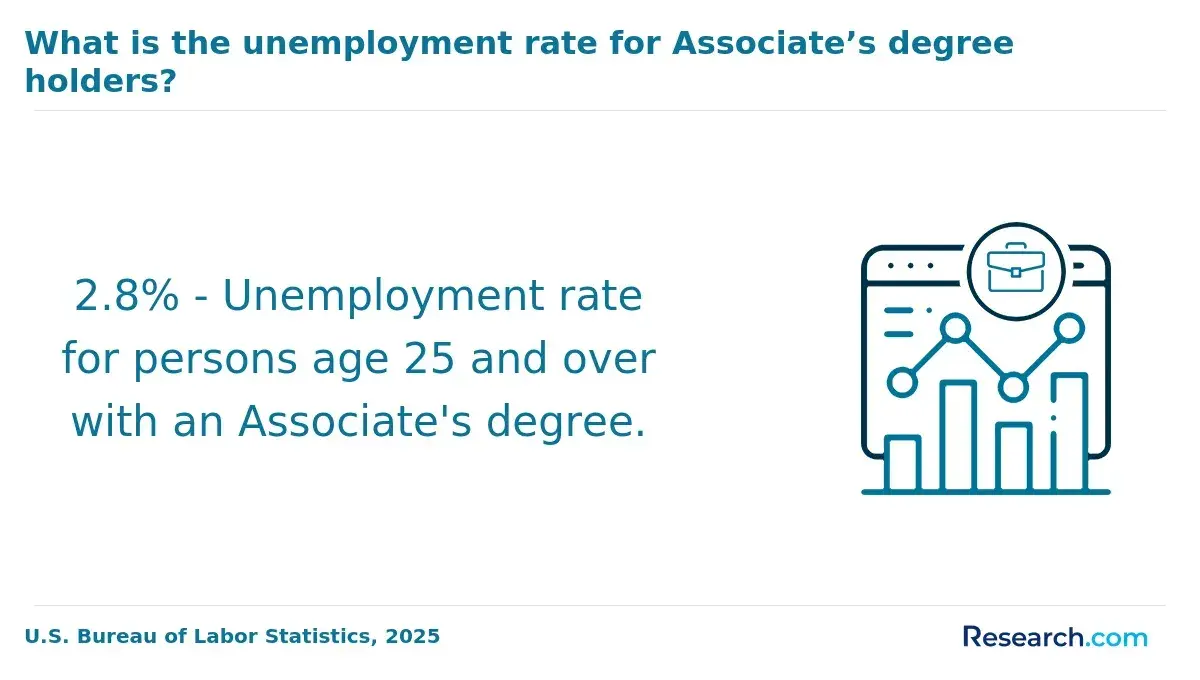
Associate degrees serve as a stepping stone with foundational language and general education skills, applicable to entry-level administrative or community outreach positions. However, without focused specialization, they rarely position graduates for leadership roles.
Bachelor's degrees in Spanish, encompassing 120 credit hours with language, literature, and culture, align with professions like education and international business, delivering both communication and analytical skills.
The investment of 3 to 4 years must be balanced against outcomes such as the 11% salary premium bilingual employees command. Accredited Spanish bachelor's and master's degrees online often require a significant commitment but are pragmatic for those targeting mid- to upper-level positions requiring strong credentials.
Master's programs, while demanding greater time and financial resources over 1 to 2 years, enhance expertise for careers in academia, professional translation, or diplomacy. They correlate with a 19% higher promotion rate within three years. Candidates must consider if their employer prioritizes advanced certification over practical experience.
For those exploring broader educational options, particularly in technical fields, online engineering programs provide a related example of balancing cost, time, and career outcomes.
How can working adults identify accredited, high-quality online Spanish programs?
Employers increasingly demand accredited credentials from recognized bodies like regional U.S. accreditors or the Distance Education Accrediting Commission (DEAC) to reliably assess program quality and ensure transferability. Programs lacking such accreditation risk limiting hiring potential and credit acceptance.
Candidates pursuing high-quality online Spanish courses with career advancement opportunities should prioritize those providing transparent data on graduate employment or established employer partnerships instead of marketing claims alone.
Sector-specific specialization heavily influences practical value. For instance, healthcare and social services professionals benefit more from programs emphasizing medical or community interpreting Spanish, while business contexts prioritize courses focused on business Spanish or international trade language skills. This alignment between coursework and real-world application enhances workplace effectiveness.
Course structure also affects skill mastery speed. Live instruction combined with interactive language labs generally results in better oral proficiency needed for client-facing roles compared to asynchronous, text-based learning.
Considering that in 2024, 22% of U.S. job postings specifying language requirements preferred Spanish-over 1.5 million listings according to Lightcast labor-market data-pursuing programs known to employers who post these jobs is a strategic advantage. Candidates should seek programs offering verifiable language certificates over casual or brief courses.
Support services such as career counseling and internship placement add measurable benefits by linking classroom skills with practical experience, which improves interview readiness. Transfer credit policies also matter for professionals planning continued education.
For cost-conscious learners, exploring options like online general studies degree affordable programs may provide flexible pathways while maintaining rigor and outcomes.
What does the curriculum in an online Spanish program typically include for career-focused learners?
Online spanish programs targeting professionals prioritize immediate workplace applicability over traditional academic fluency, aligning curriculum tightly with specific industry demands. For example, healthcare workers gain practical skills such as conducting patient interviews and documenting treatment plans in spanish, addressing the 30%+ mandate for spanish proficiency in nurse and physician assistant job listings noted by the Lightcast healthcare workforce language demand brief, 2024.
These courses balance asynchronous lessons with live interaction to fit working adults' schedules, leveraging scenario-based assessments that approximate real job challenges. Rather than comprehensive grammar or literature, effective programs truncate vocabulary to high-frequency, sector-specific terms, recognizing a critical tradeoff: deeper language immersion versus time efficiency.
Cross-cultural competence is integral, emphasizing idiomatic expressions, negotiation nuances, and regional dialects to meet employer expectations for cultural agility-essential in client-facing roles like social work or customer service.
Some curricula also cover bilingual document management and translation, preparing learners for hybrid roles that combine language and administrative expertise.
The doubling of U.S. healthcare job postings requiring spanish since 2018 underscores the importance of selecting programs that measurably enhance employability and accommodate professional schedules. Learners must critically weigh curriculum relevance, practical skill acquisition, and time investment to optimize career mobility within this competitive language-dependent job market.
What admission requirements and application materials do online Spanish programs usually expect?
Online Spanish programs designed for working adults emphasize verifiable academic records, typically requiring a high school diploma or GED. Admissions hinge on thorough application packets, including transcripts and often a personal statement that connects language proficiency to career objectives.
For non-native English speakers, proof of English competency may be necessary to ensure comprehension of course materials delivered in English. Standardized tests like TOEFL or IELTS are occasionally requested but are seldom mandatory for native English-speaking U.S. applicants.
Many programs incorporate resume or CV reviews to assess professional context, enabling placement into suitable course levels. Online placement tests focusing on grammar, vocabulary, and speaking skills further tailor instruction. Unlike traditional programs, letters of recommendation and interviews are generally not required, which reduces barriers for busy professionals.
Evidence indicates structured online Spanish programs with integrated speaking practice enable learners to achieve B1 "workable workplace" proficiency approximately 30-40% faster than evening classes, typically within 10-12 months rather than 18.
This accelerated model suits professionals in healthcare, social services, or education where conversational Spanish directly affects job performance and promotion eligibility. However, synchronous speaking sessions or video-based assessments are often mandatory to meet proficiency benchmarks, requiring scheduling flexibility.
Applicants must also manage document submissions like scanned diplomas and ID verification to satisfy federal and credentialing standards. The practical tradeoff for accelerated progression involves balancing program demands with variable work schedules, which may challenge some employed students aiming for functional language skills applicable in real-world occupational settings.
How long do online Spanish programs take, and how flexible are course schedules?
Duration and pacing in online Spanish programs have direct implications on skill retention and workplace applicability. Accelerated tracks, typically 3 to 6 months, cater to working adults needing immediate functional proficiency and industry-specific vocabulary, which suits roles in healthcare or customer relations where practical language use is frequent.
In contrast, advanced programs aimed at bilingual managers or translators, which span 9 to 12 months, accommodate the depth required for grammatical precision and cultural nuance under pressure.
Employers prioritize demonstrated language proficiency over time spent in class, making flexible pacing aligned with recognized credentials such as DELE or SIELE more relevant for job readiness. This reality is reflected in a 41% global rise in exam candidates from 2020 to 2023, confirming that practical language certification drives demand.
Program structures offering asynchronous learning minimize conflict with full-time work, but synchronous components-like live conversation labs or proctored reviews-demand weekly time commitments often outside standard business hours, which may challenge scheduling for shift workers or remote teams.
Tradeoffs include balancing extended study periods against skill decay risks, while compressed schedules may limit long-term retention. Optimal programs incorporate on-demand tutoring, self-assessment tools, and official practice exams, supporting sustained progress without compromising professional responsibilities.
How much do online Spanish programs cost, and what financial aid options are available?
Working adults balancing employment and learning face a critical tradeoff between cost, credit, and completion likelihood when selecting Spanish programs. Courses priced under $500 typically lack transferable academic credit but grant flexible pacing, appealing to those unable to commit to rigid schedules.
Conversely, accredited certificate programs ranging from $1,200 to $4,000 demand consistent study intervals-2 to 4 hours weekly-to reach a completion rate near 46%, which is double the rate for students without structured engagement. This completion disparity often shapes employer trust in candidates' commitment and can influence internal mobility prospects.
Employer tuition reimbursement plays a significant role in mitigating financial barriers but usually requires alignment with job functions or documented progress, especially in sectors like healthcare and international business.
Pell Grants and federal aid rarely extend to non-credit or subscription-based platforms, which generally cost $20 to $50 monthly for access. These subscription models offer a low upfront investment but lack formal recognition, representing a practical option for income-sensitive learners without immediate credential needs.
Scholarships and income-based discounts are concentrated within institution-based language programs rather than open online courses. The workforce implications of program choice mean that professionals should weigh time investment, employer expectations, and credential value carefully, as each factor directly impacts both learning outcomes and career trajectories.
What careers can an online Spanish degree support, and how does it improve job mobility?
An online Spanish degree functions as a practical tool in sectors where bilingual communication directly affects operational effectiveness and client outcomes. In healthcare, fluency reduces miscommunications that can cause medical errors, while in corporate environments such as marketing or human resources, it enables engagement with diverse markets and employee groups, often leading to expanded responsibilities or shifts to global teams.
Career value depends on coupling language skills with relevant professional expertise. For instance, a bilingual social worker interacting with Spanish-speaking clients typically navigates career progression more effectively than peers lacking such skills. Conversely, sectors with limited demand for Spanish communication may offer little tangible advantage despite the credential.
Internships and immersion modules embedded in online programs provide practical environments to bridge theoretical knowledge with real-world communication demands.
Prospective students should select programs aligned tightly with targeted career sectors to mitigate skill gaps and enhance the degree's strategic value for career pivots within healthcare, education, social services, government, business, or legal contexts where Spanish proficiency is operationally critical.
What salary ranges and job outlook can graduates of online Spanish programs expect?
Possessing intermediate or higher Spanish proficiency tangibly affects career mobility and compensation, but its impact depends on combining language skills with relevant industry expertise. According to the ACTFL corporate learner follow-up survey, 52% of mid-career professionals with at least intermediate Spanish moved into roles with greater responsibility, and 44% received salary increases linked directly to their bilingual skills within three years.
Simply completing an online Spanish program without demonstrated proficiency or practical use rarely translates into meaningful financial gains.
Entry to mid-level bilingual roles typically offer salaries between $45,000 and $65,000 in sectors such as education, healthcare, and customer service. Advancement into supervisory or specialist positions can push earnings to $75,000-$90,000 or more when fluency is coupled with job-specific knowledge. For example:
- Bilingual nurses in healthcare often earn a $5,000 to $7,000 annual premium.
- Sales and human resources professionals with Spanish skills may see salary increases of 8-15%, especially in globally connected organizations.
The U.S. Bureau of Labor Statistics anticipates 10-15% growth through 2030 in occupations valuing Spanish bilingualism, notably in healthcare, education, social services, and legal assistance. However, salary advancement depends largely on integrating language competence with technical skills rather than relying on bilingualism alone.
Graduates should critically assess program length and cost against employer recognition of credentials and proficiency levels in their target industry, as real-world practice and domain-specific vocabulary frequently determine whether language skills translate to higher pay.
Other Things You Should Know About Spanish
Full fluency is not always required for career mobility, but conversational and professional proficiency often is. Employers prioritizing client interaction or translation usually expect near-fluent skills, while roles in support or administrative areas may accept intermediate competency. When assessing programs, working adults should focus on those offering real-world practice and industry-specific vocabulary to meet employer standards rather than just theoretical knowledge.
Regional Spanish dialects significantly impact employability depending on geographic location and industry. For example, U.S. healthcare and social services sectors often require familiarity with Mexican or Central American dialects. Investing in programs that include dialect variation and cultural competency enhances practical communication and broadens career opportunities, especially in areas with high Hispanic populations where accent and terminology differ.
In 2027, top online Spanish programs offer flexible scheduling, allowing working adults to balance their professional and study commitments. They provide comprehensive language instruction, cultural insights, and networking opportunities, enhancing career prospects in bilingual environments.
Certification exams are often essential to prove proficiency, especially in competitive fields like translation or education. However, the specific credential needed depends on the target industry and employer expectations. Working adults should evaluate whether their chosen program prepares them for recognized certifications such as DELE or ACTFL and weigh the added time and cost against the certification's relevance to their career goals.
References
- Online Spanish classes from top universities | edX https://www.edx.org/learn/spanish
- Learn Spanish Online at Your Own Pace with Tailored Private Lessons | Escuela Elcano https://escuela-elcano.com/courses/online-spanish-courses/
- Launch a Global Career with a Spanish Degree | Houston Christian University https://hc.edu/articles/launch-a-global-career-with-a-spanish-degree/
- Accredited Online Spanish Courses for College Credit | Maximo Nivel https://maximonivel.com/online-spanish-college-credit/
- Are Online Spanish Classes Effective for Adults? https://lingua-learn.ch/are-online-spanish-classes-effective-for-adults/
- How to Apply to Spanish Universities | Admissions Guide 2026 https://www.study-abroad.org/study-in-spain/admissions-and-application/
- Improve Your Spanish With Classes Online: Flexibility and Quality From Anywhere - CSA Academy https://learncsa.com/blog/improve-your-spanish-with-classes-online-flexibility-and-quality-from-anywhere/
- Career in Foreign languages https://institutospanien.org/blog/career-in-foreign-languages/
- 10 Reasons to Attend an Accredited Spanish School in Spain https://www.speakeasybcn.com/en/blog/why-attend-accredited-spanish-school-in-spain