2027 Online Operations Management Degrees With Strong Process Improvement Training

Co-Founder and Chief Data Scientist
Facing a mandate to improve production efficiency while safeguarding tight deadlines, operations managers must rapidly acquire process improvement expertise without interrupting their career momentum. With 68% of adult learners opting for online programs according to the National Center for Education Statistics in 2024, flexibility governs enrollment decisions, reflecting a shift toward balancing professional responsibilities alongside advanced training. However, many online degrees lack rigorous, actionable process improvement training critical for navigating complex supply chain disruptions and continuous quality initiatives.
Identifying online operations management degrees that combine accessible delivery with industry-relevant process improvement instruction enables informed choices that enhance immediate workplace impact and long-term career growth. This article evaluates such programs-and their practical value-to aid those confronting this challenging education-employment intersection.
Key Things You Should Know
- Programs with strong process improvement focus often require 24-30 months to complete, reflecting higher tuition costs-averaging $19,500 nationally per NCES 2024 data-which can delay return on investment by 1.5 years compared to general operations management degrees.
- Employer surveys from the Institute for Supply Management 2024 report show 65% prioritize Six Sigma or Lean-certified candidates, making process improvement skills decisive for mid-career advancement but limiting roles for graduates lacking these credentials.
- The growing reliance on data analytics in process improvement shifts job requirements, compressing talent pipelines; BLS projects a 7% growth in operations analysts by 2026, magnifying competition and demanding continuous education investment beyond degree completion.
What is an online operations management degree with process improvement training, and who is it for?
Programs offering an online operations management degree with process improvement focus prioritize actionable skills in workflow optimization and data-driven problem solving. These degrees integrate methodologies like Lean and Six Sigma with tools such as project management and statistical analysis, tailored mainly for professionals seeking to influence manufacturing, healthcare, logistics, or technology sectors. A logistics manager, for instance, might leverage these skills to streamline supply chains, reducing delays and inventory costs, while a healthcare administrator could improve patient flow without additional staffing.
Prospective students must balance theoretical foundations with applied projects reflecting current industry demands. Strong quantitative reasoning is essential, as the process improvement focus requires navigating complex datasets and managing organizational change. Given approximately 2.8 million operations-related openings annually and a 6% projected growth rate (per 2024 Lightcast data), program choice impacts hireability and salary potential, with median earnings near $102,950.
Work-life balance concerns necessitate programs that support asynchronous learning and real-world case studies, making online MBA operations management options attractive. However, those lacking baseline business knowledge risk struggle. Practical evaluation criteria include program accreditation and demonstrated employer recognition of measurable impact on key performance indicators rather than academic credentials alone.
For detailed program comparisons and options, consider this online MBA operations management resource.
How do online operations management programs compare with campus-based options for quality and outcomes?
Online operations management degree quality comparison reveals that robust online programs can match campus-based options in delivering essential skills like Lean Six Sigma and workflow optimization through simulations and interactive projects. However, limited in-person networking in online formats requires learners to proactively develop leadership competencies critical for managing complex systems.
Career outcomes of online versus campus-based operations management programs tend to align when online curricula include accessible internship or capstone components, yet hybrid or campus models often offer superior employer engagement and direct industry exposure. Given the labor market's emphasis on verified certifications and project results over diploma modality, students must evaluate program structures that integrate meaningful experiential learning.
Projected 6% employment growth for industrial production managers over the 2022-2032 decade, with about 15,700 annual openings, underscores the importance of prioritizing practical application within education. This demand favors programs that facilitate site-specific workflow understanding, a dimension easier to grasp through campus proximity but increasingly achievable via virtual internships in top-tier online degrees.
Prospective students weigh tradeoffs between online flexibility and immediate access to local employer networks. For those seeking programs that balance affordability with relevant industry training, exploring a construction management degree or similar accredited online offerings can provide a comparative perspective on structuring education for operational roles in evolving work environments.
What types of online operations management degrees are available, from certificates to master's programs?
Selecting the appropriate level of online operations management degree programs with process improvement training requires balancing immediate skill needs against long-term leadership ambitions. Certificate programs, which often emphasize targeted methods like Lean Six Sigma or supply chain fundamentals, serve professionals-especially mid-level managers-who need actionable tools for rapid deployment in sectors like manufacturing or healthcare.
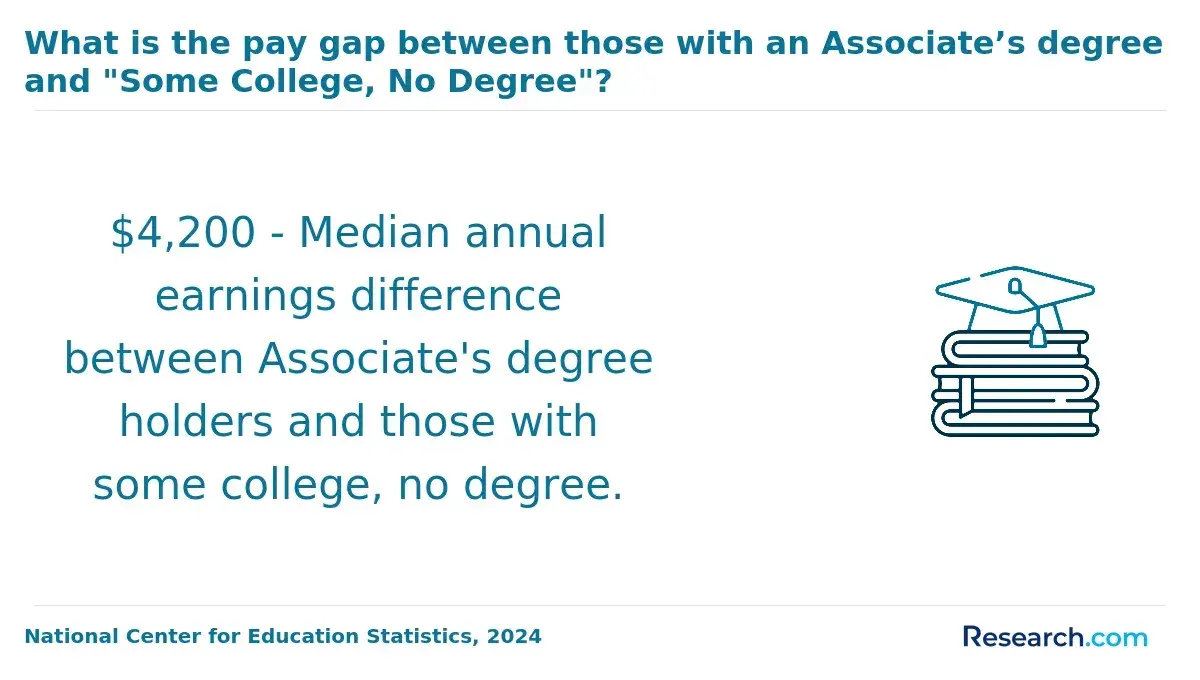
Associate degrees offer a wider business foundation but lack the advanced analytics demanded by supervisory roles transitioning into strategic functions. Bachelor's degrees remain the most common online path, integrating quantitative process improvement elements such as data analysis and quality control, which prepare graduates for analyst and coordinator roles driving optimization efforts across technology and production industries.
Master's degrees deepen expertise in operations research, analytics, and strategic application necessary for executives managing complex decision environments. Given the median annual wage for operations research analysts reached $89,300 in 2023 with the top 10% exceeding $153,340, investing in graduate education aligns with measurable workforce reward. For professionals shifting from supervisory roles to leading process redesign, these degrees are essential.
Those weighing options must consider employer expectations around analytical rigor and decision-making scope. Some may find the best fit in certificates or associate programs for quicker advancement, while others benefit from master's level breadth and depth. For related fields emphasizing healthcare operations, the degree in healthcare management complements operations management skills.
Certificates and master's degrees in operations management with lean training represent distinct entry points-each shaping career trajectories differently and suited to specific industry demands and timelines.
Which process improvement methodologies do these programs typically cover, such as Lean and Six Sigma?
Lean and Six Sigma methodologies form the operational backbone in online operations management programs with lean training, shaping both curriculum and employer expectations due to measurable performance improvement outcomes. Between 2019 and 2023, job postings emphasizing Six Sigma process improvement courses in operations management grew by roughly 23%, reflecting increased demand in sectors like supply chain and healthcare.
Programs extend well beyond theory, training students in practical tools such as value stream mapping and Kaizen events. Manufacturing students, for instance, apply Lean techniques to cut cycle times and reduce defects, directly impacting cost structures. Meanwhile, healthcare-focused projects reduce patient wait times, improving service efficiency while maintaining compliance. These real-world tradeoffs-speed versus statistical rigor-mirror workplace challenges where balancing Lean's waste elimination with Six Sigma's data-driven approach affects both customer experience and regulatory adherence.
Key considerations for prospective students include acquiring strong statistical analysis skills and familiarity with software tools like Minitab. Many curricula incorporate live projects to close the gap between academic concepts and practical workplace problem-solving. This continuous improvement mindset prepares graduates for iterative evaluation cycles rather than one-time fixes. Graduates who master these competencies excel in roles demanding cross-functional collaboration, process redesign, and alignment to strategic metrics-a critical factor when choosing among online operations management programs with lean training options.
For professionals seeking accelerated educational pathways with relevant skills, exploring accelerated MBA programs that incorporate these process improvement disciplines may provide a strategic advantage.
What courses and skills are included in an online operations management curriculum focused on process improvement?
Online operations management programs emphasize measurable process improvements, tailoring skills around real-world challenges like reducing manufacturing cycle times or optimizing e-commerce fulfillment. Students master Lean Six Sigma, process mapping, and supply chain techniques with a focus on applying these tools contextually rather than as abstract concepts. This practical orientation is critical since employer expectations prioritize demonstrated efficiency gains and cost reductions that directly impact operational competitiveness.
Key workforce-relevant skills include statistical process control and data-driven decision-making using software such as Minitab or Tableau. For industries like healthcare logistics, where demand variability disrupts resource allocation, predictive modeling skills are essential to adapt operations responsively. Moreover, project and change management coursework prepares candidates to lead process restructuring without impairing daily workflows, a frequent challenge in continuous improvement initiatives.
Given that over 30% of U.S. business management undergraduates pursue fully online education, these programs must also address the distinct demands of remote leadership and virtual collaboration, which differ markedly from on-site team management. This focus can be a determining factor for professionals balancing ongoing employment with flexible study.
Hands-on case studies and capstone projects connect theory to measurable operational outcomes, reinforcing employer preferences for candidates who can quantify improvements as percentage gains rather than rely on generic notions of efficiency.
How can students verify accreditation and program quality for online operations management degrees?
Choosing an accredited online operations management degree impacts employability more than tuition savings alone. Regional accreditation remains a non-negotiable baseline, as national accreditors often lack the rigor sought by employers in business fields. Specialized accreditation like AACSB or ACBSP adds a layer of assurance regarding curriculum relevance and faculty expertise, which employers in sectors such as manufacturing and logistics actively recognize.
For example, a candidate aiming for roles in Detroit's manufacturing hub should consider programs with documented connections to regional industry partnerships, which facilitate tangible outcomes like internships and job placement. Practical evaluation metrics include graduation rates, retention data, and alumni employment directly tied to operations and process improvement functions.
Cost is a factor, but a lower tuition public online program must still maintain parity in curricular content, especially in methodologies like Lean Six Sigma. Prospective students should verify that online offerings adhere to on-campus academic standards to avoid gaps in industry-relevant skills.
Effective verification involves consulting resources like the Department of Education's College Scorecard and cross-referencing accreditation databases, alongside reaching out to employers in targeted sectors to confirm how they value the specific online degree. This multi-faceted approach aligns academic investment with regional workforce realities and advances strategic career choices.
What are the typical admission requirements, program length, and learning formats for online study?
Admission to online operations management programs often demands more than minimal academic credentials; a bachelor's degree with a 2.5 to 3.0 GPA range is typical, but relevant work experience can sometimes offset GPA shortcomings. Candidates lacking a business foundation frequently need to complete bridging coursework before tackling advanced operations topics. The necessity to submit transcripts, resumes, and occasionally letters of recommendation or statements of purpose ensures candidates demonstrate both academic readiness and practical leadership or process improvement experience.
Program durations vary widely based on credential level and pacing, with bachelor's degrees extending up to four years part-time or condensed to about two years full-time online. Master's degrees generally require 18 to 24 months. Shorter, accelerated certificate options focused on analytics and process improvement exist, targeting working professionals aiming for rapid skill acquisition within 6 to 12 months.
Most offerings use asynchronous learning formats to accommodate professionals in manufacturing, supply chain, or service roles balancing demanding schedules. However, programs integrating live sessions and case-study-driven content tend to better simulate real-world operations scenarios. Considering that 75% of large manufacturers employed advanced analytics or AI by 2024 per McKinsey's State of AI in Manufacturing and Operations report, graduates must expect substantial exposure to data-driven process improvement tools.
Wrapped into curriculum design should be practical software access-whether Lean Six Sigma applications or AI-based forecasting platforms-as future employers prioritize hands-on systems knowledge. For workforce entrants or those pivoting careers, the balance between theoretical frameworks and applied tool proficiency determines employability and long-term job performance.
How much do online operations management degrees cost, and what financial aid options exist?
Cost variation in online operations management degrees reflects significant strategic considerations. Tuition ranges broadly from $15,000 to over $40,000, influenced primarily by institutional reputation, program depth, and credit intensity. Public universities often provide cost reductions of 30-50% for in-state students, presenting a notable price-performance tradeoff compared to private or specialized programs. Programs integrating continuous improvement frameworks like Lean Six Sigma tend to command premium pricing, often exceeding $1,000 per credit, but align more directly with workforce demand for measurable operational efficiency and cost reduction skills.
Employers now expect candidates to demonstrate outcome-oriented expertise; PwC's 2024 global benchmark links mature continuous improvement programs to 20-30% efficiency gains and 10-15% cost savings. This drives tuition investment decisions, especially for professionals like warehouse managers pivoting toward supply chain analytics. Choosing a $25,000 program embedding Lean Six Sigma training versus a $15,000 generalist degree without such credentials requires weighing immediate financial burden against potential salary uplift and employability aligned with these documented operational benefits.
Additional cost factors include indirect expenses such as software, study materials, and potential unpaid time off, adding 10-20% beyond tuition. Financial aid options-federal loans, Pell Grants capped at $7,395 annually, institutional scholarships, and employer tuition reimbursement-frame practical affordability but demand understanding of eligibility criteria and employer outcome verification processes.
Prospective students should verify curriculum alignment with continuous improvement benchmarks to maximize return on investment, recognizing that partial payments per course can mitigate cash flow challenges for working professionals.
What careers, industries, and advancement paths can graduates pursue with this degree?
Degrees focusing on operations management with an emphasis on process improvement routinely lead graduates into roles such as process improvement analysts, supply chain coordinators, quality managers, or operations supervisors. Industry placement ranges widely-from manufacturing and healthcare to technology firms and retail chains-each with distinct operational challenges. For example, manufacturing roles often center on Lean Six Sigma projects aimed at cutting waste and minimizing downtime, directly influencing production efficiency and cost control. Healthcare positions, conversely, prioritize patient flow optimization and inventory management to improve compliance and service quality.
Career progression generally moves from entry-level operational roles to mid-level positions like operations manager or continuous improvement lead, with senior leadership roles such as director or VP attainable through demonstrated results and certifications in methodologies like Six Sigma or Lean. Employers increasingly look for such credentials, reflecting their tangible impact: organizations applying Lean Six Sigma report median returns of 4.5 times their investment within three years, according to the 2024 ASQ survey.
Operational professionals face the persistent challenge of integrating improvement initiatives within existing workflows, which demands strong change management capabilities. The direction of advancement can also differ by sector. For instance, those in technology often transition toward product operations or project management, adapting improvement tools to agile frameworks. In contrast, heavy industry roles emphasize reducing variability and strengthening safety protocols to drive advancement.
Choosing an operations management program with a process improvement focus prepares graduates for metrics-driven roles with clear ROI expectations. These skills are increasingly aligned with employer demand for operational excellence and continuous improvement expertise that translate into measurable business value.
What salaries, job outlook, and certification opportunities can process-focused operations graduates expect?
Graduates focusing on process-driven operations roles face an entry-level salary range of approximately $65,000 to $85,000, commonly in positions such as process analyst or supply chain coordinator. However, within five years, mid-level roles responsible for managing teams and projects often exceed $100,000. Leadership positions-operations managers or directors concentrating on continuous improvement-can command salaries above $130,000, though compensation varies considerably by sector, including manufacturing, healthcare, and technology.
The operational landscape favors candidates with certifications like Lean Six Sigma (Green Belt, Black Belt), Certified Supply Chain Professional (CSCP), and Project Management Professional (PMP). These credentials enhance practical skills employers demand and enable professionals to lead targeted improvement initiatives. For instance, a Black Belt certification often correlates with greater access to promotion and higher pay.
Operational roles demonstrate resilience amid evolving demands, with a projected job growth of 10% through 2032-outpacing many other fields-driven by widespread efficiency initiatives. About 70% of S&P 500 chief operating officers have operations or supply chain management backgrounds, underscoring how these roles serve as a pipeline to executive leadership.
Prospective students should weigh certification time and cost against tangible returns, particularly in sectors undergoing digital transformation or with complex operational challenges. Hybrid expertise merging process knowledge with technology proficiency provides a strategic advantage to sustain career momentum and maximize earning potential.
Other Things You Should Know About Operations Management
Full-time employment significantly increases the challenge of completing process improvement-intensive programs, which demand substantial project work, data analysis, and proficiency in specific software tools. Students must prioritize coursework with practical application and time management strategies since program acceleration options often reduce flexibility. Employers typically value candidates who demonstrate the ability to juggle work and learning because it parallels real-world operational multitasking.
Students should prioritize programs with strong experiential components, such as capstone projects, internships, or partnerships with industry. These offer direct application of methodologies like Lean, Six Sigma, and others in realistic settings, which significantly improves employability. Programs that emphasize vendor-neutral, industry-recognized training better align with employer expectations versus those that only provide theoretical knowledge.
While standalone certifications demonstrate targeted skills, a full online degree embeds process improvement in broader operational strategy, leadership, and analytics. This integrated knowledge improves candidates' ability to implement systemic change rather than isolated projects. For career advancement beyond entry-level roles, an online degree with strong process improvement training holds greater value with employers seeking versatile managers rather than technical specialists.
References
- Operations Graduate Career Profile | GRB https://www.grb.uk.com/industry-profiles/operations/
- 10 in-demand careers for the future https://www.vu.edu.au/about-vu/news-events/vu-blog/10-in-demand-careers-for-the-future
- Operations and Quality Management Courses https://globalmanagementacademy.com/operations-and-quality-management-courses/
- Quality Standards and Accreditation of Distance Education Programs in a Pandemic - OJDLA https://ojdla.com/articles/quality-standards-and-accreditation-of-distance-education-programs-in-a-pandemic
- Lean Six Sigma Process Improvement - GoLeanSixSigma.com (GLSS) https://goleansixsigma.com/what-is-lean-six-sigma/
- Types of Financial Aid for Online Colleges https://www.umassglobal.edu/blog-news/types-financial-aid-online-colleges
- A Comprehensive Breakdown of Process Improvement Jobs https://axialsearch.com/insights/process-improvement-jobs/
- 2026 Supply Chain Job Market: What Job Seekers Need to Know https://www.scoperecruiting.com/blog/supply-chain-job-market-2026-job-seekers
- Achieving Success in Your Operations Career: How to Build a Rewarding Professional Path - Mangrum Solutions https://mangrumcareersolutions.com/blog/achieving-success-in-your-operations-career-how-to-build-a-rewarding-professional-path/
- Master Operations Online: Your Guide to an MBA in Operations Management https://matchtocollege.com/blog/online-mba-operations-management-master-your-future