2027 First Operations Roles for Coordinators Seeking Analyst and Supervisor Growth

Co-Founder and Chief Data Scientist
Coordinators in operations roles face a narrowing window to secure analyst or supervisor growth opportunities amid evolving employer demands and compressed promotion timelines. Recent data from the National Center for Education Statistics indicates a 22% surge in adult learners pursuing night and evening classes, signaling a shift toward flexible enrollment methods that accommodate working professionals but also introduce decision complexity.
This trend reveals broader workforce expectations for rapid skill acquisition without career interruption, pressuring candidates to select pathways that align tightly with job market realities. This article explores foundational first-step operations roles that enable coordinators to effectively roadmap upward mobility into analyst and supervisory positions.
Key Things You Should Know
- Demand for coordinators transitioning to analyst/supervisor roles in operations management rises 12% yearly per U.S. Bureau of Labor Statistics, pressuring candidates to prioritize quantitative skill development over broader experiential learning.
- Employers now emphasize cross-functional tech fluency; 68% of firms surveyed by Deloitte (2024) reject applicants lacking proficiency in data analytics software, reshaping entry-level promotion criteria.
- Short-term certificates reduce education costs by 40% versus degrees but lower median analyst salaries by 15%, indicating a tradeoff between speed-to-role and long-term earning potential, according to Georgetown Center data.
What are common first operations roles for coordinators moving into analyst or supervisor positions?
Early roles for first operations coordinator roles for analyst advancement demand a sharp balance between data analysis and operational insight across industries. For instance, manufacturing positions require coordinators to analyze real-time inventory data to cut downtime, while retail roles focus more on sales forecasting and staffing forecasts. These distinctions shape expectations for technical proficiency and highlight the strategic value of upskilling specific to the sector.
In contrast, entry-level operations positions for supervisors in North America lean heavily on team leadership and conflict management within varied environments, such as healthcare or corporate settings. Healthcare supervisors manage patient flow and regulatory compliance, directly influencing service quality. Corporate supervisors often juggle cross-functional project coordination, necessitating multitasking and communication skills beyond routine operations.
This first promotion stage frequently introduces hybrid roles, forcing coordinators to weigh whether to develop analytical depth or prioritize personnel management. These divergent paths directly affect mid-career benchmarks and salary progression, with operations coordinator salaries increasing 4.0% in 2026 and total pay rising 9% over five years amid a competitive job market.
Prospective professionals should thoughtfully consider educational options that align with their chosen path. For those targeting rigor in project timelines and resource optimization, programs like the best online accelerated project management degree offer valuable, focused frameworks adaptable to operations management contexts.
How does an operations coordinator role differ from operations analyst and operations supervisor jobs?
Operations coordinator roles center on tactical execution and immediate process management, differing significantly from operations analyst and supervisor positions in scope and expectations. Coordinators primarily manage daily workflows, team communication, and scheduling without typically leading staff, a distinction that often causes confusion when comparing operations coordinator vs operations analyst roles in North America.
Analysts undertake rigorous data interpretation and system optimization, requiring stronger analytical capabilities and contributing to a projected sector growth of 8.8% between 2024 and 2034, with nearly 98,100 annual openings fueled by employers' demand for data-driven decision-makers. Operations supervisors differ from coordinators notably in their leadership role, overseeing personnel performance, compliance, and long-term operational goals.
This key difference between operations supervisor and operations coordinator positions highlights the need for supervisors to possess both strategic oversight and people management skills, while coordinators focus on ensuring daily operational tasks remain on schedule.
For example, a manufacturing coordinator ensures assembly line schedules and logistics run smoothly, whereas an analyst evaluates production efficiency to reduce costs, and a supervisor manages staffing and operational challenges. Professionals aiming to pivot or advance in Operations Management must cultivate analytical expertise and leadership capacity.
Those exploring further education pathways can evaluate the value of targeted programs such as a construction management degree online accredited, which can provide practical skills relevant to operational logistics and process supervision in construction and related sectors.
What education and skills do coordinators need to advance into operations analyst or supervisor roles?
Advancement into operations analyst or supervisor roles demands a strategic combination of formal education and specific skills, where simply holding an associate degree in business, logistics, supply chain, or operations management is often insufficient. A bachelor's degree markedly enhances competitiveness by expanding analytical and leadership abilities-two core qualifications for supervisors in operations management roles. Specialized coursework in data analysis, process improvement, and project management strengthens an applicant's profile since supervisors must leverage these skills to improve operational workflows.
Proficiency in advanced Excel functions, ERP systems like SAP or Oracle, and data visualization tools is non-negotiable for interpreting complex operational metrics. Coordinators encountering difficulties in these areas typically face progression bottlenecks, especially within industries such as manufacturing or healthcare.
Practical experience with Lean Six Sigma or continuous improvement methodologies validates readiness for supervisory positions that prioritize efficiency. Real-world scenarios often require supervisors to rapidly coordinate cross-functional teams and external vendors during supply chain disruptions, highlighting the importance of strong organizational and crisis management skills.
Soft skills-including communication, conflict resolution, and multitasking-remain critical. Fluctuating demands in retail or logistics sectors further underline why time management and adaptability are essential.
According to the Alabama Association of Nonprofits, U.S. operations supervisors earn an average salary of $62,781, with top earners making approximately $96,387 per year. This disparity underlines the tradeoff between investing time and money in credentials versus long-term wage gains and job security.
Those seeking to align educational choices with tangible career outcomes might explore options such as health information management programs online to develop relevant skills efficiently while balancing real-world demands.
Which operations management degrees or certificates best support advancement from coordinator to analyst?
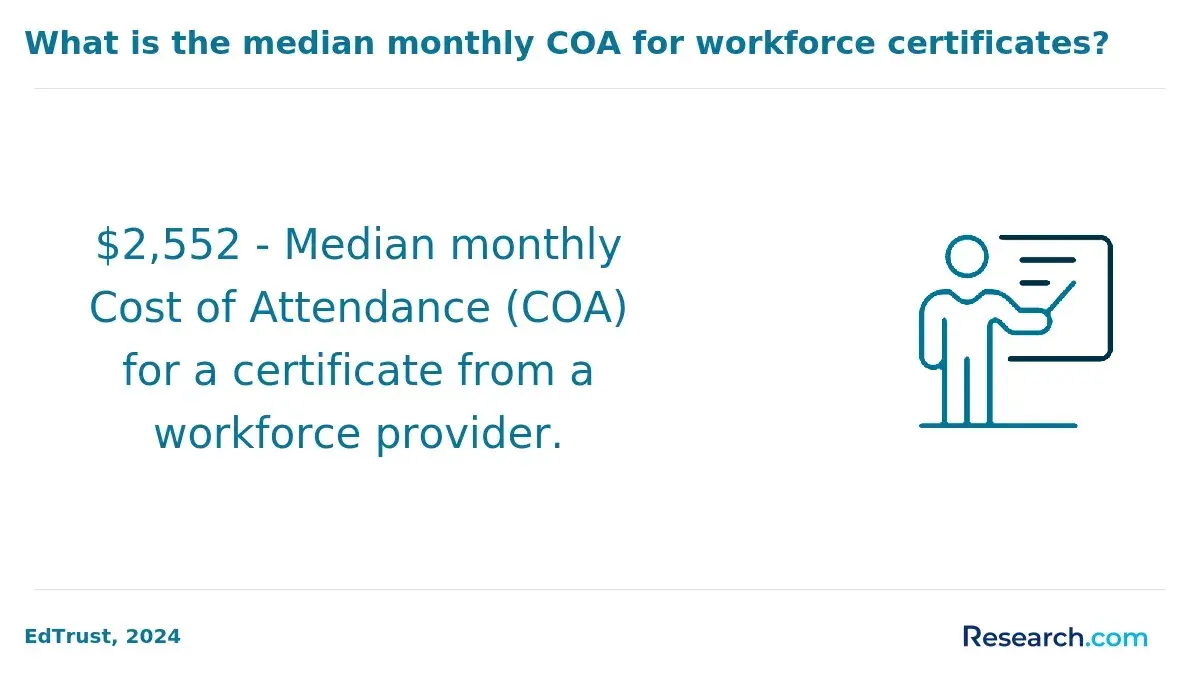
Coordinators seeking advancement must carefully weigh certification against degree pathways, as employer preferences vary significantly by industry and regional labor markets. For those targeting analyst roles, operations management certificates for analyst and supervisor career growth provide targeted skills within 6-12 months at a lower cost (often under $5,000). These certificates focus on regulatory compliance, data reporting, or business analytics practical to specific sectors like healthcare or tech.
Meanwhile, best operations management degrees for coordinator advancement-such as associate or bachelor's programs-emphasize quantitative analysis, leadership fundamentals, and workflow optimization over a 2-4 year period. Manufacturing and logistics sectors generally favor bachelor's-level credentials that integrate real-world internships and software training (e.g., ERP systems) essential for leadership readiness. Degrees tend to unlock broader promotion eligibility and yield salary growth exceeding 30% based on Bureau of Labor Statistics data.
Pragmatically, employers value certifications as proof of specialized skills but degrees offer more robust long-term career trajectories. For example, dayweek.io's data notes salaries range from $37,687-$62,860 for operations coordinators to $55,897-$130,058 for managers and up to $200,000 for COOs, illustrating the premium on advanced credentials.
Understanding this tradeoff can be aided by examining flexible educational options such as an MBA online, which blends practical experience with strategic business skills. Candidates must align their educational choices with targeted industry demands and personal time-cost constraints to optimize advancement potential.
How do online operations management programs compare with campus programs for working coordinators?
Online operations management programs provide tangible flexibility for working coordinators balancing fluctuating project demands and inconsistent schedules. Unlike campus programs-which require fixed class attendance and commuting-online formats allow professionals to maintain full-time roles without pausing career momentum. This distinction is especially relevant for sectors with variable shifts or nontraditional hours, where in-person attendance can become a logistical barrier.
Employers increasingly treat accredited online degrees on par with campus credentials when practical experience accompanies the credential, particularly in roles involving process improvement, supply chain analytics, and real-time operational adjustments. For instance, a healthcare logistics coordinator enrolled online can immediately apply updated strategies learned to ongoing workflow challenges, unlike colleagues tied to slower curricular cycles on campus.
Cost and time considerations further differentiate delivery modes. Online programs reduce expenses by eliminating travel, parking, and relocation costs, enabling faster skill acquisition and quicker transition into analyst or supervisory roles. Salary.com data cited by Youngstown State University illustrates this trajectory, with entry-level coordinators earning an average of $65,870 annually, rising to $144,591 for senior operations managers.
However, campus programs frequently offer stronger networking and mentorship through face-to-face interaction-a critical factor in manufacturing or unionized environments where relational capital and physical presence influence leadership advancement. Coordinators in remote collaboration-driven industries gain a competitive edge through online learning's digital fluency, while those entrenched in plant-based operations may find in-person immersion worth the higher logistical effort.
What operations coursework helps coordinators build data, process, and leadership skills for promotion?
Operations coursework designed for coordinators aiming at analyst and supervisor positions demands rigorous skills in quantitative analysis, process improvement, and leadership frameworks. Core areas include statistics and data analytics-focusing on interpreting complex datasets, creating actionable metrics, and employing tools such as Excel, SQL, or basic Python. These technical competencies directly affect operational challenges like inventory forecasting and pinpointing workflow inefficiencies in manufacturing or logistics settings.
Beyond data skills, process management training emphasizes methodologies like lean management and Six Sigma, enabling coordinators to drive efficiency and implement measurable improvements. For example, retail distribution coordinators applying root cause analysis can reduce order errors significantly, a necessity before stepping into supervisory functions with broader accountability.
Leadership modules covering project management, conflict resolution, and organizational behavior prepare candidates to manage teams and align operational objectives under performance demands. This balance of technical and interpersonal expertise is essential, given that supervisory roles require both process oversight and effective communication.
The U.S. Bureau of Labor Statistics projects a 21% growth in operations research analyst jobs from 2024 to 2034 with roughly 9,600 openings annually, pointing to industry demand for multidisciplinary operations skills. Prioritizing data fluency, process optimization, and leadership agility in coursework is critical for those targeting strategic roles within operations management.
What are typical salaries and earning growth for operations coordinators, analysts, and supervisors?
Median salaries for operations coordinators in 2026 range from $48,000 to $55,000, reflecting entry-level roles with modest growth potential. Analysts typically earn between $62,000 and $75,000, influenced significantly by industry and region. Supervisors command $75,000 to $90,000, with top earners in high-cost urban or tech-focused markets surpassing $100,000. These figures derive from government and industry data collected through 2025.
Demand is outpacing supply: over 50% more job openings exist than employed coordinators nationally. This gap means candidates must develop specialized skills-like data analysis proficiency, process improvement expertise, or leadership capabilities-and be flexible about location to move up quickly and negotiate better pay.
Advancement from coordinator to analyst often requires mastery of analytics tools and cross-functional communication, which can increase salaries by about 20% within a few years. Promotion to supervisor is contingent on demonstrated management success and may require additional certifications or training. Without these competencies, professionals risk stagnating despite strong hiring demand.
For example, a manufacturing coordinator who lacks Lean Six Sigma credentials may experience slower wage growth compared to peers in finance or tech who leverage analytics fluency and remote work adaptability. Geographic factors remain decisive; remote positions might offer lower pay but broader access to advanced roles without relocation.
What is the job outlook for early-career operations roles across industries like logistics and healthcare?
Early-career roles in logistics and healthcare operations management present distinctly different career dynamics despite both maintaining steady demand. Logistics coordinators typically develop foundational expertise in supply chain tracking, inventory control, and vendor relationships, positioning themselves for faster transitions into analyst or supervisory roles.
In contrast, healthcare operations coordinators must integrate regulatory compliance and patient flow optimization, which narrows lateral move opportunities but opens vertical advancement within healthcare systems given specialized knowledge requirements.
In practical terms, logistics offers broader horizontal mobility across industries, appealing to those seeking diverse exposure early on. Healthcare demands targeted education and sector-specific credentials, often resulting in slower career velocity but rewarding specialization. Employers in both sectors expect mastery of technology platforms and robust cross-functional communication skills as prerequisites for supervisory positions.
Similar patterns exist in the U.S., underscoring that early roles primarily provide critical experience rather than peak earnings. Advancement often hinges on supplemental skills-logistics professionals benefit from data analytics and process automation, while healthcare coordinators improve prospects through healthcare administration and certification.
Choosing between these paths involves evaluating the tradeoff between the broader operational flexibility of logistics and the deeper vertical specialization healthcare demands.
Are there industry certifications that help operations coordinators qualify for analyst or supervisor roles?
Credentials like the Project Management Professional (PMP) and Lean Six Sigma Green or Black Belt significantly impact an operations coordinator's transition into analyst or supervisor roles, particularly by closing gaps in leadership and analytical rigor that experience alone may not address. For example, a distribution center coordinator lacking PMP certification might face hurdles demonstrating the project leadership capacity employers expect, slowing promotion opportunities.
PMP certification validates capabilities in structured project execution and cross-functional leadership, skills especially relevant in sectors like manufacturing and logistics where managing deadlines and resources is critical. Lean Six Sigma focuses on process optimization and data-driven decision-making, aligning more directly with analyst responsibilities in healthcare administration, supply chain, or quality improvement roles.
Employers increasingly demand measurable validation of skills, with over 60% of senior operations hires holding relevant certifications. Pursuing these credentials requires notable investments of time and money: PMP involves accumulating documented project hours plus passing a challenging exam, while Lean Six Sigma emphasizes applying methodologies in workplace scenarios.
Without certification, coordinators risk stalled advancement due to employer perceptions of readiness gaps, illustrating the practical necessity of these credentials beyond theoretical knowledge.
How can coordinators choose reputable, accredited operations programs that support long-term career growth?
Prioritizing accreditation from established bodies such as the Association for Operations Management (APICS) or regional higher education commissions remains critical to ensure programs align with industry standards and employer expectations.
Programs linked to reputable universities that disclose transparent outcome data-like graduation employment rates and salary progression-offer a tangible basis to evaluate their practical value. For example, partnerships providing internships with Fortune 500 companies signal curriculum relevance grounded in workplace demands, a factor absent in many purely academic options.
Balancing technical proficiency in supply chain analytics and process optimization with essential leadership and communication skills is a necessary curriculum feature. With operations roles increasingly offered under flexible conditions, including remote or compressed workweeks, educational delivery modes that accommodate working professionals are better suited for those needing to upskill without sacrificing current job responsibilities.
Verification of certification pass rates and documented alumni career trajectories, ideally through third-party audits, differentiates programs emphasizing employability over theoretical knowledge. Sector-specific adaptability also matters-manufacturing operations require skills distinct from those needed in health services, impacting employer fit.
Cost considerations extend beyond tuition to include time investment and opportunity costs weighed against expected income growth. Engaging alumni networks via professional forums provides insight into intangible benefits such as networking efficacy and ongoing support.
Other Things You Should Know About Operations Management
In 2027, employers typically expect a combination of 2-5 years of operational experience and relevant formal education, such as a bachelor's degree, for analyst or supervisor roles. However, some companies prioritize hands-on experience and demonstrated problem-solving skills over formal credentials.
Transitioning from analyst to supervisor involves shifting from data-driven analysis to people and resource management, increasing accountability for team performance and operational output. Supervisors face heavier communication demands and conflict resolution responsibilities, often with less direct control over process details. Candidates should weigh the tradeoff of reduced analytical focus in exchange for broader leadership duties and ensure they are prepared to handle interpersonal complexity and decision-making under time pressure.
Industry-specific training tends to deliver quicker returns by aligning skills tightly with immediate job functions and employer needs, which accelerates promotion opportunities. Broad operations management credentials, while valuable long-term, may dilute focus and add coursework less relevant to day-to-day tasks. Coordinators should prioritize targeted programs when seeking near-term advancement and select broader credentials only if aiming for flexibility across industries or long-range career growth.
Coordinators must prioritize leadership skills once foundational technical competencies are secure, as supervisory roles require managing teams and influencing cross-functional workflows. Early investment in communication, conflict resolution, and decision-making training increases eligibility for supervisor roles more than incremental technical knowledge. A recommended approach is to achieve technical proficiency first, then aggressively develop leadership capabilities to align with employer expectations for upward mobility.
References
- Operations Director Career Guide: Skills and Qualifications | CCM https://www.uniccm.com/blog/operations-director-career-guide-skills-and-qualifications
- How To: Evaluating Career Growth Opportunities in a Company https://www.staffdomain.com/how-to-evaluating-career-growth-opportunities-in-a-company/
- Exploring Supply Chain Career Paths for Beginners https://www.ism.ws/careers/supply-chain-career-for-beginners/
- Investment Operations Jobs in Auckland CBD Auckland, Job Vacancies - Jun 2026 | SEEK https://nz.seek.com/investment-operations-jobs/in-Auckland-CBD-Auckland
- Operations Coordinator Certifications: Best Credentials to Advance Your Career | Teal https://www.tealhq.com/career-paths/operations-coordinator-certifications
- Online MBA in Operations Management - Swiss School of Business and Management Geneva https://www.ssbm.ch/online-mba-in-operations-management/
- Operations Analyst Job Description & Career Insights https://analyst1.com/operations-analyst-job-description/
- Operations Coordinator Career Path https://4dayweek.io/career-path/operations-coordinator
- 2026 Supply Chain Job Market: What Job Seekers Need to Know https://www.scoperecruiting.com/blog/supply-chain-job-market-2026-job-seekers
- Building Success: The Career Path of an Operations Manager - Fortix https://fortix.com/2025/07/16/building-success-the-career-path-of-an-operations-manager/