Business Operations Analyst Roles You Can Target With an Operations Management Degree

Co-Founder and Chief Data Scientist
Mid-career professionals with an operations management degree frequently confront a complex dilemma: which analyst roles genuinely align with their expertise while ensuring tangible career advancement? The Bureau of Labor Statistics reports a 12% growth in business operations analyst positions over the next decade, signaling robust demand but fierce competition. This surge stems from companies increasingly prioritizing data-driven decision-making, yet the rise of online and hybrid education options means candidates face divergent program qualities and varied employer expectations. Recognizing how different analyst roles intersect with specific skills and experience becomes essential to avoid misaligned applications and wasted effort.
This article identifies targeted business operations analyst roles suited for those holding an operations management degree, guiding readers toward choices that optimize their credentials and career trajectory.
Key Things You Should Know
- Operations management degrees prioritize quantitative skills, yet 48% of U.S. employers in 2024 report graduates lack advanced data analytics, complicating direct entry into senior analyst roles without supplemental training.
- Demand for business operations analysts grew 9% nationally from 2022-2024, per Bureau of Labor Statistics, intensifying competition and privileging candidates with internship or cross-industry project experience alongside formal degrees.
- Average cost and completion time for targeted master's programs in operations management deter 30% of prospective mid-career switchers, yielding a labor market skewed toward candidates who balance affordability with accelerated credentialing.
What does a business operations analyst do, and how does this role support organizations?
Business operations analysts play a pivotal role in translating complex datasets into targeted strategies that enhance organizational efficiency. Their responsibilities in North America often require balancing detailed technical data analysis with pragmatic business solutions, addressing sector-specific challenges rather than generic workflow adjustments. For example, manufacturing analysts may use predictive analytics to identify supply chain bottlenecks, while retail analysts develop inventory models tailored to seasonal demand fluctuations.
Key to this role is cross-functional coordination with finance, IT, and management teams to gather precise data and develop meaningful KPIs. These metrics measure tangible improvements such as resource allocation and customer satisfaction, essential for fact-based decision-making. Employers expect strong proficiency in advanced Excel, SQL, and visualization tools like Power BI, ensuring alignment between data insights and business strategy.
Professionals pursuing this career path should understand that experiential growth significantly impacts compensation, reflecting steep salary increases from junior analyst levels to senior and managerial roles. The typical earnings progression highlights practical tradeoffs: investing in operational expertise and advanced data skills is necessary to move beyond entry-level positions. For those considering educational pathways, options like a fast track project management degree online may accelerate readiness for such roles.
Understanding how business operations analysts enhance organizational efficiency requires recognizing their role in enabling strategic planning through operational constraint forecasts and scenario modeling. Their analytical work directly supports reducing cost and turnaround time, core metrics driving employer expectations.
How can an operations management degree prepare you for business operations analyst positions?
An operations management degree provides foundational skills directly aligned with business operations analyst roles by emphasizing process optimization, strategic resource allocation, and data analysis. However, these roles require applying such skills within distinct industry contexts-for example, managing patient flow in healthcare contrasts sharply with overseeing equipment uptime in manufacturing. This nuance often challenges graduates to adapt learned frameworks to sector-specific operational realities.
Students acquire quantitative expertise like statistical modeling and supply chain analytics, key competencies in the skillset gained from an operations management degree for analyst jobs. The U.S. labor market demand, reflected in over 20,000 operations analyst postings and an average salary near $82,706, confirms employer valuation of these skills combined with ERP software proficiency. Such tools help reduce errors and improve productivity, particularly in firms emphasizing performance metrics and cost control.
Despite these advantages, the degree alone may not fulfill expectations for advanced analytics or coding-intensive analyst positions. Supplementing education with relevant certifications or practical projects can bridge this gap. Success in operations management roles depends on aligning theoretical knowledge with cross-functional team collaboration and precise timing of cost decisions to sustain competitive advantage.
Those exploring pathways in this field might also consider a masters in construction management as a complementary option, especially where project logistics and resource coordination are critical.
What specific business operations analyst job titles and roles can you target with this degree?
Targeting entry-level business operations analyst positions in operations management requires recognizing the distinct demands of diverse roles such as Process Improvement Analyst, Supply Chain Analyst, Risk Management Analyst, and Management Consultant. For example, Process Improvement Analysts often operate in manufacturing or healthcare settings where workflow inefficiencies directly affect operational costs, demanding not just analytical skill but sector-specific process expertise.
The Management Consultant role commands significant attention, with about 25.8% of U.S. business operations analyst jobs concentrated in Management, Scientific, and Technical Consulting Services. This sector values consultants who combine strategic advisory capabilities with operational insight, but it also places a premium on adaptability and interpersonal skills for advising multiple clients rather than deploying within a single company.
Operational data analyst positions in technology or transportation, sometimes titled Operations Strategy Analyst or Performance Analyst, highlight the technical specialization necessary in today's data-driven decision environments. Balancing these technical and interpersonal skill requirements is a critical tradeoff when selecting which analyst path to pursue.
Students should also consider the best ways to align skill development-whether process modeling, statistical analysis, or risk assessment-with their target industry demands to improve employability. In this context, programs like online health information management degree programs CAHIIM accredited may offer complementary insights when transitioning into healthcare-related operations roles.
What core courses in an operations management program best align with analyst career skills?
Core courses aligned with business analyst roles in operations management emphasize quantifiable decision-making frameworks and cross-functional coordination. Quantitative analysis equips students with techniques for optimizing inventory or labor allocation, mirroring challenges faced in manufacturing versus service sectors. Supply chain management delivers direct exposure to vendor relations and logistics-fundamental for dissecting operational bottlenecks and cost efficiencies in real environments such as retail or production facilities.
Data analytics facilitates managing complex datasets and visualizing KPIs, skills essential for analysts tasked with translating raw operational data into actionable performance improvements. Project management reinforces planning and risk mitigation, enabling analysts to drive initiatives within multi-departmental teams.
Employers expect quick translation of these coursework skills into measurable productivity gains, reflected in a 21% employment growth projection for operations research analysts over the decade and roughly 9,600 job openings annually. Students must reconcile theoretical modeling with practical constraints like budgeting and human variables, frequently addressed through case studies. Selecting electives aimed at programming (e.g., Python) and optimization sharpens readiness for diverse industry demands across healthcare, logistics, and finance sectors.
This approach to operations management coursework aligned with business analyst roles eases entry without extensive retraining and prepares graduates to improve workflow efficiency strategically.
Exploring outlier programs such as an easiest online MBA can be a pragmatic route for students balancing work and education while enhancing operational and analytical competencies.
How do online and on-campus operations management degrees compare for aspiring operations analysts?
Online operations management degrees offer flexibility essential for professionals balancing work and personal obligations, but they often miss critical hands-on experiences that on-campus programs provide. This gap is significant when employers seek candidates proficient in applying process optimization and data analytics within real-world collaboration settings. For instance, a manufacturing analyst may benefit more from campus-based project labs that simulate supply chain complexities, while an online learner in tech-driven services can leverage asynchronous modules and virtual teamwork without geographic limits.
Direct networking opportunities on campus, including access to faculty and local industry internships, frequently accelerate job placement. Online degrees must bridge this through structured mentorship and virtual career support, emphasizing use of current software and data platforms to maintain industry relevance.
Employers expect candidates to demonstrate the practical application of operations management concepts, particularly given the projected 100,000 annual openings in management analyst roles in the U.S. This demand underscores the importance of selecting programs with robust experiential learning and industry-standard tools integration.
Students should weigh personal factors like learning style, schedule, and career objectives: Shift workers or remote learners may find online degrees reduce barriers but require strong self-motivation and proactive skill validation.Those favoring immersive environments and immediate campus resources often prefer on-campus study.
Regardless of delivery mode, ensuring curriculum alignment with evolving operational challenges remains vital to securing meaningful employment.
What admission requirements and prior experience help you enter an operations management program?
Admission to an operations management program demands more than academic credentials; practical, quantifiable skills are equally vital. A bachelor's degree in business, engineering, or related fields with a GPA near 3.0 forms the baseline. However, competitive candidates bolster their profiles with coursework in statistics, calculus, or data analysis, demonstrating the quantitative rigor employers expect.
Two to five years of relevant professional experience is common, ideally in roles focused on logistics, process optimization, or operational efficiency. For example, a manufacturing coordinator who manages production workflows or a financial analyst specializing in cost control exemplifies the applied expertise that supports the curriculum's focus on complex systems and cost reduction strategies.
Standardized test scores like the GMAT or GRE are typically required, with minimum percentile cutoffs around 50%, though some institutions waive this for seasoned professionals. Letters of recommendation should emphasize leadership and analytical problem-solving grounded in real workplace achievements. A detailed statement of purpose aligned with specific operational career goals differentiates applicants in a crowded field.
Employers in metropolitan hubs such as London currently offer median salaries near £75,000 annually for operations analysts, reflecting strong market demand. This illustrates the importance of aligning program choice with labor market trends and geographic salary premiums to ensure educational investment translates into tangible career returns.
How long does it take to earn an operations management degree, and what does it cost?
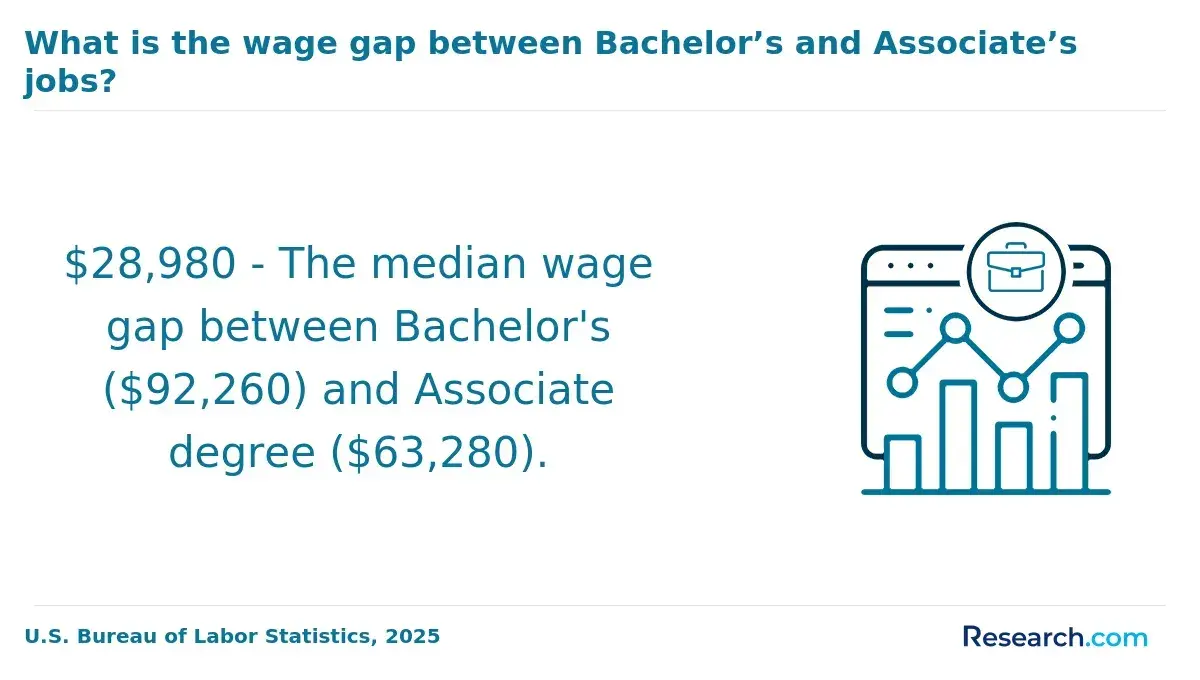
Choosing an operations management degree demands weighing significant financial and time investments against local market demand and employer expectations. Associate programs at community colleges typically cost $6,000 to $20,000 over two years, while bachelor's degrees can range from $40,000 to $120,000 and require four years, varying by institution type and residency status.
In high-paying markets like San Francisco, where business operations analysts earn about $75,950 annually, the upfront expenses may be offset by stronger employment opportunities. However, candidates must consider opportunity costs tied to time spent studying instead of working. For example, a professional contemplating a pivot might opt for an accelerated bachelor's or part-time study to balance income and education but should anticipate higher aggregate costs due to extended enrollment.
Employers in sectors such as logistics, fintech, and manufacturing prioritize analytical competencies developed through rigorous curricula covering process optimization, supply chain fundamentals, and data analysis. Beyond tuition, students should plan for ancillary costs like textbooks and technology, which can impact total investment.
Financing avenues-scholarships, employer tuition support, or federal aid-require proactive planning and affect net cost and return on investment. Evaluating programs with a clear focus on time-to-degree, net expenses after aid, and regional salary data remains essential for aligning commitments with realistic workforce outcomes in operations management fields.
What is the typical salary range and earning potential for business operations analysts?
Business operations analysts in the U.S. face a notable salary spectrum shaped by sector, experience, and organizational scale. While median earnings hover between $60,000 and $105,000 annually, the context behind these numbers is pivotal for those considering an operations management degree as a career pivot. Nonprofit organizations, for instance, offer average salaries around $76,210, with top performers exceeding $103,450, illustrating that competitive pay extends beyond corporate settings but often involves tradeoffs such as budget constraints and broader strategic responsibilities.
In contrast, positions within large healthcare or manufacturing companies tend to pay near or above $100,000 due to operational complexity and scale, rewarding specialized skills in data analytics, process improvement, or supply chain logistics. Meanwhile, smaller firms or startups may offer lower salaries closer to the $60,000 baseline but compensate with expanded roles that accelerate skill acquisition.
Geographic location also significantly affects compensation, with metropolitan and tech hubs frequently yielding 10-30% salary premiums. Candidates must weigh factors such as sector stability, role scope, and regional pay disparities. Prioritizing skill development aligned with employer expectations-particularly analytical rigor and operational innovation-can improve employability and justify the time and financial investment in operations management education.
What is the job outlook for business operations analysts and related operations roles?
The demand for business operations analysts is centered on measurable impact rather than generic qualifications. Senior roles offering salaries from $110,000 up to $155,000 reward professionals who do more than analyze data-they lead strategic initiatives that enhance operational efficiency across industries. For instance, healthcare analysts must navigate regulatory constraints while redesigning patient flow, a task that requires both technical skill and practical domain understanding.
Employers prioritize candidates who convert analytics into actionable process improvements under operational pressures. Technical proficiency alone is insufficient; communication, adaptability, and cross-functional fluency are essential. This means educational programs lacking applied learning, internships, or leadership development rarely prepare students for real workplace demands.
Those weighing operations management degrees should consider several tradeoffs:
- The gap between theoretical coursework and real-world problem-solving often undermines immediate employability.
- Programs emphasizing case studies linked to specific sectors can ease transition into niche roles.
- Developing management skills alongside analytical techniques broadens career progression beyond entry-level roles.
Compensation varies by role and experience but shows significant upward mobility for those assuming leadership responsibility, with lead analysts earning around $135,000. Practical exposure to diverse business functions is crucial to meet these expectations and mitigate the friction that late-career pivots often entail.
Which certifications or technical skills strengthen your resume for business operations analyst roles?
Business operations analysts must integrate targeted certifications and technical skills to meet employer expectations for measurable impact. Credentials such as Certified Business Analysis Professional (CBAP), Certified Supply Chain Professional (CSCP), and Lean Six Sigma Green or Black Belt signal proficiency in process optimization and data-driven decision-making that go beyond general business knowledge.
Technical expertise in SQL, Excel (including Power Query and VBA), and visualization tools like Tableau or Power BI is essential for interpreting complex data and improving workflows. For instance, a manufacturing analyst applies Six Sigma techniques to reduce defects and downtime, whereas a finance analyst leverages advanced Excel modeling alongside financial software platforms. These practical capabilities directly affect the ability to forecast operational outcomes and streamline processes.
Proficiency with ERP software such as SAP or Oracle matters significantly in organizations reliant on integrated system management. Growing demand for programming skills in Python or R reflects a shift toward scalable automation of analytic tasks and enhanced performance tracking.
Given that over 86,794 business operations analysts are employed in the U.S., with women representing nearly half of this workforce but earning slightly less than their male counterparts, the competitive landscape emphasizes the strategic value of hybrid technical and analytical competencies. Achieving these qualifications enhances credibility and access to roles where data-driven, operational contributions define career progression.
Other Things You Should Know About Operations Management
Specializing in a niche such as supply chain, logistics, or process optimization can distinguish you in competitive markets and match specific employer needs. However, broad skills in data analysis, project management, and cross-functional communication often increase flexibility and opportunities across industries. Prioritize specialization if targeting employers with well-defined roles; choose breadth if expecting to adapt or pivot across multiple operations functions.
Employers expect business operations analysts to combine technical proficiency with solid business judgment. While advanced analytics and software skills are essential, decision-making that aligns with strategic business goals carries equal weight. Focus on programs and experiences that integrate operations data analysis with practical business outcomes over purely technical training to meet these combined expectations.
Hands-on experience through internships or projects has a stronger impact on employability and skill development than coursework alone. Employers assess candidates based on demonstrated ability to analyze and improve real operations situations. Students should prioritize practical opportunities that supplement academic knowledge, as this directly translates to job readiness and business decision-making confidence.
References
- What is a Operations Analyst? - Career Insights | Teal https://www.tealhq.com/career-paths/operations-analyst
- What does a Business Operations Analyst do? Career Overview, Roles, Jobs | MNP https://jobs.marylandnonprofits.org/career/business-operations-analyst
- Master Operations Online: Your Guide to an MBA in Operations Management https://matchtocollege.com/blog/online-mba-operations-management-master-your-future
- Business Analyst Salary in Poland - Itentio IT Recruitment Agency in Poland - itentio.com https://itentio.com/blog/business-analyst-salary-in-poland/
- What Business Analysis Jobs Are Available? | Knowledge Train https://www.knowledgetrain.co.uk/business-analysis/business-analyst-course/jobs-in-business-analysis
- How Long Does It Take to Get a Business Management Degree? | University of Phoenix https://www.phoenix.edu/blog/how-long-does-it-take-to-get-a-business-management-degree.html
- Operations Analyst Career Path https://4dayweek.io/career-path/operations-analyst
- Sales Operations Analyst Job Description https://hatch.team/articles/sales-operations-analyst
- How to become a business operations manager | edX https://www.edx.org/become/how-to-become-a-business-operations-manager
- Achieving Success in Your Operations Career: How to Build a Rewarding Professional Path - Mangrum Solutions https://mangrumcareersolutions.com/blog/achieving-success-in-your-operations-career-how-to-build-a-rewarding-professional-path/