2027 Operations Roles Growing Fastest in Healthcare and Technology

Co-Founder and Chief Data Scientist
Struggling to stay competitive as healthcare and technology sectors undergo rapid operational shifts, professionals face complex demands for efficiency and adaptability that traditional credentials often fail to address. The U. S. Bureau of Labor Statistics projects employment in operations roles within these industries to grow over 10% in the next five years, signaling urgent demand for specialized skills. Meanwhile, National Center for Education Statistics data shows a 25% increase since 2023 in working adults enrolling in flexible, online operations management programs, reflecting a shift toward accessible, career-aligned education. This article examines emerging trends shaping operations roles' growth and guides strategic education choices to match evolving workforce expectations.
Key Things You Should Know
- Healthcare operations roles grew 12% from 2023 to 2025, outpacing tech's 8%, partly due to regulatory complexities driving demand for managers who balance compliance costs with efficiency, pressuring hiring budgets.
- Technology firms increasingly prefer candidates with hybrid analytics and operations management skills, intensifying competition and raising minimum qualifications, complicating workforce entry for traditional operations graduates.
- Advanced credentials in operations management now require 20% more upfront investment and 18% longer completion times, delaying workforce entry and forcing candidates to weigh opportunity costs versus salary premiums.
Which operations roles are growing fastest in healthcare and technology today, and why?
The fastest growing operations management roles in healthcare prioritize expertise in managing the logistical complexity unique to clinical environments. Healthcare support management positions, expanding at over 15%, demand fluency in regulatory compliance such as HIPAA, patient flow coordination, and supply chain agility within hospitals and outpatient centers. This track diverges significantly from technology roles, highlighting a workforce challenge: healthcare operations specialists must integrate clinical constraints with operational efficiency measures to maintain care quality amid rising patient volume.
In contrast, the top technology operations management jobs expanding today focus on cloud infrastructure and cybersecurity operations, driven by risks of cyber threats and the need for scalable, reliable IT systems. These roles require continuous upskilling in IT service management frameworks and automation to enhance incident response and system availability under strict governance.
For professionals transitioning into these paths, the decision weighs the nature of domain-specific knowledge against operational fundamentals. Healthcare roles require deep familiarity with medical workflows, whereas tech operations demand rapid adaptation to evolving IT landscapes. Educational routes offering certifications that blend operations principles with industry regulations deliver tangible employability value but can vary widely in how well they address these distinct needs.
Those evaluating these fields should also explore targeted options such as best accelerated project management degree programs online that cater to practical, industry-specific skills aligned with these fastest growing operations management roles in healthcare and technology sectors.
What does an operations career in healthcare or technology involve day to day?
Operations roles in healthcare IT demand nuanced coordination of complex systems where compliance and uninterrupted patient data access are paramount. A typical workday may involve resolving interoperability challenges between legacy software and emerging cloud solutions while ensuring no breach of HIPAA regulations occurs. Daily responsibilities in healthcare operations roles extend beyond technical troubleshooting to include managing regulatory reporting and guiding health information technology staff, underscoring the careful balance required between technology integration and clinical priorities amid an expected 15% job growth through 2034.
Meanwhile, technology operations careers center on managing rapid development cycles, vendor relationships, and infrastructure scalability. Typical tasks include aligning agile workflows with release schedules and minimizing downtime-pressures that contrast with healthcare's emphasis on sustained uptime and rigorous compliance. This sector-specific difference results in distinct workflow demands and skill sets that candidates need to master.
Professionals in both sectors face tradeoffs: healthcare operations prioritize risk mitigation and data security against innovation speed, while tech operations emphasize flexibility and market responsiveness at the cost of increased volatility. This dynamic environment requires continuous skill updates and sector-specific certifications to remain effective.
Those considering a pivot to or advancement within operations should evaluate educational pathways carefully. For example, an online masters in construction management can provide relevant project and resource coordination skills applicable across industries.
- Daily responsibilities in healthcare operations roles often demand balancing compliance with operational continuity.
- Technology operations career typical tasks require swift adaptation to evolving software development and infrastructure needs.
Which degrees best prepare you for operations roles in healthcare and tech?
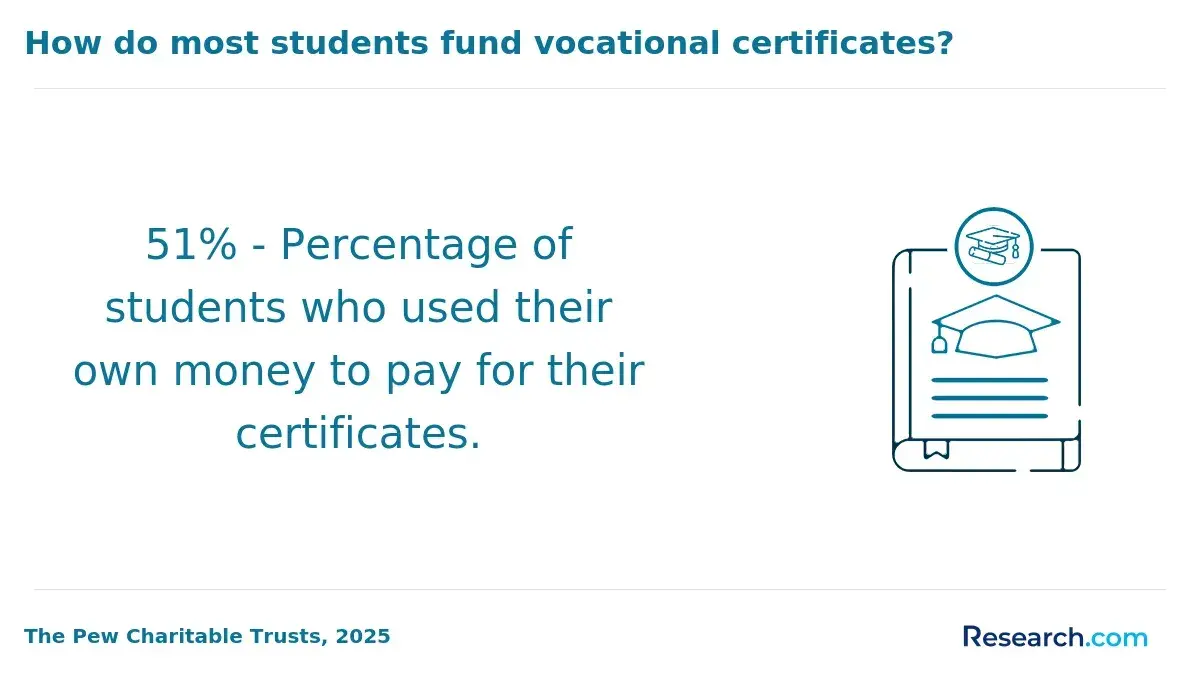
Bachelor's degrees in healthcare administration, information technology, and business administration each serve distinct operational roles within healthcare and technology fields. For healthcare operations roles, a healthcare administration degree directly addresses compliance standards such as HIPAA and electronic health record (EHR) systems, reflecting employer demands for regulatory and clinical workflow expertise. In contrast, tech-centric operations management roles require proficiency in coding, cloud infrastructure, and cybersecurity certifications, typically aligned with IT or computer science programs.
Business administration degrees underpin cross-functional skills like process optimization and supply chain logistics but often fall short in delivering sector-specific technical fluency, a gap that can limit advancement in specialized healthtech companies. Hybrid roles incorporating clinical insight with technical know-how increasingly favor interdisciplinary health informatics or technology management programs, which bridge operational gaps between clinical needs and software development cycles.
Practical hiring trends advise candidates toward programs with tangible real-world exposure, especially internships focused on project management within healthtech environments. Mastery of data science tools, cybersecurity protocols, or healthcare regulations strengthens operational readiness and adaptability in a field projected by Lightcast to reach $70 billion by 2029.
Students evaluating the best degrees for technology operations management should also consider affordability and program accessibility, such as options from HIM degree online providers, which can offer flexible pathways to certifications and roles combining healthcare and IT competencies.
How do online operations management programs compare with campus-based options for these fields?
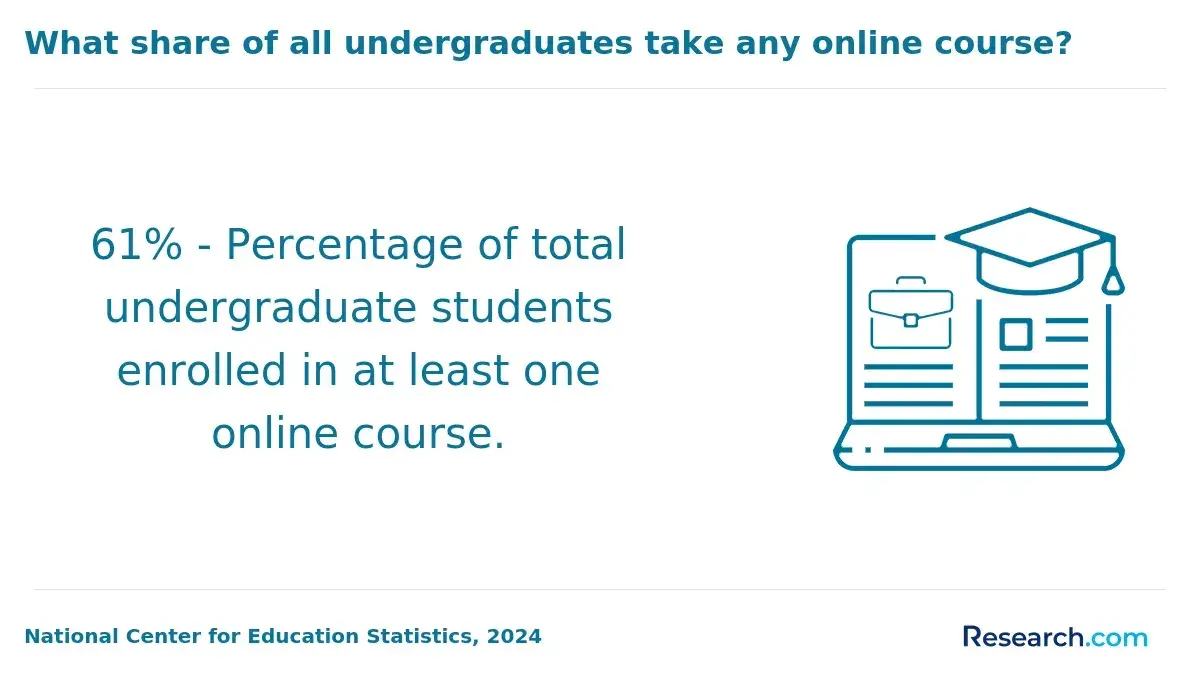
Online operations management programs increasingly rival traditional campus-based degrees in flexibility and targeted applicability, particularly for healthcare IT-a sector projecting workforce growth from 47,000 to 71,000 by 2030 at a 7.1% compound annual growth rate. For professionals balancing full-time roles, online formats accommodate accelerated progress and scalability more readily than fixed campus schedules, fitting operational realities in healthcare and technology sectors. This makes them especially attractive for working adults prioritizing time and location flexibility.
However, online programs require strong self-discipline and time management to master complex tools and methodologies without the immediate guidance typical of campus environments. Campus-based learning provides structured settings and richer networking, valuable for early-career students or those focused on regional healthcare markets where access to local internships and face-to-face collaboration remains critical.
Online operations management programs vs campus-based degrees also differ in content currency: online curricula often integrate real-time simulations and virtual labs reflecting current healthcare challenges more responsively than campus courses, which may suffer administrative lag. Employers increasingly validate online credentials provided they are rigorous and complemented by hands-on projects or certifications aligned to workforce trends.
Choosing between technology operations management degrees online compared to traditional options hinges on one's role, mobility, and learning style. Candidates committed to remote or accelerated study should explore options like accelerated MBA programs tailored for industry relevance.
What courses and skills should an operations management curriculum include for healthcare and tech careers?
Operations management curricula aimed at healthcare and technology sectors must balance advanced analytics with regulatory and practical skills to meet diverse employer expectations. The rise of AI roles-growing over 24% in India's healthcare sector with associated 15-20% salary increases-signals a clear need for workforce analytics and operational familiarity with AI-driven systems, especially for approximately 23% of hospital staff affected by these changes. This realignment requires students to interpret complex data and apply it to optimize staffing and patient outcomes.
Beyond analytics, integration of healthcare-specific legal and ethical training, particularly around HIPAA compliance, is non-negotiable due to the direct operational and financial risks of breaches. Concurrently, tech-focused operations professionals must be proficient in supply chain management platforms, cloud infrastructure, and cybersecurity practices to ensure stable, secure delivery in rapidly evolving environments.
Emphasizing Lean Six Sigma and Agile methodologies prepares students to handle volatile conditions-such as coordinating resource allocation during public health emergencies or embedding AI diagnostic tools into existing IT frameworks-where communication and cross-departmental collaboration are critical.
This curriculum design must also incorporate hands-on projects in data visualization and simulation to avoid producing graduates who cannot translate technical outputs into actionable leadership decisions. The challenge lies in aligning comprehensive data fluency with operational pragmatism to equip students for workforce transformation pressures in health systems and tech enterprises.
How long do operations-related degree and certificate programs take, and what do they cost?
Choosing an educational pathway in operations management demands careful balancing of time, cost, and long-term employability. Certificate programs, typically spanning 6 to 12 months and costing between $3,000 and $10,000, offer rapid entry points into roles such as healthcare operations coordinators or technology project support. However, these credentials often face limited recognition for advancement beyond entry-level positions.
Associate degrees usually require two years and $10,000 to $25,000, primarily at public community colleges. They provide foundational business and workflow skills relevant to logistics or analyst roles but may still fall short for upper management tracks. By contrast, bachelor's degrees, with four-year commitments costing $40,000 to $100,000, are increasingly preferred for leadership roles across healthcare and technology sectors. These programs delve deeper into supply chain analytics, process improvement, and strategic planning.
For mid-career professionals aiming to move into healthcare operations leadership, the investment in a bachelor's degree-often around $75,000-can unlock access to higher-tier roles not typically available to certificate holders. Meanwhile, rapidly expanding sectors like ambulatory care, projected by Altarum to add 1.2 million jobs by 2034, heighten the value of healthcare-specific operations skills integrated within these programs.
- Certificates: quick and lower cost but limited upward mobility
- Associates: solid entry with moderate investment but limited managerial access
- Bachelor's degrees: longer and costlier but key for leadership positions
Ultimately, students and professionals must weigh program length, financial outlay, and workforce data carefully to align educational choices with realistic career ambitions.
What are typical salaries and advancement paths for operations professionals in healthcare and technology?
Operations professionals in healthcare and technology face distinctly different career trajectories shaped by sector-specific demands and growth patterns. For example, health information technologists and medical registrars earned a median annual wage of $67,310 as of May 2024, with a strong 15% projected employment growth through 2034, according to the U.S. Bureau of Labor Statistics Occupational Outlook. This signals robust opportunities in data-focused healthcare roles but requires integrating clinical knowledge with regulatory compliance-a combination that influences both salary and advancement.
Advancement typically involves a 3-7 year progression from entry-level analyst to management, often tied to certifications in health informatics, project management, or technology tools. In technology operations, faster salary growth-ranging from $75,000 to $120,000 for mid-level roles-and quicker paths to executive positions are common in startups, yet this comes with income variability linked to funding cycles.
Key tradeoffs between these industries include:
- Healthcare roles prioritize stability and structured salary bands but demand in-depth regulatory and clinical expertise.
- Tech operations emphasize agile methodologies, cross-functional leadership, and offer higher but less predictable income.
Certifications aligned with sector standards and active networking inside professional organizations materially improve negotiation leverage and role expansion potential. Neglecting these elements, despite technical skill, can bottleneck upward mobility in either sector.
How strong is the job outlook for operations roles in healthcare systems and tech companies?
Operations roles in healthcare and technology increasingly demand a hybrid of technical and domain expertise, with tangible impacts on employability and career trajectories. In healthcare, professionals must bridge clinical workflows and digital systems, balancing regulatory compliance and patient data security. For instance, operations managers scaling telehealth programs juggle IT integration alongside vendor contracts and clinical scheduling, making stakeholder communication and risk mitigation non-negotiable skills.
Healthcare software engineers earn salaries averaging $104,000 annually, signaling a premium on those who can optimize complex health IT infrastructures. However, this often requires certifications in healthcare compliance and project management to align with employer expectations and regulatory environments.
Tech companies focus on scalable cloud infrastructure, agile methodologies, and supply chain coordination, where operational analytics experience provides a competitive advantage amid intense recruitment. The distinction here lies in agility and cross-functional team leadership rather than domain-specific regulation.
Professionals seeking a pivot or advancement must weigh these sector-specific demands. Upskilling in healthcare-specific platforms or compliance contrasts distinctly with agile operations and cloud proficiency in tech, shaping divergent career pathways. Employers prioritize demonstrable process improvements that reduce costs and enhance service quality, emphasizing practical, measurable outcomes over theoretical knowledge.
How can students verify accreditation and industry recognition of operations management programs?
Employers in healthcare and technology sectors increasingly prioritize operations management candidates who have program credentials verified by recognized regional accreditors, not just national accreditation. This difference is critical because industry hiring often reflects compliance, quality, and regulatory rigor that generic accreditations may overlook. For instance, healthcare systems value graduates from programs incorporating compliance training and health informatics alongside operational skills, while tech firms might emphasize agile project management expertise within operations roles. These distinctions affect access to internships, hiring pipelines, and specialized certifications.
Prospective students should verify accreditation through reliable sources like the U.S. Department of Education's accreditation database and cross-reference institutional claims to avoid misleading information. Programs with endorsements from professional bodies such as the Association for Operations Management provide more targeted relevance to evolving industry expectations.
The integration of AI in healthcare operations-impacting roughly 23% of the workforce according to TeamLease Digital-further narrows employer preferences toward candidates trained in AI-driven digital transformation. Hiring managers often demand transparent post-graduation outcomes centered on job placement in roles applying these competencies rather than simple degree completion metrics.
Tradeoffs in program duration, cost, and delivery format should be weighed carefully in relation to sector-specific demands. A practical evaluation might mean choosing a healthcare-focused curriculum emphasizing compliance over a more general tech operations program if aiming for certain healthcare employers.
What certifications or professional credentials strengthen operations careers in healthcare and tech?
Certifications in operations roles demand a pragmatic balance between specialization and versatility, as credential overload can dilute practical value. In healthcare, designations like Certified Professional in Healthcare Quality (CPHQ) and Certified Medical Manager (CMM) provide tangible evidence of skills crucial for managing patient flow, regulatory adherence, and financial oversight. With the U.S. healthcare sector adding roughly 1.9 million jobs annually through 2034-well above the 4% labor market growth rate-these credentials serve as differentiators in a crowded market.
For technology operations, credentials such as Project Management Professional (PMP) and Certified ScrumMaster (CSM) validate core competencies in agile methodologies and risk mitigation. For example, a tech operations manager holding PMP certification can streamline software development projects, improving delivery timelines and budget control.
Decision-makers should weigh the alignment of certifications with targeted job functions and employer expectations, noting that some prioritize regulatory compliance while others emphasize strategic planning or technical agility. The tradeoffs include time, financial cost, and potential redundancy. Employers increasingly seek candidates who demonstrate operational expertise tailored to sector-specific demands rather than generic credentials.
Professionals pursuing credentials should consider these factors to enhance employability without overextending resources or acquiring skills disconnected from immediate job requirements.
Other Things You Should Know About Operations Management
In 2027, essential skills for operations roles in healthcare and technology include data analysis, process optimization, and expertise in digital tools. Knowledge of AI and machine learning is crucial, as well as strong communication and problem-solving abilities to manage complex systems and ensure efficient operations.
Employers in healthcare expect operations managers to have strong compliance and regulatory knowledge, alongside process efficiency skills, due to strict patient safety and privacy standards. In technology, the emphasis is on agility, data-driven decision-making, and lean project management methodologies that support fast-paced innovation cycles. Understanding these sector-specific priorities upfront guides candidates to tailor their skills and credentials to meet employer demands effectively in each field.
Full-time graduate degrees offer comprehensive theory and networking but require significant time away from the workforce, which can disrupt income and practical experience. Part-time and certificate programs maintain employment continuity and allow immediate skill application but may lack depth and limit exposure to broad concepts or leadership development. Candidates should prioritize program format based on their current career stage, financial situation, and immediate versus long-term career goals.
Operations management roles frequently involve variable workloads, with high-intensity periods tied to project deadlines, technology rollouts, or regulatory audits, especially in healthcare. Professionals should prepare for extended hours during these peak times and develop time management skills to balance routine tasks with crisis response. Setting realistic expectations about workload variability helps reduce burnout risk and supports sustainable career growth.
References
- Hospital Operations Management : How Hospitals Actually Function Day to Day https://rihsedu.com/hospital-operations-management-daily-functioning/
- The Role of a Clinical Operations Manager https://www.heyhealthtech.com/blog/the-role-of-a-clinical-operations-manager
- Executive Certificate in Operations Management and Supply Chain https://gtf.pt/en/oper-management
- The Fastest Growing Jobs in Finance and Healthcare & How to Get Them | UMGC https://www.umgc.edu/blog/fastest-growing-jobs-finance-healthcare-and-how-to-get-them
- Fastest-growing industries and most in-demand jobs in 2026 https://www.candycv.com/reports/fastest-growing-industries-and-job-opportunities-analysis-and-in-demand-roles-22
- Accreditation EFMD - Warsaw University of Technology Business School https://biznes.edu.pl/en/executive-mba-en/accreditation-efmd/
- What to Expect When You Work in Healthcare | 360training https://www.360training.com/blog/working-in-healthcare
- Healthcare Management Salary and Career Information | MSU Online https://www.michiganstateuniversityonline.com/resources/healthcare-management/reasons-to-choose-a-career-in-healthcare-management/
- Master Operations Online: Your Guide to an MBA in Operations Management https://matchtocollege.com/blog/online-mba-operations-management-master-your-future
- Online MBA in Operations Management: Review Top Schools https://www.onlinemastersdegrees.org/best-programs/mba-programs/operations-management/