2027 Best Online Master's in Operations Management for Service Operations Leadership

Co-Founder and Chief Data Scientist
Facing the challenge of advancing to leadership roles within service operations amid tightening schedules and shifting workforce demands puts many professionals at a crossroads. Traditional graduate programs often clash with ongoing job commitments, limiting upward mobility. The National Center for Education Statistics reports a 17% increase in enrollment among working adults in online graduate programs since 2023, signaling a shift toward more accessible, flexible learning models that accommodate complex career paths.
This shift reflects growing recognition that time efficiency and program adaptability directly influence career transitions and leadership readiness in operations roles. This article evaluates the best online master's in operations management for service operations leadership, helping readers identify programs aligned with their career goals and scheduling constraints.
Key Things You Should Know
- Supply chain digitization investment rose 22% in 2025, pushing demand for leaders proficient in both data analytics and service ops, but graduates lacking AI integration skills face narrower job prospects.
- Employers report 34% higher retention when service operations leaders possess cross-functional project experience; thus, candidates emphasizing only theoretical models risk slower career progression, SHRM data shows.
- Median program cost surged 18% since 2023, with part-time online options reducing opportunity cost but extending time-to-completion by 30%; balancing investment versus timely career pivot is critical according to NCES statistics.
What is an online master's in operations management with a focus on service operations leadership?
Service operations leadership demands a distinct skill set from manufacturing-centric operations management, focusing on variability in customer demand and workforce coordination. An online master's degree in operations management for service leadership roles trains professionals to optimize intangible assets across complex service environments such as healthcare, hospitality, and financial services. For instance, a healthcare administrator might prioritize patient flow and staff allocation, while a retail banking manager could streamline customer support and digital channels.
Core curriculum elements include service quality management, lean techniques adapted to service contexts, and strategic leadership for continuous improvement. This specialized training addresses real operational challenges, including technology integration and data-driven decision-making, crucial for sustaining efficiency in service-centric organizations. Choosing service operations leadership online master's programs offers flexibility for working professionals but requires careful evaluation of experiential learning opportunities like simulations and case studies, as limited practical engagement can hinder skill application and networking.
Labor market data from the Bureau of Labor Statistics project 1.2 million yearly openings for managers, revealing stable demand for operations leadership expertise. Graduates prepared in service operations leadership align with employer expectations to lead diverse teams and implement service efficiency initiatives, improving both customer experience and operational agility. Prospective students should leverage resources like this online project management degree overview to compare program affordability and outcomes within related operational fields.
How does an online operations management master's compare to an on-campus program for working adults?
Online master's in operations management flexibility for working adults directly addresses the tension between advancing education and managing full workweeks or shift schedules. For a supply chain manager juggling multiple projects, asynchronous online courses reduce the need for fixed class times, cutting opportunity costs like commuting and unpaid time off. These practical tradeoffs often outweigh the in-person networking advantages of on-campus programs, which remain beneficial for candidates seeking robust local industry connections.
The perception gap between online and on-campus degrees is narrowing as employers increasingly value program accreditation, case-based projects, and leadership skill development over delivery format. Nevertheless, online students must compensate for reduced face-to-face interaction by actively engaging in virtual cohorts, webinars, and professional associations to build industry traction.
Operations managers holding master's degrees, irrespective of format, report significant salary premiums; the Bureau of Labor Statistics notes an average annual salary of $129,330 for general and operations managers as of May 2023. Programs that incorporate simulations and industry partnerships enhance job readiness comparably across both formats.
Time-to-degree and total costs diverge between formats, with many online options enabling accelerated pacing that can minimize workforce absence and financial strain. Those considering specialized pathways may also explore related fields, such as the 2 year construction management degree, which shares operational leadership principles but targets distinct industry contexts.
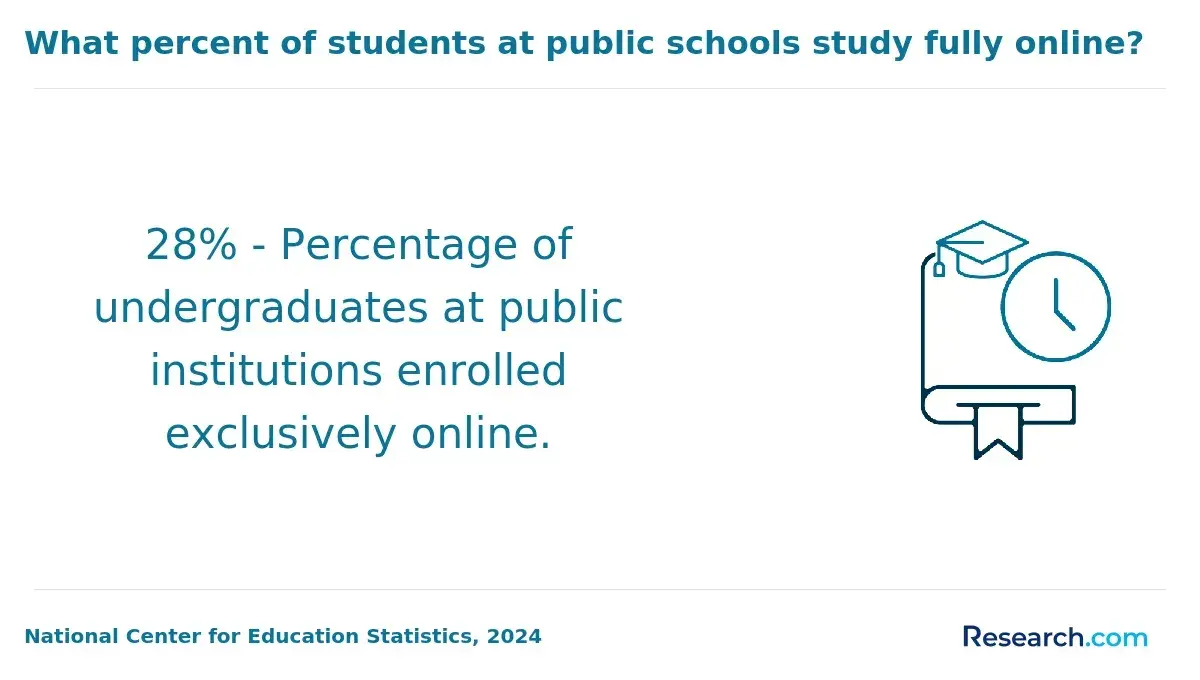
Which accredited schools offer the best online master's in operations management for service leaders?
Service operations leadership demands specialized competencies distinct from traditional manufacturing operations management, primarily in sectors like healthcare, hospitality, and financial services. Employers increasingly require candidates familiar with lean management, Six Sigma, and advanced analytics adapted to service environments characterized by demand variability and customer experience optimization. This shift narrows viable online master's pathways to those emphasizing service-driven project management over generic operations frameworks.
Top accredited schools offering online master's degrees in operations management for service leaders, including Arizona State University, Northeastern University, and the University of Maryland, have tailored curricula integrating quantitative methods with strategic leadership specifically aligned to service sector challenges. These programs focus on real-time process improvement and operational agility, crucial for roles responsible for staffing complexities and customer-facing workflows.
According to Mastersportal data from 2024, the availability of 49 distinct online master's degrees in operations and quality management reflects a competitive but specialized market. Prospective students should weigh program accreditation and outcomes carefully, prioritizing those with experiential learning like live case studies, partnerships with service firms, and capstone projects targeting service quality improvements. Such features enhance workforce readiness by addressing practical trade-offs between broad operational knowledge and service-specific leadership skills.
Those considering extensive healthcare administration roles might also investigate advanced credentials such as a doctorate of healthcare administration, which further aligns with service operations leadership within critical care environments.
What admission requirements and prior experience are needed for an online operations management master's?
Admission to an online master's in operations management hinges heavily on relevant industry experience and academic preparation, rather than just meeting minimum GPA thresholds. While a bachelor's degree with a 3.0 GPA or higher is typical, programs often prioritize candidates with 2 to 3 years in roles such as supply chain, logistics, or process improvement, reflecting employer demand for practical skills. For instance, healthcare administrators must demonstrate understanding of operational workflows, while manufacturing professionals should provide evidence of hands-on production management.
Standardized tests like the GRE or GMAT are frequently waived if applicants present strong quantitative capabilities through prior coursework or certifications such as Six Sigma or PMP. This flexibility acknowledges working professionals balancing full-time jobs; for example, the University of Alabama's program requires 30 credit hours completed over 18 to 24 months, emphasizing steady progress over accelerated completion. Such tradeoffs impact scheduling and financial planning for those evaluating online operations management master's admission criteria.
Admissions also weigh letters of recommendation centered on leadership and project outcomes, aligning with employer expectations that graduates will lead operational improvements. Applicants often benefit from articulating how their operational challenges map to the curriculum's strategic focus. For students seeking a faster return on investment, consulting the fastest MBA program list may reveal alternative accelerated pathways suited to their career pivot.
In summary, prior experience requirements for online operations management programs effectively serve as a gatekeeper, ensuring that candidates possess the practical foundation necessary to maximize learning outcomes and meet workforce expectations.
What core courses and specializations are included in service-focused operations management curricula?
Effective service-focused operations management programs demand a balance of quantitative rigor and contextual understanding of intangible goods delivery. Core coursework centers on process design, service quality, and supply chain analytics-tailored not to physical products but to customer interactions and service variability. This focus addresses real challenges in sectors like healthcare, hospitality, and finance, where unpredictable demand and compliance issues prevail.
For instance, healthcare operations leaders require expertise in patient flow optimization and regulatory adherence, supported by studies in healthcare systems engineering and risk management. Conversely, hospitality managers benefit from mastering customer experience design and leveraging real-time service performance data, illustrating how specialization directs skill development toward distinct operational realities.
Applicants must negotiate rigorous admissions criteria-such as Kettering University's minimum 3.0 GPA threshold for entry and 2.5 for provisional acceptance-to secure access to programs that integrate analytics with workforce and technology strategies. This selectivity correlates with employer expectations for graduates who combine data-driven decision-making capabilities with an understanding of human factors shaping service delivery. Graduates who meet these requirements are better positioned to navigate cross-functional teams and complex service environments.
Key emphases include:
- Workforce scheduling optimization essential to service consistency
- Technology integration focused on enhancing service delivery efficiency
- Strategic frameworks preparing students to lead in high-variability contexts
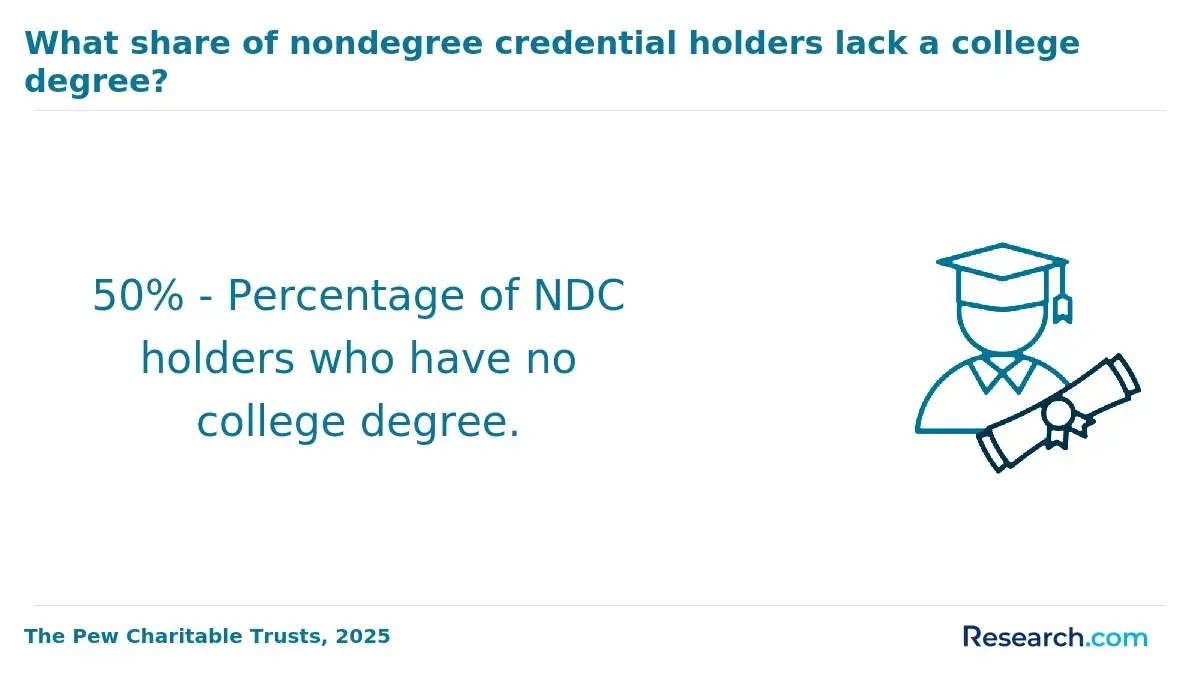
How long does an online operations management master's take and what does it cost?
Completing a master's degree in operations management online requires balancing time and workload against career demands, with programs typically spanning 18 to 24 months full-time or up to 36 months part-time. Accelerated tracks condense the curriculum into about 12 months, demanding substantial time investment that may challenge working professionals, especially those in fast-paced roles lacking employer flexibility.
Most degrees involve 30 to 36 credit hours, roughly 10 to 12 courses, with tuition costs ranging broadly from $20,000 to $50,000, reflecting variations like public versus private institutions, residency status, and included career support. Working professionals should weigh the impact of program length and cost on their immediate earnings and long-term employability, as extended programs might delay critical promotions.
Test requirements are a significant barrier for many mid-career entrants. Programs without GRE or GMAT mandates-such as the Master of Science in Operations & Project Management at JWU Online-offer faster acceptance routes. This is practical given workforce data indicating employers increasingly prioritize demonstrated leadership and applied skills over standardized test scores during hiring decisions.
What careers can graduates pursue with an online master's in service operations management?
Leadership roles fueled by an online master's in service operations management demand expertise in balancing efficiency, cost, and responsiveness across varied settings. For instance, a purchasing manager in healthcare must oversee supplier contracts and maintain critical medical inventory while navigating emergencies and budget constraints. This role typifies how advanced training in service operations directly translates to managing complex, high-stakes resources.
Key career paths include service operations manager, supply chain analyst, procurement manager, and logistics coordinator, each requiring nuanced skills in process optimization and stakeholder coordination. Yet, these positions involve navigating tradeoffs such as shifting vendor reliability, regulatory compliance, and aligning diverse operational goals in rapidly changing environments.
Employers prioritize candidates with hands-on experience in quantitative analysis, technology integration, and continuous improvement methodologies. Graduates without these competencies may face barriers to attaining senior roles. Moreover, transitioning between industries often necessitates acquiring additional domain-specific knowledge beyond the degree.
The field demands strategic mindset and adaptability:
- Problem-solving tailored to sector-specific challenges
- Managing operational complexity amid fluctuating demand
- Balancing competing stakeholder priorities under time constraints
According to 2024 figures, purchasing managers earn an average salary around $131,350, illustrating financial potential tied to specialized operations expertise.
What salary ranges and advancement opportunities exist for service operations management professionals?
Salary trajectories in service operations management reveal significant variation based on industry, location, and organizational scale. Mid-level management roles in healthcare hover near $85,000 annually, while logistics leadership in utilities frequently surpasses $100,000. These differences reflect sector-specific operational demands and regulatory complexities, which directly impact compensation ceilings and job stability. Advancing beyond middle management requires developing expertise in data-driven decision-making and mastering cross-functional leadership, with a realistic timeframe of 5 to 7 years to reach senior director or vice president levels. A strategic shift toward technology-such as integrating AI for resource allocation-can accelerate this path.
Reaching executive remuneration levels, like Chief Executive median pay around $189,520, demands more than operational competence. It requires broadening skill sets to include strategic vision, negotiation across industries, and risk management at scale. Many professionals transition into C-suite roles through lateral moves into profit and loss accountability or client-facing strategic positions, not solely through hierarchical promotion.
Key factors influencing career planning in this field include geographic mobility and sector experience, with financial services and manufacturing presenting divergent operational challenges. Continuous upskilling in emerging technologies and leadership methods remains essential to sustain competitive positioning and expand advancement windows.
- Mid-level operations manager salary: approximately $85,000 in healthcare services
- Senior leadership pay hitting $100,000+ in utility logistics
- Chief Executive median salary near $189,520
- Typical timeline to senior roles: 5-7 years with data-driven and leadership skills
- Critical advancement drivers: technology integration and cross-industry negotiation
How can students verify accreditation and program quality for online operations management degrees?
Accreditation verification directly affects the tangible value of an online MBA in operations management, especially when tuition can exceed $800 per credit hour. Employers and federal aid programs rely on recognized agencies like the Higher Learning Commission (HLC) or the Accrediting Council for Business Schools and Programs (ACBSP) to validate a program's legitimacy. Without this, credits may not transfer, and degrees often carry limited weight in hiring decisions.
Beyond formal approval, evaluating curriculum alignment with industry standards-such as the Certified Supply Chain Professional (CSCP) certification-reveals whether coursework prepares graduates for current operational challenges. For example, programs lacking updated content on emerging supply chain technologies or service operations leadership risk leaving students behind market demands despite a significant financial investment.
Prospective students should also demand transparency in graduation rates and job placement figures to gauge return on investment effectively. Practical indicators include evidence of industry partnerships and internships, which facilitate career-relevant experience and network building.
Key considerations include:
- Confirming accreditation through trusted government databases like the National Center for Education Statistics' College Navigator
- Assessing faculty credentials and alumni career trajectories using independent resources such as LinkedIn analytics
- Requesting proof of job placement outcomes and internship opportunities linked to service operations leadership
This granular scrutiny is essential to avoid costly misalignment between degree investment and career progression.
What professional certifications and industry standards align with service operations leadership roles?
Certifications such as the Certified Supply Chain Professional (CSCP), Project Management Professional (PMP), and Lean Six Sigma Green or Black Belt remain pivotal for leadership roles in service operations, where process efficiency and supply chain integration directly affect outcomes. For instance, a healthcare operations leader using Lean Six Sigma techniques can tangibly reduce patient wait times while maintaining compliance, impacting hospital performance metrics and patient satisfaction.
Industry-recognized frameworks like ISO 9001 and ITIL offer targeted standards for those managing continuous improvement and service reliability. IT operations managers employing ITIL can streamline incident management and boost service desk responsiveness, helping minimize downtime and enhance user experience, which translates into measurable operational gains.
Data from Operations-Supply Chain Career Premium Noodle indicates supply chain operations managers earn over $112,000 annually, underscoring that mastering these certifications often correlates with higher compensation in logistics and service sectors. However, candidates must carefully consider the time, cost, and experience requirements involved, as well as how multi-disciplinary credentials might better align with leadership demands in complex service environments.
Certifications yield the most value when aligned with sector-specific needs-manufacturing leaders profit from Lean Six Sigma, whereas IT managers benefit more from ITIL. A strategic assessment of career goals versus credential prerequisites and ongoing education demands is necessary before investing in certification.
Other Things You Should Know About Operations Management
Online master's programs in operations management often assume students can dedicate 10 to 15 hours per week to coursework, including readings, discussions, and projects. For working professionals, especially those in leadership roles, this can create significant time management challenges that impact both learning and job performance. Prioritizing programs with flexible asynchronous content and streamlined projects reduces stress and improves outcomes, while cohort-based formats may increase networking but demand more synchronous participation and consistent pacing.
Specializing in service operations leadership provides sharper focus on customer-centric processes, quality management, and service delivery challenges, which improves job fit and advancement potential in sectors like healthcare, hospitality, and financial services. However, a general operations management degree offers broader versatility for roles involving manufacturing or supply chain oversight. Prospective students should prioritize specialization only if their career goals are clearly aligned with service industries; otherwise, a generalized degree affords wider opportunities across operations roles.
Fully online formats offer maximum schedule flexibility but can limit opportunities for interpersonal skill development critical to leadership roles in operations management. Hybrid programs, which combine limited on-site sessions with online work, enhance cohort engagement and experiential learning, benefiting leadership and negotiation skills. Students must weigh the value of increased interpersonal interaction against the additional commute and time commitments required by hybrid models, selecting formats that align with their learning style and career advancement priorities.
References
- Online MBA vs Traditional; Pros, Cons, Employer Outlook - The Quantic Blog https://quantic.edu/blog/2020/05/07/online-mba-vs-traditional-pros-cons-employer-outlook/
- Online Master in Operations and Supply Chain Management https://www.global-business-school.org/programs/masters-europe/online-master-in-operations-and-supply-chain-management/
- Operations Director Certifications: Best Credentials to Advance Your Career | Teal https://www.tealhq.com/career-paths/operations-director-certifications
- Master Operations Online: Your Guide to an MBA in Operations Management https://matchtocollege.com/blog/online-mba-operations-management-master-your-future
- After graduation https://www.tue.nl/en/education/graduate-school/master-operations-management-and-logistics/after-graduation
- Online vs. In-Person MBA: Benefits and Differences https://freemannews.tulane.edu/2025/11/04/online-vs-in-person-mba-benefits-and-differences
- Achieving Success in Your Operations Career: How to Build a Rewarding Professional Path - Mangrum Solutions https://mangrumcareersolutions.com/blog/achieving-success-in-your-operations-career-how-to-build-a-rewarding-professional-path/
- How the MSc Business with Operations Management can accelerate your career | News | Warwick Business School https://www.wbs.ac.uk/news/how-the-msc-business-with-operations-management-can-accelerate-your-career/
- Are Online Degrees Accredited? How to Identify Quality Distance Learning Programs https://www.umassglobal.edu/blog-news/online-degrees-accredited-identify-quality-distance-learning-programs
- Operation Management Certification| ICPD https://theicpd.com/certificate/opertations-manager-certification