2027 Online Operations Management Degrees With Lean Operations Coursework

Co-Founder and Chief Data Scientist
Mid-career professionals in supply chain and manufacturing face a critical dilemma: how to efficiently update skills without pausing employment or relocating. Data from the National Center for Education Statistics reveals a 15% surge in adult enrollment in online graduate programs since 2022, showing a clear shift toward flexible learning that accommodates full-time work. This ubiquity of online degree access reflects growing employer demand for operational expertise combined with practical lean operations capabilities, ensuring workforce agility. Understanding how online operations management degrees integrate lean coursework and optimize learning schedules is vital for making informed educational investments amid evolving labor market pressures.
This article evaluates these degrees' structures, curriculum alignment, and career impact to guide strategic enrollment decisions.
Key Things You Should Know
- Demand for lean operations expertise surged 18% among U.S. manufacturers from 2024 to 2026, yet accelerated program costs averaging 15% above standard operations management degrees shape enrollment prioritization and ROI calculations.
- Employers prioritize candidates with integrated lean coursework due to 27% higher process improvement success rates, raising workforce expectations but limiting value for students targeting service sector roles lacking lean application.
- Completion timelines extend by 20% on average for online degrees emphasizing lean operations, creating opportunity costs that weigh heavily for mid-career professionals balancing income loss against specialized skill acquisition.
What is an online operations management degree and how does it support lean operations careers?
Online operations management degree programs with lean operations focus provide targeted skills in reducing waste and optimizing workflows-competencies essential for measurable impact in industries burdened with inefficiencies. The real value lies in how learners translate principles like Six Sigma and just-in-time inventory into active solutions; for instance, a professional in medical device manufacturing might cut cycle times and defect rates without disrupting existing production lines.
Key workforce data points emphasize the career viability of this educational path: graduates command a median annual salary of $102,950 and enter a labor market with roughly 2.8 million job opportunities annually, coupled with a steady 6% growth projection. These figures reflect employer demand for candidates capable of steering lean initiatives and applying data-driven operational decisions.
Balancing coursework and full-time employment challenges students to select programs offering practical simulations and remote software tool training, essential for real-world application. Common outcomes include roles such as process improvement specialists and supply chain analysts, where verified competence in lean operations drives efficiency improvements across healthcare, manufacturing, and logistics sectors. Professionals actively considering an educational pivot should also explore pathways like a bachelor's in project management to complement their operational expertise and broaden leadership potential.
Understanding how an online operations management degree enhances lean operations careers requires weighing program flexibility, applied learning components, and alignment with industry software demands to ensure meaningful skill acquisition rather than theoretical knowledge alone.
How do online and on-campus operations management programs compare for studying lean operations?
Choosing between online and on-campus operations management programs for studying lean operations hinges on balancing practical exposure against flexibility. On-campus degrees provide direct access to simulation labs, team exercises, and plant visits essential for mastering hands-on lean tools like waste elimination and just-in-time processes. These elements significantly enhance job readiness in manufacturing and automotive sectors where physical familiarity is vital. In contrast, online programs cater to mid-career professionals seeking adaptable schedules but may limit real-time collaborative workshops and onsite operational experiences.
Differences between online and campus operations management degrees become pronounced in applied learning opportunities. Employers prioritize candidates who demonstrate tangible lean competencies, often gained through internships or capstone projects more seamlessly embedded in on-campus curricula. Meanwhile, online learners rely heavily on virtual simulations and case studies, requiring deliberate efforts to supplement with real-world applications to maintain skill retention and advancement.
The benefits of lean operations coursework in hybrid operations management programs include scalable learning that suits diverse career contexts. For example, supply chain managers in logistics typically benefit from immersive, in-person problem-solving labs, while project managers in service industries may find online frameworks sufficient if paired with workplace lean initiatives. Given that lean implementation can reduce operational costs by up to 30%, program selection should consider these tradeoffs carefully.
Prospective students evaluating this pathway might also explore offerings like an online sports management degree for comparison in program flexibility and industry relevance.
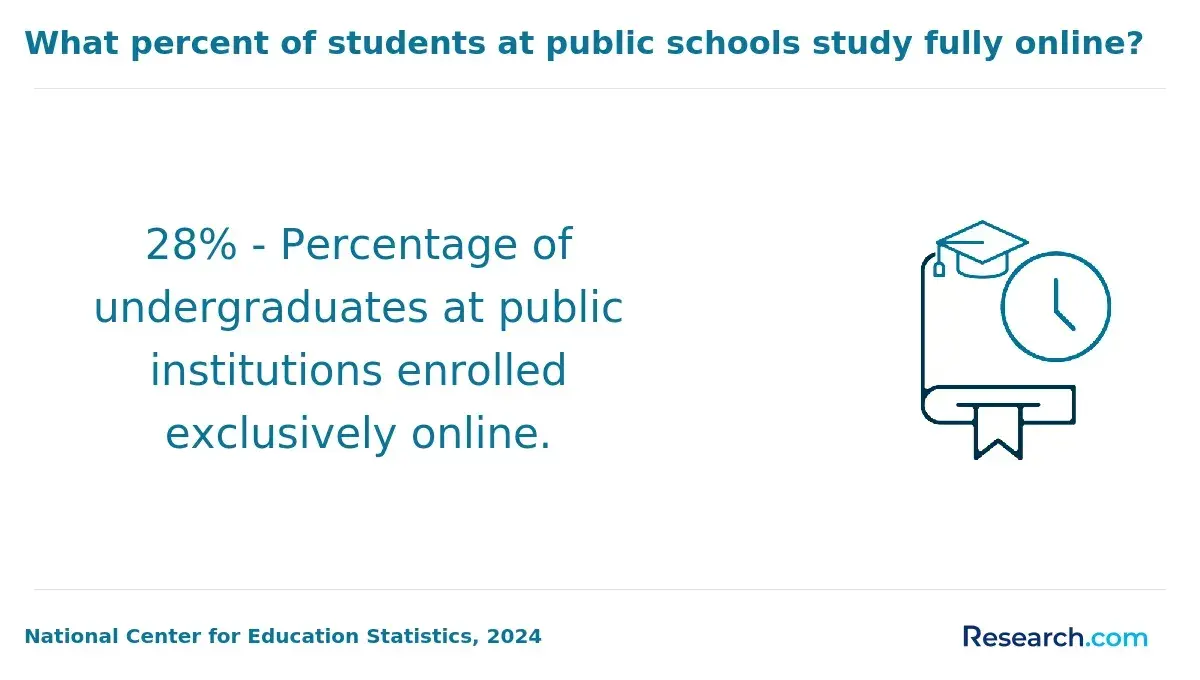
Which accreditation and program quality indicators matter most for online operations management degrees?
Accreditation standards directly affect the market value of online operations management degrees, especially regional or national accreditation from bodies like the Accreditation Council for Business Schools and Programs (ACBSP) or the Association to Advance Collegiate Schools of Business (AACSB). Employers often use these markers to assess candidate readiness; for instance, graduates from AACSB-accredited programs tend to meet more rigorous skill expectations when applying for supply chain roles in Fortune 500 manufacturing firms compared to those from non-accredited programs.
Key quality indicators for accredited online operations management programs include curricula with strong lean operations content, integrating simulation projects or case studies focused on waste reduction and process optimization across industries such as logistics and healthcare. Programs that embed experiential learning and leverage technology platforms better prepare students for operational decision-making in remote or hybrid work environments where digital fluency is crucial.
Student outcomes data also matter. Operations management roles are projected to grow by approximately 1.1 million openings annually from 2024 to 2034, making transparent alumni employment reporting and employer feedback valuable decision tools. Prospective students should prioritize programs offering clear data on job placement in operations leadership and connections to internships or industry mentorships.
Logistical factors like program flexibility and diverse cohorts influence networking opportunities and skill applicability. While accreditation guarantees baseline quality, continuous curriculum updates-especially reflecting lean methodologies and data analytics-are essential to match evolving employer demands.
Prospective learners evaluating this pathway may also consider related credentials such as online health information management programs CAHIIM accredited, which emphasize similar accreditation rigor in health-focused operations fields.
What lean operations and process improvement coursework is typically included in online operations management programs?
Lean operations management coursework in online degree programs equips students with specialized tools such as value stream mapping, 5S workplace organization, continuous flow, and Kanban to reduce waste and standardize processes. These programs emphasize root cause analysis and Six Sigma principles to identify and eliminate non-value-added activities, a critical skill for industries like automotive manufacturing, where balancing capacity planning against demand fluctuations minimizes bottlenecks.
Process improvement classes in online operations management degrees integrate frameworks like DMAIC (Define, Measure, Analyze, Improve, Control) to structure project execution phases, which vary substantially by sector. For example, healthcare managers prioritize patient throughput and error reduction, while retail focuses on inventory turnover, illustrating the importance of context-specific application.
Students also gain proficiency in statistical process control and workflow simulation software, enhancing their ability to test process changes before implementation. Given the high labor market demand, evidenced by over 2.8 million annual operations-related job openings per Lightcast data summarized by the University of Kansas, these programs address employer expectations for rapid, data-driven operational improvements.
Programs often tackle logistical challenges such as supplier variability and cross-functional coordination, applying lean thinking to foster agile responses to supply disruptions. Candidates seeking efficient educational pathways might also evaluate the easiest online MBA options that incorporate this coursework, balancing practical skill-building with market viability.
What types of online operations management degrees are available, from certificates to master's programs?
Professionals aiming to drive immediate improvements in operational processes often find certificate programs in operations management a strategic choice. These certificates, typically completed within 3 to 9 months, focus sharply on lean operations and supply chain optimization and often incorporate Six Sigma Green or Black Belt credentials. This pathway suits those needing quick access to actionable skills for frontline process enhancements without the time investment a degree demands.
In contrast, bachelor's degrees span 3 to 4 years and provide a broad business foundation alongside lean principles. Graduates of these programs are prepared for entry-to-mid level roles in settings ranging from manufacturing to healthcare logistics, where end-to-end operational understanding is vital. However, the extended duration and broader curriculum delay hands-on application and may not match urgent employer needs for specialized lean expertise.
Master's programs, including MBAs with operations or supply chain concentrations, require 1 to 2 years of advanced study aimed at leadership and strategic process design. Employers increasingly expect these degrees for senior roles tasked with complex, data-driven decision making and substantial waste reduction targets. For example, a mid-career operations manager pursuing a master's to gain credibility and influence in cross-functional strategic projects exemplifies this trend documented by Northwood University's industry data.
- Certificate programs: rapid, skill-specific, suited for early-career intervention.
- Bachelor's degrees: comprehensive but slower skill deployment, suited for foundational roles.
- Master's degrees: strategic leadership focus, aligning with senior-level expectations and complex operational challenges.
Ultimately, aligning program length and curriculum depth with individual career stage and employer demand remains critical. Self-paced online formats vary widely in interaction and networking value, an important consideration for working professionals balancing full-time employment.
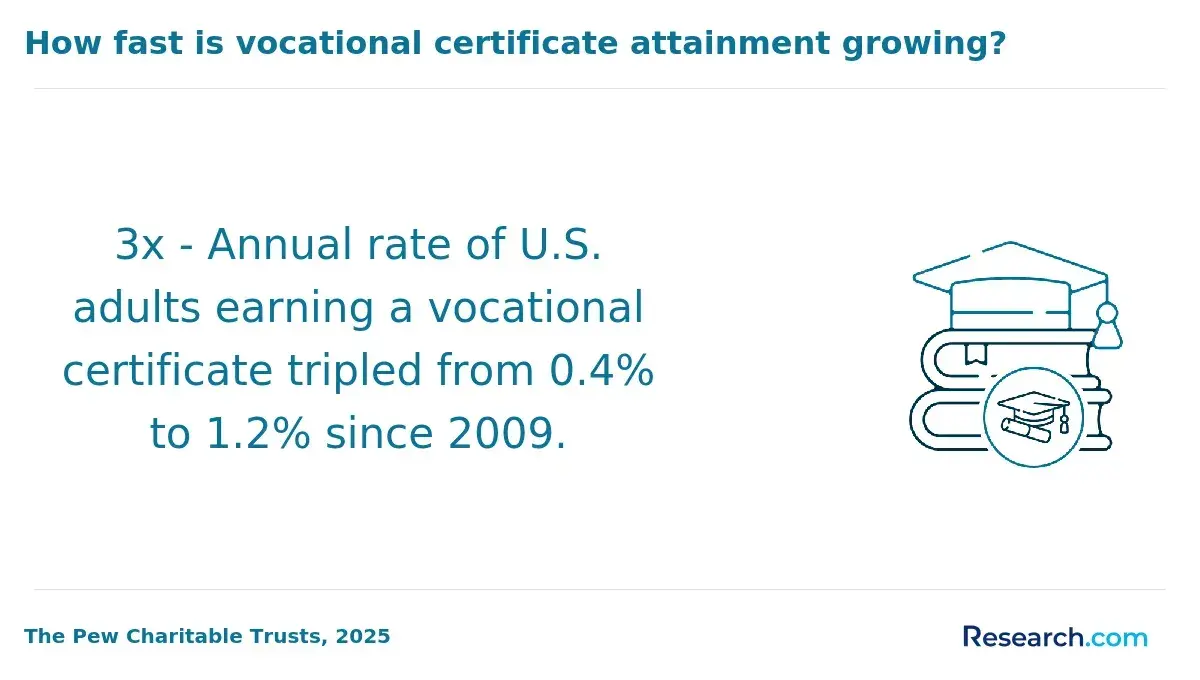
What are the usual admission requirements and prerequisite skills for online operations management study?
Admission to graduate-level online operations management programs commonly requires a bachelor's degree, often favoring candidates with backgrounds in business, engineering, or quantitatively rigorous fields. Practical experience-typically two to five years in supply chain or process improvement-is frequently essential, as employers prioritize applicants who demonstrate applied knowledge of lean methodologies and data-driven decision-making. For example, a manufacturing professional with hands-on Lean Six Sigma expertise will navigate coursework and career transitions distinctly more efficiently than one without this foundation.
Key prerequisite skills include analytical reasoning, proficiency in spreadsheet and data analysis tools, and familiarity with quality control and workflow optimization concepts. Programs may request GMAT or GRE scores to verify quantitative aptitude, though professional experience can often waive these requirements. Supplementary materials should clearly communicate career objectives aligned with rigorous, statistics-focused curriculum demands.
Cost stability also plays a significant role in selecting a program. Tuition increases under 5% over a decade, as observed in Liberty University's online offerings, position it relatively favorably in affordability among competitors, affecting the long-term return on investment for students balancing educational expenses with professional growth.
- Undergraduate admission requires a high school diploma with foundational math and business knowledge to handle coursework intensity.
- Graduate programs emphasize experiential learning and readiness to integrate advanced data analysis into operational improvements.
- Strong professional documentation can mitigate standardized test requirements, accelerating admission processes.
How long do online operations management degrees take and what do they typically cost?
Choosing an online operations management degree demands balancing program length, cost, and the credential's practical impact on career trajectory. While accelerated bachelor's and master's programs can be completed in 12 to 24 months full-time, part-time learners should anticipate a span closer to 3 to 4 years. Shorter certificate programs focusing on lean operations deliver targeted skills within 6 to 9 months but lack the depth required for management roles that require strategic oversight and integrated operational knowledge.
Employers increasingly seek candidates with comprehensive education that incorporates lean principles applied to supply chain and production management rather than standalone certificates. This preference reflects real-world hiring trends favoring candidates who can reduce waste system-wide, not only execute specific tactics.
When evaluating total cost, prospective students should consider:
- Bachelor's tuition at public universities typically ranges from $15,000 to $35,000, while private institutions may exceed $40,000.
- Master's programs vary more widely, from $20,000 up to $60,000, influenced by accreditation and program reputation.
- Additional expenses like specialized software or simulation tools can add $200 to $1,000 annually.
Given that operations management professionals earn a median salary of $102,950 annually according to Lightcast data cited by the University of Kansas, upfront investment can be offset by quicker salary progression. Candidates must weigh accelerated program costs against extended study affordability and long-term employability advantages. Selecting a degree program with embedded lean operations curriculum enhances competitiveness amid evolving employer standards, making educational depth critical for meaningful workforce differentiation.
What careers can you pursue with an online operations management degree focused on lean methodologies?
Lean-focused operations management degrees emphasize measurable efficiency gains, positioning graduates for roles that demand reducing waste and optimizing processes across industries. These roles-such as supply chain analysts and process improvement specialists-require mastery of lean tools like value stream mapping and just-in-time inventory to tangibly lower costs and boost productivity.
For example, in manufacturing, an operations manager trained in lean methodologies uses real-time data to eliminate bottlenecks, improving throughput and quality metrics. In healthcare, lean principles streamline patient flow and resource use, cutting wait times and expenses. Logistics professionals apply these skills to redesign distribution networks, reducing transport costs and enhancing delivery precision.
Employers increasingly expect lean expertise combined with leadership abilities and familiarity with digital systems like ERP or Six Sigma frameworks. Western Governors University reports an average salary increase of $12,214 for their School of Business graduates, evidencing market demand for candidates who demonstrate clear ROI.
However, hiring is competitive, favoring candidates with practical lean project experience, strong data literacy, and cross-functional collaboration skills. Industry shifts also require ongoing training to stay current with evolving lean practices. Prospective students should weigh these demands against their career goals and readiness to engage in continuous learning if they seek durable impact in operations roles.
What salary ranges and job outlook can operations and lean management graduates expect in the U.S.?
Graduates with expertise in operations and lean management in the U.S. face significant variability in earnings and job prospects tied closely to industry sector, geographic location, and complementary skills. Entry-level salaries generally range from $60,000 to $80,000 annually, but mid-career roles can command $90,000 to $120,000-often influenced by whether the position is within manufacturing or technology-driven firms. Senior roles that integrate lean methodologies alongside leadership for process improvement can exceed $130,000. However, these figures are not evenly distributed; metropolitan hubs with robust manufacturing or logistics sectors consistently offer higher wages and growth opportunities compared to less diversified areas.
Employers increasingly expect candidates to merge lean operations knowledge with data analytics and digital proficiency. For example, supply chain operations analysts are required to interpret complex datasets and coordinate cross-functional teams, demanding continuous learning beyond formal education. Graduates lacking experience in these areas may find advancement limited to early career positions.
Job growth, projected at 8% nationally for business and financial operations occupations between 2020 and 2030 according to Ohio University, reflects a steadily increasing need for efficiency and process improvement expertise. To strengthen market competitiveness and long-term career resilience, candidates should consider pursuing certifications such as Six Sigma or ERP software proficiency.
How can prospective students choose a reputable online operations management program emphasizing lean practices?
Choosing an online operations management program with a genuine lean focus demands scrutiny beyond promotional claims. Accreditation from ACBSP or AACSB signals adherence to recognized academic and industry benchmarks, but the core value lies in curriculum depth. Programs must engage learners in applied lean methodologies such as value stream mapping, Kaizen, and Six Sigma-not just surface-level references. This ensures graduates emerge with practical tools aligned to employer expectations.
Cost considerations range widely, roughly $8,000 to over $30,000 annually, but pricing alone fails to capture return on investment without linking to verified graduate outcomes. Manufacturing and logistics sectors, which often require certifications paired with lean expertise, prioritize candidates who have engaged in project-based learning or realistic simulations-factors that accelerate workplace readiness and hiring success.
Programs demonstrating industry partnerships or mentorship connections provide access to lean professionals that can bridge theory and real-world challenges. For working adults balancing employment with study, technology usability and flexible scheduling become critical; rigid online platforms elevate dropout risk and stall professional pivots.
Key practical criteria include:
- Accreditation by ACBSP or AACSB for validated program quality
- Curriculum focused on operational tools with measurable lean process applications
- Transparent outcomes backed by third-party or state employment data
- Integration of hands-on learning aligned with sector hiring needs
- Flexible delivery to support career transitions or upskilling demands
Other Things You Should Know About Operations Management
Prior work experience is not strictly required, but students with a foundation in business, manufacturing, or supply chain roles will find the coursework more practical and easier to apply. Without experience, the program's case studies and lean methodology concepts can seem abstract, reducing immediate career impact. For career pivoters, gaining at least some operational exposure before or during the program helps maximize understanding and employer confidence in your skills post-graduation.
The workload tends to be heavier due to the technical nature of lean tools, process improvement modeling, and data-driven decision-making. Courses require mastery of both quantitative methods and change management strategies, which demands consistent application over time rather than broad theoretical study. Students should prioritize programs with clear, integrated lean coursework rather than superficial coverage to avoid wasted effort on less relevant topics.
Yes. Programs offering applied projects or internships provide hands-on experience that is critical for mastering lean operations concepts and increasing employability. Schools without these options risk producing graduates who understand theory but struggle to lead lean initiatives. For decision-making clarity, prioritize programs that integrate project-based learning with measurable outcomes tied to operational improvements.
References
- What Is the Typical Operations Manager Salary? https://claremontlincoln.edu/news-blog/operations-manager-salary/
- Online MBA in Operations Management: Review Top Schools https://www.onlinemastersdegrees.org/best-programs/mba-programs/operations-management/
- Operations Management for Quality Control, and TQM https://acceleratemanagementschool.co.za/business-management/operations-management-for-quality-control-and-tqm/
- Lean Six Sigma in Operations Management: The Ultimate Guide - SixSigma.us https://www.6sigma.us/lean-six-sigma-articles/lean-six-sigma-operations-management/
- Is Operations Management Your Best Career Move After an MBA? https://www.onlinecu.in/blog/cu/why-operations-management-could-be-your-best-career-move-after-an-online-mba.php
- What to Expect When Studying Operations Management in College https://www.enderuncolleges.com/articles/what-to-expect-when-studying-operations-management-in-college/
- A Beginner's Guide to Lean Management in Higher Education https://www.keg.com/news/lean-management-in-higher-education
- Top Lean Manufacturing Software Solutions for 2026 https://flowdit.com/lean-management-tools-techniques/
- Lean Manufacturing A-Z: Operations Management & Six Sigma https://hub.rowtonstraining.com/lean-manufacturing-a-z-operations-management-and-six-sigma
- Operations, Quality and Lean Management (Certificate, Level 6, 60 ECTS) - TUS https://tus.ie/courses/certificate-in-operations-quality-and-lean-management/