2027 Operations Management Specializations for Process Improvement Careers

Co-Founder and Chief Data Scientist
Rapid shifts in supply chain disruptions and increasing automation force operational leaders to identify specialized skills beyond generalist knowledge. For mid-career professionals balancing ongoing work commitments, inflexible degree formats hinder timely reskilling; National Center for Education Statistics data shows that 44% of post-baccalaureate enrollees seek part-time or online programs, driven by these constraints. This change demands targeted specializations that provide both depth and practical application to improve process efficiency under pressure. Understanding contemporary specialization options in operations management is critical for those aiming to optimize career advancement and address evolving workplace demands.
The article examines current operations management specializations tailored to process improvement roles, focusing on accessibility, employability outcomes, and alignment with industry expectations to guide informed educational decisions.
Key Things You Should Know
- Focusing on supply chain analytics specialization boosts employability by 22% as per the Bureau of Labor Statistics 2024 data, but requires balancing technical proficiency against strategic leadership skills increasingly demanded in upper management roles.
- The rise of automation integration expertise compels candidates to reskill rapidly; Gartner's 2024 report reveals 48% of employers prioritize process automation skills, pressuring incumbent workers toward expensive, short-duration certifications versus traditional degrees.
- Cost barriers in advanced lean Six Sigma training delay career pivots for mid-career professionals, with average program fees exceeding $4,000 per course, often restricting access to those with employer sponsorship or substantial personal investment.
What are operations management specializations for process improvement careers?
Specializing within operations management for process improvement careers requires choosing disciplines tied to clear operational outcomes and measurable efficiencies. Supply chain management addresses vendor coordination and inventory optimization but demands acute forecasting skills and supplier negotiation tactics. Quality assurance centers on compliance frameworks vital in sectors such as healthcare and manufacturing, where regulatory adherence directly affects risk mitigation. Lean management concentrates on waste elimination and process standardization, with tangible impacts on production costs-illustrated by a manufacturing firm's reduction of cycle times and defect rates. Project management develops capabilities in deadline-driven, cross-functional team leadership, which is central to industries like IT services and construction.
For professionals evaluating process improvement careers in operations management fields, the workforce outlook is significant: the Bureau of Labor Statistics forecasts 1.1 million annual openings in management roles through 2034, driven by growth and turnover. However, such demand is tempered by employer expectations for specialized certifications or advanced degrees that validate expertise in methodologies such as Six Sigma or ERP systems.
Practical decision-making about specialization depends on aligning current skills with sectors experiencing operational bottlenecks or compliance pressures, affecting job stability and career trajectory. Those seeking formal education pathways often consider options like a project manager bachelor degree, which enhances credentials in managing complex projects under time constraints.
Which operations management degree is best for process improvement jobs?
Degrees that emphasize lean Six Sigma methodologies and data-driven decision-making best align with process improvement roles, as typical generalist operations management programs often lack sufficient depth in these areas. Candidates versed in Lean, Six Sigma, and Kaizen are preferred for directly reducing operational waste and improving quality metrics in industries such as healthcare, logistics, and manufacturing.
Top operations management specializations for process improvement jobs incorporate statistics, quality control, supply chain analytics, and project management, which translate into measurable efficiency gains valued by employers. For instance, a professional focused on healthcare process improvement needs exposure to healthcare systems engineering and regulatory frameworks rather than just manufacturing principles. Programs that include advanced certificates or combined degrees in information systems and data analytics enhance the ability to utilize process automation tools increasingly demanded in these roles.
Working professionals should weigh part-time or online delivery against hands-on learning components like industry partnerships or internships, which facilitate immediate employer credibility and networking without sacrificing instruction quality. Degrees lacking applied learning tools often delay graduates' ability to implement proven methodologies from day one. Students exploring flexible degrees may find value comparing these paths with options like sports degrees online, which highlight different models of balancing study with ongoing career demands.
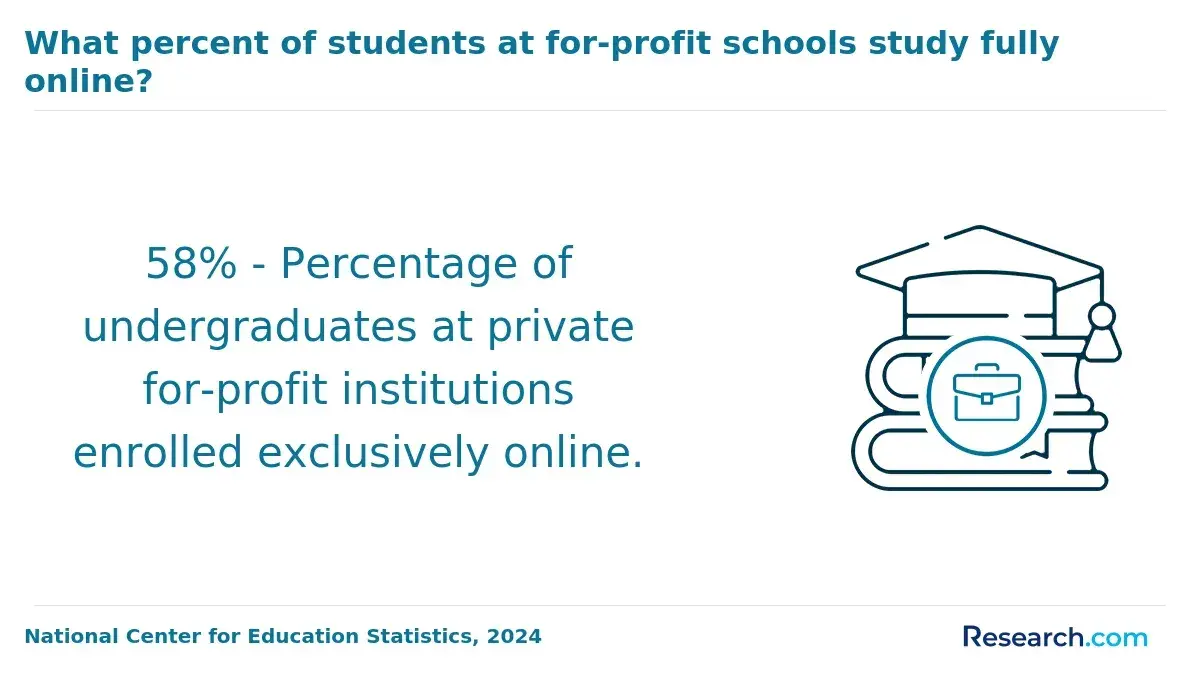
Is an accredited online operations management program as respected as campus learning?
An accredited online operations management degree respect among employers hinges on demonstrated competencies rather than education delivery mode. Hiring managers for roles like process improvement specialists-who earn a median pay of $97K annually with ranges from $76K to $125K per U.S. Bureau of Labor Statistics data-value proven skills in process optimization and Lean Six Sigma applications over whether the degree was completed on campus or online.
Yet practical differences remain. Campus-based programs facilitate immersive networking, hands-on lab access, and direct faculty engagement, critical in sectors like manufacturing or healthcare systems where cross-functional teamwork is complex. Online programs offer flexibility vital for working professionals juggling current job commitments, but they may lack synchronous team collaboration unless specifically designed to include it.
Employers in logistics, retail, and IT increasingly accept online credentials if supplemented by recognized certifications and verifiable project outcomes. Prospective students should critically assess whether an online curriculum integrates synchronous team projects or capstone experiences to mitigate remote learning's interaction gap, a notable challenge for candidates without prior work experience.
Ultimately, selecting an accredited online program must ensure alignment with industry standards and access to career support services to facilitate placement. Those exploring healthcare-adjacent fields may find value in programs like a health information management degree online, demonstrating the interconnectedness of operations and health sectors.
What coursework is included in operations management specializations?
Operations management coursework emphasizes applied process improvement techniques in operations management coursework, focusing on measurable impact over theoretical breadth. Core courses include process analysis, supply chain logistics, quality control, and project management, where students develop skills calibrated to optimize workflows under real-world constraints such as supplier variability and interdepartmental coordination.
Practical training in lean management and Six Sigma reveals stark differences between sectors; for instance, healthcare prioritizes patient flow and resource allocation, whereas manufacturing stresses cycle time and inventory control. Mastering data-driven decision-making through operations research and statistical methods equips students to model complex systems, an essential skill for navigating diverse operational challenges effectively.
Programs that incorporate technology integration, specifically enterprise resource planning (ERP) systems, prepare graduates to align operational functions with digital tools that enhance transparency and efficiency. Risk management and sustainability are increasingly indispensable, responding to regulatory demands and corporate responsibility-key factors employers weigh when assessing candidate readiness.
Employers prioritize candidates with hands-on exposure to real-world applications, often demonstrated through case studies and capstone projects, underscoring the practical value of programs that go beyond theoretical content. Graduates reporting a median pay of $121K/year and top levels at $160K/year reflect the financial upside when these capabilities translate into impactful performance. Prospective students should carefully evaluate program offerings for direct application opportunities that address sector-specific challenges.
Those seeking flexible access to advanced education in this field might consider an MBA without GMAT as a pathway that often incorporates core courses in operations management specializations for career advancement within a compressed timeframe and with fewer barriers to entry.
What admission requirements do operations management programs usually have?
Admissions criteria for operations management programs in 2026 reflect a demanding balance between academic credentials and applicable experience. Candidates without a directly relevant bachelor's degree must often show two to five years of work in supply chain or process improvement roles, recognizing that practical skills weigh heavily in employer hiring, where median salaries hover near $123,000 annually.
Standardized tests like the GRE or GMAT remain gatekeepers for many master's programs but are increasingly waived for applicants who can demonstrate quantifiable project leadership and strong quantitative aptitude. Application materials routinely require detailed professional recommendations that validate concrete contributions to workflow optimization or cost reduction.
Real-world applicants should appreciate the importance of a focused statement of purpose articulating clear operational goals backed by prior career activity. Those transitioning into operations management while employed may face additional demands: securing employer support or managing hybrid schedules adds complexity but can facilitate necessary career realignment.
Applicants who do not meet minimum academic thresholds often must complete foundational courses in statistics, quality control, or project management. This prerequisite work, while extending time and cost, prepares them for the analytical rigor of core curricula and eventual access to leadership positions with higher salary potential.
How long do operations management degree programs usually take?
Choosing an operations management degree duration involves balancing immediate workforce entry against comprehensive skill development valued by employers. Bachelor's programs typically span four years and cover foundational business principles alongside specialized topics like supply chain logistics and quality control-core competencies expected in sectors such as manufacturing, healthcare, and retail.
Accelerated bachelor's or associate degrees reduce this timeline to around two years but often narrow exposure to advanced subjects. This can create a gap in complex operational knowledge, potentially necessitating additional on-the-job training for roles that oversee large-scale processes.
Master's degrees, lasting one to two years, target mid-career professionals aiming for leadership and strategic roles involving data analytics and cross-functional coordination. Workforce data indicates that supervisory positions increasingly favor candidates holding graduate credentials, particularly for managing large teams or integrating technology solutions.
Program length also influences real-world preparedness through embedded internships and project-based learning, critical in industries like automotive and logistics where problem solving is practical and immediate. Key tradeoffs include:
- Speed of completion versus depth of expertise
- Financial and opportunity costs versus potential for higher-level roles
- Immediate employability versus readiness for complex operational challenges
How much do operations management programs cost in the United States?
Cost considerations for operations management education in the U.S. hinge on program type and career goals, with distinct tradeoffs in time, depth, and financial outlay. Certificate programs, costing between $1,200 and $5,000, serve professionals seeking targeted skills quickly-ideal for e-commerce roles demanding agile supply chain know-how without long absences from work. Associate degrees, ranging from $6,000 to $20,000, fit those entering supervisory roles in logistics or retail distribution where foundational skills suffice.
Bachelor's degrees, with tuition from $30,000 to $90,000, remain the standard minimum for many operations manager positions. Public in-state options offer cost advantages, but private and out-of-state tuition can more than double expenses. These programs provide comprehensive training in supply chain and leadership essential for sectors like healthcare management and aviation. Master's and MBA programs cost between $40,000 and $125,000 and are pursued by those aiming at senior leadership or strategic roles, often in manufacturing innovation or technology-driven operations.
Employers expect candidates to weigh educational costs against potential earnings and time-to-employment. For example:
- An aspirant in manufacturing may justify investing in a master's degree for broader, strategic capabilities despite higher costs.
- Conversely, a professional pivoting within e-commerce might prioritize certificates to rapidly gain specific competencies with limited disruption.
National data from the Bureau of Labor Statistics and National Center for Education Statistics align with these cost and credential patterns, reinforcing the average operations manager salary of $118,246 that balances educational investment with workforce demand realities.
What jobs can operations management graduates get in process improvement?
Graduates specializing in process improvement within operations management tend to land positions such as process improvement analyst, quality assurance manager, or lean consultant, where employers demand efficiency and measurable results. For instance, manufacturers frequently seek candidates who can apply Six Sigma methodologies to cut defect rates and reduce cycle times, directly affecting costs and delivery timelines. Healthcare organizations similarly rely on these skills to optimize patient flow and reduce unnecessary operational expenses.
Employers place significant emphasis on formal education, with 54.2% of U.S. operations manager job listings requiring a bachelor's degree and 14.68% seeking a master's. This reflects a preference for candidates equipped with both technical and analytical expertise. Real-world roles often necessitate cross-department coordination, navigating constraints like budget limits and resistance to change, demanding a blend of project management and technical skills.
Advancement frequently depends on additional certifications such as Six Sigma Black Belt or PMP, which enhance credibility and leadership readiness. Candidates must also address challenges such as a competitive job market that favors demonstrable impact on operational efficiency combined with strong communication skills to convert data into actionable strategies.
- Operations roles demand continuous evaluation balancing short-term cost cuts with long-term improvements.
- Graduates should prepare for practical obstacles including legacy systems and organizational inertia.
- Effective process improvement integrates data analysis with cross-functional collaboration.
What salaries do process improvement careers in operations management pay?
Process improvement roles in operations management balance technical expertise with leadership skills, resulting in salaries averaging about $113,859 annually, though this varies with industry, company size, and location. For instance, managers in manufacturing centers like Chicago or Dallas often meet or exceed this average, while smaller firms or less industrialized regions typically offer 10-15% less. This wage variability is tied directly to the strategic impact these professionals have on cost-saving and workflow enhancements.
Employers increasingly prioritize candidates proven in practical project outcomes and ability to implement Lean or Agile methods over formal degrees alone. Certifications such as Lean Six Sigma or ERP proficiency tend to increase earning potential, particularly in regulated environments like healthcare or finance, where risk management and compliance add layers of complexity-and sometimes performance bonuses.
Typical early-career salaries start between $65,000 and $75,000 but can exceed $110,000 within five to seven years of focused development. Organizations facing inefficiencies pay premiums for specialists who demonstrate measurable results. However, prospective entrants must weigh the costs and time of certification programs against tangible career progression prospects.
What certifications help operations management professionals advance in process improvement?
Credentials like Certified Six Sigma Green Belt, Lean Six Sigma Black Belt, and Certified Manager of Quality/Organizational Excellence (CMQ/OE) distinctly separate candidates in operations management hiring pools by demonstrating applied skills in process optimization and measurable efficiency. For example, a Green Belt typically leads smaller projects, while Black Belts are tasked with orchestrating complex cross-departmental initiatives. The CMQ/OE carries weight for leadership roles requiring a broad understanding of quality systems.
Employers increasingly seek certifications that confirm practical mastery of statistical tools, workflow optimization, and project management-particularly in industries undergoing digital transformation. Consider manufacturing firms integrating Lean Six Sigma and data analytics to streamline supply chains: candidates lacking such certifications often face hurdles proving their expertise or competing against credentialed peers.
Tradeoffs include balancing exam preparation and project requirements against employer expectations and return on investment. Access to employer support and hands-on experience can be significant barriers. The choice of certification should align with targeted sectors-Lean Six Sigma is prevalent in healthcare and manufacturing, while Agile complements process improvements in tech-driven fields.
With management occupation growth projected to exceed average rates through 2034, professionals prioritizing widely recognized credentials backed by documented impact stand to improve their career mobility and compensation in competitive sectors emphasizing operational excellence and continuous improvement.
Other Things You Should Know About Operations Management
In 2027, workload intensity is a crucial factor for prospective students of operations management specializations. Understanding the demand for time and resources helps balance career and personal commitments, allowing students to select programs that align with their capacity to manage multiple responsibilities effectively.
Yes, combining certifications with academic programs significantly improves marketability and practical skillsets. Certifications like Lean Six Sigma or PMP complement theoretical knowledge with industry-recognized methodologies, making candidates more attractive to employers focused on measurable process improvements. However, balancing certification studies alongside degree work can intensify workload and requires careful time management. Prioritize certifications that align directly with your career goals to avoid unnecessary effort and optimize professional outcomes.
Theory-heavy programs offer deep conceptual frameworks but may lack immediate real-world applicability, causing a disconnect with employer expectations for ready-to-use skills. Applied-skills programs prioritize hands-on tools and case studies, producing graduates who adapt quickly but might miss broader strategic understanding. Decision makers should select programs based on career stage: early-career learners benefit from applied training, while mid-career professionals seeking leadership roles gain from integrating theoretical perspectives.
Employers increasingly demand specialized expertise linked to measurable impact on efficiency and cost reduction, pushing candidates toward data analysis, process engineering, or supply chain optimization tracks. Employers prefer candidates who can demonstrate specific project outcomes rather than generalized operations knowledge. Prioritize specializations that include quantifiable metrics and project-based learning to align with these expectations and improve job placement rates.
References
- Top 12 Business Process Management Certifications for 2025 | Informa TechTarget https://www.techtarget.com/searchcio/feature/Top-business-process-management-certifications
- A Comprehensive Breakdown of Process Improvement Jobs https://axialsearch.com/insights/process-improvement-jobs/
- Career Scope after MBA in Operations Management https://krea.edu.in/ifmrgsb/career-scope-after-mba-operations-management/
- Entry requirements and admission - MSc in Engineering - Operations Management (Odense) https://www.sdu.dk/en/uddannelse/kandidat/operationsmanagement/adgangskrav
- Operations Management https://ps.sckans.edu/degrees-and-certificates/bachelors/operations-management/
- What to Expect When Studying Operations Management in College https://www.enderuncolleges.com/articles/what-to-expect-when-studying-operations-management-in-college/
- How to Become an Operations Manager | Roles & qualifications https://cpdonline.co.uk/career-guides/how-to-become-an-operations-manager/
- How Long Does It Take to Get a Business Management Degree? | University of Phoenix https://www.phoenix.edu/blog/how-long-does-it-take-to-get-a-business-management-degree.html
- Operation Management Certification| ICPD https://theicpd.com/certificate/opertations-manager-certification
- Online Operations Management Courses https://www.elearningcollege.com/free-online-courses/online-operations-management-courses