2027 Operations Management Specializations That Best Match Quality and Process Roles

Co-Founder and Chief Data Scientist
Mid-career professionals pivoting into quality assurance face a critical bottleneck: selecting a specialization that both aligns with employer expectations and fits tight schedules amid growing workforce commitments. Recent data from the National Center for Education Statistics reveal a 45% surge since 2020 in enrollment among adult learners pursuing flexible, online credentials in operations-related fields.
This shift highlights the demand for programs balancing depth with accessibility, yet many candidates struggle to pinpoint specializations that offer clear returns in process optimization roles. This article maps out key operations management specializations tailored to quality and process-focused careers, equipping readers to navigate these trade-offs effectively.
Key Things You Should Know
- Lean Six Sigma specialization yields 20% higher employer preference for quality roles but requires a 2-3 year credential investment, causing delayed workforce entry compared to broader om studies.
- Process analytics experts command 18% higher starting salaries as employers prioritize data-driven operational decisions, yet rapid tech evolution demands continual certification updates, increasing long-term costs.
- Supply chain integration specialization shifts career pathways toward strategic roles, but 35% of graduates face placement delays due to niche skill oversaturation in mature markets.
What is operations management and how do quality and process specializations fit within it?
Focusing on quality improvement roles within operations management demands more than a generalist's understanding of workflows. These specialized positions require precise expertise in implementing controls such as Six Sigma, which in advanced manufacturing sectors reduces defects and cuts costs. The tradeoff for candidates is clear: investing in targeted credentials provides measurable returns in industries where compliance and consistency are non-negotiable, such as pharmaceuticals and aerospace.
Process management specializations in operations revolve around diagnosing inefficiencies and standardizing procedures to improve throughput, a priority in logistics and supply chains where timing and resource allocation directly affect competitiveness. Such roles call for advanced technical skills and the capacity to convert complex data into operational improvements that employers value.
The American Society for Quality reports a median salary of $132,276 in 2024 for Six Sigma Black Belts, indicating a 6.3% increase from previous years and signaling strong market demand for these competences. Yet, success also hinges on certifications tied to data analysis and leadership, not just theoretical knowledge.
Prospective professionals should weigh the practical benefits of focusing on Six Sigma or Lean methodologies against general operations programs. Those shifting fields must consider programs that offer clear, skill-based progression, such as the best accelerated project management degree programs online, which provide pathways aligned with employer expectations and evolving automation trends.
Which operations management specializations best align with quality assurance and process improvement roles?
Lean management and Six Sigma align tightly with operational roles focused on measurable improvements, but the practical distinctions affect career paths in operations management specializations for quality assurance roles. Lean emphasizes workflow simplification and cultural change within organizations, shaping operational strategy roles that demand leadership capacity and organizational insight. Six Sigma applies rigorous statistical tools to reduce variation, appealing more to candidates targeting technical leadership and specialized data analysis positions.
For example, a manufacturing firm adopting Six Sigma can reduce production defects and variability, directly lowering rework costs and tightening quality control. This kind of process improvement and operations management career paths require commitments to formal certification levels in Six Sigma, contrasting with Lean's broader cultural integration, which may lack formal credentials but involves deep engagement with continuous improvement programs.
The workforce impact includes industry-specific hiring preferences where regulated sectors prioritize recognized Six Sigma certifications for compliance, while sectors such as automotive might favor Lean's operational efficiencies. Total Quality Management (TQM) and Business Process Management (BPM) complement these approaches with strategic process alignment but lack Six Sigma's quantifiable rigor.
A practical note for prospective students is the differing certification and skill requirements that influence employability and career trajectory. Those evaluating options should consider programs that balance technical skills and leadership development while addressing measurable outcomes demanded by employers.
Students exploring educational pathways should also examine delivery formats such as a construction management online degree, which can offer flexible access to operations management curricula aligned with real-world demands.
What degree levels prepare you for quality and process-focused operations management careers?
Quality and process operations management degree programs that center on industrial engineering, operations management, or supply chain management provide essential preparation for roles that demand robust data analysis and process optimization skills. Undergraduate curricula focusing on quantitative methods, Lean Six Sigma, and statistical quality control create a foundation for continuous improvement occupations. For example, a manufacturing quality analyst working within automotive production must analyze defect patterns and streamline assembly line workflows, a competence best developed through targeted coursework coupled with relevant internships.
Employers prioritize candidates equipped with a master's degree in operations research, business analytics, or an MBA with an operations specialization for leadership positions tied to process redesign and quality assurance teams. These advanced degrees enhance capabilities in predictive modeling, risk management, and cross-departmental coordination, skills critical in complex settings such as healthcare systems. One illustrative case involves a quality manager using data analytics learned in graduate studies to balance patient flow efficiencies alongside cost reductions.
Professional certifications like Lean Six Sigma Black Belt serve as practical attestations of applied expertise, particularly in managing quality projects within stringent time and financial constraints. With a projected 23% growth for operations research analyst roles from 2023 to 2033, according to the U.S. Bureau of Labor Statistics, the labor market increasingly favors candidates with quantitative rigor. Without these credentials, professionals may encounter limited advancement in process optimization and quality outcomes disciplines. Those seeking flexible learning options might also explore an online masters in healthcare management that align practical skills with service industry demands.
Best degree levels for quality and process roles in operations management emphasize a continuum where bachelor's programs build foundational analysis skills, graduate degrees expand strategic and leadership expertise, and certifications validate hands-on improvement project execution.
How do online operations management programs compare to campus-based options for quality and process tracks?
Choosing between online operations management programs for quality and process tracks and campus-based operations management degrees focused on quality and process roles involves more than content parity. Campus programs consistently provide unmatched hands-on experiences through direct access to labs, simulations, and internships-opportunities essential for mastering physical quality systems and process optimization in manufacturing or healthcare sectors. Conversely, online formats offer flexibility and expansive case studies, often benefiting professionals balancing full-time work with certification goals such as Six Sigma.
Employers in industrial environments, especially automotive and healthcare industries, prioritize candidates with demonstrated practical problem-solving skills on physical systems, a gap online delivery may not fully address. Yet roles concentrated on statistical control methodologies allow online learners to leverage virtual collaboration and advanced analytical software equal to or surpassing traditional classroom engagement. The U.S. Bureau of Labor Statistics projects a 12% growth for industrial engineers, matching a median wage of $103,150, underscoring sustained demand for quality and process expertise acquired through either pathway.
Practical tradeoffs include campus programs offering valuable networking and mentorship critical for specialized quality roles, while online learners enjoy convenience and up-to-date digital tools. For example, a pharmaceutical operations analyst might prefer campus-based validation labs, whereas a logistics coordinator pursuing Six Sigma certification could find an online program more viable to balance work and study commitments.
Professionals considering a strategic pivot may also explore a 6 month MBA to complement operations management credentials, expanding leadership capabilities in quality and process management environments.
What courses and skills are emphasized in quality and process-oriented operations management curricula?
Operations management curricula centered on quality and process rigor target measurable performance improvements over theoretical breadth. A focus on Six Sigma, Lean methodologies, and statistical process control equips professionals to pinpoint bottlenecks and lead continuous improvement initiatives that reduce costs and defects while enhancing service delivery. For instance, manufacturing roles typically demand proficiency in DMAIC frameworks to lower defect rates, whereas healthcare emphasizes patient flow optimization and reduced wait times, revealing how context-specific skills respond directly to industry pressures.
Employers expect candidates not just to understand concepts but to demonstrate hands-on experience with real-time process simulation software and root cause analysis. Programs integrating supply chain management, risk assessment, and quality auditing develop operational oversight aligned with compliance realities and cross-functional coordination. Key soft skills such as change management and communication remain decisive in navigating tradeoffs between cost, time, and quality within dynamic organizations.
The financial impact of combining quality and process excellence is evident: companies with integrated capabilities typically achieve EBIT margins over 5 points above peers. Prospective learners must thus evaluate whether curricula offer advanced analytics tools and experiential elements that mirror workplace complexity rather than just conceptual knowledge. These practical components directly affect employability and one's readiness to lead operational transformation across diverse geographic and functional landscapes.
How long do operations management programs take, and what do they cost for these specializations?
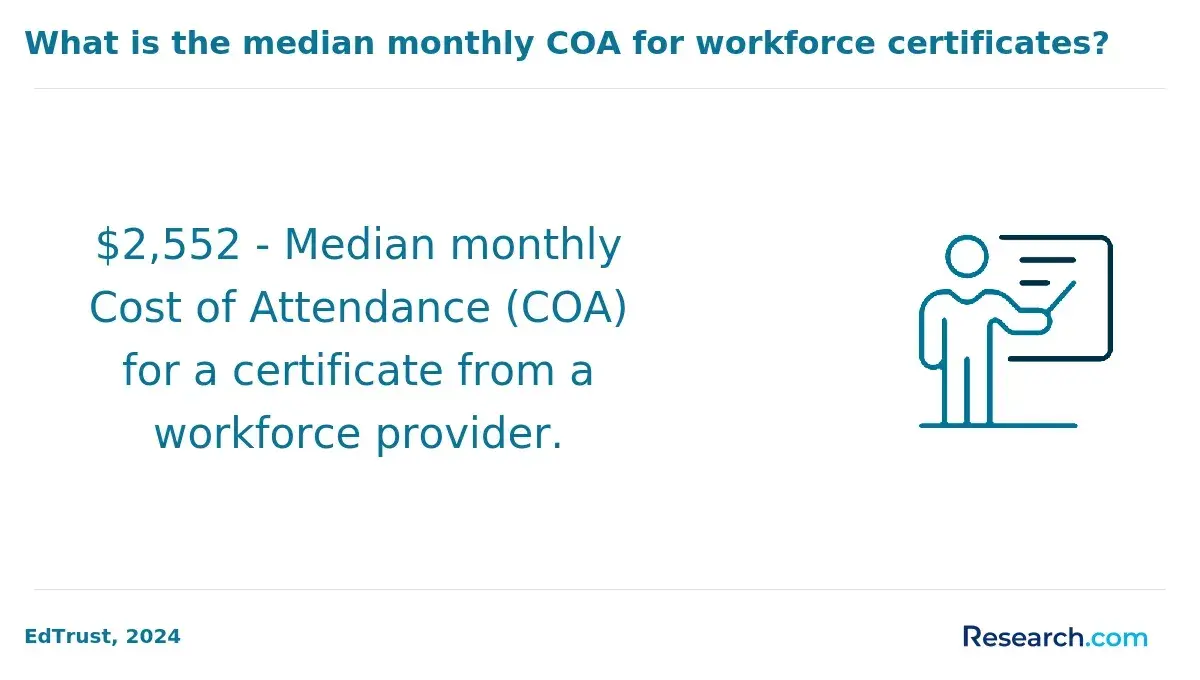
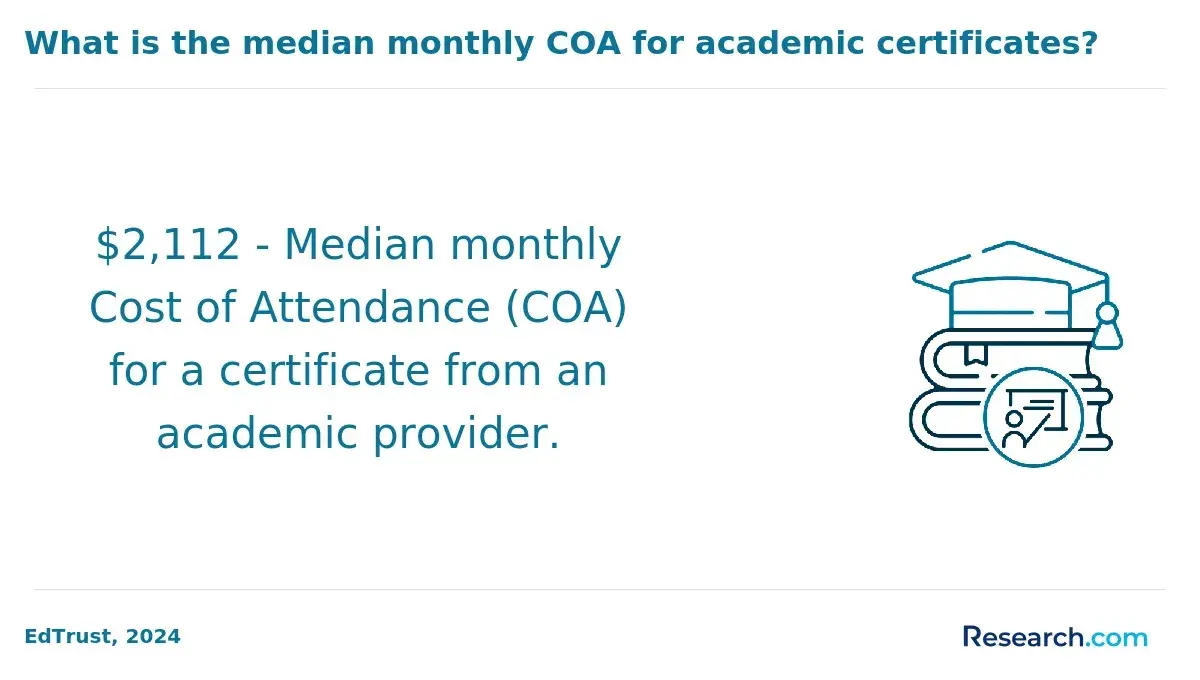
Choosing the right operations management program requires weighing program length, cost, and practical outcomes against employer expectations for quality and process expertise. Certificate and professional development offerings, usually priced between $2,000 and $8,000 and completed within six months, suit professionals seeking immediate skill upgrades without interrupting their work. These options generally lack the strategic depth necessary for roles demanding systemic process redesign or cross-functional leadership.
In contrast, comprehensive master's degrees spanning 1.5 to 2 years and costing upwards of $20,000 provide immersive training in quality assurance and process improvement, often including capstone projects or internships that bolster employability. This investment better aligns with positions focusing on complex operational challenges and longer-term organizational impact.
Lean Six Sigma certification courses, typically costing $3,000 to $7,000 and completed in under a year, are highly relevant for manufacturing and healthcare professionals prioritizing process reliability and measurable ROI. However, sectors like service industries-where customer experience drives operational redesign-benefit more from advanced degrees incorporating analytics to realize tangible improvements in satisfaction and cost metrics over several years.
To translate educational investments into career progress effectively, candidates must match program outcomes to their industry's pressing challenges, the level of applied methodology required, and employer demand for strategic versus tactical skill sets.
What are the typical job titles, industries, and work settings for quality and process operations roles?
Quality and process operations roles require a nuanced understanding of both industry-specific standards and measurable outcomes. For instance, Quality Managers in healthcare balance patient safety mandates with clinical workflow improvements, a dual focus absent in other sectors. Hospitals with structured improvement programs have cut 30-day readmission rates by 17% and reduced per-case costs by 8% to 12% over three years, signaling real financial impact beyond theoretical quality measures.
Work environments for these roles range from hospital quality teams to manufacturing lines and supply chain operations, each demanding tailored expertise such as ISO 9001 compliance in factories versus healthcare regulatory frameworks. Candidates must master analytical tools like Six Sigma and process mapping, while effectively engaging frontline employees to ensure sustainable change. Operational success depends on aligning improvement initiatives with evolving regulations and demonstrating tangible cost savings or quality gains.
Practical challenges in these careers include navigating varied industry expectations and documenting credible project outcomes to meet hiring benchmarks. This industry-specific complexity impacts educational pathways-students must weigh program relevance, especially regarding applied methodologies and certifications recognized across distinct sectors. Employers prioritize candidates who articulate clear evidence of cost and quality improvements, a standard that shapes advancement opportunities in operations management.
What starting and mid-career salaries can you expect in quality and process operations management?
Salary trajectories in quality and process operations management reflect the technical and leadership demands of this field. Entry-level roles in the U.S. typically offer $60,000 to $75,000 annually, but this range varies by industry and geography. As professionals integrate digital tools like advanced analytics and robotics process automation into operations, salaries for mid-career managers increase significantly, often reaching $90,000 to $120,000. Those overseeing large-scale Industry 4.0 initiatives, such as integrating smart manufacturing systems, can command even higher pay due to measurable productivity and cost benefits.
The PWC Digital Operations Study highlights that manufacturers scaling automation experience on average 32% productivity gains and 16% cost reductions, confirming the financial impact of these capabilities. Employers expect mid-career hires not only to lead cross-functional teams but also to manage multi-site operations with a performance focus, often resulting in compensation packages that include bonuses connected to operational KPIs like defect rates and throughput.
In sectors with strict quality and regulatory demands, such as aerospace and pharmaceuticals, salary premiums above $130,000 are common for managers specializing in quality assurance. Professionals without digital upskilling risk stagnation near starting salaries, while those advancing in Industry 4.0, lean Six Sigma, and related credentials benefit from accelerated wage growth and total compensation that may include stock options or profit-sharing.
Which certifications and professional standards matter most for quality and process operations careers?
For professionals targeting roles in operations management, not all certifications carry equal practical weight. Certified Six Sigma Black Belt and Certified Quality Engineer remain essential for those focused on detailed process improvements and defect reduction, directly influencing operational costs and efficiency. Meanwhile, the Project Management Professional (PMP) certification distinctly benefits project-driven environments, with empirical data showing firms with advanced project management waste significantly less budget and complete nearly twice as many projects on schedule compared to less mature organizations.
Integrating ISO 9001 Lead Auditor credentials into quality teams is instrumental for compliance-heavy industries like manufacturing and healthcare, where regulatory adherence mitigates risk and costly nonconformance. A manufacturing company, for example, combining Six Sigma and PMP capabilities within its quality function, gains granular control over defects while ensuring projects align with broader strategic timelines, preventing costly overruns.
- Lean certifications customized by sector-such as Lean Healthcare or Lean IT-offer stronger immediate workplace relevance than generic programs by focusing on domain-specific waste elimination.
- Developing skills in analytics and process mapping tools complements these certifications, meeting employer demands for data-driven process improvements.
Candidates should prioritize credentials that emphasize practical application over theory and check for strong employer recognition in their target field. Certifications including real-world case studies and measurable outcomes accelerate skill transfer and enhance operational impact faster than programs lacking tangible benchmarks.
How can you evaluate and choose an accredited operations management program for quality and process careers?
Selecting an operations management program requires prioritizing accreditation from recognized bodies like AACSB or ACBSP, ensuring academic rigor aligned with industry standards. Candidates must also scrutinize curriculum relevance, focusing on Six Sigma, Lean principles, supply chain analytics, and quality assurance integration-skills demanded in process and quality-focused roles.
For example, professionals aiming for healthcare process improvement should seek programs with sector-specific coursework and practical case studies, while manufacturing-focused students benefit from exposure to production simulation and automation technologies. Programs emphasizing real-world application via internships or capstones with industry partners enhance employability by bridging theory and practice.
Employment data validates program value: median starting salaries near $65,000 ascend to over $100,000 with experience, underscoring strong market demand. Transparent alumni placement in positions such as quality manager or process analyst signals curriculum alignment with employer expectations.
Working professionals face a tradeoff between flexible delivery formats and quality networking or mentorship opportunities; evening and online classes must not compromise interactive learning or industry connections. Additionally, cost should be weighed against program duration and professional certification pathways like CMQ/OE, which can significantly impact career trajectory and recognition within the field.
Other Things You Should Know About Operations Management
Choosing between quality management and process management specializations depends on your target industry and employer expectations. Quality management tends to offer clearer progression pathways within regulated sectors like healthcare, manufacturing, and aerospace due to its strong compliance and standards focus. Process management, by contrast, is often prioritized in dynamic environments such as logistics and technology firms that emphasize continuous improvement and efficiency. For career advancement, prioritize quality management if you aim for roles tied to certifications and audits; choose process management if your goal is operational agility and innovation leadership.
The workload for certifications in quality management often focuses on technical skills such as lean methods and Six Sigma. In contrast, process management certifications may emphasize strategic planning and process optimization. Both demand rigorous study, but quality certifications might involve more applied projects, while process management may require broader conceptual learning.
Employers prefer candidates who combine solid specialization with a broad understanding of operations management. Narrow focus on quality or process areas improves technical credibility but can limit flexibility in cross-departmental projects or leadership roles. Conversely, employees with wider operational knowledge add strategic value but may lack depth in solving specialized quality or process challenges. A recommended approach is to acquire a recognized specialization alongside rotational assignments or cross-training that build operational versatility valued in mid-to-upper roles.
Part-time programs offer practical benefits for current professionals by allowing immediate application of coursework to workplace challenges, enhancing learning retention and employer engagement. Full-time programs accelerate credential completion but may reduce opportunities for real-time practical experience and delay income continuity. Professionals aiming to pivot quickly should weigh if the short-term intensity of a full-time program outweighs the career momentum maintained by part-time study integrated with active employment.
References
- Operations Manager https://ace.edu/student-success/career-guides/operations-manager/
- Best Practices for Continuous Improvement in Quality Sys... https://oxford-management.com/articles/best-practices-for-continuous-improvement-in-quality-systems
- Best Operation Management Courses for Professionals 2025 https://www.bmc.net/blog/management-and-leadership-articles/best-operation-management-courses
- Operations Management: the benefits of online courses - DataScope https://datascope.io/en/blog/operations-management-the-benefits-of-online-courses/
- Operations Management for Quality Control, and TQM https://acceleratemanagementschool.co.za/business-management/operations-management-for-quality-control-and-tqm/
- What Is Operations Management and Why Is It Important? https://www.ucanwest.ca/blog/education-careers-tips/operations-management
- Essential Manufacturing Job Titles & Job Descriptions - TruPath Search https://trupathsearch.com/manufacturing-job-titles/
- Operations Manager https://apmg-international.com/job-role/operations-manager
- Operations Manager Career Guide : missions, training, and salary https://www.iscparis.com/en/program/career-guides-operations-manager/
- Technical Certifications vs. Practical Experience: What Quality Control Qualifications Actually Matter? - CalTek Staffing https://caltekstaffing.com/technical-certifications-vs-practical-experience-quality-control-qualifications/