2027 Best Online Operations Management Degrees for Project Operations Careers

Co-Founder and Chief Data Scientist
Facing the sudden need to lead complex project operations without formal training, many professionals encounter stalled advancement and increased operational risk. Limited access to flexible, accredited programs often forces potential candidates to choose between career disruption and skill gaps. Recent data from the National Center for Education Statistics shows a 24% rise in enrollments for online business management degrees among working adults since 2023, underscoring a growing preference for accessible, career-aligned education that accommodates professional schedules. This article evaluates top online operations management degrees tailored for project operations roles, guiding decision-makers through program strengths, flexibility, and real-world applicability to optimize career outcomes.
Key Things You Should Know
- Supply chain disruptions have shifted employer demand toward graduates with advanced analytics applied to operations management, increasing salary premiums by 12% for those with data-driven skillsets per the U.S. Bureau of Labor Statistics 2024 report.
- Programs lacking integrated real-world project simulations risk underpreparing students for hybrid work environments, leading 37% of hiring managers surveyed by APICS in 2024 to favor candidates with demonstrable, applied operations management experience.
- Despite remote access, program costs correlate strongly with graduate salary outcomes; National Center for Education Statistics (2024) shows median salaries rise 18% at programs exceeding $30,000 total tuition, challenging lower-cost alternatives on long-term ROI.
What is an online operations management degree, and how does it prepare you for project operations careers?
An online operations management degree benefits for project operations careers by delivering targeted skills essential for managing complex workflows across sectors like manufacturing, logistics, and healthcare. Graduates learn to optimize supply chains, allocate resources efficiently, and enforce quality control, directly answering employer demands for operational leadership with immediate impact.
However, not all programs prepare students equally. An example is a graduate overseeing a distribution center who must implement real-time inventory controls while aligning cross-functional teams to minimize delays-a challenge that requires practical application beyond theory. Students should seek programs with hands-on projects or virtual simulations to build this competence remotely.
Working professionals pursuing an online operations management degree prepare for project operations roles by applying learning concurrently with their jobs, which enhances skill retention and contextual relevance. Yet, practical experience remains a crucial differentiator; programs lacking applied components risk under-preparing candidates for operational realities.
Employment data shows that operations and general managers earn median annual wages of $122,860, with a U.S. Bureau of Labor Statistics projection of 5% employment growth from 2022 to 2032, underscoring steady demand for these skills. Prospective students should rigorously evaluate program accreditation, curriculum alignment with industry needs, and career support services to ensure tangible returns on investment in this degree.
For more detailed program comparisons and insights to guide your decision, consider consulting the best online accelerated project management degree resources.
How do online operations management programs compare with on-campus options for flexibility, rigor, and outcomes?
Flexibility remains the defining advantage of an online operations management degree compared to campus-based programs, especially for working professionals balancing irregular shifts or caregiving duties. However, this online operations management degree flexibility comparison reveals a tradeoff: students must exercise greater self-discipline and often forfeit spontaneous, face-to-face networking and team collaboration opportunities that on-campus environments naturally provide.
Online programs maintain comparable rigor through interactive case studies and timed assessments but may face employer skepticism regarding social skills and resource engagement, important in competitive areas like supply chain analytics. Cost efficiency further distinguishes the online route-Western Governors University's program charges $3,830 per six-month term, significantly lowering tuition debt while graduates report average salary gains exceeding $12,000.
Consider the practical implications: an operations analyst working full time in a distribution center benefits immediately from online scheduling flexibility and cost savings, whereas a candidate aiming for senior leadership and consulting roles might gain more from the mentorship and peer interaction of on-campus options.
Prospective students should weigh these factors alongside employer preferences in their sectors. For those exploring further specialization, resources like the online masters degree in human resource management can offer additional strategic pathways aligned with evolving workforce demands.
Which accreditation standards should online operations management degrees meet to be considered reputable?
Accreditation standards for online operations management degrees in the US serve as more than just bureaucratic checkpoints; they directly shape employability and career mobility. Regional accreditation recognized by the U.S. Department of Education or the Council for Higher Education Accreditation establishes essential academic credibility and ensures that credits or degrees transfer effectively. However, this baseline alone may not suffice in the eyes of employers, especially in sectors requiring robust operational oversight.
Recognized accrediting bodies for online operations management programs such as the AACSB and ACBSP provide specialized validation that correlates strongly with workforce demands. For instance, AACSB accreditation signals adherence to rigorous curriculum and faculty standards rooted in real-world business needs. Industries like manufacturing and logistics prioritize candidates from such programs because these graduates often possess applied skills and ethical leadership traits crucial for compliance and efficiency.
Students targeting roles in regulated or competitive environments should weigh these accreditations carefully. Programs lacking AACSB or ACBSP endorsements may hinder eligibility for industry certifications like the Certified Supply Chain Professional (CSCP) or Project Management Professional (PMP), credentials that align with the projected 6% job growth in operations management through 2032 and the 2.8 million annual openings identified by U.S. BLS data through University of Kansas analysis.
Choosing an accredited program is ultimately a strategic decision that affects job market readiness and long-term career trajectory. For an example of accreditation standards applied in another discipline, consider the accredited online health information management degree CAHIIM offerings, which similarly emphasize specialized oversight beyond basic regional recognition.
What types of operations management degrees and specializations best support project operations roles?
Project operations roles demand degrees with specialized operations management training aligned to employer needs. Concentrations in project management methodologies such as Agile, Lean Six Sigma, and PMP preparation sharpen readiness for complex projects in technology and manufacturing sectors, where adherence to efficiency and regulatory standards is non-negotiable. Similarly, operations management specializations for project operations careers benefit from focused supply chain analytics education, crucial for roles managing supplier networks and inventory in fast-moving consumer goods or global retail distribution.
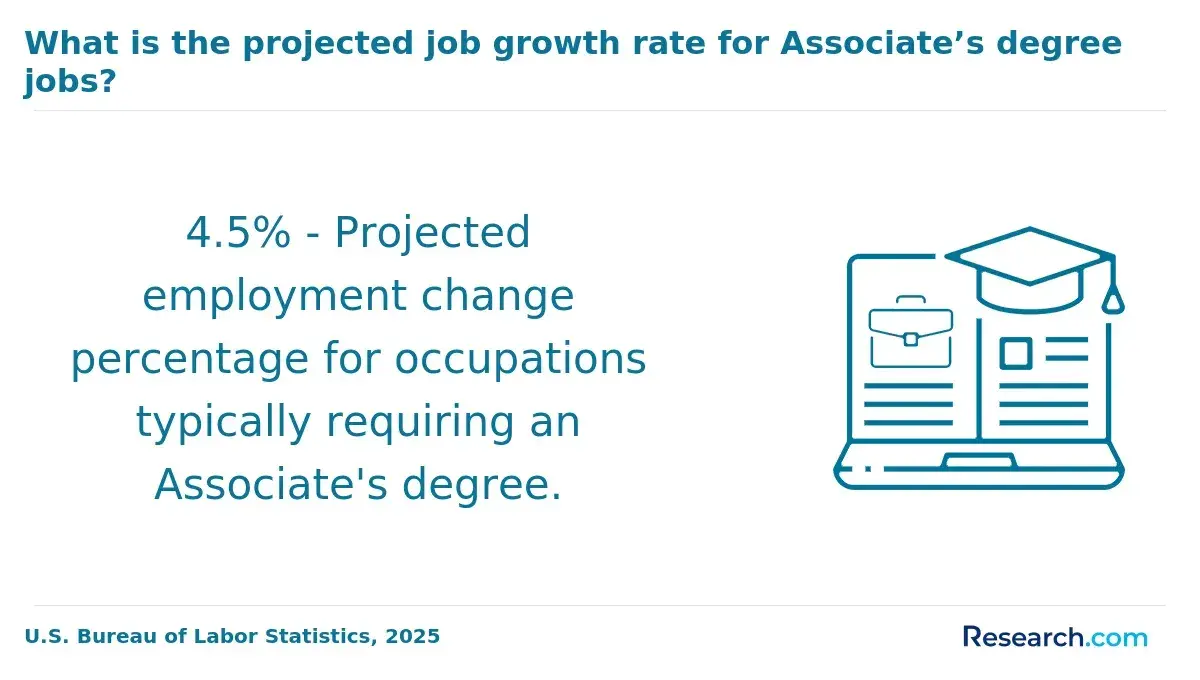
Positions that emphasize compliance command median salaries around $141,900 with projected job growth of 4.5%, while broader operations management roles report median pay near $107,230 and 6.1% growth. These figures confirm differentiated market demand for expertise in regulatory navigation versus operational leadership. Graduates without a clear specialization often experience delayed career momentum due to a less targeted skill set.
When evaluating the best online operations management degrees for project operations, accreditation and embedded real-world experiences like internships or co-ops are critical. For example, a compliance-focused curriculum with federal and state regulation casework supports transitions into highly regulated industries such as healthcare or finance. In contrast, supply chain you can reference practical leverage in handling disruptions crucial for project delivery. Prospective students seeking flexibility may consider easy online MBA programs that align with these strategic specializations.
What core courses and skills are taught in an online operations management curriculum?
Advanced operations management education prioritizes quantitative skills and strategic frameworks that directly impact organizational performance and resource efficiency. Key coursework emphasizes inventory control, process optimization, and supply chain logistics-skills that translate into tangible improvements in both manufacturing and service sectors. For instance, lean Six Sigma methods reduce production waste and cycle times in manufacturing, whereas healthcare operations benefit from capacity planning and compliance strategies that streamline patient flow.
Students also gain critical financial competencies such as cost modeling and capital budgeting, ensuring operational decisions align with broader business goals. Leadership and communication training further prepare graduates to manage multidisciplinary teams and to present complex data-driven strategies to diverse stakeholders.
The practical value of such education appears most clearly in roles requiring cross-functional coordination under budget constraints, common in large-scale distribution or service operations. However, mastery demands integrating technical analytics with hands-on risk and project management experience, which some programs may underestimate.
According to University HQ, top operations and general managers holding master's-level credentials can earn over $200,000 annually, reflecting the premium placed on advanced skills that extend beyond undergraduate training. This earnings differential signals both the strategic responsibility and operational accountability expected in senior roles.
- Core focus areas include quantitative analysis, strategic decision-making, and process improvement.
- Real-world application spans industries: manufacturing, healthcare, and retail.
- Financial acumen and leadership skills are integral for career advancement.
What are typical admission requirements and prerequisites for online operations management bachelor's and master's programs?
Online operations management programs demand different preparation levels depending on degree aspirations, directly impacting employability and immediate workforce relevance. For bachelor's applicants, the baseline is typically a high school diploma or GED, with a GPA threshold around 2.5 to 3.0. Test waivers are common, but schools still expect proof of competence in math and English, critical for handling operations analytics and communication tasks. Transfer students must navigate credit eligibility, a frequent stumbling block that can delay progression if mismanaged.
Master's admissions emphasize not only academic credentials-a bachelor's degree with a GPA near 3.0 to 3.5-but also professional experience in operations or project management. This experiential requirement is often a gatekeeper, recognizing that real-world leadership skills and decision-making acumen translate more effectively than test scores alone. GMAT or GRE scores are sometimes requested, but waivers acknowledge the value of prior graduate work or substantial career tenure.
A practical consideration for many is quantitative preparedness, often met through prerequisites like statistics or calculus, or remedial bridging courses if lacking. This ensures candidates can engage with data-driven decision models central to operations roles.
Choosing formal programs versus standalone courses also involves weighing credential value against time and cost. Data from Coursera's 2024 outcomes show that professional certificate holders typically achieve measurable career gains within six months, an advantage over noncredentialed learners. This reflects employer preference for verified competencies aligned with operational leadership demands.
How long do online operations management degrees take to complete, and what do they cost?
Time commitment and program structure in online operations management degrees directly affect a student's workforce reentry and advancement opportunities. Accelerated options compress coursework into 12 to 15 months by focusing on essentials, suited for professionals prioritizing speed over depth. Conversely, programs extending to three years often include thesis or capstone components, appealing to candidates seeking comprehensive strategic and leadership development, despite longer time to graduation.
Cost remains a pivotal consideration, ranging broadly from $10,000 to $45,000. Public institutions tend to be more affordable, especially for residents, while private schools premium price points reflect specialized faculty and enhanced networking prospects. Investing $20,000 to $35,000 in online master's programs may yield substantial ROI where median salaries surpass $100,000 annually, though students must balance upfront expense against potential employer recognition and career trajectory.
Practical tradeoffs matter:
- Shorter degrees accelerate entry into manufacturing or logistics sectors valuing hands-on skills and quick availability.
- Longer programs better prepare those targeting executive roles with deeper domain expertise and leadership emphasis.
For a full-time supply chain analyst, a 24-month program with evening classes and employer tuition reimbursement might be the realistic path to balance income and study. Program accreditation, alumni employment outcomes, and employer partnerships provide tangible indicators of market alignment and graduate utility.
What careers can you pursue with an online operations management degree in project-focused organizations?
Operations management roles demand expertise in coordinating workflows, optimizing resources, and delivering projects on time-skills honed through applied, project-driven coursework. For instance, a construction project manager must control budgets and schedules, while an IT project manager prioritizes agile delivery and stakeholder communication. Employers favor graduates who demonstrate proficiency in data-driven decision-making, risk management, and leading cross-functional teams.
This need is especially acute in manufacturing sectors dealing with complex, global supply chains, where inefficiencies directly reduce profit margins. Graduates who gain experience with case studies and key tools like ERP or project management software typically achieve faster progression.
Education models offering flexible formats and pricing, such as the online MS in Operations Management at the University of Arkansas charging $313 per credit plus a $50 technology fee, reduce barriers for working professionals. Notably, online students pay in-state tuition regardless of residency, supporting career pivots without relocation or employment interruption.
Graduates also face the challenge of adapting methodologies across industries and managing interdepartmental dynamics in matrix organizations. Continuous skill updates in frameworks like Lean, Six Sigma, or Agile remain essential for maintaining relevance and operational impact in evolving environments.
What salary ranges and job outlook can operations management graduates expect in project operations roles?
Starting salaries for graduates with online operations management degrees focused on project operations roles typically range from $65,000 to $85,000. Wage trajectories depend heavily on sector and experience, with mid-level professionals earning $90,000 to $115,000 and senior project operations managers surpassing $130,000, influenced by geographic and industry factors.
Manufacturing roles often offer stable but slower salary growth with union benefits, while tech sector positions can provide faster income gains linked to performance, albeit with greater volatility. Healthcare operations prioritize compliance and coordination skills, making industry certifications alongside the degree critical for competitive salaries.
Admission criteria emphasize a minimum 3.0 GPA plus relevant professional references, targeting candidates with prior operational experience. Employers clearly favor applicants who demonstrate leadership and applied skills over fresh graduates lacking exposure, directly affecting starting salaries and promotion speed.
Candidates should anticipate investing two to five years post-degree obtaining practical experience before reaching top-tier compensation. Strategic networking and certifications like PMP significantly improve opportunities. Those below admission thresholds risk delays in career progression due to underemployment unless they pursue bridging credentials or gain relevant work experience.
- Growth of 10% in operations and project management employment projected through 2032 by the U.S. Bureau of Labor Statistics
- Sectors include manufacturing, technology, healthcare, and logistics
How can prospective students evaluate and choose the best online operations management program for their goals?
Choosing an online operations management program requires assessing how well the curriculum and cost serve your specific career pivot or advancement goals. For instance, professionals aiming for supply chain leadership need courses in logistics analytics and strategic sourcing, while those targeting tech project operations benefit more from agile methodologies and digital transformation studies.
Financial investment presents a tangible tradeoff. Southern New Hampshire University offers an online MBA with a supply chain/operations management concentration at roughly $20,000 in tuition, considerably less than many private MBA programs ranging from $40,000-$60,000. Such differences affect not only affordability but longer-term debt and return on investment.
Accreditation by recognized bodies like AACSB or ACBSP signals rigorous standards and employer recognition, but equally important is faculty with recent industry experience and curricula incorporating relevant data analytics and operational software.
Employers increasingly seek candidates with hands-on exposure to supply chain digitalization and project risk management. Programs integrating simulations, client projects, or internships give graduates a measurable edge in employability.
- Flexibility matters: asynchronous formats benefit working parents balancing responsibilities.
- Smaller cohort sizes can enhance networking and personalized feedback.
- Industry-specific electives better prepare those targeting manufacturing or tech sectors.
Evaluating graduation rates, salary outcomes, and employer connections provides practical insight into program effectiveness beyond marketing materials.
Other Things You Should Know About Operations Management
Asynchronous online courses provide flexibility but demand strong self-discipline and time management from students, especially those balancing full-time jobs. Synchronous or hybrid formats introduce fixed schedules that can conflict with work hours but improve live interaction and immediate feedback. Working professionals should evaluate their availability and learning preferences to select formats that align with their capacity to handle coursework without burnout.
Employers in project-centric industries prefer candidates with targeted skills in project operations or supply chain management over general operations management degrees. Specialized programs convey deeper expertise in managing project workflows, resources, and metrics, which are critical for project success. Candidates should weigh whether a specialized curriculum better matches their career goals and industry demands before enrollment.
While accreditation ensures baseline quality, the specific program's industry connections and alumni outcomes carry more weight in hiring. Programs linked with professional organizations or those offering certifications relevant to project operations improve networking and job placement opportunities. Prospective students must research graduate employment rates and employer feedback to gauge a program's practical return on investment.
References
- Operations Management https://ps.sckans.edu/degrees-and-certificates/bachelors/operations-management/
- Master Operations Online: Your Guide to an MBA in Operations Management https://matchtocollege.com/blog/online-mba-operations-management-master-your-future
- 15 Most Affordable Online Bachelor's in Operations Management Degrees https://www.greatvaluecolleges.net/affordable/online-operations-management/
- What Is the Typical Operations Manager Salary? https://claremontlincoln.edu/news-blog/operations-manager-salary/
- Certified Operations Professional/Manager (COP)/(COM) - OMI https://operationsmi.org/certified-operations-professional-manager-cop-com/
- Online MBA vs Traditional MBA: What are the differences? | StudyNext Australia https://studynext.com/au/resources/online-mba-vs-on-campus-mba
- CourseCareers https://coursecareers.com/blog-posts/operations-vs-project-management-which-career-path-is-right-for-you
- Operations Management System: A Guide to Choosing the Best https://www.2n.pl/articles/operations-management-system-a-guide-to-choosing-the-best
- The Impact Of Online MBAs On Traditional Business Education https://elearningindustry.com/the-impact-of-online-mbas-on-traditional-business-education
- Online MBA in Operations Management: Review Top Schools https://www.onlinemastersdegrees.org/best-programs/mba-programs/operations-management/