2027 Best Online Operations Management Degrees for Business Operations Careers

Co-Founder and Chief Data Scientist
Mid-career professionals aiming to transition into operations management often confront a complex tradeoff: securing advanced credentials without sacrificing full-time employment or relocating. The challenge intensifies as employers increasingly demand candidates proficient in both strategic planning and digital process optimization, skills frequently developed through targeted education. Recent data from the National Center for Education Statistics shows a 12% surge in enrollment in online business management programs in the last two years, signaling a shift toward flexible learning models that accommodate working adults.
This trend reflects broader workforce demands for accessible, career-aligned education that fits diverse schedules and skill gaps. This article evaluates the best online operations management degrees, focusing on program flexibility, curriculum relevance, and career outcomes to guide effective decision-making for professionals balancing advancement with practical constraints.
Key Things You Should Know
- Operations management programs with integrated AI and supply chain analytics show 24% higher mid-career salary gains, yet specialized electives increase time-to-degree by 15%, forcing tradeoffs between speed and market relevance.
- Employers prioritize certifications linked to Lean Six Sigma or Agile frameworks over broad business degrees, prompting candidates to target programs offering explicit credential pathways to enhance hireability.
- Public university online degrees average 35% lower tuition versus private counterparts as of 2024 National Center for Education Statistics data, making cost a decisive factor for mid-career professionals balancing education debt and opportunity cost.
What is an online operations management degree and how does it prepare you for business operations careers?
The core value of online operations management degree programs for business careers lies in immediate applicability coupled with the challenge of balancing rigorous coursework alongside professional duties. Graduates enter roles where skills like supply chain coordination, workflow optimization, and resource allocation directly influence operational efficiency and cost structures.
For instance, a healthcare operations manager may leverage these competencies to shorten patient wait times, while a manufacturing supervisor might implement lean methodologies to streamline production. Employers expect not only conceptual knowledge but also proficiency in software tools such as enterprise resource planning systems and robust data analysis.
This technical fluency aligns with heightened performance metrics demands across sectors. However, prospective students must carefully vet program accreditation and integrate practical experiences-internships or project-based courses-to avoid theoretical gaps that can hinder employability. Labor market data from Lightcast cited by the University of Kansas shows a median annual salary of $102,950 for operations management roles in the U.S., alongside 2.8 million yearly job openings and a 6% growth projection.
This steady demand underscores the field's importance in driving measurable improvements in logistics, retail, and consulting. For those evaluating options, understanding how an operations management degree prepares you for business operations roles involves recognizing that career progress hinges on strategic planning, technology mastery, and real-world application. Supplemental credentials like a project management degree may enhance these capabilities, reflecting employers' multidisciplinary expectations.
How do online operations management degrees compare with on-campus programs for quality and flexibility?
Online operations management degrees mirror the curriculum quality of on-campus programs while providing distinct flexibility critical for working professionals. The flexibility of online versus on-campus operations management programs often hinges on the ability to balance employment and studies without disrupting career momentum.
For example, a logistics analyst can implement supply chain algorithms learned through remote study directly on the job, avoiding career interruption. However, those pursuing roles in sectors dependent on local industry ties, like healthcare operations, might find on-campus networking more effective.
Accredited online programs maintain core competencies such as supply chain optimization and project management, but students must manage limited synchronous interaction and virtual practical labs. Employer preferences emphasize recognized accreditation across both modes, yet internships and in-person projects remain decisive for gaining analytics or operations research roles, especially given a 21.5% job growth projection for operations research analysts with competitive salaries averaging $88,940.
Tradeoffs include restricted access to campus resources and slower peer collaboration, which can impede cohort-based executive studies. Online pathways, however, uniquely support mid-career pivots by eliminating geographic and scheduling limits, enabling targeted upskilling without relocation. Those interested in expanding their credentials might also consider related fields such as a sport management degree online, which shares strategic and operational decision-making frameworks applicable across industries.
What types of online operations management degrees are available, from associate to MBA and beyond?
Choosing among online operations management degree programs requires weighing practical employment outcomes against the educational investment. Associate degrees often prepare individuals for entry-level roles in manufacturing or retail logistics by emphasizing core skills such as supply chain fundamentals and process improvement.
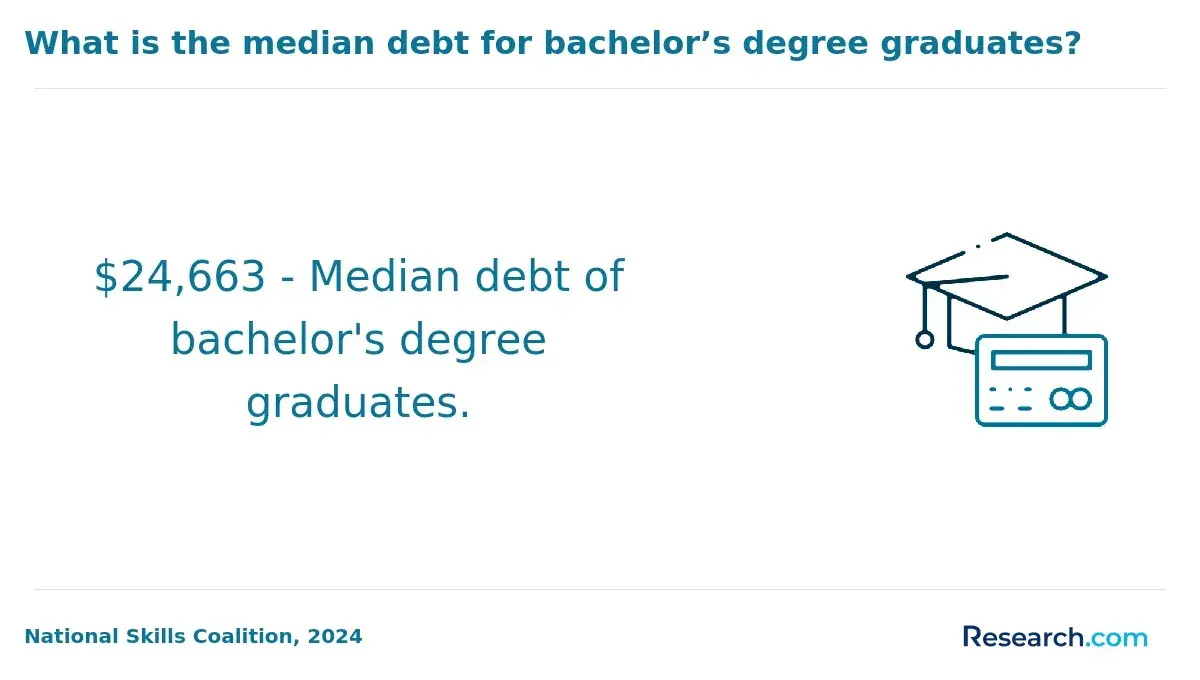
In contrast, bachelor's degrees introduce strategic components like project management, quality control, and data analytics, aligning graduates with mid-level supervisory or business analyst roles in sectors including healthcare and e-commerce. Master's degrees, particularly MBAs with an operations focus, often demand more time and financial resources but target leadership positions by integrating advanced financial analysis and global supply chain management.
These programs suit candidates aiming at broad executive responsibilities, while specialized master's degrees in operations management better serve those pursuing technical leadership or operational strategy roles. Doctoral programs prioritize research, leading to academic careers or senior industry roles centered on innovation and policy.
Real-world fit hinges on context-for example, a production supervisor in automotive manufacturing benefits more from a bachelor's with applied logistics training than a theoretical MBA curriculum. Accreditation, course delivery methods, and employer recognition further dictate program relevance, especially given the critical role of networking in an operations environment reliant on problem solving and relationships.
Median annual pay for operations management professionals is roughly $102,950, suggesting considerable ROI potential for advanced degrees but underscoring the need for careful career alignment. Students should also assess available options carefully, including examining hospitality management courses online, which can offer related insights into program structures and pacing.
What accreditation should you look for in an online operations management program in the U.S.?
Regional accreditation from bodies recognized by the U.S. Department of Education, such as the Higher Learning Commission or the Southern Association of Colleges and Schools Commission on Colleges, remains the baseline for evaluating online operations management program accreditation in the U.S. This ensures not only academic rigor but seamless credit transfer essential for career pivots or further education.
Specialized accreditations, including those from the Accreditation Council for Business Schools and Programs (ACBSP) or the Association to Advance Collegiate Schools of Business (AACSB), carry additional weight in industries like logistics, manufacturing, and retail, where employers often screen for these credentials. Employers in heavily regulated sectors-such as aerospace or pharmaceuticals-expect compliance with specific accreditation standards to verify education quality and prevent credential disputes during audits.
Programs lacking recognized accreditation may appear attractive due to lower tuition or accelerated schedules, but they risk diminished employer recognition and limited credential value, especially within Fortune 500 companies and government contracting environments.
Cost models reflect these differences clearly. For example, Western Governors University charges a flat $3,830 per six-month term for its online supply chain and operations management bachelor's program, allowing faster completion and potentially lower total tuition when compared to AACSB-accredited programs.
Balancing tuition cost against accreditation status and industry expectations is crucial, especially if transferability or long-term credential acceptance matters. Students should also consult resources highlighting the cheapest online MBA programs to consider subsequent management education pathways post-operations management credentials.
Choosing a program with accreditation aligned to your targeted industry and workforce conditions safeguards career mobility and maximizes return on educational investment.
What courses and specializations are typically included in an online operations management curriculum?
Online operations management programs must move beyond core theory and address sector-specific challenges and workflows to hold value for mid-career professionals. The curriculum frequently targets supply chain strategy, quality management, and project management, yet real differentiation comes from specialization areas like advanced analytics, lean manufacturing, and procurement-responding to employer needs for precision in decision-making and operational agility.
Applied proficiency is non-negotiable. For instance, logistics-focused students implement transportation management tactics to lower delivery costs and improve fulfillment speed, whereas manufacturing tracks stress lean principles and Six Sigma methods to cut waste and boost throughput.
Data analytics and forecasting skills are critical in environments where fluctuating demand and supplier disruptions pose continuous risk, making risk management and compliance part of the practical toolkit. Financial literacy within operations teaches graduates to align cost accounting and budget control with strategic capital decisions, which directly influence pricing and investment choices.
The education-to-employment pipeline favors candidates demonstrating software competency such as ERP systems and simulation tools-skills often evaluated in hiring and advancement phases. Practically, the cost structure of online degrees, evidenced by the University of Arkansas's $313 per credit hour plus fees-typically cheaper than on-campus alternatives-accommodates working professionals needing education without income interruption. This price-performance balance is critical for those targeting a sustainable pivot or progression in operations roles.
What are the common admission requirements for online operations management degree programs?
Admission to online operations management degree programs demands a strategic alignment of academic foundations, professional history, and industry relevance. Entry standards typically require a minimum of a high school diploma for bachelor's programs, while advanced degrees mandate official transcripts evidencing a GPA around 2.5 to 3.0.
Demonstrable workforce experience-particularly in manufacturing, logistics, or quality assurance-is often essential to engage effectively with applied coursework. This practical prerequisite filters candidates, ensuring readiness for leadership roles rather than academic theory alone. Standardized testing is increasingly de-emphasized, with most programs waiving SAT or ACT scores. However, graduate applicants may still face GRE or GMAT requirements, commonly with cutoffs between 290-310 (GRE) or 500-600 (GMAT).
Letters of recommendation tend to carry weight only if quantitative skills in areas like finance or project management are undocumented. Personal statements should focus sharply on career objectives aligned with operational challenges such as compliance and efficiency. Consider the compliance manager pivoting to operations leadership: proof of technical credentials like Six Sigma or PMP often becomes mandatory.
Workforce data from programs like Arizona State University's BAS in Operations Management and Technology reveal a 4.5% annual growth in compliance management roles with salaries averaging $141,900, indicating the market's premium on specialized knowledge combined with practical experience.
Evaluation of digital literacy and time management skills is crucial given the online format. Candidates lacking these skills may face preparatory modules, reflecting that success in this pathway depends on a balanced profile-academic adequacy, relevant experience, and clear career focus matched to employer expectations in expanding operations roles.
How long do online operations management degrees take and what do they cost?
Choosing an online operations management degree involves balancing time, cost, and career impact rather than simply seeking the shortest or cheapest path. Bachelor's programs typically span four years, but accelerated options can reduce this to two or three years for full-time or transfer students, while part-timers often need five to six years. Prospective students must consider how program length intersects with their employment status and financial constraints.
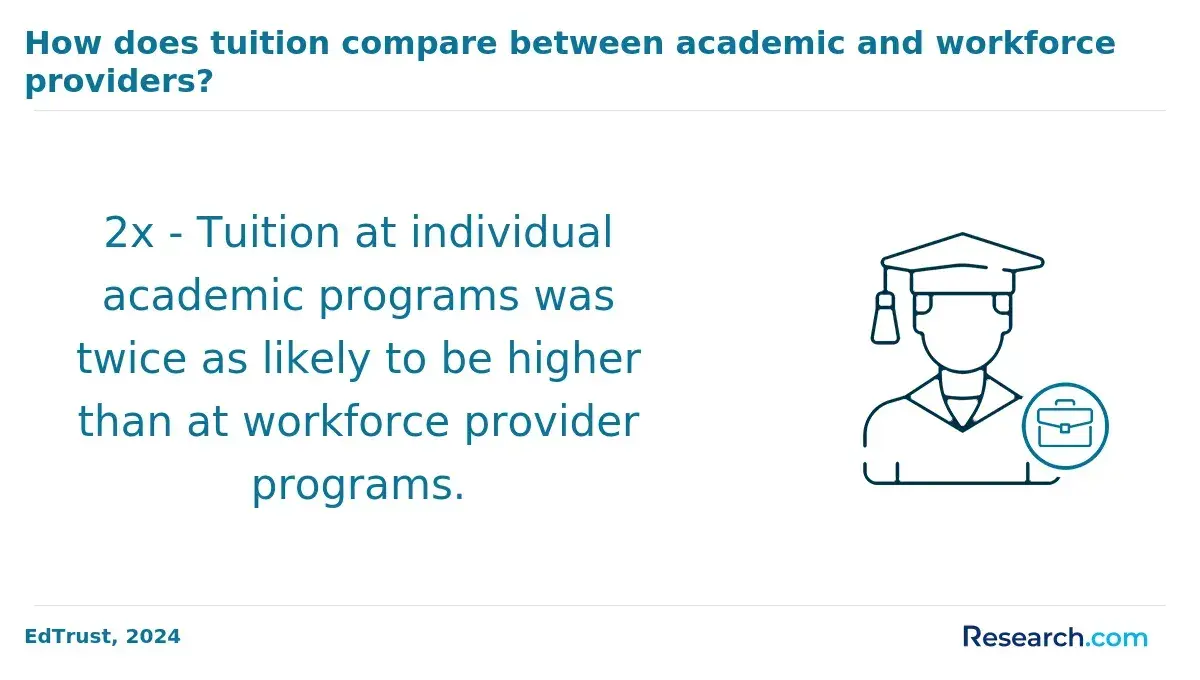
Tuition ranges considerably: public universities generally charge $40,000 to $60,000 for in-state online students, whereas private institutions often range from $60,000 to over $100,000. Additional expenses like textbooks and software should be factored in, even when employer tuition assistance or federal aid applies. From a workforce perspective, Lightcast data cited by the University of Kansas shows roughly 2.8 million annual openings in operations roles nationally, reflecting sustained demand.
Professionals in manufacturing aiming for supply chain leadership may prioritize accelerated degrees despite higher costs to minimize income loss. Conversely, mid-career managers in service sectors often prefer affordable, lengthier programs that accommodate full-time work.
Employers focus primarily on applicant skills evidenced through internships, capstone projects, and industry credentials rather than institutional prestige. Evaluating programs through these dimensions is essential alongside pacing and cost considerations to align education with tangible career outcomes.
What careers can you pursue with an online operations management degree in business operations?
Success in operations management hinges on the ability to translate data-driven insights into actionable workflow improvements across diverse industries. For instance, a supply chain manager in manufacturing leverages specialized operations knowledge to minimize inventory overhead while improving delivery efficiency. This practical application overshadows purely theoretical credentials when employers seek professionals who can measurably impact operational KPIs within tight timelines.
Positions such as operations analyst or business process manager demand proficiency in cross-team coordination, risk mitigation, and regulatory compliance, especially in regulated sectors like healthcare or logistics. Advanced degrees, such as an online MS in Operations Management at $480 per credit hour, represent a strategic investment by providing focused expertise without the broad, often costlier, MBA framework. However, the ultimate value depends on pairing academic learning with hands-on experience or professional certification readiness (e.g., Six Sigma or Lean methodologies).
Real-world challenges include balancing professional and educational commitments while securing meaningful mentorship. Programs integrating practicum opportunities or strong networking components can bridge the gap between coursework and the workplace.
Candidates must critically assess their sector-specific needs and implementation contexts to ensure an online operations management degree delivers practical competence rather than generic knowledge.
What salary ranges and job outlook can operations management graduates expect in business operations roles?
Salary ranges for operations management graduates vary significantly by industry and experience, from about $55,000 for entry-level roles in retail logistics or administrative functions up to $105,000 for senior managers in tech or healthcare.
Mid-level positions in manufacturing or supply chain typically fall between $80,000 and $90,000 annually. These figures reflect practical market realities tied to specific sectors rather than generic averages. Entry into smaller firms or startups often involves accepting lower starting pay but offers faster rise potential, whereas established companies provide more stable, higher ceiling positions albeit with stiffer initial competition. A strategic choice between these settings can impact early career trajectory and earnings growth.
Projected job growth of 9% through 2032 stems largely from demand for expertise in data analytics, process optimization, and technology-enhanced workflows-competencies increasingly sought by employers reacting to supply chain disruptions and shifting consumer preferences.
Cost-effective degree options-such as low per-credit-hour online programs charging $108-$180-or flat-rate models around $3,955 for six months can materially improve return on investment by reducing debt burden, making salary outcomes more realistic for career changers or advancing professionals.
Beyond academic credentials, employers emphasize certifications like Six Sigma and PMP to validate specialized skills that unlock leadership roles and higher pay. A sustained commitment to credentialing remains essential for long-term value in operations management.
How can you choose the best online operations management program for your goals and background?
Choosing an operations management program requires aligning curriculum depth and specialization with concrete career objectives and existing expertise. For example, a mid-career retail manager transitioning to manufacturing leadership should prioritize programs emphasizing supply chain analytics and strategic management directly tied to manufacturing environments.
Such targeted selections enhance skill relevance and access to employer networks, which are critical for securing internships or mentorship opportunities that build industry-specific experience. Program flexibility often determines your ability to balance education with work. Asynchronous courses and accelerated tracks mitigate burnout and speed workforce reentry at a higher competence level.
Importantly, prioritize programs incorporating real-world case studies and project-based assessments on relevant sectors like healthcare operations or retail inventory, as these improve retention and employer evaluation of your practical readiness.
Financial investment needs to be viewed in terms of regional salary outcomes and industry demand. Operations managers in Texas earn between $130,000 and $180,000 annually, indicating substantial long-term returns, but confirming the alignment between tuition cost and anticipated salary uplift in your target market minimizes risk of underutilized credentials.
Also verify accreditation and availability of stackable credentials favored by employers, alongside support services such as career counseling and alumni networks, which materially influence job placement success.
Other Things You Should Know About Operations Management
Students aiming for roles in logistics, procurement, or global operations should prioritize programs with robust supply chain components, as employers increasingly value integrated skill sets over siloed knowledge. However, candidates targeting internal process optimization or service operations may benefit more from programs emphasizing lean operations and process improvement. Balancing these focuses aligns your education with specific employer needs and can improve job placement chances over more generalist curricula.
In 2027, ideal online operations management degree programs for working professionals offer flexible scheduling, asynchronous courses, and practical curriculum that's directly applicable to real-world business challenges. They often provide opportunities to learn at one's own pace while maintaining career commitments, making it feasible for professionals to advance their education and career simultaneously.
Employers recognize the credibility of online degrees increasingly, especially when from accredited institutions and programs with strong practitioner engagement. However, some traditional employers in highly competitive sectors may still prefer candidates with on-campus experience due to perceived networking advantages. Candidates should compensate by gaining relevant internships, certifications, or practitioner projects to demonstrate applied skills alongside their online credentials.
Operations management programs incorporating business strategy prepare graduates better for leadership tracks by developing cross-functional decision-making skills that align operations with organizational goals. Students targeting advancement into management roles should prioritize these offerings over narrow technical courses. Conversely, those focused on specialist or technical roles might delay strategy courses in favor of operational analytics or quality management first.
References
- Best Operation Management Courses for Professionals 2025 https://www.bmc.net/blog/management-and-leadership-articles/best-operation-management-courses
- Online MBA in Operations Management from D.Y. Patil University - 2026 https://vidyarishi.com/dy-patil-vidyapeeth-university/mba/operations-management
- Online vs. On-Campus: Choosing the Right Format for Your Supply Chain Degree https://www.ucumberlands.edu/blog/online-vs-on-campus-choose-your-supply-chain-degree-format
- Operation Management Certification| ICPD https://theicpd.com/certificate/opertations-manager-certification
- How to Choose the Right Online Business Program for Your Career Goals https://www.abms.ch/post/how-to-choose-the-right-online-business-program-for-your-career-goals
- 10 Best Operations Management Courses & Certification to Boost your Career in 2022 - Vskills Blog https://www.vskills.in/certification/blog/10-best-operations-management-courses-certification-to-boost-your-career-in-2022/
- Online MBA in Operations Management - Swiss School of Business and Management Geneva https://www.ssbm.ch/online-mba-in-operations-management/
- Quantic School of Business and Technology https://quantic.edu/blog/2021/09/28/operations-management-career-path-best-mba-to-advance/
- Best Certifications for Operations Management https://blog.msbm.org.uk/best-certifications-for-operations-management