2027 Best Online Bachelor's in Operations Management for Healthcare Operations Paths

Co-Founder and Chief Data Scientist
Healthcare operations managers frequently confront the challenge of optimizing resource allocation amid fluctuating patient volumes and regulatory complexities that directly impact care quality and cost efficiency. This pressure intensifies given that 60% of adult learners now prioritize flexible scheduling options, according to the National Center for Education Statistics, reflecting a shift toward balancing education with ongoing professional duties. The growing reliance on online programs that accommodate working professionals signals a crucial pivot in how operations management education must be delivered to remain accessible and career-relevant. This article evaluates top online bachelor's in operations management programs tailored for healthcare, focusing on flexibility, curriculum rigor, and career impact to guide informed enrollment decisions.
Key Things You Should Know
- Healthcare Operations Management degrees show a median salary uplift of 18% over non-specialized business degrees, but 34% of graduates face underemployment within 12 months, per the National Center for Education Statistics 2024 data.
- Employers in healthcare prioritize candidates with direct industry project experience over GPA, with 67% of job listings requiring applied healthcare operations casework or internships, according to the Bureau of Labor Statistics 2024 report.
- Online program completion time varies by 35%, impacting ROI; accelerated tracks reduce tuition burden but often limit internship access crucial for healthcare operations roles, as detailed in the Association of American Colleges 2024 survey.
What is an online bachelor's in operations management for healthcare operations?
Efficiency in healthcare delivery increasingly hinges on a precise grasp of healthcare operations workflows, a need directly met by pursuing an online bachelor's degree in healthcare operations management. This specialized bachelor's program in operations management for healthcare administration teaches students to handle logistics, compliance, and budgeting within complex medical environments. The education integrates industry-specific knowledge like medical terminology and healthcare policy, aligning operations management skills with the sector's stringent regulatory and quality demands.
Graduates in this field typically assume roles where coordination among clinical staff, equipment procurement, and financial oversight is critical. For instance, a hospital operations manager might leverage this training to optimize patient flow, reduce unnecessary wait times, and negotiate vendor contracts, delivering measurable boosts to both patient satisfaction and institutional revenue. Employment prospects in this sector remain strong, with medical and health services managers earning a median wage of $125,280 and experiencing job growth projected at 28% from 2022 to 2032.
However, practical exposure remains a significant consideration. Online programs vary in their integration of internships or capstone projects that provide hands-on experience needed to offset the limitations of remote learning. Selecting a program that emphasizes healthcare-specific software and leadership preparation correlates with better job placement outcomes.
For those considering advanced education options, an online MBA operations management may serve as a strategic progression after completing a healthcare-focused bachelor's degree.
Is this degree accredited for healthcare operations jobs?
Employers in healthcare operations consistently prioritize candidates with accredited online operations management degrees for healthcare jobs due to the sector's stringent regulatory and efficiency demands. Degrees lacking accreditation - specifically from recognized regional or national agencies like the Higher Learning Commission or Middle States Commission - often fall short of industry expectations. This gap can block access to key employer-sponsored certifications such as Certified Professional in Healthcare Quality (CPHQ), which serve as important credentials for roles overseeing facility logistics or healthcare supply chains.
Healthcare operations management accreditation requirements impose curriculum standards that embed critical competencies in quality management, regulatory compliance, and patient flow optimization. These ensure graduates can address real-world challenges, such as improving care delivery efficiency-a priority cited by 72% of U.S. health system executives in a recent Deloitte survey. Without accreditation, degrees risk lacking rigorous healthcare-specific content and practical relevance, limiting graduates' competitive positioning.
Prudent decision-makers evaluating online programs should seek accredited degrees that integrate healthcare operations electives or clinical partnerships, providing experiential learning aligned with employer needs. Maintaining accreditation throughout enrollment is essential given the operational roles' expanding reliance on compliance expertise and technology proficiency.
Prospective students negotiating program choices may also consider related fields; for example, construction management degree programs often share operational strategies applicable to healthcare facilities. For reliable guidance on accelerated options, review this construction management degree resource.
How do online and campus programs compare for healthcare operations students?
Choosing between online and campus programs for healthcare operations management students hinges on balancing work integration against experiential depth. Online formats allow professionals to maintain full-time employment while developing practical skills, but they require ensuring the program includes practicum elements or industry partnerships to avoid gaps in hands-on training. Campus degrees, although less flexible, often provide a more structured environment with direct faculty interaction, networking, and access to healthcare institutions, which can enhance internship and job placement prospects in certain markets. This distinction reflects the key differences between online and traditional healthcare operations management degrees.
Healthcare operations roles demand strategic decision-making alongside expertise in regulatory compliance, data analysis, and patient flow optimization-competencies taught effectively in both online and campus setups if curricula align with market requirements. Yet, some employers still show preference for campus credentials in leadership recruitment, although this bias is fading as outcomes from accredited online programs demonstrate parity.
For instance, a working nurse pursuing promotion to healthcare operations manager may find the online route's flexibility essential but should prioritize programs with embedded practicum options. Conversely, recent graduates aiming for entry-level hospital administration roles may benefit more from on-campus networking and career resources.
The U.S. Bureau of Labor Statistics Employment Projections 2024 forecast healthcare as a major job growth driver, with management roles expanding rapidly, underscoring the need for candidates to weigh real-time application against experiential advantages.
Those considering advanced specialization might explore healthcare PhD programs online to deepen strategic expertise within this evolving field.
What courses are in a healthcare operations management program?
Healthcare operations management degree courses emphasize competencies that directly influence an organization's cost efficiency, regulatory compliance, and patient outcomes. Among the courses included in healthcare operations management programs, Healthcare Financial Management teaches candidates to handle tight budgets and reimbursement complexities prevalent in hospitals and clinics facing shrinking margins. Programs also prioritize Healthcare Quality and Patient Safety, where frameworks such as Six Sigma and Lean are employed to decrease clinical errors under demanding, high-stakes environments.
Health Information Systems courses are essential for managing electronic health records and utilizing data analytics, crucial for improving clinical workflows and satisfying meaningful use standards. Strategic Healthcare Management equips students to manage staff, allocate scarce resources, and interpret policy-skills necessary when operational bottlenecks impact facilities ranging from physician offices to large networks.
Regulatory and Ethical Issues coursework covers HIPAA and Medicare/Medicaid compliance, preparing candidates to handle audits and shifting legal landscapes effectively. The inclusion of Operations Research and Supply Chain Management addresses procurement challenges that can jeopardize patient care when supply disruptions occur. Project Management coursework frequently uses case studies to develop planning skills and communication strategies for upgrades or transitions without interrupting care.
Employers associate proficiency in these areas with compensation potential-the top 10% of medical and health services managers earned over $215,000 annually according to the U.S. Bureau of Labor Statistics. Students should evaluate these core courses for their practical impact on career trajectories and return on investment, especially when considering best MBA programs without GMAT requirements that align with healthcare operations management career pivot goals.
What admission requirements do these online programs usually have?
Admission to online bachelor's programs in operations management for healthcare often hinges on foundational academic preparation balanced against practical workforce readiness. While a high school diploma or equivalent is the baseline, programs increasingly weigh relevant prior coursework in business or health sciences and, in some cases, professional experience. This approach filters candidates who can immediately engage with the quantitative and regulatory demands characteristic of healthcare operations roles, such as managing supply chains or overseeing facility logistics.
Applicants typically submit transcripts documenting core skills in math and English, complemented by personal statements that articulate clear career objectives aligned with healthcare challenges. Some programs retain standardized testing but are shifting toward test-optional policies to accommodate working adults juggling multiple responsibilities. Letters of recommendation are less common but may be decisive in competitive scenarios targeting leadership tracks within hospital administration or pharmaceutical logistics.
Cost remains a pivotal factor, with public in-state online programs generally offering tuition approximately 30% lower than private nonprofits. This financial disparity can influence student access and timing for entering the healthcare operations workforce. Choosing programs with streamlined admission criteria and realistic prerequisites can reduce friction and expedite entry into roles requiring both operational expertise and regulatory understanding.
- Strong quantitative and communication skills evidenced through transcripts
- Test-optional policies increasingly common for working professionals
- Personal statements preferred over extensive recommendations
- Significant tuition cost difference between public and private online options
How long does the degree take and what does it cost?
The decision to pursue a bachelor's degree in operations management for healthcare must weigh time investment against immediate workforce demands. Standard full-time programs span about four years, but accelerated tracks compress this to 2.5-3 years by requiring intensive course loads and summer terms-an option that can strain working professionals balancing employment. Conversely, part-time or online options extend completion up to 5-6 years, providing necessary flexibility for incumbent healthcare personnel but delaying potential salary growth.
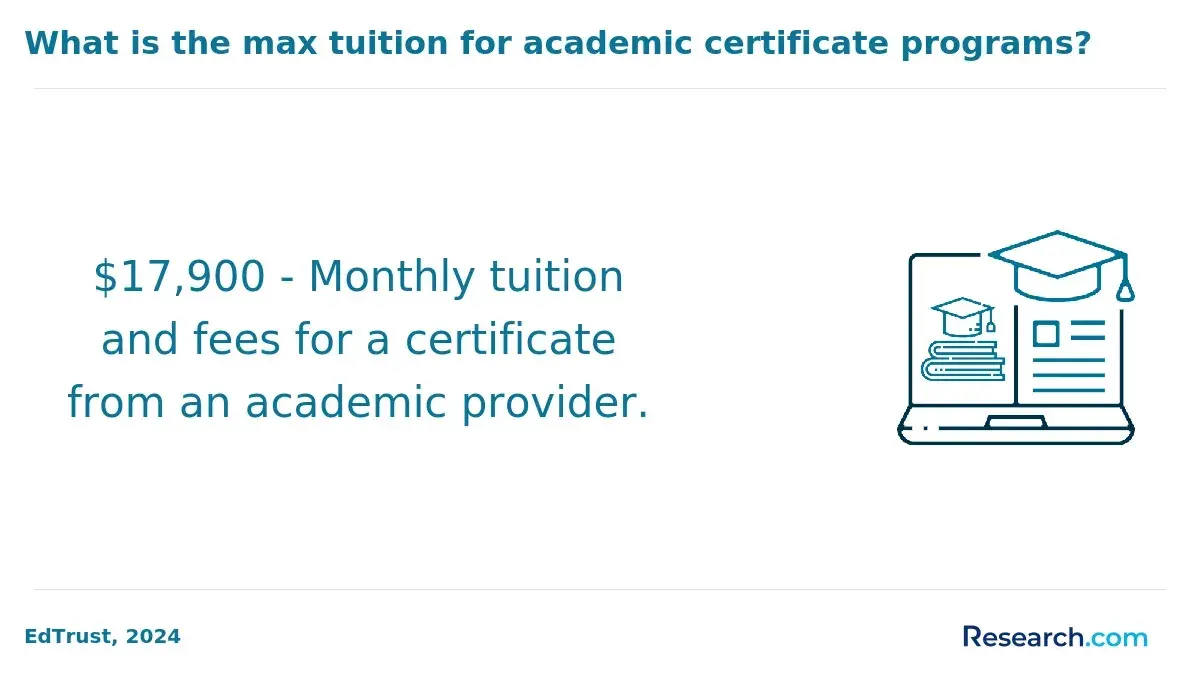
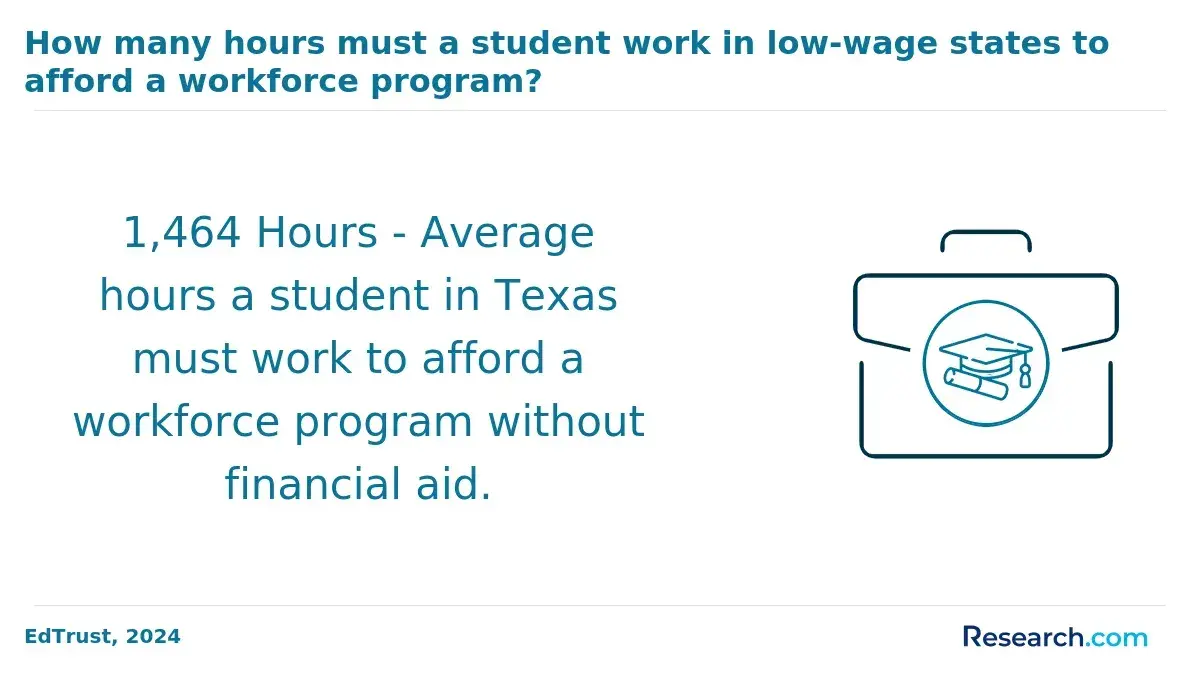
Tuition costs reflect institutional type and delivery mode, with public universities charging roughly $6,000 to $12,000 annually for in-state students (totaling $24,000 to $48,000), while private institutions often exceed $25,000 per year, potentially topping $100,000 when fees and materials are included. These costs demand careful budgeting against the backdrop of career return on investment.
Importantly, a 2024 HIMSS Workforce Survey reveals a severe skills gap: 81% of healthcare employers prioritize data analytics and process improvement, yet only 36% consider their workforce adequately prepared. Graduates lacking explicit training in these areas risk underqualification despite holding a degree, limiting upward mobility in operations roles increasingly defined by analytics capability.
- Accelerated degrees may expedite entry but can lead to burnout or compromised learning for working adults.
- Extended part-time options suit balancing work but postpone advancement opportunities.
- Cost-to-benefit analysis is critical given widely variable tuition and supplementary expenses.
- Program selection should emphasize integration of practical analytics and process improvement skills to meet employer expectations.
What careers can you pursue with this degree in healthcare operations?
Graduates with a bachelor's in operations management for healthcare enter roles that demand balancing efficiency and compliance within highly regulated medical environments. For instance, a healthcare operations manager must juggle staffing several hospital departments while adhering to strict health standards and cost limits. This context sharply differentiates healthcare operations from general business operations, requiring a nuanced understanding of clinical workflows, healthcare laws, and patient-centered processes.
Entry-level jobs often involve support roles like operations coordinators before advancing to managing entire facilities or large patient service lines. Employers value candidates with demonstrated skills in healthcare technologies and electronic health records, alongside leadership and data analysis capabilities.
Practical tradeoffs include a narrower employer pool due to the field's specialization and ongoing certification needs such as Certified Professional in Healthcare Quality or Lean Six Sigma to maintain market relevance. Transitioning from unrelated fields typically requires targeted internships or project experience to meet healthcare's unique compliance challenges.
The 89% one-year retention rate reported by U.S. News and World Report for top-ranked online business bachelor's programs suggests these curricula better prepare students for healthcare operations roles compared to the overall 76% retention rate for all online bachelor's programs. This reflects higher student commitment and stronger alignment with sector demands, translating into more stable hiring outcomes.
What salary can healthcare operations graduates expect?
Starting salaries for healthcare operations graduates typically range from $65,000 to $85,000 annually, influenced by location, employer scale, and prior experience. For example, a graduate managing electronic health record implementation in a metropolitan hospital can earn notably more than peers in smaller clinics focused solely on logistics. Those entering smaller community clinics may start lower but can accelerate salary growth by leveraging skills in regulatory compliance, supply chain efficiency, or patient flow optimization.
Mid-career professionals overseeing complex hospital systems or multi-site healthcare facilities often reach salaries between $95,000 and $120,000. However, hands-on internships and relevant work experience heavily impact initial offers-lacking this, graduates may see salaries below $60,000. Certifications like Lean Six Sigma further increase negotiation power, making practical outcomes in cost reduction and quality improvement more critical than academic pedigree.
Transferring at least 30 credits before or during a bachelor's program shortens time to degree by an average of 1.2 years, enabling earlier workforce entry and faster salary progression. Strategic early completion reduces missed income years and aligns more closely with employer hiring cycles.
Long-term career shifts-from operational roles to healthcare administration or consulting-can push total compensation, including bonuses, beyond $140,000. These transitions often demand advanced skills beyond the bachelor's level, emphasizing the value of ongoing education and industry networking post-graduation.
- Salary potential varies by type of employer and practical skill application.
- Experience and certifications weigh heavily in initial and mid-career salaries.
- Credit transfer accelerates completion, impacting earning timelines.
- Advanced roles require continued education and networking.
What is the job outlook for healthcare operations managers?
Healthcare operations managers face a labor market shaped by rapid sector growth and evolving operational complexity, with employment projected to rise 23% through 2032 according to the U.S. Bureau of Labor Statistics. This surge is driven primarily by an aging population and tightening regulations, demanding managers who bridge clinical workflows with technological integration and interdisciplinary coordination.
Employers often value candidates who bring practical expertise in managing electronic health records, compliance reporting, and digital health transformation. For instance, a hospital implementing new IT systems will prioritize managers with both operational and technical proficiency, while smaller clinics may require versatility across financial oversight and staff management.
Educational programs emphasizing internships, real-world case studies, or project-based learning yield graduates better equipped for these layered challenges. Data from the National Center for Education Statistics shows most bachelor's students in healthcare operations are adults with prior healthcare or business experience, enabling them to leverage specialized training swiftly for upward mobility.
Licensure and certification requirements differ by state and employer, making credentials such as the Certified Professional in Healthcare Quality (CPHQ) and Fellow of the American College of Healthcare Executives (FACHE) important for securing competitive positions and salary gains. Understanding these factors alongside degree completion is essential for realistic career pivots in this sector.
How do you choose a reputable online operations management program?
Choosing an online operations management program without close attention to healthcare-specific content risks leaving graduates unprepared for sector-specific demands such as regulatory compliance, patient flow, and supply chain complexities unique to healthcare. Employers increasingly prioritize candidates with hands-on experience in Lean Six Sigma and data analytics applied to real-world healthcare scenarios, making programs that integrate certifications or practical projects in these areas distinctly more valuable.
Graduation statistics alone are insufficient; programs demonstrating employment rates above 80% within six months post-graduation indicate a stronger alignment with market needs. Instructors actively engaged in healthcare operations contribute relevant, timely insights and may facilitate essential industry connections or internships, which online-only study typically cannot replicate.
Consider the tradeoff between flexibility and intensity: part-time, asynchronous programs suit working professionals balancing current employment and upskilling, while full-time tracks may accelerate transitions but at the cost of lost income and higher opportunity costs.
Industry growth projections-5.8% annual increases in global healthcare spending through 2028-reflect expanded demand for operations professionals who can optimize efficiency and reduce costs amid aging populations and chronic disease prevalence. Ignoring these long-term workforce drivers limits practical career advancement.
- Focus on healthcare-specific curriculum and certifications in Lean Six Sigma and data analytics.
- Verify employment outcomes that reflect real hiring success.
- Prioritize faculty with active healthcare operations backgrounds and program partnerships for practical experience.
- Assess program format tradeoffs between flexibility and pace.
Other Things You Should Know About Operations Management
Specialization in healthcare operations management significantly improves employability in the sector because it aligns skills directly with industry regulations and specific workflows. Employers in healthcare prefer candidates who understand clinical settings and compliance issues, which generic operations management degrees often overlook. Prospective students should prioritize programs offering healthcare-specific courses or practicums to ensure their skills match job demands rather than opting for broader operations tracks that may require additional on-the-job learning.
Employer recognition varies widely by program reputation, curriculum relevance, and institutional accreditation, but practical experience often outweighs online program format alone. Programs with strong healthcare partnerships or internship opportunities increase graduate visibility and trust in hiring decisions. Students should verify if employers in their target region have specific preferences for certain schools or if clinical experience is a more decisive factor than degree origin.
Accelerated programs offer speed but intensify workload, which can reduce depth of learning in complex healthcare operations topics. For professionals with existing healthcare experience, these programs can fast-track management skills if paced to allow practical application alongside study. However, without prior healthcare exposure, accelerated tracks may limit mastery of critical nuances, so students should weigh whether speed or comprehensive understanding better serves their long-term career goals.
References
- What Degrees Are Necessary To Land a Job In Healthcare Administration? - Healthcare Administration Degree Programs https://www.healthcare-administration-degree.net/faq/what-degrees-are-necessary-to-land-a-job-in-healthcare-administration/
- What Jobs Can You Get With a Healthcare Administration Degree? [Quiz] https://www.umassglobal.edu/blog-news/jobs-can-you-get-a-healthcare-administration-degree-quiz
- Careers with a Health Services Management Degree https://www.mhaonline.com/faq/careers-with-a-health-services-management-degree
- Online MBA in Operations Management: Review Top Schools https://www.onlinemastersdegrees.org/best-programs/mba-programs/operations-management/
- Healthcare Operations and Patient Flow Management https://heorinstitute.com/course/healthcare-operations-and-patient-flow-management/
- How is the Job Outlook for Careers in Healthcare Management? - Healthcare Management Degree Guide https://www.healthcare-management-degree.net/faq/how-is-the-job-outlook-for-careers-in-healthcare-management/
- Healthcare Management Careers: Opportunities at Every Level https://www.edumed.org/medical-careers/healthcare-management/
- Online vs On-Campus HIM Programs: How to Choose | Health Information Management Programs https://healthinformationmanagementprograms.com/guides/online-vs-campus-him-programs/
- How Do You Compare MHA Programs Online? - ThoughtLab https://thoughtlab.lynchburg.edu/college-search/mha-programs-online-what-to-look-for-when-choosing-the-right-healthcare-administration-degree/
- How to Become a Healthcare Operations Manager | CSU Global https://csuglobal.edu/blog/how-to-launch-a-career-as-a-healthcare-operations-manager