2027 Service Operations Roles You Can Target With an Operations Management Degree

Co-Founder and Chief Data Scientist
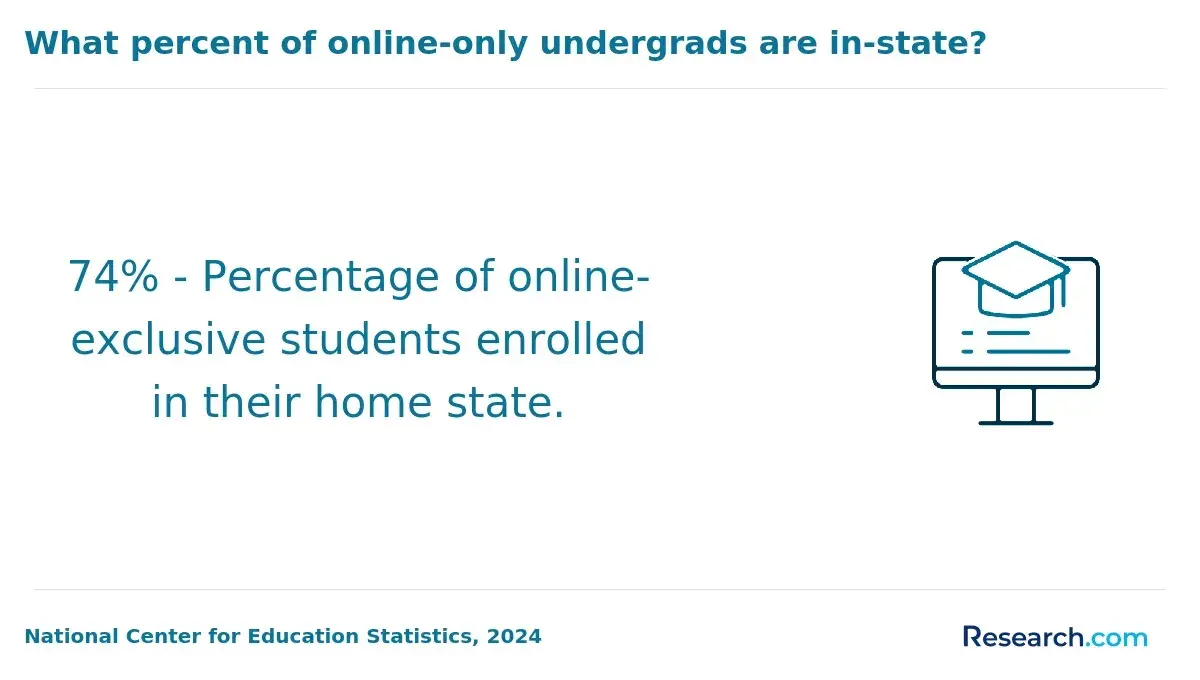
Imagine confronting a sudden supply chain disruption just as your company commits to a major product launch. The operational decisions you make directly influence revenue, brand reputation, and team morale. Yet, career pivots or upward moves in operations management often hinge on selecting the right role that matches both skill level and industry demand. Recent data from the National Center for Education Statistics confirms a 22% surge in adult enrollment in flexible, online operations degree programs since 2023, revealing shifts in how professionals balance advancing education with ongoing career obligations.
This article identifies key service operations roles suited for degree holders, guiding strategic career moves grounded in real workforce trends.
Key Things You Should Know
- Operations management graduates face a median wage premium of 15% over non-degree holders, yet shifting automation demands force early specialization, reducing adaptability across evolving service roles, as identified in 2024 BLS labor analyses.
- Employers prioritize candidates with data analytics synergy; 68% of service firms in recent Deloitte surveys rate integrated analytics competence as decisive, pressuring degree programs to embed cross-functional technical skills for workforce relevance.
- Extended degree durations linked to rising tuition-now averaging $38K annually for public institutions-delay entry into the labor market, creating opportunity costs that disproportionately affect mid-career pivots targeting service operations leadership roles.
What service operations roles fit an operations management degree?
Service operations roles for operations management graduates commonly require balancing efficiency with service quality under variable demand, forcing professionals to prioritize strategic resource allocation and process refinement. Administrative services managers, facilities managers, supply chain coordinators, and customer service operations supervisors typically occupy these positions, all needing a nuanced grasp of personnel management and operational constraints.
A projected 4% growth by the U.S. Bureau of Labor Statistics in administrative and facilities management, yielding approximately 36,400 annual openings, signals steady market absorption, especially in sectors like healthcare, education, government, and corporate support. For instance, an operations management graduate working in a hospital might coordinate complex scheduling, inventory systems, and compliance adherence to maintain patient care continuity, contrasting with retail roles where emphasis lies on customer flow optimization and inventory turnover.
Practical preparation demands proficiency in data-driven decision-making tools such as enterprise resource planning (ERP) software and leadership in continuous improvement initiatives. These roles often involve negotiating tradeoffs-such as cost containment versus service standards-that require demonstrable performance improvements through metrics and process enhancements.
Choosing specific career paths in service operations with an operations management degree requires understanding these operational nuances and workforce demands. Students aiming for this field may consider programs aligned with these skills, including pursuing a project manager bachelor degree, which supports core competencies in managing complex workflows.
Which operations jobs need a business degree?
Employers filling operations jobs requiring a business degree prioritize candidates who can translate academic concepts into actionable process improvements and strategic resource allocation. Entry-level roles such as operations coordinator or analyst often demand proficiency in finance, vendor negotiations, and analytics-skills rooted in business education rather than purely technical training. For example, an operations analyst managing logistics data without a solid foundation in business analytics risks misjudging performance metrics, which can cascade into operational inefficiencies.
Business degree careers in operations management typically provide the cross-functional leadership perspective essential for roles involving contract negotiation, compliance, and cost control-areas where specialized technical credentials may fall short. Practical workforce realities show that supply chain coordinators or procurement specialists benefit more from a business curriculum that balances operational know-how and legal understanding than from supply chain certification alone.
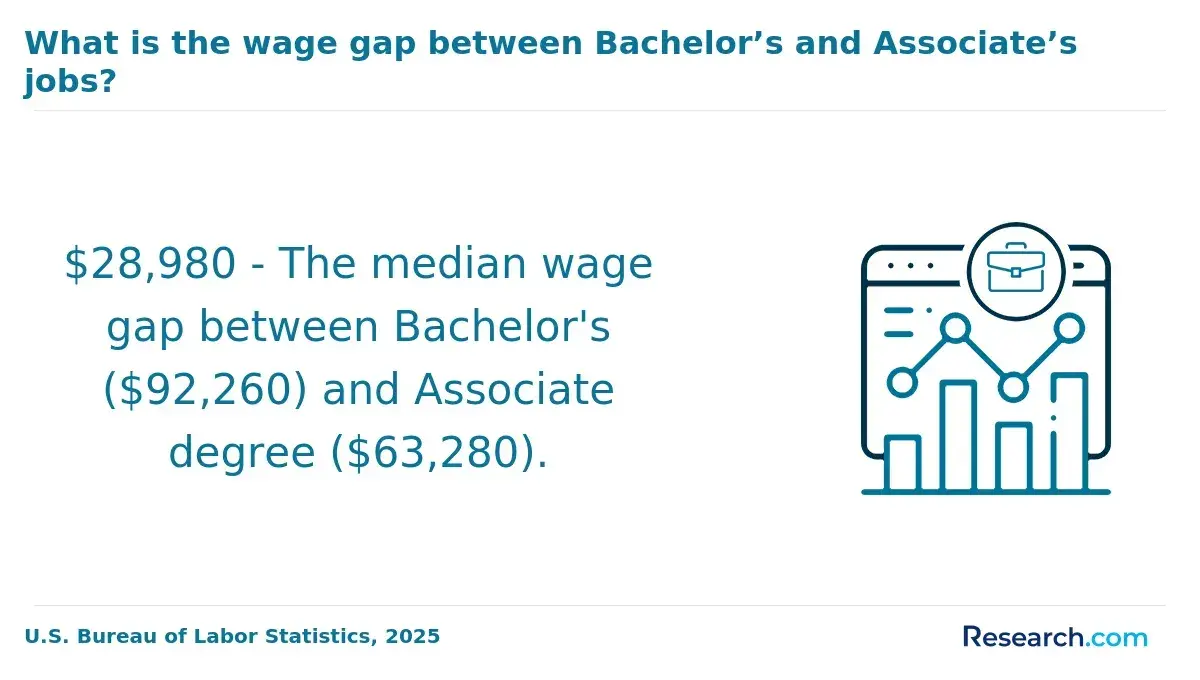
Salary.com data cited by Youngstown State University indicates entry-level operations coordinators earn approximately $65,870 annually in the U.S., emphasizing the value attached to business degrees on this career path. These positions often act as gateways to managerial roles where strategic planning and organizational behavior knowledge become crucial.
Students weighing pathways should recognize the importance of selecting programs with strong analytical and leadership components. For those considering related study fields, the construction management masters offer an alternate but distinct operational focus outside traditional business operations.
What qualifications do employers expect for operations roles?
Employers hiring for operations roles demand a blend of technical proficiency, analytical skills, and tangible experience, usually anchored by a bachelor's degree in operations management or related areas like industrial engineering, logistics, or business administration. Candidates with certifications such as APICS CPIM or Six Sigma stand out by demonstrating mastery of methodologies that directly impact workflow efficiency and cost control.
Required qualifications for operations roles increasingly emphasize hands-on familiarity with enterprise resource planning (ERP) systems, especially within manufacturing and distribution sectors. For instance, understanding the inventory management challenges in a consumer goods firm differs markedly from those in healthcare supply chains, affecting a graduate's ability to contribute immediately without extensive onboarding.
Employers expect professionals to combine data analysis and process optimization skills with strong communication and leadership capabilities to manage cross-functional teams effectively. The demand for such competencies is reflected by consistent salary increases, as revealed in the Association for Supply Chain Management's 2024 salary survey, confirming a premium on qualified talent in this sector.
Additionally, adapting to technologies like AI-powered analytics and IoT platforms is a growing requirement, influencing long-term career prospects. Students selecting an operations management degree program must prioritize curricula integrating case studies, internships, and simulation exercises tied to industry software, minimizing the gap between academic learning and workplace application. Prospective students exploring options might also consider an online hospitality degree as part of a broader strategy to diversify operational expertise.
Which operations management careers offer the best salary potential?
Operations management roles with highest salary potential are tightly linked to technical leadership within complex industrial environments. Specifically, industrial production managers earn a median wage of $116,310, driven by the demanding nature of optimizing manufacturing processes and overseeing large teams while ensuring compliance with quality and safety regulations. These roles require familiarity with lean manufacturing and Six Sigma, making them distinct from other management functions.
Top paying careers in operations management often appear in sectors such as pharmaceutical manufacturing and automotive production, where regulatory burdens and operational complexity elevate compensation. Supply chain directors and logistics managers also command competitive salaries; however, their pay typically lags behind unless positioned in globally integrated firms requiring broader cross-industry expertise.
Operations analysts and quality managers usually start at lower salary levels, frequently needing advanced certifications or significant professional experience to approach six-figure incomes. For those pursuing strategic career pivots, securing operational leadership roles in large-scale industrial settings offers the most direct pathway to salary growth.
Practical decision-making in this field demands balancing technical oversight with workforce management and compliance imperatives. For professionals considering advanced credentials, investigating accelerated MBA programs online can be a pragmatic option to enhance leadership qualifications and salary prospects.
What is the job outlook for service operations careers?
Employment growth for service operations roles significantly outpaces average projections, with operations research analysts seeing a 23% to 25% increase from 2023 to 2033. This demand spike arises as industries like healthcare, finance, logistics, and supply chain management require data-driven decisions to navigate dynamic service environments.
Employers prioritize candidates who couple quantitative analysis with domain-specific operational understanding. For instance, hospitals must manage patient flow efficiently without sacrificing care quality, while logistics companies optimize delivery routes amid unpredictable conditions.
Graduates lacking software versatility or experience with advanced analytics risk lagging behind peers who can adapt swiftly to real-world complexity.
Key workforce implications include:
- Necessity of continuous skill development in analytics platforms and machine learning integration to maintain employability and effectiveness.
- Value of targeted experiential learning, such as internships or project-based work focused on service-sector challenges, reducing onboarding time.
- Competitive hiring environments despite rapid job growth, underscoring the importance of specialized knowledge.
Investing in an operations management degree aligned with current industry realities offers direct avenues to roles where technical acumen merges with practical service sector challenges.
Which certifications help operations management graduates?
Certifications like Certified Supply Chain Professional (CSCP), Certified in Production and Inventory Management (CPIM), and Six Sigma deliver targeted value for operations management professionals, especially when aligned with specific industry demands. CSCP is relevant for roles requiring end-to-end supply chain oversight common in manufacturing and retail sectors with complex global logistics. CPIM suits those focusing on production planning and inventory control in capital-intensive industries such as automotive or aerospace, emphasizing demand forecasting and MRP systems.
Six Sigma certifications, from Green to Black Belt, equip practitioners with structured, data-driven problem-solving skills essential for process optimization and cost containment. For example, a mid-sized manufacturing firm replacing retiring industrial production managers will prioritize candidates with CPIM or Six Sigma credentials backed by proven operational improvements, reflecting real employer expectations rather than theoretical credentials.
Employment growth for industrial production management is modest but steady, projected at 2% over the next decade with around 15,000 annual openings from turnover and expansion. However, candidates should weigh the considerable time and effort required to earn these certifications, often alongside full-time roles. Practical experience and specialized credentials, such as combining Lean Six Sigma with healthcare quality certifications, are increasingly required in niche fields.
How do online and campus programs compare for operations management?
Choosing between online and campus programs in operations management significantly affects skill development and employability, particularly in sectors like logistics and procurement. Online formats prioritize flexibility, suiting those balancing current employment or family demands, but often lack immersive experiential learning that campus settings provide.
For example, a purchasing manager moving from manufacturing benefits from in-person contract negotiation workshops and role-playing, which sharpen supplier interaction skills in ways online platforms rarely replicate. Employers value degrees differently depending on job responsibilities: campus-educated candidates frequently perform better in strategic, negotiation-heavy roles due to direct mentoring and networking opportunities.
Online learners must compensate with deliberate external networking to bridge that gap. The U.S. Bureau of Labor Statistics reports purchasing managers' median wage at $81,800, with top earners above $140,000-a range closely linked to practical experience and relationship-building typically fostered on campus.
Cost considerations also influence decisions, as online studies reduce commuting and living expenses but may not always result in significant tuition savings. Accreditation and program reputation carry more weight with employers than delivery mode alone. Ultimately, students should weigh their personal learning preferences, career timing, and the necessity of hands-on exposure against online convenience when selecting their pathway.
What should operations management programs teach?
Effective operations management education must go beyond theory to develop the ability to make data-driven decisions and allocate resources strategically under real-world constraints. For example, medical and health services managers face a projected 28% employment growth from 2022 to 2032, demanding expertise in regulatory compliance and operational workflows to handle expanding healthcare systems. Such roles require balancing regulatory adherence with operational demands, where missteps directly affect patient outcomes and cost structures.
Key competencies include mastering workforce management and performance metrics tailored to sector-specific challenges: lean methodologies in manufacturing, capacity planning in customer service, and agile risk assessment to mitigate supply chain disruptions exposed by recent global crises.
Financial skills are also central, with case studies focusing on cost-benefit tradeoffs essential for optimizing budgets while maintaining efficiency. Decisions in healthcare staffing illustrate how operational choices carry both human and financial consequences, necessitating nuanced analysis rather than simple cost-cutting.
Soft skills such as leadership and negotiation must intertwine with technical knowledge to navigate stakeholder resistance during change initiatives effectively. Understanding digital transformation trends-including automation and AI integration-is vital to maintain relevance amid fast-evolving employer expectations and technological shifts.
How do you choose an accredited operations management program?
Accreditation from recognized bodies like AACSB or ACBSP directly impacts how an operations management degree is perceived by employers and whether credits transfer effectively. Without such accreditation, graduates risk holding credentials that may lack industry credibility, limiting access to roles such as supply chain analysts or logistics coordinators. A notable consequence is that hiring managers often discount candidates from non-accredited programs, creating a significant hurdle for career pivots.
Program quality hinges on the integration of contemporary skills, including data analytics, project management, and supply chain technologies. Employers value expertise in ERP systems and Six Sigma methodologies, especially in logistics sectors like manufacturing or retail distribution. Graduates versed only in outdated theory without modern software experience face difficulty adapting, which diminishes their employability despite holding degrees.
Internship and cooperative education opportunities tied to growing industries provide essential hands-on experience that can distinguish candidates. For example, partnerships with regional manufacturers or transport companies align learning with labor market demands-increased demand for logisticians (projected growth of 18-20% from 2022 to 2032) supports this practical approach.
Programs that reduce remedial coursework and embed certification exam preparation-for credentials such as the Certified Supply Chain Professional-shorten time-to-employment and enhance readiness. Transparent employment outcome data tailored to target regions and industries also enables informed decisions critical for navigating competing programs.
What admission requirements apply to operations management degrees?
Admission into operations management degrees hinges on demonstrated quantitative aptitude and academic readiness, reflecting the field's demand for analytical rigor. Bachelor's programs typically require a high school diploma with math coursework, often in algebra or statistics, as foundational skills. Programs with competitive entry standards frequently set minimum GPAs near 3.0 to ensure candidates can handle courses in data analysis, logistics, and supply chain management.
At the graduate level, applicants usually must hold a relevant bachelor's degree in areas like business, engineering, or economics. Standardized tests such as the GRE or GMAT remain common prerequisites, although exemptions can apply for experienced professionals or high undergraduate achievers. Work experience in project or production management strengthens applications by evidencing the applied skills employers seek.
Many admissions committees require transcripts confirming math proficiency; candidates lacking sufficient quantitative coursework may face mandatory prerequisite classes. For example, a liberal arts graduate may first need to complete statistics or operations research before advancing.
In practical terms, this foundation correlates with earning potential: operations management degree holders command average salaries between $41,000 and $108,000 annually according to ZipRecruiter data. Employers reward applicants who meet rigorous academic and experiential benchmarks with roles demanding complex decision-making and process optimization, underscoring the tradeoff between upfront educational investment and access to higher-level positions.
Other Things You Should Know About Operations Management
Specializing can lead to deeper expertise in areas like supply chain management or service operations, which employers highly value for targeted roles. However, a broad skill set offers greater flexibility across industries and job functions, making it easier to pivot or advance. For those early in their careers, building a strong general foundation is advisable before narrowing focus based on job market demand or personal strengths.
Workload in operations roles fluctuates significantly depending on the industry and position level. Frontline roles often require managing day-to-day problem-solving with tight deadlines, leading to high immediate pressure, while strategic roles involve longer-term planning and coordination with less daily urgency but more accountability. Candidates should assess whether they prefer fast-paced, reactive environments or strategic, steady workloads when targeting roles.
Employers typically prioritize applied experience in operational environments over academic achievements alone. Hands-on problem solving, process improvement contributions, and familiarity with operational software weigh heavily during hiring and promotions. However, degree credentials remain a baseline and can facilitate entry into more competitive positions, but they rarely substitute for proven operational impact on the job.
References
- Best Certifications for Operations Management https://blog.msbm.org.uk/best-certifications-for-operations-management
- What kind of jobs can you get with a business degree? https://lesroches.edu/blog/what-kind-of-jobs-can-you-get-with-a-business-degree/
- Master Operations Online: Your Guide to an MBA in Operations Management https://matchtocollege.com/blog/online-mba-operations-management-master-your-future
- Online MBA in Operations Management in India 2024 https://edukyu.com/blog/online-mba-operations-management
- Operations Management Certificate | University of Phoenix https://www.phoenix.edu/online-business-certificates/operations-management.html
- Operations Management Careers & Salary Outlook | Highest Paying Jobs https://www.businessstudent.com/careers/operations-management-careers/
- Operations Management https://www.ualberta.ca/en/undergraduate-programs/bachelor-of-commerce-operations-management.html
- How to Become an Operations Manager | Roles & qualifications https://cpdonline.co.uk/career-guides/how-to-become-an-operations-manager/
- 12 Operations Manager Skills & Key Strategies For Growth | TSW Training https://www.tsw.co.uk/insights/operations-manager-skills/
- Operations Management https://ps.sckans.edu/degrees-and-certificates/bachelors/operations-management/