2027 Online Operations Management Degrees With Service Operations Career Alignment

Co-Founder and Chief Data Scientist
Mid-career professionals in operations management often confront the urgent need to upgrade their skills without pausing their current roles, yet face programs that lack the flexibility or direct career alignment necessary for seamless advancement. The National Center for Education Statistics reports a 44% increase in adult enrollment in online postsecondary programs since 2022, signaling a growing shift toward balancing education with ongoing employment demands. This trend reflects a systemic redefinition of career mobility pathways, where accessibility and practical relevance dictate educational choices more than traditional campus experiences.
This article evaluates online operations management degrees calibrated to service operations careers, providing clear criteria and insights to help prospective students identify programs that minimize disruption, maximize employer recognition, and expedite relevant skill acquisition for decisive career moves.
Key Things You Should Know
- Online operations management degrees deliver 15% lower tuition averages than in-person programs, yet extended 3-5 year completion windows increase opportunity costs, impacting midcareer professionals balancing work and study, per NCES data.
- Employers prioritize candidates with integrated service operations experience; 67% of hiring managers in IBISWorld's 2024 logistics report rate service-aligned project portfolios over academic pedigree, reshaping curricular relevance.
- The sector's 18% projected job growth through 2030, via BLS figures, pressures programs to balance quantitative analytics with human-centric service operations skills, creating a skill synthesis tension influencing degree content design.
What is an online operations management degree with a focus on service operations?
Service-focused online operations management degrees offer targeted training for overseeing service-driven workflows in healthcare, hospitality, retail, and logistics, which differ significantly from manufacturing operations. This specialization sharpens skills in managing intangible outputs, fluctuating demand, workforce scheduling, and customer experience optimization-essential capabilities for professionals navigating service capacity and quality without the constraints of physical inventory.
The practical value of a service operations career aligned online operations management program becomes evident when examining industry demands: roles in service sectors provide a median U.S. salary of $102,950 and a steady job market with about 2.8 million openings annually and near 6% growth nationwide. Candidates who combine these specialized degrees with direct service-industry experience stand out by demonstrating measurable impacts on service KPIs and agile operational adaptations.
Core challenges addressed include designing advanced service processes, utilizing workforce analytics to smooth peak loads, and incorporating continuous customer feedback. For example, a hospital service operations manager applies learned skills to optimize patient flow and reduce wait times, directly improving care quality and cost efficiency. The online format supports working professionals by offering flexibility and exposure to real-world case studies and industry software tools.
Prospective students should weigh how these degrees match workforce realities: hiring managers favor candidates who translate theory into practical improvements and who proactively engage in service internships or projects. For comparison across programs, an online MBA programs comparison can provide insights into various curriculum strengths and outcomes.
How do online operations management programs compare to on-campus options for service-focused careers?
Online operations management degree benefits for service careers hinge on balancing curriculum parity with on-campus programs against their distinct practical limitations. Both online and in-person formats cover foundational skills such as service design, quality control, and resource allocation vital for logisticians. Still, the U.S. Bureau of Labor Statistics forecasts 17% growth in logistics employment from 2023 to 2033, placing a premium on applied experience and interpersonal skills that on-campus settings typically reinforce through labs, internships, and real-time collaboration.
Students pursuing an online pathway must proactively seek local internships or projects to replicate this experiential learning, which employers prioritize for service roles. For example, a healthcare administration professional studying online might integrate coursework with workplace operations, while an on-campus student could access simulations and team-based exercises embedded in the curriculum. This comparison of online versus on-campus operations management programs for service roles reveals key tradeoffs between flexibility and hands-on exposure.
Employers often expect candidates to demonstrate practical problem-solving and coordination abilities alongside theoretical knowledge, areas where online delivery can pose challenges. However, online programs frequently emphasize digital tools and analytics suited for distributed service networks, which can advantage students aiming for remote or decentralized operations positions.
Prospective students should consider industry-specific hiring preferences and their capacity to supplement online studies with field experience to maximize career impact. Those interested in cost-effective options might explore programs like a construction management degree online that similarly balance flexibility with professional skill development.
Which accreditations should online operations management degrees have for strong career outcomes?
Choosing an online operations management degree requires careful scrutiny of accreditation to align with hiring realities and compliance demands. Regional accreditation from bodies like the Higher Learning Commission is essential, as employers and government contracts often mandate it as a baseline credential. Beyond institutional recognition, specialty accreditations such as AACSB or ACBSP affirm the curriculum's rigor and relevance, particularly important given variations in employer expectations across manufacturing and service sectors. For example, manufacturing firms may prioritize programs incorporating Six Sigma or Lean Management integrated under recognized accreditation standards, whereas service industries emphasize strategic business and technology proficiency evaluated by AACSB criteria.
Graduates lacking proper accreditation risk diminished employability and missed career thresholds, despite having completed online studies. Median salaries for U.S. operations managers are around $91,095 annually with ranges reflecting competencies reinforced through accredited curriculums, highlighting the premium placed on validated analytical and managerial skills. Prospective students should also evaluate program access to current industry tools, case studies, and experiential learning to ensure practical applicability post-graduation.
When weighing online options, verifying accreditation is paired with assessing concrete workforce outcomes to avoid costly missteps. Those interested in accelerated pathways might consider an accelerated hospitality degree online as a comparative model for streamlined credential completion.
For candidates seeking best accredited operations management programs in the United States, this accreditation-conscious, practical approach shapes a more strategic investment of time and resources.
What courses and specializations in service operations are typically offered in these programs?
Service operations specializations within online operations management degrees demand practical proficiencies to navigate diverse service sectors such as healthcare, hospitality, and retail. These programs train students to address unique challenges like patient scheduling during emergency surges or seasonal staffing fluctuations in hotels. Core modules include Service Process Design to optimize customer flow, and Service Quality Management which leverages metrics like Net Promoter Score and SERVQUAL for measurable improvements.
Building expertise in service supply chain management differentiates these pathways by focusing on vendor and resource coordination tailored to intangible service delivery rather than physical goods. Technology in service operations is another critical area, where students engage with CRM systems and AI chatbots that companies deploy for scalable personalized experiences. Analytics courses apply real-world data to demand forecasting and capacity planning, essential for balancing workforce variability and preventing service bottlenecks.
Given the 9% growth projection in operations management employment from Bureau of Labor Statistics data summarized by DiscoverBusiness, candidates with specialized service operations knowledge align well with workforce needs. Students should weigh programs by their inclusion of applied case studies and hands-on software exposure to reduce common gaps in on-the-job readiness. Those prioritizing a strategic pivot might also consult the most affordable online MBA options to access affordable career retooling.
Recognizing key service operations career alignment programs in North America can help candidates target curricula that closely match evolving employer demands and operational realities.
What are the admission requirements and prerequisites for online operations management degrees?
Admission criteria for online operations management degrees frequently extend beyond mere academic credentials, emphasizing relevant professional experience and specific prerequisite knowledge. This emphasis reflects employer priorities, particularly in sectors like healthcare logistics and financial services, where practical operations skills directly influence managerial effectiveness. For instance, a professional moving into operations management from a frontline supervisory role can find that programs valuing applied experience offer a more pragmatic foundation than purely theoretical tracks.
Standard requirements include a bachelor's degree from an accredited institution-most often in business, engineering, or comparable fields-along with a GPA typically ranging from 2.5 to 3.5 depending on program selectivity. Applicants must provide transcripts, and where mandated, standardized test scores, plus evidence of hands-on experience either through detailed resumes or professional records. Some institutions expect proficiency in quantitative areas such as statistics, economics, and accounting, alongside familiarity with software used for data analysis and process modeling.
This practical baseline aligns with workforce realities where general and operations managers command significant salaries, averaging $204,870 annually in financial services. Many programs also require statements of purpose or interviews that clarify how applicants' career goals relate to service operations, highlighting the relevance of targeted educational pathways that integrate theory and execution. Applicants facing knowledge gaps may need bridge courses, potentially extending their timeline and impacting short-term career moves.
How long do online operations management programs take and what do they cost?
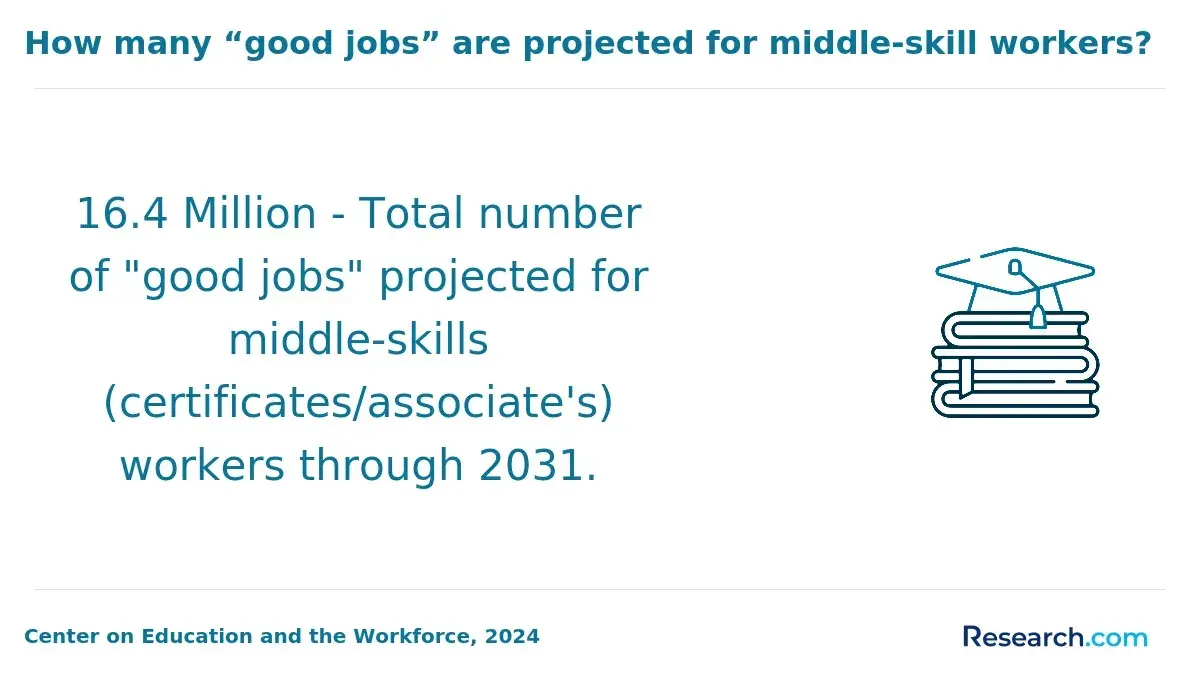
Students and professionals aiming for meaningful roles in operations management must navigate varying program lengths and costs while weighing practical readiness. Associate degrees or certificates typically finish within 12 to 24 months, but their limited industry recognition can impede market competitiveness. Bachelor's degrees demand three to four years of study, part- or full-time, and employers particularly value those who integrate logistics, supply chain coordination, and process optimization skills. Master's degrees offer expedited pathways-generally 18 to 24 months full-time-but intensive work commitments often extend completion, which affects timely workforce entry.
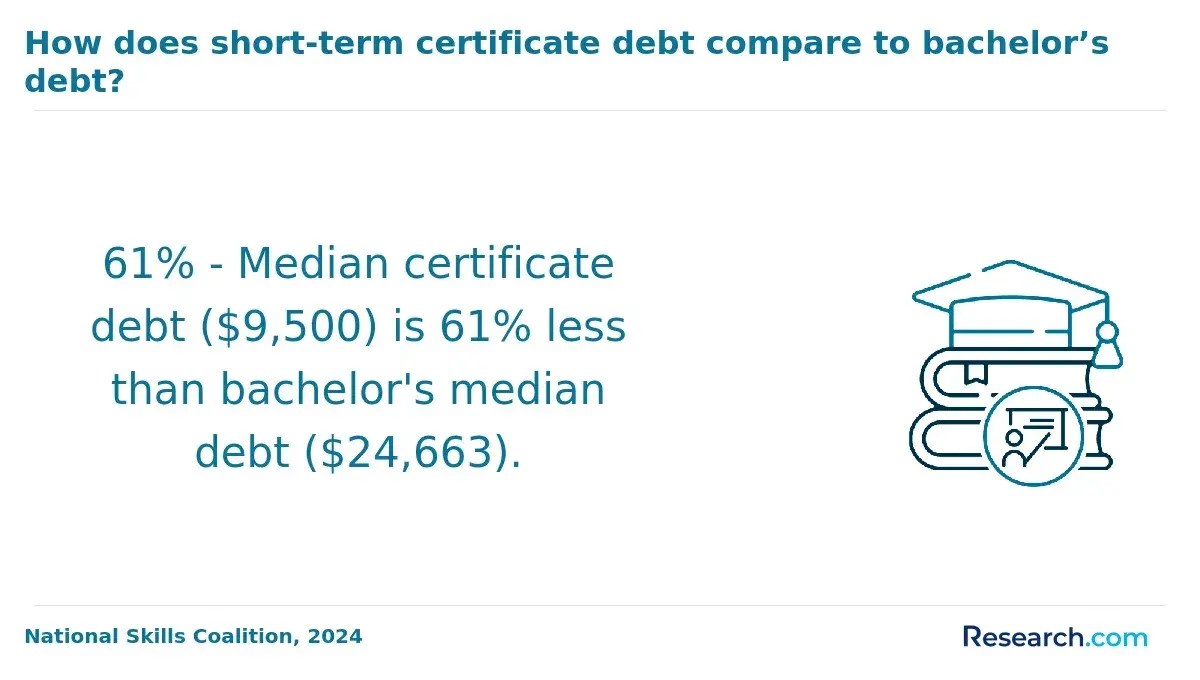
Cost differences can influence decisions profoundly. Public in-state bachelor's programs average $15,000 to $25,000 overall, whereas private options range from $30,000 to $60,000. Master's degrees typically fall between $20,000 and $40,000, with accelerated formats commanding higher rates. Certificates may cost as little as $2,000 but usually lack the comprehensiveness employers require in complex operations environments. Understanding these tradeoffs is critical for evaluating the return on investment relative to the nearly 2.8 million jobs in operations-related fields posted by U.S. employers annually, as Lightcast data referenced by the University of Kansas shows.
Balancing coursework with real-world responsibilities is pivotal. Programs featuring asynchronous or flexible schedules can aid working learners but may reduce momentum. Importantly, those without embedded practical experiences risk producing graduates unprepared for high-stakes decision-making. Practical internship elements or project-based learning contribute significantly to employability in service operations roles where responsiveness and cross-functional coordination are essential.
What service operations careers can you pursue with an online operations management degree?
Success in service operations roles increasingly depends on the ability to harness data analytics and digital tools to enhance efficiency and customer outcomes. For instance, a business operations specialist working in healthcare may apply predictive analytics to optimize patient scheduling, directly reducing wait times and cutting organizational costs. Such applied competencies reflect a tangible shift from traditional intuition-based management to data-driven decision-making.
Employers expect proficiency with enterprise platforms like ERP and CRM and continuous performance monitoring to adapt service processes in real time. Positions such as service delivery manager or customer experience manager demand integrating technology fluency with operational insight. Graduates who develop strong analytical skills gain access to roles that blend strategic oversight with hands-on process optimization.
Compensation aligns with these advanced capabilities. According to a CSU business operations specialist report synthesizing BLS and ZipRecruiter data, specialists leveraging data tools earn between $80,000 and $105,000 annually, with an average near $90,000. This evidences the market valuation of analytics-oriented skills in operations management, especially within service sectors.
Yet, practical challenges persist. Graduates must navigate industry-specific software ecosystems and translate data into actionable service improvements. Pursuing targeted certifications and internships in service-intensive environments can mitigate skill gaps and ease transition hurdles. Success depends on understanding operational nuances across sectors like retail logistics or IT service management to avoid misalignment and ensure career durability.
What is the salary potential and job outlook in service operations management roles?
Operations management roles command competitive salaries that reflect their impact on efficiency and service quality across industries. Experienced business operations managers earn an average of $123,460 annually, situating them just below financial and marketing managers in compensation ranks. This positioning underscores the strategic importance employers place on operational leadership, particularly in sectors undergoing rapid digital transformation like healthcare, retail, and logistics.
For example, operations managers in healthcare who optimize patient flow and resource allocation directly affect both cost containment and care quality. In retail, managing supply chain logistics and customer service operations is critical to profitability, reinforcing the necessity for operational expertise. Employers increasingly seek candidates with hands-on experience in process improvement and cross-functional leadership, often preferring those with proficiencies in ERP software or Lean Six Sigma methodologies.
Job growth projections indicate a steady 6% increase over the next decade, reflecting sustained demand for management professionals adept at service delivery optimization. However, competition intensifies in metropolitan hubs, making specialization and certifications key differentiators. Graduates from online operations management degrees aligned with service operations benefit from combining theoretical frameworks with applied skills, though practical experience remains vital for career progression.
Are there professional certifications that align with service operations management careers?
Professional certifications tied to service operations management directly influence employability by validating key competencies that employers demand, especially in industries such as healthcare, hospitality, and finance. Credentials like the Certified Service Manager (CSM) and Certified Manager of Quality/Organizational Excellence (CMQ/OE) demonstrate an ability to optimize processes while managing frontline customer engagement challenges. For example, a service operations manager balancing technological process improvements must integrate data analytics and customer experience management-skills these certifications endorse.
Working professionals pursuing an online operations management degree can leverage these credentials to stand out for roles like management analyst, which offers a median salary of $101,190 and can exceed $174,000 among top earners according to the U.S. Bureau of Labor Statistics. However, it is important to factor the time investment for study and additional fees into career planning, particularly for full-time employees trying to align certification pursuits with job responsibilities.
The decision to prioritize service operations certifications depends on target industry and role. Candidates focusing on consulting, healthcare administration, or hospitality should weigh the direct applicability of service-centric credentials, while those aiming at broader operations roles may find greater value in supply chain or project management certifications. Employers increasingly expect these certifications to be paired with relevant on-the-job experience, so real-world application is essential for maximizing their impact.
How can you evaluate and choose a reputable online operations management program?
Choosing an online operations management program demands prioritizing measurable outcomes and employer expectations over institutional branding. Accreditation remains foundational; only programs recognized by regional or specialized bodies ensure credit transferability and legitimacy. Equally critical is curriculum content that addresses AI, automation, and process optimization, given projected workforce growth exceeding 30% by 2024 in operations roles, driven by cost-cutting and efficiency demands reported by BusinessStudent.com.
Programs must align coursework with service operations and emerging technologies, as employers increasingly require fluency in AI-driven decision tools and workflow automation. Graduates who engage with curricula emphasizing these skills tend to have higher placement rates and shorter completion times, metrics typically reported under government or accredited standards.
Delivery flexibility is a practical consideration for working professionals balancing schedules; asynchronous learning combined with synchronous collaboration fosters application of skills. Faculty with direct supply chain or logistics industry experience add critical insights beyond theory, which can influence immediate job performance.
Networking and internship avenues shape employability, as employer partnerships often dictate operational focus-from healthcare services requiring nuanced tech integration to manufacturing operations emphasizing process automation.
Ultimately, programs lacking robust AI and automation content risk offering diminishing returns given how these competencies reshape operational roles. Prospective students must weigh tuition and opportunity costs against real-world skills acquisition that directly impacts employability and career trajectory.
Other Things You Should Know About Operations Management
Online operations management programs often require significant time for complex projects, case studies, and collaboration, which can strain working professionals balancing full-time jobs. Students should prioritize programs that offer flexible deadlines and asynchronous content to manage workload effectively. Choosing programs with clear expectations and efficient course design reduces burnout risk and supports sustained job performance during study.
Employers in service operations prioritize candidates who demonstrate applied skills alongside formal education. While an online operations management degree adds value, practical experience often carries equal or greater weight in hiring decisions. Candidates should seek programs offering internships, simulations, or project work directly tied to service operations to align education with employer expectations.
Students targeting service operations careers benefit more from specialized programs that include tailored coursework and industry connections relevant to service sectors. General operations management degrees may provide broader frameworks but risk diluting the focus needed for service-specific challenges. Prioritizing specialization enhances targeted skill development and improves hiring competitiveness in service operations roles.
References
- Operations Management System: A Guide to Choosing the Best https://www.2n.pl/articles/operations-management-system-a-guide-to-choosing-the-best
- What Is the Typical Operations Manager Salary? https://claremontlincoln.edu/news-blog/operations-manager-salary/
- A beginner's guide to operations management | Resco https://resco.net/learning/operations-management/
- Online Degree Programs from GMC Online https://online.gmc.edu/programs/operations-management/
- Top 10 Online Courses for Operations Management https://www.careers360.com/courses-certifications/articles/top-10-online-courses-for-operations-management
- Bachelor of Science in Operations and Supply Chain Management - Colorado State University Global https://csuglobal.edu/academic-programs/undergraduate-degrees/bachelors-degree-operations-and-supply-chain-management
- Online MBA in Operations Management, Course Fees, Eligibility Criteria https://www.pwmedharthi.com/blogs/mba/online-mba-in-operations-management
- Best Online Operations Courses and Programs | edX https://www.edx.org/learn/operations
- IT Operations Manager Certifications: Best Credentials to Advance Your Career | Teal https://www.tealhq.com/career-paths/it-operations-manager-certifications
- The Best Operations Management MBA Programs https://www.onlinemba.com/rankings/best-online-mba/operations-management/