2027 Online Operations Management Degrees With Supply Operations Coursework

Co-Founder and Chief Data Scientist
When a mid-career professional in supply operations must rapidly upskill to manage increasingly complex global supply chains, the challenge isn't just learning new concepts-it's balancing time, geography, and employer expectations. Recent National Center for Education Statistics data showing a 15% surge in online program enrollment among adult learners since 2023 signals a shift toward flexible learning models that accommodate such constraints. This trend reflects how working professionals prioritize programs with real-time applicability and scheduling adaptability. This article examines online operations management degrees featuring supply operations coursework, guiding prospective students toward options that optimize career mobility amid evolving workforce demands.
Key Things You Should Know
- Programs integrating supply operations coursework typically extend degree completion time by 15-25%, as shown in 2024 NCES data, creating cost-access tradeoffs critical for mid-career professionals balancing work and education.
- Employers prioritize certifications and applied project experience over general coursework; workforce analytics from the U.S. Bureau of Labor Statistics highlight a 20% wage premium for graduates demonstrating measurable supply chain impact.
- The evolving complexity of global supply networks raises demand for expertise in digital tools embedded within operations management degrees, yet only 37% of online programs fully incorporate real-time data analytics training, limiting graduate readiness.
What is an online operations management degree with a supply operations focus?
An online operations management degree with supply chain emphasis offers distinct advantages over generalized operations management programs by focusing squarely on integrating supplier networks, demand forecasting, and logistics strategies. This specialized concentration equips students to navigate the complexities of upstream supplier relations and downstream distribution, which are pivotal in sectors like manufacturing and retail.
For example, graduates in manufacturing settings develop skills in optimizing raw material flows and contract negotiations with vendors, directly impacting cost efficiency and inventory reliability. Retail professionals learn to synchronize inventory turnover with volatile consumer demand and delivery timings-capabilities increasingly valued as companies grapple with supply disruptions. Employers prioritize measurable improvements in supply chain agility, reflecting a competitive job market.
The practical demands of distance learning in operations management and supply operations extend beyond theory: candidates must master enterprise resource planning systems, supply chain analytics interpretation, and remote teamwork under challenging conditions, often through simulation-based coursework. These rigorously developed competencies prepare students to respond to real-world constraints like tariff shifts and supplier inconsistencies.
Labor market data from Lightcast, referenced by the University of Kansas, cites a median annual salary of $102,950 for U.S. operations management professionals, with a robust 6% job growth forecast and about 2.8 million openings per year. This data underscores why targeted specialization can differentiate candidates amid increasing demand for domain-relevant expertise.
Prospective students weighing this pathway should also consider program affordability and structure; for those interested in related fields, the best online project management degree options can offer complementary skills that enhance cross-functional leadership capacity.
How do online and on-campus operations management programs compare for quality and outcomes?
Comparing online operations management programs vs on-campus programs outcomes reveals that while core coursework quality is often equivalent, the differentiation emerges in direct experiential learning and employer-valued skills. On-campus students gain critical advantages through peer collaboration, industrial site visits, and networking that directly develop problem-solving abilities demanded in sectors like manufacturing and healthcare supply chains. Employers emphasize practical competencies supported by hands-on projects, an area where fully remote students may struggle without internships or co-op placements integrated into their curriculum.
Online programs focusing on advanced software tools and data-driven decision-making can produce graduates competitive in logistics and analytics roles, but these students must exhibit strong time management and self-motivation due to limited spontaneous mentorship. Arizona State University data indicates operations research analyst roles, linked to strong analytics skills emphasized across both delivery formats, will grow by 21.5% with salaries averaging $88,940.
Graduates prioritizing faster workforce entry should consider that on-campus degrees typically offer embedded internships and employer connections, which enhance facility management experience in logistics-intensive industries. Balancing practical exposure against flexibility is essential; programs with explicit applied learning pathways, regardless of delivery mode, lead to stronger career outcomes.
For prospective students evaluating the quality comparison of online and on-campus operations management degrees, realistic tradeoffs center on access to experiential opportunities and network-building versus convenience and schedule management. Those seeking a strategic pivot might also explore a sports management degree online for alternative pathways to operational and organizational roles.
Which accreditations should online operations management degrees have to be considered reputable?
Employer preference in operations management increasingly centers on degrees with recognized accreditation from bodies like the Higher Learning Commission (HLC) or the Middle States Commission on Higher Education (MSCHE). These accreditations confirm an institution meets baseline academic standards critical for candidate evaluation across sectors. Supply operations management programs in the US with specialized accreditation such as AACSB tend to offer coursework more aligned with industry metrics, lean processes, and logistics-skills essential for roles like supply chain analysts in manufacturing where verified proficiency is mandatory.
Choosing programs without these accreditations can limit practical outcomes, as employer skepticism often restricts access to certifications including APICS or PMP that demand accredited credentials. Working professionals pursuing an accredited supply operations management program gain tangible benefits when pivoting into roles demanding validated management capabilities in retail, healthcare, or transportation sectors.
Data from Lightcast summarized by the University of Kansas estimates about 2.8 million annual openings in operations-related jobs nationwide, intensifying competition and elevating the value of degrees with accreditation-backed credibility. Prospective students should carefully confirm institutional and business program accreditation, using resources like the U.S. Department of Education database and AACSB or ACBSP recognition to maintain career flexibility and competitive advantage.
For practitioners considering a related educational path in healthcare, similar accreditation rigor applies; one can explore options for a degree in healthcare management to understand parallel standards in adjacent fields.
What supply operations and logistics coursework is typically included in these online degrees?
Effective supply chain management and logistics fundamentals embedded in online operations management degrees center on core competencies that directly shape how graduates address cost, efficiency, and service challenges across sectors. Coursework often prioritizes inventory control, procurement strategies, and transportation management-skills critical to overseeing complex global networks and distribution channels.
Typical courses reflect this focus and include:
- Supply chain analytics emphasizing data-driven decision-making for inventory and transportation optimization
- Lean supply chain principles to eliminate waste and improve process flow under varying demand conditions
- Global logistics management addressing international regulations, cross-border logistics challenges, and risk mitigation
- Procurement and supplier relationship management focusing on strategic sourcing and contract negotiation to balance cost and quality
- Transportation systems covering modal choice, routing, and freight cost control in diverse industry contexts
For example, logistics managers in e-commerce lean heavily on transportation management and warehouse operations to meet rapid delivery demands, while manufacturing supply chain specialists emphasize procurement and demand forecasting to sustain production without overstock. This specialization reflects practical tradeoffs in workforce roles, influenced by the specific operational context.
Data from Ball State, cited by the Institute for Supply Management, notes that roles tied to these skill sets nationally average salaries exceeding $100,000, underscoring that rigorous supply operations coursework in remote operations management programs aligns with employer expectations for both technical expertise and managerial capacity. For professionals weighing educational options, considering coursework tailored to these core areas can significantly influence employability outcomes and sector mobility.
Prospective students exploring cost-effective pathways might find value in reviewing cheap online MBA programs as a strategic option within this field.
What admission requirements and prior experience do online operations management programs expect?
Applicants to online operations management programs must balance academic prerequisites against workforce realities to optimize their professional trajectory. Most programs require a bachelor's degree-commonly in business, engineering, or comparable fields-and often enforce a minimum GPA around 3.0 to ensure readiness for graduate-level rigor. Candidates lacking business-related backgrounds typically face prerequisite courses in accounting, statistics, or supply chain fundamentals before fully engaging with advanced content.
Work experience plays a decisive role: mid-level managers with 2 to 5 years in logistics, process improvement, or production supervision are favored, as this real-world context deepens comprehension of supply operations. For example, a frontline manufacturing employee aiming to pivot must demonstrate proficiency in lean methodologies or data reporting tools to succeed without on-site support.
Programs also scrutinize quantitative aptitude and technological readiness, since online learning demands autonomous study and reliable digital access. Admissions may waive standardized tests like the GRE or GMAT based on relevant work history, expediting the path for seasoned professionals. Key considerations include aligning program prerequisites with individual career stages to minimize extension due to foundational coursework.
- Pre-admission assessments emphasize statistical and project management competence.
- Employers value graduates blending formal education with operational expertise, correlating with significant post-degree salary increases (e.g., $12,214 average raise cited by Western Governors University).
Prospective students must be prepared to submit transcripts and letters of recommendation, tailoring applications strategically to avoid unnecessary delays in degree completion and maximize return on investment in a competitive labor market.
How long do online operations management degrees take and what do they cost?
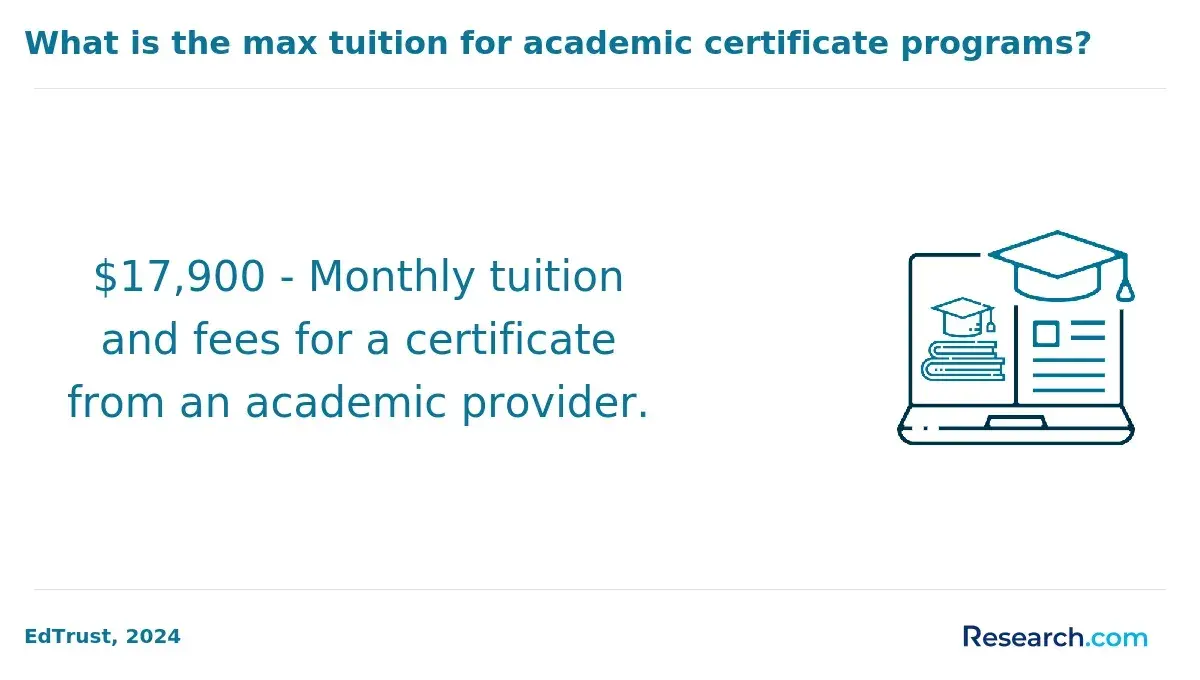
Pursuing an online operations management degree involves significant strategic choices impacting both time and financial investment. Full-time study typically spans 18 to 24 months, while part-time options may extend three to four years for working professionals. Shorter pathways like associate or certificate programs, lasting 6 to 12 months, offer focused skills mainly in supply operations but lack the breadth of bachelor's or master's curricula.
Tuition rates vary notably: public institutions charge $300 to $600 per credit for residents, whereas private or out-of-state students often face $800 to $1,200 per credit. This means total costs range from around $10,000 for certificates to over $40,000 for comprehensive degrees. Accelerated programs can increase per-credit prices but reduce time to workforce reentry.
Employers in logistics and manufacturing sectors prioritize candidates who demonstrate mastery in inventory control, distribution strategies, and demand forecasting. For instance, a distribution center manager position commands an average salary of $107,230 and 6.1% projected job growth, favoring applicants with robust, management-level credentials. Candidates opting for low-cost or minimally accredited programs risk weaker employment prospects in highly competitive markets.
- Tradeoffs: Longer programs improve managerial readiness but delay earnings; shorter programs enable faster entry with narrower scopes.
- Additional costs: Technology fees, specialized software, and potential limited employer tuition support affect affordability.
Aligning program depth and pacing with career targets, particularly when seeking to transition or advance in supply chain roles, is essential for achieving meaningful returns on educational investment.
What careers can graduates pursue with an online operations management degree in supply operations?
An online operations management degree with a focus on supply operations equips graduates for distinct roles such as supply chain analyst, procurement manager, and logistics coordinator, each demanding nuanced expertise tailored to industry context. For instance, a procurement manager in pharmaceutical manufacturing must navigate strict regulatory frameworks to ensure timely delivery of raw materials, avoiding costly production halts, while a retail logistics coordinator prioritizes optimizing last-mile delivery speed against budget constraints.
Success in these roles hinges on skills beyond theory, including data-driven decision-making and fluency with enterprise resource planning (ERP) systems commonly integrated into these programs. Operations management professionals often balance cross-functional duties involving supplier negotiation, compliance adherence, and sustainability-all areas that separate operational leaders from tactical players.
Employers prioritize candidates who can dissect complex supply networks and implement measurable process improvements. According to labor data referenced by the University of Kansas, these positions command a U.S. median salary of $102,950, underscoring the financial incentive but also the challenge of synchronizing supply data from disparate platforms to maintain accuracy.
Advancement to senior roles such as supply chain director requires targeted expertise in supply operations software and predictive analytics, where strategic decisions significantly influence organizational profitability and resilience in volatile markets.
What salary ranges and advancement opportunities exist in supply and operations management?
Supply and operations management compensation in the U.S. reflects a clear stratification influenced by industry, experience, and formal credentials. Entry-level salaries start around $65,000, while mid-career professionals typically earn between $85,000 and $105,000. However, these figures can vary significantly; for instance, roles in manufacturing and technology sectors often pay 10%-20% more than comparable positions in retail or public service. This wage gap evidences the impact of industry-specific demand and skill specialization on earning potential.
Promotion beyond mid-level management frequently depends less on tenure and more on demonstrated leadership in complex project delivery, proficiency with procurement and logistics technologies, and strategic planning expertise. Executives such as directors or chief operations officers may command compensation packages exceeding $150,000, particularly in organizations managing global supply chains. Without advanced certifications or targeted education, professionals risk stagnating at middle management, limiting both salary ceiling and role complexity.
Educational programs offering specialized credentials-like an online graduate certificate in operations & supply chain management-can be critical for bridging experience gaps, especially when tuition remains manageable (e.g., $4,509 at University of Illinois Springfield). Hiring managers increasingly value formal coursework in vendor negotiations, inventory optimization, and demand forecasting, which are often absent in purely experiential backgrounds.
Effective upskilling means evaluating tradeoffs between cost, time, and relevance to employer-specific technologies or methodologies such as ERP systems or Lean Six Sigma. For example, purchasing managers in healthcare benefit from compliance and risk management focus, whereas logistics professionals in e-commerce must prioritize data analytics and agile operational skills.
- Base salaries range from $65,000 entry-level to $130,000+ senior management in the U.S.
- Industry and location cause significant pay variation.
- Advanced credentials can unlock executive roles with $150,000-$220,000+ total compensation.
- Formal education in specific supply chain technologies enhances promotion prospects and salary growth.
Which professional certifications align with online operations and supply chain degrees?
In operational sectors like manufacturing, logistics, and pharmaceuticals, advanced certifications such as Certified Supply Chain Professional (CSCP) and Certified in Production and Inventory Management (CPIM) are often prerequisites for leadership roles. These APICS credentials validate expertise in supply chain strategy, demand planning, and inventory control, skills directly aligned with online supply chain or operations management degrees. The practical impact is clear: employers prioritize these certifications when filling mid-to-senior level positions, especially in complex, regulated environments.
Meanwhile, the Lean Six Sigma Green Belt adds value through its focus on process improvement and waste elimination, which is particularly critical in efficiency-driven industries like automotive and electronics. For professionals targeting supplier relations or procurement functions within the supply chain, Certified Professional in Supply Management (CPSM) offers targeted knowledge on contracts and vendor management, filling gaps that broader operations degrees might not cover. Entry-level candidates or career changers could consider the Supply Chain Operations Reference (SCOR) Professional credential, which builds a foundational understanding of performance metrics and continuous improvement frameworks.
The tradeoffs are significant: obtaining APICS certifications demands more than 100 hours of preparation and exam fees approaching $1,000, requiring both time and financial investment. When paired with a full online BS degree in operations management-estimated at around $31,860 by Southern New Hampshire University-these qualifications can considerably influence job eligibility and upward mobility. In sectors like aerospace or pharmaceuticals, these certifications are often mandated for strategic roles, while logistics-heavy industries rely on them to ensure compliance and manage intricate supply networks, underscoring their strategic value in real-world workforce applications.
How can students evaluate and choose the best online operations management program for them?
Choosing an online operations management degree requires prioritizing program outcomes tightly aligned with specific career targets. For instance, a professional aiming to specialize in just-in-time inventory must verify coursework on lean operations and ERP systems, while someone focused on retail supply chains should seek vendor relations and demand forecasting modules. This targeted curriculum relevancy enables development of practical skills that match employer needs rather than generalized content.
Quality indicators extend beyond accreditation labels to job placement rates within operations roles and the strength of alumni networks in related industries. Regional accreditation along with business or engineering-specific endorsements typically signals more applied curricula and robust employer engagement, which directly affect employability statistics meaningful to candidates.
Flexibility in course delivery affects suitability: asynchronous fully online options accommodate varied schedules, while hybrid formats better serve those needing experiential labs or team-based projects that simulate real supply environments.
Cost evaluation must consider ROI, factoring in expenses beyond tuition such as software or certification prep. Labor market data from the University of Kansas, based on Lightcast analytics, estimates a 6% growth for operations jobs nationally, with median earnings around $102,950 and 2.8 million annual openings, framing compensation expectations against investment.
Engaging current students and industry professionals through forums or informational interviews supplies nuanced insights on curriculum effectiveness and evolving skill demands-critical for navigating program choices grounded in labor market realities.
Other Things You Should Know About Operations Management
Employers in supply operations value relevant skills and proven project experience over the delivery method of a degree. However, programs that integrate practical coursework and simulations aligned with real-world supply chain challenges have a stronger reputation. Candidates should prioritize degrees with rigorous, applied learning components rather than assuming broader recognition of all online degrees. The quality of employer networks and internship opportunities related to supply operations also influences how the degree is perceived.
The flexibility of online operations management programs can lead to uneven workload distribution if students do not actively manage their time. Programs with asynchronous content and periodic deadlines demand self-discipline and time management skills, which directly impact comprehension of complex supply operations topics. Choosing programs with structured cohorts or periodic interactive sessions can improve accountability and learning retention, essential for mastering operational decision-making under real-world conditions.
Graduates often need to bridge gaps between theoretical models learned online and complex, dynamic supply environments in practice. Real-world supply operations involve significant unpredictability and system interdependencies that programs may inadequately replicate. Employers expect candidates to demonstrate not only analytical skills but also adaptability and communication capabilities to manage cross-functional teams. Graduates should seek opportunities to supplement online learning with hands-on projects or part-time roles for smoother transition into operational leadership.
References
- Operations Management https://ps.sckans.edu/degrees-and-certificates/bachelors/operations-management/
- Supply Chain Management Certification https://supplychainmanagementedu.org/certification/
- Operations Management System: A Guide to Choosing the Best https://www.2n.pl/articles/operations-management-system-a-guide-to-choosing-the-best
- Supply chain certification programs https://www.scmr.com/article/supply-chain-certification-programs
- Best Online Operations Management Degrees of 2025 https://www.supplychainguide.org/degrees/online-operations-management-degrees/
- Online MBA in Operations Management: Review Top Schools https://www.onlinemastersdegrees.org/best-programs/mba-programs/operations-management/
- Best Certifications for Operations Management https://blog.msbm.org.uk/best-certifications-for-operations-management
- Online Undergraduate Certificate in Operations and Supply Chain Management | CSU Global | Accredited https://csuglobal.edu/academic-programs/undergraduate-certificates/undergraduate-certificate-operations-and-supply-chain-management
- Operations Management Archives - Commerce Edge https://commerce-edge.com/course-category/operations-management/
- Career Paths in Supply Chain Management: Opportunities & Advancement https://www.ambition.com.sg/blog/2023/08/career-paths-in-supply-chain-management-opportunities-and-advancement