2027 Nurse Practitioner Program Clinical Requirements Explained

Co-Founder and Chief Data Scientist
Facing complex clinical hour requirements while balancing work and family commitments challenges many nurse practitioner students today. The Bureau of Labor Statistics projects a 40% surge in NP demand over the next decade, driving a surge in enrollment and prompting programs to expand flexible clinical placements. Yet, rigid onsite mandates and limited preceptor availability create bottlenecks that delay graduation and disrupt career momentum.
The rise of online didactic education contrasts sharply with the still largely in-person clinical mandates, forcing candidates to strategize their schedules around scarce clinical sites and evolving state regulations. This article clarifies current nurse practitioner program clinical requirements, helping candidates navigate these practical obstacles effectively.
Key Things You Should Know
- Clinical hour mandates averaging 500-plus documented direct patient care hours create a practical bottleneck, delaying graduation timelines by 6-12 months, pushing NP candidates to weigh extended opportunity costs versus accelerated entry into practice.
- Employers increasingly prioritize clinical diversity across inpatient and primary care settings, with 68% of surveyed facilities in 2024 favoring graduates exhibiting cross-spectrum clinical exposure, impacting hireability beyond academic prestige.
- Rising preceptor scarcity, identified in federal workforce analyses, inflates practicum costs by up to 25%, disproportionately burdening students in rural or underserved regions and forcing tradeoffs between clinical volume and tuition debt.
What clinical hour requirements do most nurse practitioner programs have for graduation?
The minimum 500 supervised direct patient care clinical hours required for nurse practitioner programs in the US remain a critical benchmark for licensure and employment eligibility. This threshold, reaffirmed in 2024 by accrediting bodies, sets the baseline, yet many programs require upward of 600 to 700 hours to address diverse clinical demands.
Choosing programs that exceed the average clinical hours needed to graduate from nurse practitioner programs can better prepare students for specific specialties. For instance, acute care tracks often prioritize hospital-based experience over the outpatient focus of primary care pathways, impacting clinical readiness and employability.
Part-time or online NP students encounter significant scheduling challenges since clinical placements typically necessitate 12- to 16-week full-time commitments during standard hours. Additionally, securing preceptors, particularly in underserved or rural regions, can delay completion. Employers expect new nurse practitioners to have completed over 500 direct care hours aligned with their specialty; falling short may limit hiring options or impose provisional credentialing.
Practical preparation involves early coordination with clinical sites and selecting programs with strong placement support. Those exploring specialty transitions might consider an FNP to acute care NP bridge program to meet clinical hour requirements efficiently.
How do NP program clinical requirements differ by specialty and certification track?
Clinical hour requirements in NP programs vary significantly by specialty area and certification track, shaping both educational rigor and workforce readiness. For example, Family Nurse Practitioner tracks generally mandate 600 to 700 direct patient care hours across a wide age range, while adult-gerontology primary care emphasizes similar hours focused specifically on adult chronic conditions, typically for patients aged 13 and older.
Pediatric tracks shift clinical exposure toward neonatal and child care, highlighting procedural competencies that differ substantially from other specialties. This differentiation complicates credit transfers and track changes mid-program due to unique clinical hour distributions in specialty areas like psychiatric-mental health or women's health NP programs, where targeted skills cannot be substituted.
Employers increasingly consider the quantity and specificity of clinical hours a key metric linked to certification exam success and job market competitiveness, especially in primary care-a reality reflected in recent APRN Roundtable research. Choosing specialties with fewer clinical hours might accelerate graduation but can hinder exam performance or employer expectations.
Transitioning professionals must plan clinical rotations carefully to avoid gaps that delay state board or certifier requirements. This practical tradeoff between speed and depth requires clear evaluation of different NP program clinical requirements by specialty area relative to career objectives. Prospective students seeking foundational nursing education before NP specialization may explore best online BSN programs for non nurses as a strategic pathway.
How do nurse practitioner clinical placements work in online versus campus programs?
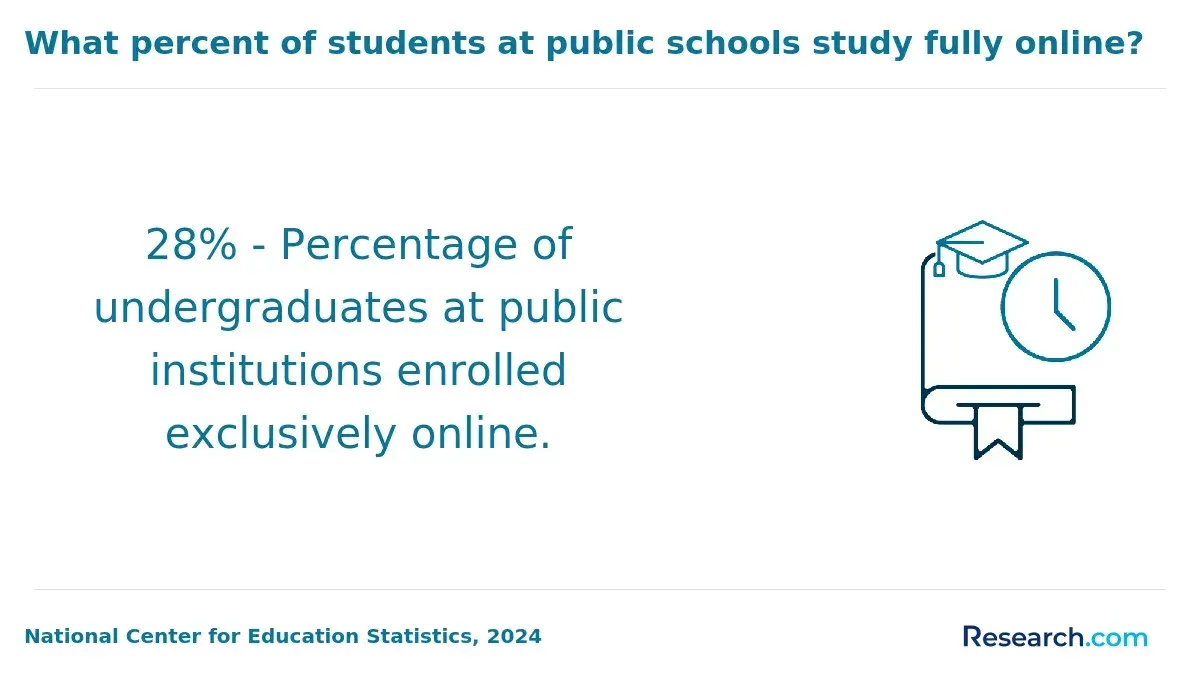
Securing clinical placements remains a significant operational difference between online and campus-based nurse practitioner programs. Online students are tasked with independently navigating the clinical placement requirements for nurse practitioner online and campus programs, often arranging their own preceptors and clinical sites without institutional assistance.
This challenge is compounded in rural or underserved areas where preceptor availability is scarce, forcing students to consider alternatives like telehealth practicums or cross-state agreements that introduce additional licensure complexities. In contrast, traditional campus programs leverage established healthcare partnerships, streamlining placement and reducing administrative burdens.
This institutional support benefits students juggling employment or urban living constraints by providing more predictable timelines and fewer risks of placement delays. The differentiation in clinical hour logistics affects program duration and complexity, especially since most NP programs require between 600 and over 1,000 supervised hours, with some specialties at the higher threshold. Employers increasingly value graduates who demonstrate adaptability through diverse, rigorous clinical experiences, which online students must consciously document and secure amid these placement challenges.
For professionals weighing educational pathways, this tradeoff between flexibility in online formats versus structural support on campus is crucial. Both formats carry equal credibility when meeting clinical hour requirements validated by recent education research data. Those exploring routes to achieve this balance can consult resources like the MSN to DNP program options for informed decision-making.
What accreditation and state board standards govern NP program clinical training?
Clinical training in NP programs hinges on accreditation by bodies like the Commission on Collegiate Nursing Education (CCNE) and the Accreditation Commission for Education in Nursing (ACEN), as well as state nursing board requirements for NP clinical hours. These standards enforce minimum supervised in-person clinical hours, limiting telehealth experiences to roughly 20-25% of total clinical time. This balance reflects a workforce reality: direct patient contact is essential for validating hands-on skills necessary for licensure and employer expectations.
State nursing boards strictly require that clinical hours correspond with approved competencies, mandating documented preceptor supervision. For example, students targeting acute inpatient roles must fulfill a significant portion of hours in actual hospital settings, since remote or simulated encounters cannot replace exposure to complex clinical scenarios.
Without access to diverse clinical sites, candidates face potential delays in licensure and limitations in skill acquisition, which affect employability in specialized or high-acuity fields. Students evaluating NP programs should assess how the curriculum integrates telehealth and traditional clinical placements to meet these standards without compromising workforce readiness. Securing preceptorships aligned with both accreditation and state mandates presents logistical challenges that vary regionally.
This practical consideration can influence not only timely graduation but also long-term career flexibility. Those considering niche roles might also evaluate earnings potential for specialized practice areas, such as functional medicine; insights on functional medicine nurse salary provide useful context for aligning educational choices with market demand.
What types of clinical settings and patient populations do NP students typically experience?
Clinical placements in nurse practitioner programs demand deliberate alignment with career objectives and market realities, as clinical exposure directly influences employability and readiness. Students navigate varied settings-family medicine, pediatric offices, psychiatric clinics, and acute care hospitals-to build diagnostic and management skills across diverse patient populations.
For example, a family nurse practitioner student's rotation includes preventive care and managing multi-morbidity across ages, while psychiatric-mental health students concentrate on mental illness screening and therapy. Practical challenges arise from competition for placements, particularly in underserved or rural settings that are essential for addressing healthcare disparities but often have limited preceptor availability.
Health systems' growing acceptance of BSN-to-NP direct entry, now nearly half of admits, shifts clinical expectations and necessitates rapid skill acquisition during rotations-highlighting the tradeoff between accelerated pathways and clinical confidence.
Key considerations for students include:
- Securing clinical sites that match specialty certification goals early to avoid gaps in requisite patient exposure.
- Balancing travel and scheduling demands with clinical diversity to meet employer expectations for complex care environments.
- Managing placement timing strategically to prevent delayed graduation or underpreparedness for workforce demands.
Such pragmatism in clinical planning ensures NP graduates can meet both certification requirements and evolving workforce needs without sacrificing practical readiness or career trajectory stability.
How are preceptors selected, vetted, and evaluated for NP clinical rotations?
Preceptor selection in nurse practitioner clinical rotations directly affects the depth and quality of student competence, particularly given the stark gap in supervised clinical hours versus physicians. Whereas physicians complete between 10,000 and 16,000 supervised hours before practicing independently, NPs typically log only 500-750 hours without a standardized residency, compounding the pressure on preceptors to deliver comprehensive, diverse clinical training within limited timeframes.
Academic programs emphasize licensed providers with verified credentials, including board certifications and malpractice histories, to ensure clinically relevant supervision. Prospective preceptors must undergo orientation to align with educational objectives and consistent evaluation methods.
Several operational strategies mitigate exposure risks, such as:
- Pairing students with multiple preceptors across varied settings to broaden experience.
- Tracking preceptor engagement through case variation, direct observation hours, and student competency progress.
- Auditing clinical sites for adherence to supervision benchmarks and removing those failing to meet quality standards.
Logistical challenges persist, including uneven geographic distribution of qualified preceptors and balancing student competency needs with site capacity. Effective communication between programs, preceptors, and students is essential for troubleshooting. In specialties like acute care and psychiatric mental health, this balancing act is more pronounced due to case complexity and limited hours.
What skills and competencies must NP students demonstrate during clinical hours?
Effective nurse practitioner clinical training demands more than basic skill acquisition; it requires the ability to integrate complex assessment, diagnostic, and treatment planning processes while working autonomously. For instance, primary care students must handle multiple chronic conditions efficiently, balancing detailed patient evaluation with workflow demands-a practical tension that shapes readiness for high-volume practice settings.
Proficiency in interpreting physical exams, labs, and imaging, alongside evidence-based care plan development, is foundational. Students must also demonstrate competence in pharmacology, understanding medication interactions within their prescribing scope. Procedural capabilities-such as suturing and catheterization-vary by specialty but are essential components of clinical readiness. Precise documentation that meets professional and legal standards completes the skill set employers seek.
Clinical hour requirements often confront logistical challenges, including securing diverse placements across hospitals, outpatient clinics, and specialty settings. Scheduling flexibility directly influences the depth and breadth of experiences, which are critical for employability given the variability of patient populations and healthcare environments encountered post-graduation.
Employment projections over the next decade anticipate a growth exceeding 35%, making measurable clinical competencies a decisive factor in competitive job markets. Programs emphasizing broad, hands-on clinical experiences better prepare graduates to transition from supervised frameworks to autonomous practice, especially in acute care contexts where rapid decision-making and triage are routine.
How do clinical requirements affect NP program length, scheduling, and workload?
Clinical requirements in nurse practitioner programs significantly extend program length and complicate scheduling, especially for students balancing full-time jobs or family commitments. Typically, 500 to 700 clinical hours add between six months and a year to program duration, limiting flexibility since clinical placements must coincide with healthcare facility hours and cannot be completed remotely.
The workload tied to clinical hours includes patient care, documentation, and preceptor collaboration, varying by specialty. For example, acute care NP students encounter irregular hospital shifts, while family NP students generally have more predictable outpatient hours. These differences affect burnout risk and require careful time management or external support.
Financially, longer programs incur higher tuition and additional costs like travel to clinical sites. Tuition often ranges from $30,000 to $60,000, contrasting with median nurse practitioner salaries above $120,000 annually, resulting in a typical debt payback period of three to five years. Accelerated programs demand intensive weekly commitments but may enable earlier workforce entry, impacting income recoupment strategies.
Prospective students must balance the demands of clinical scheduling and workload against career timelines and financial realities, considering specialty-specific factors and personal circumstances that influence program feasibility and long-term employment outcomes.
What costs and financial considerations are associated with NP clinical placements?
Clinical placements in nurse practitioner programs impose substantial financial burdens beyond standard tuition that shape student decisions and access. Placement service fees alone range from $500 to $1,500 per rotation, with additional mandatory costs-such as health screenings, background checks, malpractice insurance, drug testing, and immunizations-adding $300 to $700 per clinical term.
Transportation and professional attire expenses vary widely, especially in urban settings where commuting and parking can inflate monthly outlays by hundreds. The National League for Nursing's 2024 opposition to increasing required clinical hours from 500 to 750 underscores how extending clinical time could elevate these costs by up to 50%, compounding existing financial and logistical challenges while stressing a limited clinical site supply.
A family nurse practitioner candidate, for example, might face roughly $2,000 in site-related fees across rotations plus $1,000 in associated compliance costs. Employers in underserved areas often expect higher clinical hour thresholds, but these financial barriers may deter qualified candidates, further straining workforce pipelines.
Prospective students should proactively assess these expenses and prioritize programs that offer embedded clinical sites or placement support. Working professionals must weigh employer flexibility and support options carefully, as extended clinical hours can conflict with income stability. Transparent budgeting and early resource planning remain essential to navigate the complex realities tied to NP clinical placements effectively.
How should prospective students compare NP programs based on their clinical training quality?
Clinical training volume and quality are the primary differentiators for NP programs, directly affecting graduate readiness and employability. For the 2025-2026 certification cycle, candidates must complete at least 500 faculty-supervised family nurse practitioner (FNP) clinical hours to sit for the AANPCB or ANCC exams, yet reputable programs often require between 500 and 750 hours of direct patient care.
This range matters because higher clinical hours generally improve clinical competence and reduce the time needed to adapt in professional settings. Choosing a program requires attention to the clinical environment's alignment with career goals. For instance, students targeting rural outpatient roles should prioritize programs with outpatient-focused rotations over hospital-centric placements, as targeted exposure minimizes onboarding delays and enhances patient outcomes.
The intensity of faculty supervision and mentorship differentiates programs further. Strong preceptor involvement and low student-to-preceptor ratios yield graduates with sharper clinical judgment, meeting employer performance expectations more consistently. Check faculty credentials and supervision structures since logged hours alone don't guarantee quality learning.
Placement support logistics are another decisive factor. Programs with robust clinical site partnerships streamline placement, preventing costly delays and balancing work-study commitments. Prospective students should verify the reliability and diversity of clinical affiliations underpinning their clinical experience.
Other Things You Should Know About NP Programs
The sequencing of clinical hours can significantly affect student stress and skill acquisition. Programs front-loading clinicals may overwhelm students juggling coursework and practice, while those placing clinicals later might delay practical skill development. Select programs that balance clinical rotations with didactic learning to ensure steady competency building without burnout.
Employers often prioritize graduates from programs with rigorous, diverse clinical experiences that reflect real-world challenges. Clinical hours spent in high-acuity or underserved settings improve competence in critical decision-making, influencing hireability. Graduates from programs lacking diverse clinical exposure may face a steeper learning curve and reduced initial competitiveness.
Programs incorporating interprofessional collaboration in clinical hours better prepare students for team-based healthcare delivery. Employers increasingly expect nurse practitioners to function effectively within multidisciplinary teams. Students aiming for leadership or primary care roles should prioritize programs emphasizing integrated clinical training to enhance communication skills and system navigation.
References
- Vetted NP Preceptors: The Smarter Way to Find a Clinical Rotation Match https://www.nphub.com/blog/nurse-practitioner-preceptor-finder
- Top 5 Things to Consider in Choosing Your NP Program | ThriveAP https://provider.thriveap.com/blog/top-5-things-consider-choosing-your-np-program
- Guide to Nurse Practitioner Schooling Requirements https://credenzahealth.com/career-advice/guide-to-nurse-practitioner-schooling-requirements
- NP Clinical Preceptors Guide | Clinical Match Me https://www.clinicalmatchme.com/np-clinical-preceptors-role-success/
- CCNE Accreditation https://www.aacnnursing.org/ccne-accreditation
- Nurse Practitioner Accreditation Organizations: The Complete List https://npdegrees.org/accreditation/nurse-practitioner-guide/
- How to Become a Nurse Practitioner (NP) - Degrees & Certification https://www.npschools.com/blog/how-to-become-a-nurse-practitioner
- MSN FAQs - Bellin College https://www.bellincollege.edu/faq/msn/
- The rising cost of clinical placements for nursing students https://kevinmd.com/2026/04/the-rising-cost-of-clinical-placements-for-nursing-students.html
- How NP Students Are Evaluated in Clinical Rotations https://www.preceptorlink.com/blog-posts/how-np-students-are-evaluated-in-clinical-rotations