2027 How to Pick Between Fast and Affordable Nurse Practitioner Programs

Co-Founder and Chief Data Scientist
Choosing between fast and affordable nurse practitioner programs presents a tangible dilemma: accelerated options promise quicker workforce entry but often come with intense schedules and higher costs per credit, while budget-friendly programs may extend time-to-completion, limiting immediate earning potential. The evolving U. S. healthcare landscape demands nurse practitioners with both timely credentials and financial feasibility, especially as enrollment in online NP programs surged by over 35% between 2021 and 2024, according to the National Center for Education Statistics. This shift signals a growing prioritization of flexible learning, yet not all programs accommodate working adults or provide equivalent employer recognition. This article will clarify these tradeoffs to guide informed program choice aligned with career goals and practical constraints.
Key Things You Should Know
- Faster nurse practitioner programs often reduce clinical hours by up to 25%, accelerating workforce entry but risking employer concerns about hands-on readiness, as evidenced by a 2024 American Association of Nurse Practitioners survey reporting hiring hesitations in 32% of rapid-track grads.
- Affordability pressures lead 40% of candidates to choose cheaper programs with higher attrition rates, increasing long-term debt burdens due to extended time-to-graduation, according to 2024 National Student Clearinghouse data.
- Employers increasingly prioritize graduates from programs accredited by CCNE or ACEN, as 78% of healthcare systems correlate accreditation with candidate retention and performance, making accreditation a strategic hiring filter beyond speed or cost.
How do fast nurse practitioner programs differ from traditional timelines and structures?
Fast nurse practitioner programs versus traditional timelines present a clear tradeoff between speed and depth. Accelerated paths condense clinical hours and coursework into 12 to 24 months, demanding full-time focus and limiting work or family flexibility. This intensity often excludes part-time pacing options, which are more common in traditional NP programs that span 2 to 3 years with evenly distributed semesters. Such pacing supports gradual mastery of theory and clinical skills, accommodating students who require flexible schedules or prefer extended practical exposure.
Employers typically emphasize clinical experience and certification rather than program length, but accelerated graduates may face challenges in niche specialty exposure due to compressed practicum diversity. Cost is another significant factor-fast tracks usually command higher per-term tuition, reflecting their resource intensity. According to affordability research, the upper cutoff for affordable online MSN-NP tuition is approximately $35,973 for 2025-26, which candidates should weigh against the benefits of faster completion.
Choosing between these program structures depends largely on individual circumstances such as financial constraints, work-life balance, and career objectives. Nurses seeking quick career pivot must be prepared for immersive, outcome-focused study, often with limited external employment. Meanwhile, traditional timelines facilitate flexible learning and broader clinical placement opportunities, which are important for long-term professional development.
Prospective students can explore specific program outcomes and clinical placement success through resources like the best online PMHNP programs, gaining insight into differences in structure between fast and traditional nurse practitioner programs and how these impact employability and specialization.
What makes a nurse practitioner program truly affordable beyond tuition price?
Cost assessments for nurse practitioner programs must move beyond sticker tuition to include real-world financial consequences. Accelerated tracks-such as 12-month programs averaging $84,552 annually and 18-month programs reaching $125,827-carry hidden expenses including clinical placement fees, certification exams, and technology charges, which can sharply increase total cost. These hidden expenses in nurse practitioner programs beyond tuition should be factored into any affordability calculation to avoid underestimating financial burden.
Beyond direct costs, the opportunity cost of program structure plays a decisive role. Fast-track options limit the ability to maintain employment, often forcing nurses to forgo income or take loans that raise debt. In contrast, part-time or extended programs, typically with lower living costs, allow students to continue working, spreading expenses over time and minimizing income disruption. Such tradeoffs matter for candidates seeking affordable nurse practitioner programs with low living costs and manageable financial strain.
Employer tuition reimbursement and loan forgiveness programs critically influence net affordability and debt outcomes. Candidates must also evaluate workforce demand by specialty since programs targeting high-need clinical areas can accelerate employment and salary growth, offsetting higher upfront costs. Graduates from programs aligned with certification and state licensing requirements experience more predictable transitions into practice.
When deciding between paths, careful consideration of total financial burden, including costs-per-month and program flexibility, is essential. For those who prioritize reduced duration without sacrificing quality, exploring the shortest post master's DNP program options may provide valuable insight into balancing time, cost, and career readiness.
How should I weigh speed versus cost when choosing a nurse practitioner program?
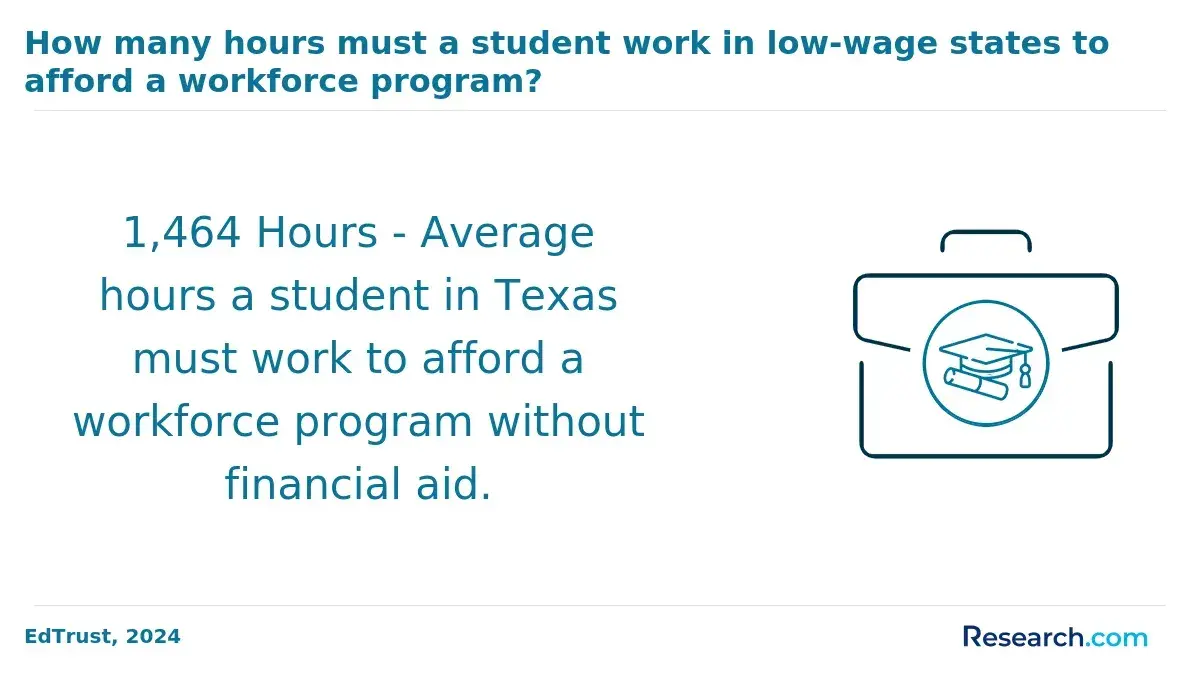
Choosing nurse practitioner programs requires weighing program duration against tuition cost to align with both financial realities and career timelines. Accelerated programs shorten time-to-practice by as much as 30%, offering faster access to a median annual wage of $132,050, but typically at a higher price and with demanding course loads that limit work capacity. These factors affect affordability and may increase student debt, a critical consideration for working RNs supporting dependents.
More affordable nurse practitioner programs usually extend over longer periods, often permitting part-time enrollment. This supports individuals balancing employment or family responsibilities, though it delays earning potential and lengthens the period before reaching full NP compensation. Such extended pacing can reduce financial pressure and improve retention for students with complex obligations.
Employers prioritize accreditation, clinical hours, and licensure equivalently across program lengths, focusing less on speed or cost and more on qualifications and specialization. Practical evaluation of how to balance program duration and tuition cost in nurse practitioner programs depends on your current earnings, living expenses, and post-completion salary prospects.
For those assessing factors affecting speed and affordability of nurse practitioner programs, a nuanced consideration of individual circumstances is essential. For example, a recent graduate without immediate financial constraints might choose an accelerated route, while a working professional might opt for a more cost-conscious, paced program. Research on the easiest nurse practitioner program further illustrates these tradeoffs.
What accreditation and state licensing requirements must NP programs meet?
Accreditation requirements for nurse practitioner programs in the US are pivotal to navigating state licensing standards and ensuring workforce viability. NP programs must secure endorsement from agencies like the Commission on Collegiate Nursing Education (CCNE) or the Accreditation Commission for Education in Nursing (ACEN) to validate curriculum rigor, clinical training, and faculty qualifications. These national standards set a baseline, but state boards of nursing impose additional licensing mandates that vary significantly, demanding students confirm alignment with their target states' specific curricula and clinical hour requirements.
For instance, a program accredited by CCNE may still fall short of stringent conditions set by states like California, which enforce higher benchmarks through the Board of Registered Nursing. This misalignment can block licensure, limiting employment options and credential recognition. Employers highly value graduates from accredited, state-compliant programs to meet legal and insurance obligations, especially in competitive health markets.
Students face a clear tradeoff: invest in verified accreditation coupled with licensing compatibility upfront or risk costly program changes and delayed entry into the workforce. Tuition ranges widely-from $11,000 at some public institutions to over $100,000 in top-tier private programs-making strategic selection essential for return on education investment. Understanding the interaction between accreditation and state requirements directly impacts licensure eligibility and long-term professional flexibility.
Prospective students targeting niche fields, such as a functional medicine NP, must weigh these factors carefully to avoid obstacles in certification and employment.
How do online nurse practitioner programs compare to campus-based options for quality and outcomes?
Online nurse practitioner programs, when properly accredited, offer educational quality and clinical outcomes comparable to campus-based options but introduce distinct operational tradeoffs. A significant challenge for online students is securing clinical practicum sites, typically arranged by campus programs through established affiliations. Without such support, online students must independently find approved clinical settings, which can limit the variety and depth of clinical experience and may delay program completion, especially in rural or underserved areas.
From a cost perspective, online programs vary widely by institution type and residency. Accelerated public in-state MSN-NP tuition averages between $11,000 and $22,000, whereas public out-of-state students face $26,000 to $45,000, and private university rates range from $34,000 to $62,000 (NursePractitionerOnline.com). This pricing differential often drives working professionals toward in-state online options that blend flexibility with affordability.
Employers typically assess NP graduates on clinical competencies and state licensure equivalence rather than mode of education delivery. Hiring decisions prioritize applicants who demonstrate verified practicum hours and certification exam success over program format. This dynamic benefits online students who integrate clinical hours within their current jobs but favors learners needing structured clinical placements through campus-based programs for consistent support.
- Cost efficiency favors in-state public online programs without sacrificing program accreditation.
- Clinical site sourcing remains a critical logistical hurdle for online learners, affecting timelines and experience diversity.
- Workforce acceptance hinges on documented competencies, making practical exposure and licensure pivotal factors.
What admission requirements and prior nursing experience do fast NP programs expect?
The accelerated nature of fast NP programs sharply raises the entry threshold, prioritizing candidates with at least one to two years of focused clinical nursing experience, typically in acute or specialty care areas. This prerequisite stems from the condensed curriculum structure, which minimizes remediation opportunities and demands immediate competency in both clinical and theoretical skills.
Consider an RN with intensive care unit (ICU) experience applying to a family nurse practitioner fast-track program: their direct patient management history aligns closely with program expectations, reducing adaptation time. Conversely, nurses transitioning from outpatient general care may face greater challenges meeting immediate clinical demands. Admissions committees closely assess how prior experience matches the specialization to predict a candidate's ability to handle rigorous advanced practice roles without extended clinical ramp-up.
This upfront competency requirement lowers attrition rates but effectively limits access for nurses lacking concentrated experience. Employers tend to favor graduates from these fast programs since they require minimal onboarding, accelerating their contribution to clinical teams.
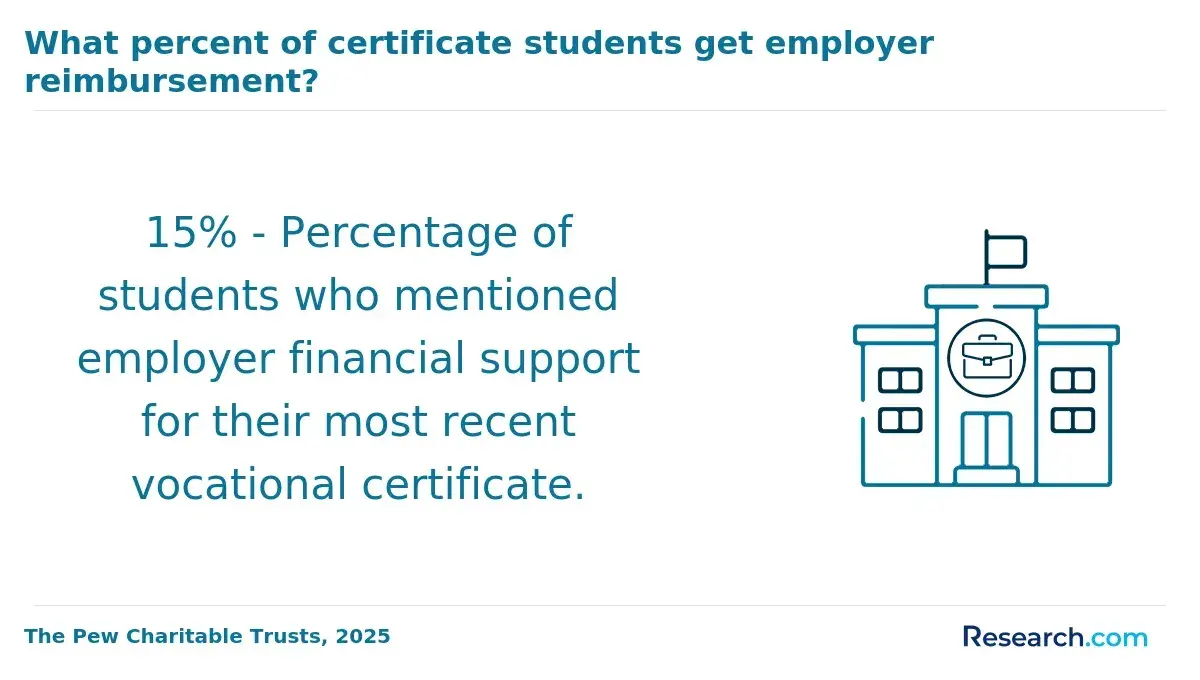
Financial considerations also influence program selection. According to OnlineU's 2025 data, the national average annual tuition for online MSN programs is approximately $17,000. Yet, the 15 most affordable online NP master's programs remain under this benchmark, with 10 programs charging less than $9,000 annually and the lowest at $4,974. This pricing spectrum significantly affects decision-making for working professionals balancing cost against accelerated program demands.
- Active RN license and relevant acute care experience are non-negotiable for admission to fast tracks.
- Aligning clinical background with the NP specialty enhances readiness and success.
- Faster program completion correlates with reduced onboarding time in employment.
- Tuition costs vary widely, impacting accessibility for clinician-students.
How long do different NP pathways take, and what do they typically cost?
Accelerated nurse practitioner programs compress training into 12 to 24 months, sharply contrasting with traditional master's or DNP paths that extend 24 to 36 months. This faster route can expedite a career pivot for employed nurses but shifts significant logistical and financial burdens onto students, particularly when private program tuition climbs to $30,000-$65,000, excluding fees for books, clinical hours, travel, and placement.
For example, a full-time registered nurse enrolling in a 12-month accelerated private program priced at $60,000 may face an additional $5,000-$8,000 in ancillary costs. These expenses not only delay return on investment but often limit the feasibility of part-time work or flexible schedules during training.
Meanwhile, public programs taking longer often offer reduced hidden costs and more manageable clinical scheduling, elements that align with workforce preferences for depth of clinical experience over rapid completion. Department of Education data suggests employers favor candidates with comprehensive clinical hours, underscoring the value of pacing that promotes retention and skill development.
Decision-making should weigh both direct tuition and real-world hidden expenses against timeline urgency. Students focusing on specialties requiring intensive clinical practice-like acute care-benefit from programs with strong clinical support and balanced timeframes. Conversely, those targeting outpatient roles might prioritize accelerated tracks if they can absorb the extra costs effectively.
What core courses, clinical hours, and specialties are included in NP curricula?
Selecting a nurse practitioner program requires weighing clinical hour demands against licensing requirements and employer expectations. Programs typically mandate 500 to 700 clinical hours, with many states insisting on in-person experience. For example, family nurse practitioners must navigate diverse clinical rotations due to broader patient demographics, whereas psychiatric-mental health tracks require more specialized behavioral health training, narrowing clinical site availability but aligning with increasing mental health service demand.
Tuition variations further complicate decisions. In-state costs range from $225 to $800 per credit hour, out-of-state can reach $1,300, and online options generally fall between $400 and $800. Lower tuition may correlate with fewer or less intensive clinical placements, potentially delaying licensure or limiting competitiveness in the job market.
- Core courses emphasize pathophysiology, pharmacology, health assessment, and evidence-based decision-making
- Specialty choice impacts clinical focus, site accessibility, and long-term employability
- Strong clinical site support shortens program completion time and enhances hands-on experience
Prospective students must scrutinize clinical placement assistance to avoid costly delays or out-of-pocket expenses. Employers prioritize graduates with rigorous clinical experience in relevant specialties, meaning balancing tuition cost with practical training quality is crucial for sustainable career outcomes in nurse practitioner programs.
What salaries, roles, and career advancement can graduates of NP programs expect?
Early-career salaries for graduates of NP programs range broadly based on practice setting and specialization, typically from $60,000 in rural or nonprofit sectors to over $100,000 in metropolitan hospitals or private specialty practices. Employers prioritize clinical proficiency and immediate productivity, creating a premium for NPs who can quickly demonstrate value in primary care or outpatient specialty environments. Accelerated programs mitigate entry barriers by shortening time-to-practice, directly impacting earning potential and return on investment.
Job roles predominantly include family nurse practitioner, adult-gerontology primary care NP, and psychiatric mental health NP, with the local market saturation and employer preferences significantly affecting availability and compensation. Graduates entering rural health clinics may face initial salary constraints but often benefit from steady demand, whereas urban roles support higher wages driven by patient volume and reimbursement rates.
Advancement into supervisory or administrative roles requires sustained clinical outcomes and certifications, with salary ceilings often surpassing $120,000 after five years. Employers increasingly expect competencies in population health management and electronic health records, embedding these requirements into promotion criteria. Professionals targeting leadership or academia must also pursue additional credentials alongside clinical experience.
Prospective students should weigh program affordability against their desired timeline and local employment landscape, prioritizing clinical practicum placements in high-demand specialties. Ongoing education and credential maintenance are essential to leverage early earnings into sustained career development.
How can I evaluate and compare NP schools to avoid predatory or low-quality programs?
Selecting a nurse practitioner school demands more than verifying accreditation; it requires assessing clinical placement quality and graduate certification success as decisive markers for workforce readiness. Schools accredited by entities like the Commission on Collegiate Nursing Education or ACEN generally provide the academic rigor needed to pass national certification exams, an essential criterion employers use to gauge competence.
Clinically, programs lacking strong partnerships often fail to provide the hands-on experience that family nurse practitioners (FNPs) need, limiting employability in competitive hospital or specialty clinic environments. Graduates from programs with sub-80% certification exam pass rates should raise immediate concerns over preparedness.
Financially, tuition per credit hour widely varies: some online FNP programs charge as low as $215.11 per credit, while others approach $460. This disparity affects students balancing work and study, emphasizing the need to factor in total costs, refund policies, and hidden fees-not just sticker price.
For working professionals, flexible asynchronous curricula combined with verified local clinical placements can ease scheduling while preserving program quality. However, programs without established employer networks and alumni connections often hinder job placement, prolonging the transition from graduation to employment. Monitoring these timelines can reveal whether a program effectively supports career outcomes or signals structural weaknesses.
Other Things You Should Know About NP Programs
Accelerated NP programs demand intense time management and significant clinical hour commitments, which can conflict with full-time work schedules. Working nurses should prioritize programs offering flexible clinical placements and part-time study options rather than purely fast-track models. Choosing an accelerated program without sufficient employer support or reduced work hours often leads to burnout and diminished learning quality.
The clinical site experience critically shapes practical skills and employer perceptions post-graduation. Programs partnering with reputable healthcare facilities expose students to higher standards of care, advanced procedures, and interdisciplinary teamwork, enhancing job readiness. When selecting a program, students should verify the quality and diversity of clinical rotation placements, as these have more impact on employability than program length or price alone.
In 2027, prospective NPs should evaluate career goals when choosing between broader specialty options and focused tracks. Broader options offer flexibility across multiple fields, while focused tracks provide depth in a particular area. Selecting the right path depends on individual interests and long-term career aspirations.
Program reputation correlates strongly with employer trust and competitive job placement, often outweighing cost or duration factors. Graduates from well-known, established programs receive more interview opportunities and higher starting salaries due to perceived training reliability. Investing in a reputable program is advisable when prospective students aim for leadership roles or employment in major health systems, even if that involves more time or expense.
References
- Pros and Cons of Accelerated Nurse Practitioner Programs | ThriveAP https://provider.thriveap.com/blog/pros-and-cons-accelerated-nurse-practitioner-programs
- 1-Year Nurse Practitioner Programs Online: Top Schools & More https://www.edumed.org/online-schools/nurse-practitioner-programs/1-year/
- Nurse Practitioner Requirements 2026 https://www.nursinglicensure.org/articles/nurse-practitioner-requirements/
- Paying for NP School - Scholarships, Tuition Reimbursement, Etc. https://www.npschools.com/blog/how-to-make-np-school-more-affordable
- Nursing Licensure State Requirements - University of Phoenix https://www.phoenix.edu/state-licensure-requirements/nursing.html
- Nurse Practitioner Degree vs MSN: What to Choose ? https://learntastic.com/blog/earn-an-msn-or-np-degree-which-is-right-for-you
- Most Affordable Online NP Programs for 2025–2026 - Nurse Practitioner Degrees https://npdegrees.org/degrees/most-affordable-np-programs/
- What Every Aspiring NP Should Know Before Choosing a Program https://www.preceptorlink.com/blog-posts/what-every-aspiring-np-should-know-before-choosing-a-program
- 30 Most Affordable Family Nurse Practitioner Programs https://www.bestmasterofscienceinnursing.com/best/affordable-family-nurse-practitioner-programs/
- Transitioning from RN to FNP: A Beginner's Guide https://www.ucumberlands.edu/blog/transitioning-rn-fnp-beginners-guide