2027 Best Online Nurse Practitioner Programs for Rural Nurses

Co-Founder and Chief Data Scientist
Rural nurses aiming to transition into nurse practitioner roles often confront limited access to programs that accommodate unpredictable schedules and geographic isolation. With the U. S. Department of Education reporting a 23% surge in online health sciences enrollments since 2023, flexible online nurse practitioner pathways increasingly reshape workforce development. This shift addresses longstanding barriers such as balancing full-time employment, clinical rotation logistics, and family responsibilities, yet not all programs offer the same rigor, accreditation, or clinical placement support crucial for licensure and employment. This article evaluates top online nurse practitioner programs tailored for rural nurses, focusing on flexibility, clinical access, and outcome reliability to aid informed decisions in this critical career move.
Key Things You Should Know
- Rural nurse practitioners face a tradeoff between affordable, regionally accredited online MSN programs versus higher-cost DNP tracks favored by urban employers, impacting licensure mobility and salary ceilings per 2024 HRSA workforce analytics.
- Employers in rural health systems prioritize NP programs with clinical rotations integrated locally, as 67% of rural hospitals reported higher retention for graduates trained in community-specific settings, influencing hiring decisions.
- Online NP programs with extended durations (24+ months) reduce entry barriers but delay workforce reentry; average tuition inflation of 5.2% in 2024 further complicates cost-benefit timing for working rural nurses.
What makes the best online nurse practitioner programs a strong fit for rural nurses?
Effective online nurse practitioner programs catering to rural nurses integrate flexible asynchronous coursework with clinical placements embedded in rural healthcare settings, addressing local preceptor shortages by partnering with regional clinics. This approach enables registered nurses in small communities to maintain their current employment while fulfilling clinical requirements nearby, avoiding the economic and logistical burden of relocation. Affordable nurse practitioner programs tailored to rural nurses often include dedicated rural health curricula and faculty experienced in rural practice, enhancing the practical relevance of training.
With nurse practitioner employment projected to grow 26% nationally between 2024 and 2034-and states like Oklahoma anticipating 23% growth with roughly 110 new openings annually-programs emphasizing rural workforce pipelines align graduates with in-demand, localized job markets. Employers favor candidates whose clinical practicums reflect similar community contexts, which influences hiring decisions significantly.
Such programs also incorporate telehealth preparedness, a critical skill as remote patient management becomes essential in overcoming geographic barriers for rural populations. Balancing affordability, targeted clinical partnerships, and employment placement support is crucial for maximizing the long-term viability of a rural nurse practitioner career.
For nurses considering specialty shifts within nurse practitioner pathways, insights on transitioning FNP to acute care NP offer valuable guidance on managing certifications and clinical expectations relevant to rural healthcare demands.
How do online nurse practitioner programs compare to campus-based options for rural students?
Rural nurses face distinct challenges when choosing between campus-based versus online nurse practitioner education in rural areas, where local healthcare demands differ significantly from urban centers. Online nurse practitioner programs advantages for rural students include eliminating relocation and extensive travel, allowing continuous work and community engagement while studying. This flexibility is vital because rural areas average only 65 primary care providers per 100,000 residents, compared to 81 in urban settings, highlighting a pressing shortage that education must address practically.
Online formats enable nurses to maintain rural clinical placements aligned with local health needs and balance unpredictable shifts and family responsibilities through flexible pacing. However, unreliable internet access remains a barrier in some rural regions, demanding robust program support and technology planning. Employers increasingly accept online NP credentials if clinical hours and accreditation meet standards, especially when combined with relevant rural experience.
Campus-based programs may offer stronger metropolitan healthcare networking but often lack focus on resource-limited rural environments, limiting direct applicability for rural-focused practitioners. When assessing programs, nurses should consider:
- Alignment of clinical placements with rural health needs
- Technological and support infrastructure to mitigate connectivity issues
- Employability in rural systems recognizing online certification
Evaluation against these factors can influence long-term job prospects and earning potential, which vary by location; for reference, see the doctorate in nursing salary data across states to inform financial planning tied to career decisions.
Which nurse practitioner specialties and roles are most in demand in rural communities?
Family nurse practitioner (FNP) and psychiatric mental health nurse practitioner (PMHNP) specialties dominate demand in rural communities due to persistent physician shortages and behavioral health crises. FNPs manage complex chronic illnesses such as diabetes and COPD with minimal local resources, filling critical gaps where comprehensive primary care is scarce. PMHNPs specifically mitigate emergency room overuse by providing ongoing mental health and substance abuse treatment, responding to historically insufficient rural access to behavioral health services. These roles illustrate how rural nurse practitioner roles critical for underserved areas offer practical solutions that directly impact patient outcomes.
Beyond these, gerontology and pediatric nurse practitioners address aging populations' multifaceted health needs and pediatric care shortages, respectively. Acute care and emergency nurse practitioners also play essential roles in rural hospitals, where staffing is lean and multi-skilled providers are necessary.
From a workforce investment standpoint, the median nurse practitioner wage of $129,210 substantially outstrips the $35,973 cost benchmark for affordable online MSN-NP programs, confirming a solid return on investment. This wage-to-cost ratio incentivizes rural nurses to pivot toward NP roles with versatile skill sets, improving job stability amid broad patient demographics and limited onsite support. Selecting specialties aligned with these rural demands maximizes employability, especially when paired with flexible education paths like an accelerated NP program.
What accreditation and state licensing requirements must online NP programs meet for rural practice?
Successful navigation of online nurse practitioner program accreditation for rural nurses is pivotal because state boards strictly require recognition by the Commission on Collegiate Nursing Education (CCNE) or the Accreditation Commission for Education in Nursing (ACEN). Without these accreditations, graduates risk ineligibility for licensure and financial aid, limiting practical entry into rural healthcare roles. Licensing demands vary by state, with distinct clinical hour minimums, coursework, and mandatory national certifications from bodies such as the American Nurses Credentialing Center or the Pediatric Nursing Certification Board.
Rural nurse practitioner students must confirm their program supports in-state or rural-area clinical placements, as many states invalidate clinical hours completed outside their jurisdiction, creating potential barriers to licensure. State licensing requirements for rural nurse practitioner programs therefore heavily influence program selection and clinical partnerships.
As scope-of-practice regulations and NP autonomy differ widely between states, training must align with jurisdiction-specific rural health needs, including primary care, behavioral health, or emergency services. Cost remains a critical factor: public programs typically range from $8,898 to $17,616 total, while private options may exceed $100,000, demanding careful assessment of return on investment and employability.
Prospective students seeking cost-effective pathways can consult vetted lists such as cheapest online PMHNP certificate programs to weigh options. Balancing accreditation, clinical access, state licensing nuances, and costs is essential for those pursuing rural nurse practitioner roles with long-term career viability and regulatory compliance in mind.
What are the typical admission requirements for online nurse practitioner programs serving rural learners?
Applicants to online nurse practitioner programs serving rural professionals face practical challenges that extend beyond academic prerequisites. A typical baseline requires a bachelor's or master's degree in nursing and an active RN license without restrictions. More critical, however, is the necessity of at least one year of full-time clinical experience, which ensures applicants can integrate theory with practical contexts-especially vital for those balancing employment and study.
Programs commonly demand a minimum GPA of around 3.0 and may require prerequisite courses such as statistics, pathophysiology, or pharmacology if not previously completed. While GRE scores are becoming less prevalent, some institutions still use them as a differentiator for candidates lacking recent clinical experience. Letters of recommendation and a professional statement remain consistent elements, supporting a comprehensive evaluation of readiness and motivation.
Rural nurses face unique logistical tradeoffs: securing clinical placements within reasonable geographic proximity is essential, so early coordination with program advisors mitigates delays related to site availability. Stable internet and technology skills are non-negotiable for managing remote learning demands, given that lapses in these areas can severely hinder timeline and performance.
Graduation rates often exceed 90% in leading online NP programs, with median alumni earnings near $80,735, signaling effective skills transfer recognized by employers. However, students should weigh these metrics against their ability to meet stringent admission and clinical requirements while juggling employment and local healthcare realities.
How long do online NP programs take, and what do they cost for rural students?
Completing online nurse practitioner programs ranges from 18 to 36 months, with full-time, part-time, and accelerated formats creating distinct tradeoffs for rural nurses juggling clinical work and personal commitments. Part-time paths ease weekly demands but delay NP-level entry and increase indirect costs, while accelerated options compress timelines at the expense of intense workload, often unsustainable for those with family or employment obligations.
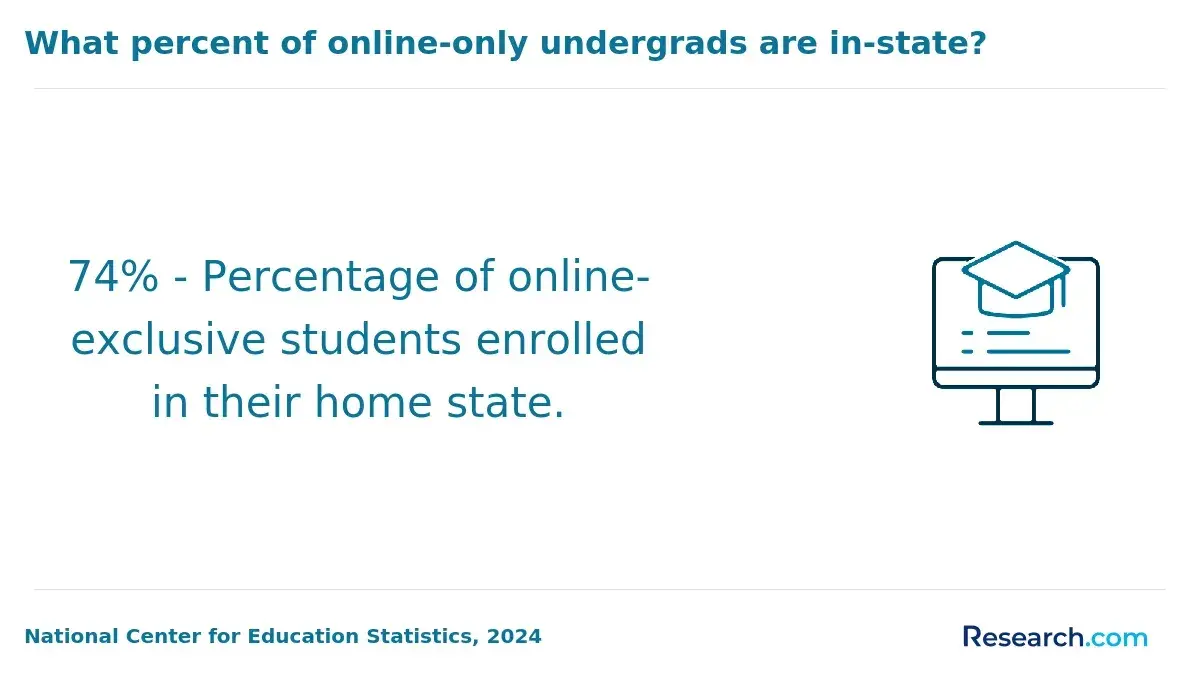
Tuition variation between $20,000 and $65,000+ reflects program prestige, residency components, and fees. Rural nurses frequently rely on employer tuition reimbursement or institutional aid to manage these expenses, especially when working in under-resourced healthcare settings. Employer assistance commonly requires service commitments, intertwining financial support with job stability considerations.
Clinical placement logistics further complicate rural NP progression. Partnerships near rural practice settings reduce travel burdens but may still involve remote preceptorships. Additionally, federally designated Health Professional Shortage Area (HPSA) nurses can access targeted loan forgiveness and grants, but navigating eligibility demands proactive financial planning well ahead of enrollment.
- Accelerated programs require substantial weekly hours, limiting feasibility for work-home balance.
- Part-time study extends program length but mitigates burnout risks and sustains income.
- Employer tuition aid often conditions repayment on continued local service, influencing career decisions.
- Loan forgiveness opportunities exist but entail complex eligibility and application processes.
Rural nurses assessing online NP programs must integrate these variables-time commitment, cost structure, clinical placement, and financial aid constraints-to align education pathways with local workforce realities and personal circumstances.
How do online nurse practitioner programs arrange clinical placements and preceptors in rural areas?
Rural clinical placements in nurse practitioner programs demand deliberate coordination to meet both accreditation standards and labor market realities. Programs rely heavily on established partnerships with geographically accessible healthcare providers, such as regional health systems and federally qualified health centers, to secure qualified preceptors. This results in clinical experiences that expose students to rural patient demographics and challenges, which are often required by employers seeking candidates with practical, hands-on rural healthcare experience.
Students must engage early with clinical coordinators to align placements with their specialty and location goals. Virtual orientation sessions for preceptors standardize supervision quality across dispersed sites. Credentialing and liability documentation pose administrative barriers, especially for smaller rural clinics, making centralized program support essential. The accelerated online nurse practitioner program options identified by VitalHealthService's 2026 ranking enable faster completion-sometimes 6 to 18 months sooner than traditional MSN pathways-but demand intensive scheduling and swift clinical placements.
Tradeoffs arise in remote regions where preceptor shortages require travel or hybrid in-person/telehealth clinical models. Potential candidates should anticipate logistical costs such as transportation or temporary housing near clinical sites and weigh these against the advantage of entering the workforce sooner. Employers prioritize extensive rural clinical hours, so programs emphasize quality of exposure over convenience, shaping student decisions about placements and program pacing.
What core courses and training do online NP programs include to prepare nurses for rural care?
Rural-focused online nurse practitioner programs prioritize clinical decision-making under resource constraints, preparing graduates to navigate limited diagnostics and specialist access common in these areas. Programs integrate telehealth training, reflecting the essential shift toward virtual care for geographically isolated populations. Practical clinical placements simulate rural environments by emphasizing primary care, emergency response, and preventive services tailored for dispersed patient groups.
Graduates must possess skills in care coordination across fragmented healthcare systems, balancing multiple roles from acute care to public health advocacy. Employers often expect demonstrated competence in autonomous practice and interdisciplinary collaboration due to the distinctive demands of rural settings.
For working nurses seeking rural specialization, the National Rural Health Association's NRHA Rural Health Nurse Certification at $997 offers a focused alternative to comprehensive degree pathways. It requires only 1-1.5 hours weekly, enabling acquisition of rural-specific expertise without extensive time or financial commitment, complementing broader nurse practitioner curricula.
Workforce considerations include the tradeoff between broad academic preparation and targeted rural competency. Selecting programs with strong rural clinical placements substantially affects employability and retention in underserved areas. Nurses entering rural practice must adapt to increased patient autonomy, limited diagnostic support, and culturally diverse populations-challenges not always addressed in generic np programs.
- Advanced coursework emphasizes pathophysiology, pharmacology, and policies relevant to resource-limited contexts
- Simulation labs and interprofessional education enhance readiness for autonomous, cross-disciplinary care
- Telehealth competencies address geographic isolation and virtual patient management needs
What salary ranges, loan repayment options, and financial incentives exist for rural nurse practitioners?
Rural nurse practitioners face a distinct compensation landscape shaped by geographic and workforce considerations. Starting salaries generally range from $85,000 to $115,000, with median wages near $105,000, adjusted for cost of living and workforce shortages. Federal loan repayment programs like the National Health Service Corps and the Nurse Corps Loan Repayment Program provide significant financial relief but require multi-year service commitments in shortage areas. For example, the National Health Service Corps offers up to $50,000 in loan forgiveness for two years of service, while the Nurse Corps program reimburses 60% of qualified loans after two years, with potential for an additional 25% forgiveness after a third year.
Advancing into rural NP roles demands meeting higher entry standards for online NP Programs, including a BSN, minimum 3.0 GPA, and often 1-2 years of bedside RN experience. These requirements increase upfront academic and clinical investment, creating a tension between immediate income loss during study and the long-term financial incentives available.
Rural employers often supplement salaries with retention bonuses and relocation stipends, sometimes exceeding $10,000, but these come with binding multi-year contracts that limit flexibility. For a nurse transitioning from a metropolitan hospital to a rural clinic, evaluating these tradeoffs is critical: short-term financial boosts versus potential constraints on professional growth and support infrastructure.
Decisions around rural NP careers should consider these layered factors-salary ranges, loan forgiveness options, program demands, and contractual terms-balancing financial relief with personal and professional sustainability within rural healthcare settings.
How can rural nurses evaluate and choose a reputable online NP program aligned with their career goals?
Choosing an NP program for rural nursing requires strategic alignment with measurable career goals and the healthcare needs of specific underserved communities. For instance, Oklahoma's projected 23% growth in nurse practitioner employment demands prioritizing accredited family nurse practitioner (FNP) or primary care tracks, which expand more rapidly than general NP roles. However, candidates must look beyond growth statistics to evaluate program outcomes such as graduation rates, board certification pass rates, and rural job placement success to ensure genuine workforce impact.
Clinical experience in rural settings remains a non-negotiable factor; programs offering rotations in federally qualified health centers or rural clinics fine-tune skills critical for these environments. Nurses balancing work and family should consider programs with minimal in-person residency to reduce travel burdens, especially where geography complicates access. Tuition must be weighed against program length and flexibility, as extended timelines risk delaying reentry into the workforce, which can disrupt income streams.
License portability also affects long-term employment options in rural areas spanning state lines, making state authorization an essential vetting step. Faculty expertise in rural healthcare and dedicated career support services-such as licensure exam preparation and advisory counseling-play pivotal roles in translating training into sustainable rural practice. Ultimately, program selection carries tradeoffs involving hands-on readiness, financial burden, and workforce reentry timing, which must be carefully balanced to serve both nurse and community effectively.
Other Things You Should Know About NP Programs
Online nurse practitioner programs in 2027 often include specialized curriculums focusing on rural healthcare needs such as telehealth, cultural competency, and limited resource management. They also provide flexible scheduling, enabling students to work hands-on in rural settings and gain relevant experience while studying.
Not all online programs emphasize rural health competencies equally. When choosing, prioritize programs with curricula or clinical placements focused on rural populations and resource-limited settings. Without this focus, graduates may face a steep learning curve adapting to rural practice realities like broader scopes of care and limited specialist support.
The preceptor's expertise, especially in rural practice, directly impacts the clinical learning experience and readiness for rural roles. Programs that facilitate placements with seasoned rural clinicians provide practical insights into common complications, resource management, and patient education tailored to rural contexts. Students should confirm that their clinical mentors have relevant rural practice experience to maximize competence.
Employers increasingly accept graduates from accredited online NP programs but often prioritize candidates whose training included relevant rural clinical exposure. Graduates lacking rural-specific experience or from programs without strong clinical mentorship risk being less competitive. To improve employability, focus on programs with established rural clinical networks and demonstrable graduate outcomes in similar settings.
References
- NP Schools That Provide Preceptors: Guaranteed Clinical Placement vs. Student Search https://www.nphub.com/blog/np-schools-that-provide-preceptors-clinical-rotations
- Scholarships, Loans, and Loan Repayment for Rural Health Professions Overview - Rural Health Information Hub https://www.ruralhealthinfo.org/topics/scholarships-loans-loan-repayment
- 10+ Types of Nurse Practitioners: Guide to NP Specialties https://credenzahealth.com/career-advice/10-types-of-nurse-practitioners
- All Online Nurse Practitioner Schools, Ranked - NPSchools https://www.npschools.com/
- Online nurse practitioner program improves health care in communities https://www.uregina.ca/stories/2023/05/online-nurse-practitioner-program-improves-health-care-in-communities.html
- 3RNET's Guide to Loan Repayment Programs https://www.3rnet.org/resources/loan-repayment
- How to Get Into NP School: What Nurse Practitioner Programs Look For https://www.bartonassociates.com/blog/3-things-np-programs-look-for-in-applicants/
- How to Choose the Right Nursing Program for Your Career Goals https://cbsnursing.nicepage.io/blog/how-to-choose-the-right-nursing-program-for-your-career-goals.html
- Some of the Top CCNE-Accredited Nurse Practitioner Programs https://npdegrees.org/accreditation/ccne-accredited-nurse-practitioner-programs/
- Faculty of Graduate and Postdoctoral Studies | University of Manitoba - Nurse practitioner https://umanitoba.ca/graduate-studies/admissions/programs-of-study/nursing-nurse-practitioner-mn