2027 Best Online Dual NP Programs

Co-Founder and Chief Data Scientist
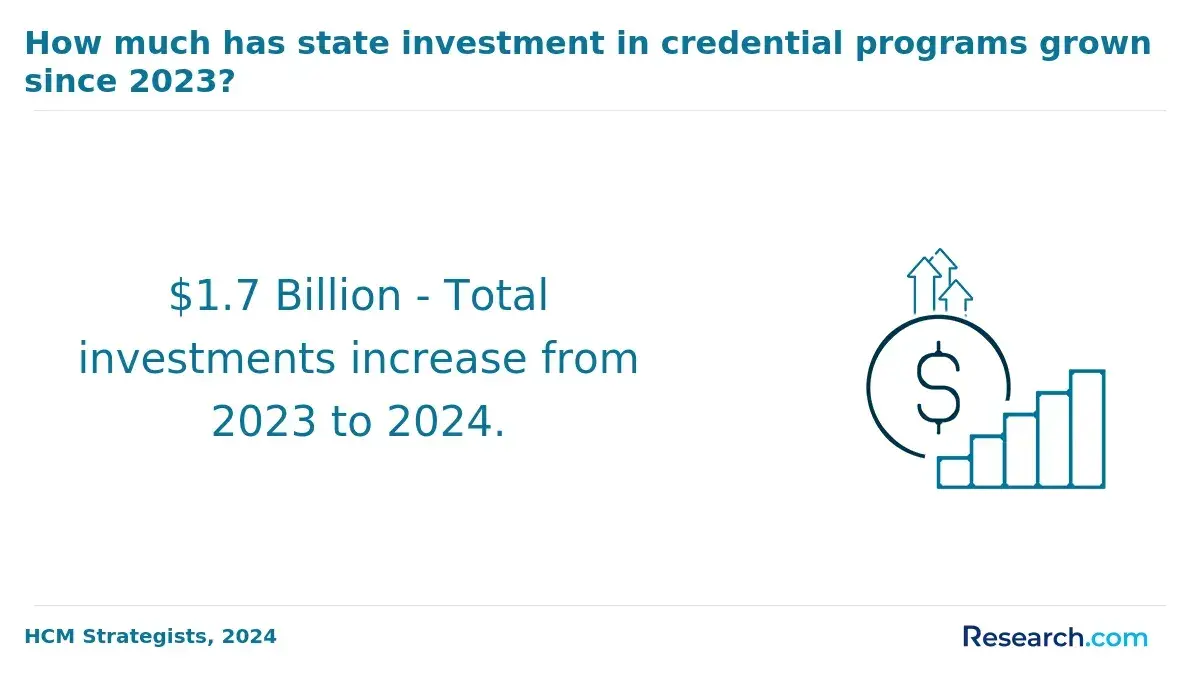
Balancing full-time work and family commitments creates a critical barrier for many nursing professionals seeking dual np programs, especially when accelerated career advancement hinges on timely program completion. The shift toward online education offers flexibility, yet the National Center for Education Statistics reports a 17% increase in adult enrollment in online graduate nursing programs since 2023, signaling growing demand but also intensifying competition for quality, accessible options. This trend underscores the necessity to evaluate not only program length and cost but also clinical placement support and accreditation rigor, which impact long-term employability and licensing portability. This article reviews current best online dual np programs to equip candidates with actionable insights for strategic enrollment decisions.
Key Things You Should Know
- Dual NP programs extend clinical training by 25%-40%, amplifying certification costs by up to 30%, creating a tradeoff between accelerated entry and comprehensive qualification expenses per NCES 2024 financial data.
- Employers in integrated health systems increasingly prefer dual-certified NPs, with 58% of surveyed recruiters in 2024 prioritizing candidates for expanded care scopes, shifting hiring toward multi-specialty versatility.
- Program availability remains regionally uneven; only 35% of U.S. states offer dual NP tracks online, concentrating access barriers geographically and influencing workforce distribution per AANP 2024 state reports.
What are online dual nurse practitioner programs and how do they work?
Online dual nurse practitioner programs offer a distinct advantage by enabling students to qualify for certification in two advanced practice roles simultaneously, such as family nurse practitioner and psychiatric-mental health nurse practitioner. This approach condenses what would traditionally require two separate degrees, presenting a strategic pathway for nurses aiming to diversify their scope with fewer total credit hours and reduced overall time commitment.
Proactively managing clinical placements is essential, as securing sites that fulfill requirements for both specialties proves complex and can extend program duration or geographic reach.
The scarcity of these programs-only 12 among more than 1,000 online NP programs nationally-reflects accreditation challenges and clinical logistics that students must navigate. Employers may expect demonstrable competence across both specialties before entrusting expanded responsibilities, which means clinical performance in each area affects employability.
Some healthcare settings prefer single-specialty nurse practitioners for concentrated expertise, while dual certification aligns better with integrated or rural health environments requiring flexible multidisciplinary coverage.
State licensing variability complicates credential portability, so verification is critical before enrollment. Financially, the higher tuition per credit often charged by these programs can be offset by shorter timeframes that reduce lost income. For nurses seeking to monitor how online dual nurse practitioner programs function in practice and their benefits, exploring comparative program structures-such as specific PMHNP programs-helps gauge fit and commitment.
Which online dual NP specialties are most common and who are they best for?
Dual nurse practitioner specialties combining Family Nurse Practitioner (FNP) with Acute Care (ACNP) or Psychiatric-Mental Health (PMHNP) remain the most practical online dual nurse practitioner specialties for adults and pediatrics, offering real-world workforce flexibility. For instance, an FNP + ACNP dual-certified NP can switch fluidly between outpatient visits and hospital critical care units, addressing emergency staffing gaps while commanding higher compensation.
Conversely, the FNP + PMHNP pathway aligns closely with behavioral health shortages in community and integrated care settings, meeting evolving mental health demands more effectively.
Employers, notably large health systems and rural clinics, increasingly prioritize candidates with dual certifications as they reduce staffing vulnerabilities and elevate clinical versatility. Compensation data shows dual-certified NPs earn 10-15% more than their single specialty counterparts, reflecting expanded scope and deployability.
However, the tradeoff includes significantly increased clinical training hours and extended program length, which can challenge working professionals balancing study and employment.
Less common combinations like Adult-Gerontology Primary Care paired with Acute Care or Neonatal with Pediatrics target workforce-constrained niche areas, such as eldercare in hospital environments or neonatal intensive care units. These require strategic consideration of personal capacity for clinical intensity and local demand.
Choosing between single and dual specialties depends on individual priorities: those seeking faster entry might prefer single specialty paths, while professionals pursuing measurable salary growth and marketability often commit to the longer, more rigorous dual NP programs. Prospective students can explore options and program details further by reviewing online DNP programs tailored to their goals.
What are the key benefits and drawbacks of earning a dual NP degree online?
Employers increasingly value online dual NP degree advantages and challenges rooted in the demand for multidisciplinary expertise, particularly in family and psychiatric mental health fields. The U.S. Bureau of Labor Statistics projects a 38% job growth in NP employment from 2022 to 2032, with dual FNP/PMHNP credentials leading this trend. Yet, the tradeoffs include heightened academic complexity and financial costs, often exceeding those of single specialty degrees, which require careful ROI evaluation based on target practice settings.
These programs offer working professionals flexible access to education and varied clinical placements across regions, yet the dual NP degree's intensity can overwhelm those without strong time management or institutional support. Students must juggle simultaneous accelerated coursework and clinical requirements, coordinate separate preceptor agreements, and endure limited faculty interaction compared to traditional formats.
Prospective students should weigh the pros and cons of earning a dual NP degree online relative to their career focus: a clinician aiming for integrated behavioral health roles benefits from expanded competencies and job prospects, while those committed solely to primary care may encounter unnecessary complications and costs.
Strategic planning of clinical placements and scheduling remains critical. Financially, some hospital systems prioritizing single-discipline NPs may not reward dual certification with commensurate salary gains, potentially delaying time to independent practice.
For those analyzing program affordability and options, resources like the most affordable online DNP programs offer relevant guidance.
What accreditation and state authorization should online dual NP programs have?
National accreditation through the Commission on Collegiate Nursing Education (CCNE) or the Accreditation Commission for Education in Nursing (ACEN) remains a non-negotiable requirement for online dual NP programs seeking recognition and licensure validation. Without this accreditation, graduates face restricted employment opportunities, especially in states with stringent credentialing that exclude non-accredited program alumni from hospital hiring. Employers and licensing boards rely heavily on these accreditations to assess the legitimacy of educational preparation.
Equally important is state authorization for online dual NP programs in the US, which determines the legality of enrolling students based on their physical location. Programs lacking authorization in a student's state expose them to risks like interrupted studies, delayed licensing, and financial penalties, particularly if relocating mid-program. Institutions must secure authorization either through NC-SARA or state-specific agencies to ensure compliance with education regulations and learner protections.
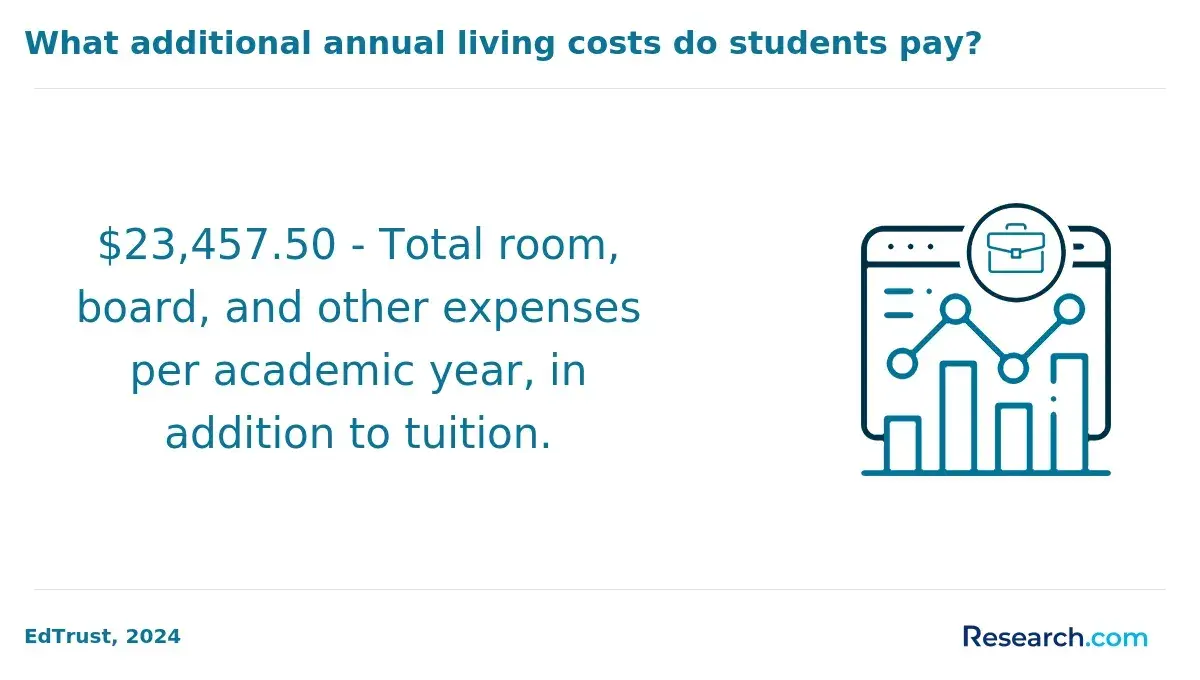
Practical decision-making requires consulting the U.S. Department of Education's accreditation database alongside state authorization registries to confirm both statuses before enrollment. Additionally, tuition costs exceeding $35,973 for MSN-NP or $57,118 for DNP-NP, as outlined in the NPSchools 2025-26 report, warrant skepticism because higher prices do not compensate for lack of regulatory approval.
Prospective students should also examine options among the cheapest PMHNP programs to balance cost with compliance.
What admission requirements and prior nursing experience do dual NP programs expect?
Dual NP programs require significantly greater preparation and practical nursing experience than single-specialty tracks, reflecting the intensive clinical demands and broader skill sets candidates must demonstrate. Typically, applicants must hold a registered nurse license with 1 to 2 years of relevant clinical nursing experience and a Bachelor of Science in Nursing or an equivalent degree accredited in the U.S.
This is not simply a duplication of skills but a verified competence across two distinct nursing roles, supported by detailed clinical hours documentation and a minimum undergraduate GPA around 3.0.
The scarcity of affordable online dual-track NP programs-offered by fewer than 2% of programs-intensifies the competitiveness and heightens the importance of prior clinical proficiency. For instance, a nurse targeting a dual Family Nurse Practitioner (FNP) and Acute Care Nurse Practitioner (ACNP) track must already exhibit strong decision-making capabilities in high-pressure environments like emergency departments.
Employers expect fluency across a wider acuity spectrum, which single-track candidates often do not require.
- Requires RN license and 1-2 years clinical experience
- Must hold BSN or equivalent accredited degree
- Minimum GPA of 3.0 and detailed clinical documentation
- Dual tracks require broader competency and clinical hours
- Less than 2% of affordable online programs offer dual NP pathways
- Heavier clinical hour demands often extend program length
- Dual certification entails stricter maintenance and workplace integration
The heavier clinical hour requirements, which often double those of single-focus programs, may impose extended time commitments and complicated clinical placement negotiations. Graduates should anticipate more complex certification pathways and nuanced workplace role definitions, making upfront strategic time management and clear understanding of dual certification maintenance crucial.
How long do online dual NP programs take and what course load is typical?
Dual nurse practitioner programs notably extend the timeline and workload compared to single-specialty tracks, often requiring 3 to 4 years due to the integration of two clinical specialties. For example, combining Family Nurse Practitioner (FNP) and Psychiatric Mental Health Nurse Practitioner (PMHNP) specialties nearly doubles clinical hour requirements-upwards of 1,250 supervised hours versus 600-700 hours in single-track programs. This intensifies scheduling challenges and demands robust time management, particularly for working nurses balancing full-time employment and coursework.
A registered nurse employed 40+ hours weekly might need to opt for part-time enrollment, stretching the program to around 4 years with 6-9 credit hours each semester. Conversely, recent graduates or those with more flexibility can carry 9-12 credits per term, shortening completion closer to 3 years. Employers value the expanded versatility of dual credentials but expect candidates to handle the increased upfront intensity and logistical coordination required to secure multiple clinical placements across specialties.
Key considerations when pursuing dual NP programs include:
- Managing significantly higher clinical hour requirements and securing diverse clinical sites
- The potential necessity of reduced semester course loads to maintain quality
- Balancing ongoing professional responsibilities with academic demands
This pathway delivers a wider scope of practice but places considerable emphasis on disciplined scheduling and institutional support to mitigate burnout. Early planning of application cycles and clinical rotations is critical for timely graduation and employability outcomes.
What curriculum, clinical hours, and preceptor arrangements do dual NP students complete?
Dual nurse practitioner students face unique logistical and regulatory challenges distinct from single-specialty paths, with direct implications on program completion and workforce entry. Clinical hour requirements span roughly 650 to 800 total hours, split evenly-about 300 to 400-in both family practice and psychiatric or mental health settings, each governed by separate accreditation standards.
This fragmentation necessitates managing dual preceptor relationships, often without robust institutional support, which complicates scheduling and demands proactive student engagement.
State licensure restrictions critically impact clinical placement. Students must secure licensed preceptors practicing within the enrollment state, a practical hurdle amplified in online formats due to limited program authorizations across approximately 20 states.
For example, a nurse working full-time aiming to complete an FNP/PMHNP dual track must coordinate two concurrent clinical placements, usually face-to-face, which rarely accommodates a standard 40-hour workweek without significant employer flexibility.
- Dual clinical hour requirements pose heightened coordination and licensure compliance demands
- Limited state approvals for remote learners constrain clinical placement options and influence licensure portability
- Working professionals must navigate complex scheduling and potential employer negotiations for effective fulfillment of requirements
- Extended program duration results in longer credentialing timelines with direct career and financial implications
Operational tradeoffs also surface in program length; dual NP programs extend completion by 6 to 12 months compared to single-focus options, with corresponding financial and time investments. This delay may affect employment transitions and earning potential, particularly where employers expect readiness within shorter timelines.
How much do online dual NP programs cost and what financial aid is available?
Cost variability in online dual NP programs imposes significant decision-making challenges, especially when tuition can surpass $160,000 for a typical 70-credit dual DNP track. Such investment often deters midcareer professionals balancing existing financial commitments with ambitions to pivot into advanced practice roles. This wide range, from $700 to $2,300 per credit, largely depends on residency status, institutional prestige, and hidden fees, making upfront tuition an operational hurdle rather than a mere number on a page.
Federal financial aid is the foundation for many students, with FAFSA eligibility unlocking Pell Grants, Direct Loans, and PLUS loans. Yet, these sources rarely eliminate the need for additional funding strategies. State loan forgiveness programs tied to service in underserved or rural areas reshape career trajectories by incentivizing practice locations; however, they limit geographic flexibility.
Employer tuition reimbursement is another common route but often requires contractual employment duration, restricting immediate postgraduation mobility.
- High tuition variability reflects institutional and geographic factors
- Federal aid and state loan forgiveness programs impose tradeoffs in flexibility and location
- Employer reimbursement benefits may restrict post-degree employment choices
- Scholarships are limited and seldom full coverage
- Balancing clinical hour commitments and income loss is vital for working nurses
Military education benefits offer substantial cost relief but serve a narrow candidate pool. Scholarships specific to nursing, while valuable, frequently cover only partial expenses and remain highly competitive. Professional candidates must weigh cost against income lost during clinical rotations or residency, where part-time or asynchronous options can alleviate financial strain but prolong time-to-degree and total costs.
What certifications, licenses, and exams are required after a dual NP program?
Dual nurse practitioner (NP) graduates face complex certification and licensure processes that strongly influence their effective workforce entry. National certification from either the American Nurses Credentialing Center (ANCC) or the American Association of Nurse Practitioners (AANP) is mandatory before state licensure application, with the choice tied to the graduate's specialty.
Each state board requires an active RN license, completion of an accredited program, and passing the relevant NP certification exam, but variance in state requirements complicates multi-state employment.
Clinical practice hours, typically ranging from 500 to 1,000 supervised, are essential post-licensure for employer credentialing, especially when managing dual specialties like family and psychiatric care. Additionally, some states impose nursing jurisprudence exams, creating barriers for streamlined reciprocity. This impacts graduates seeking to work in multiple states or rural areas, where credential processing delays often extend beyond average payback periods on educational investment.
Maintaining certification demands continuing education (75 contact hours for ANCC, 100 for AANP every five years) and recertification exams in select specialties. Lapses can suspend licenses or hospital privileges, directly reducing earning potential. Despite these hurdles, median salaries surpass $120,000, with many graduates completing programs under the $35,973 affordability threshold, supporting payback periods below three years.
What dual NP career paths, salaries, and job outlook can graduates expect?
Choosing an online dual NP program often means weighing the significant upfront investment of longer study periods and increased clinical hours against the payoff of broader employability. Graduates trained in combined specialties-such as Family and Psychiatric-Mental Health or Adult-Gerontology and Emergency Care-enter a labor market where versatility commands a premium but practical experience across both areas is critical.
Institutions and employers increasingly value dual NP candidates with demonstrable clinical hours aligned to their chosen specialty pairs, recognizing this as essential to navigating complex or underserved healthcare environments.
Salary ranges, typically from $110,000 to $150,000, fluctuate based on specialty combinations, geography, and practice setting. Demand growth for nurse practitioners is robust, with the U.S. Department of Labor projecting roughly 40% expansion through 2031, but those holding dual certifications tend to occupy niche roles in rural or large health systems where multi-specialty coverage is vital.
Practical tradeoffs for working nurses include delayed workforce reentry and amplified tuition costs. However, these are offset by enhanced job security and the ability to fill unique workforce gaps. Strategic internship choices and clinical placements, are key levers for mitigating underemployment risks and optimizing salary potential.
Other Things You Should Know About NP Programs
Balancing work and an online dual np program requires rigorous time management because these programs compress two specialties into an intense curriculum. Working nurses should expect a heavier weekly study and clinical commitment than single specialty tracks, often including weekend or evening classes plus clinical hours that may conflict with typical work shifts. Prioritizing programs with flexible clinical placement policies or asynchronous coursework helps but does not eliminate the workload pressure. Employers may expect temporary schedule adjustments or reduced hours to accommodate these demands during the program's most intensive phases.
The best online dual NP programs in 2027 include those offered by Johns Hopkins University, Duke University, and the University of Alabama Birmingham. These programs are recognized for their rigorous curricula, reputable faculty, and comprehensive clinical placements.
Securing appropriate clinical placements is more complex for online dual np students due to the need to meet clinical hour requirements in two specialties, often with overlapping schedules. Many programs rely on students to independently find preceptors, which requires proactive networking and early outreach. Candidates should prioritize programs with strong clinical support or established partnerships to minimize placement delays. Preparing a professional portfolio and clear objectives for each clinical specialty improves preceptor acceptance and aligns experiences with each certification exam's scope.
Choosing between faster completion and more specialization options depends on career goals and current workload capacity. Accelerated programs reduce time out of the workforce but often increase weekly hours and pressure, risking burnout or academic compromise. Programs with greater flexibility in specialty combinations support tailored career paths and future role shifts but tend to be longer or require sequential coursework. Candidates planning strategic pivots or leadership roles should prioritize flexibility; those aiming for rapid credentialing to meet immediate job requirements should focus on expedited pathways.
References
- How Long is an MSN-to-DNP Program? Length of MSN-to-DNP Programs https://www.onlineeducation.com/nursing/faqs/how-long-is-an-msn-to-dnp-program
- Guide to Nurse Practitioner Schooling Requirements https://credenzahealth.com/career-advice/guide-to-nurse-practitioner-schooling-requirements
- NP Clinical Rotations: The Guide Schools Don't Give You https://www.nphub.com/blog/nurse-practitioner-clinical-requirements
- Nppograms https://NPPograms.org
- Why Dual Certifications Are Growing: Demand and Benefits | Maryville Nursing https://nursing.maryville.edu/blog/why-dual-certifications-are-growing
- Online MSN Dual Track FNP-AGACNP https://onlinedegrees.rockhurst.edu/programs/online-msn-dual-track
- The Path to Becoming a Nurse Practitioner (NP) https://www.aanp.org/news-feed/explore-the-variety-of-career-paths-for-nurse-practitioners
- Dual Concentration: Adult-Gerontology Acute Care/Family Nurse Practitioner https://uthsc.edu/nursing/dnp/dual-agacnp-fnp.php
- A Guide to the Top Nurse Practitioner Specialties and NP Types https://www.bartonassociates.com/blog/top-nurse-practitioner-specialties-and-np-types/
- Most Affordable Online NP Programs (2026): Comprehensive https://www.npschools.com/rankings/all-affordable-online-np-programs