2027 Nurse Practitioner Salary Guide

Co-Founder and Chief Data Scientist
Choosing when and how to enter nurse practitioner programs often confronts candidates with a critical timing dilemma: balancing the accelerating shift toward online and hybrid learning formats against the demand for hands-on clinical experience employers prioritize. The National Center for Education Statistics found enrollment in online graduate nursing programs surged by over 15% in 2024, emphasizing flexible access for working professionals but complicating decisions about program selection and career trajectory.
This trend signals a growing divide between program accessibility and real-world readiness, forcing prospective students to weigh convenience against market competitiveness. This article clarifies current nurse practitioner salary trends and program factors to guide realistic career investment decisions.
Key Things You Should Know
- NP programs averaging $70K-$90K tuition present a ROI tradeoff: accelerated MSN paths yield faster earnings growth but increase upfront debt burdens, delaying net financial gains per Bureau of Labor Statistics 2024 wage data.
- Health systems increasingly prioritize NPs with specialization certificates, elevating average salaries 10-15%, embedding credential inflation that pressures ongoing employer-driven upskilling investment and role differentiation.
- Regional demand discrepancies cause average NP salaries to vary by up to 25% between urban and rural markets, complicating standardized salary expectations and influencing relocation decisions per recent AHRQ workforce analyses.
What is the average nurse practitioner salary in the United States?
Median annual wages for nurse practitioners in the United States reached $129,210 according to U.S. Bureau of Labor Statistics data from May 2024, significantly outpacing typical nurse practitioner earnings across US states and the broader occupational landscape. This disparity reflects labor market realities where urban centers and states with elevated costs of living exert upward pressure on salaries, while rural or less competitive regions may offer comparatively modest compensation.
Specific specialties such as acute care and psychiatric-mental health receive premium wages due to higher demand and limited expertise availability. Within employment settings, hospitals and specialty clinics generally provide greater remuneration than primary care or outpatient roles. These factors collectively shape hiring priorities and influence the strategic alignment of educational investments in NP Programs.
Geographic variation means location decisions can materially affect lifetime earnings and return on advanced education. Specialty focus impacts employability and salary but might also require more rigorous certification and ongoing training. Choosing settings with higher demand enhances compensation potential yet may increase job complexity and hours.
Prospective students should evaluate these tradeoffs alongside program costs and durations to optimize career outcomes. Exploring the shortest PMHNP program might be a pragmatic step for those seeking expedited credentialing without sacrificing specialization quality. Balancing these dimensions will help individuals align their educational pathways with realistic market opportunities, ensuring sustainable advancement within nurse practitioner roles.
Which factors have the biggest impact on nurse practitioner pay?
Specialization area remains the most decisive factor in nurse practitioner salary variation by state, with acute care, psychiatry, and oncology roles earning 10-15% more than general primary care. This premium aligns with higher case complexity and demand fluctuations across regions. Geographic disparities reflect broader budget differences: states like California and Massachusetts offer average salaries above $160,000, while rural locations tend to provide lower base pay but often supplement compensation through incentives such as signing bonuses and student loan repayment programs to attract talent.
Experience and advanced certifications significantly shape earnings. Nurse practitioners with over five years in clinical settings can expect 12-18% higher salaries than entry-level peers. Certifications in technical specialties or leadership enhance bargaining power, impacting both pay and responsibility. Employers highly value proven skills for reducing onboarding time and improving patient outcomes, influencing recruitment trends.
Work settings further diversify pay scales. Hospital positions command 8-12% higher wages compared to outpatient or community health centers due to acuity and hours. Telehealth offers flexibility but typically less compensation than in-person acute care roles. For professionals weighing NP programs, factoring these dynamics into career planning is critical, particularly in balancing lifestyle and financial goals. Programs like a 1 year MSN to DNP program may expedite entry into specialized roles.
The latest salary data show nurse practitioners' average annual pay rose nearly 9% from $132,707 in 2024 to $144,509 in 2025, underscoring the importance of strategic specialization and location choices. These key factors influencing nurse practitioner earnings mirror workforce shortages and evolving healthcare demands, making nuanced decisions vital for long-term career viability.
How do nurse practitioner salaries compare across specialties and practice settings?
Income differences among nurse practitioners (NPs) hinge heavily on specialty and geographic location, with salary disparities influencing practical career choices. Acute care NPs, such as those in emergency or critical care, often surpass $140,000 annually due to high patient acuity, while primary care NPs-especially in rural settings-tend to earn closer to the national average of $126,000. Recognizing nurse practitioner salary differences by specialty and region is essential for candidates weighing stress tolerance, commuting logistics, and long-term financial goals.
The average nurse practitioner income by practice setting reveals notable contrasts. Hospital-employed NPs are generally better compensated and receive more comprehensive benefits compared to outpatient or academic roles. However, specialized outpatient fields like oncology or dermatology can offer competitive salaries paired with improved work-life balance, which factors strongly into job satisfaction.
Registered nurses earn an average of $89,010, nearly $37,000 less than NPs, underscoring a 41% income premium for advanced practice education. Yet this gap comes with tradeoffs: longer certification requirements in specialties such as cardiology or psychiatric mental health, where salaries range from $130,000 to $150,000. Candidates should assess credentialing complexity and regional market saturation carefully.
In regions facing primary care shortages, the NP salary advantage grows, a dynamic influencing workforce distribution and long-term supply. Prospective students evaluating accelerated NP programs should consider these financial and practical nuances alongside the costs and duration of training to optimize their educational investment within the NP Programs landscape. For further exploration of fast-track educational routes, see accelerated NP programs.
What education and NP program pathways lead to becoming a nurse practitioner?
Choosing between MSN and DNP pathways requires weighing immediate workforce entry against longer-term leadership prospects within nurse practitioner education requirements in the United States. The MSN path, typically 2-3 years post-BSN, prioritizes direct clinical preparation and national certification readiness, suiting those seeking faster transition into practice. Conversely, the DNP extends 3-4 years and incorporates advanced leadership, health policy, and evidence-based practice-attributes increasingly preferred by specialty and academic employers, though many community settings maintain demand for MSN graduates with substantial clinical experience.
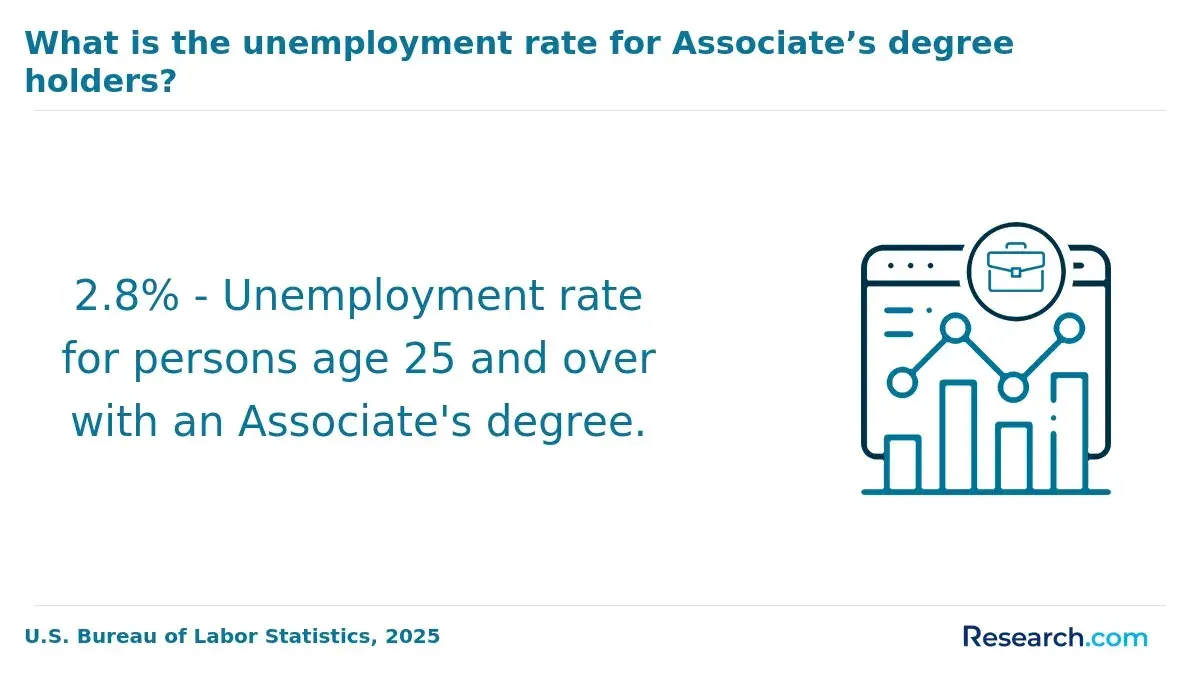
RN-to-MSN bridge programs accommodate those starting with associate degrees but often involve extended clinical hours and prerequisite coursework, lengthening time before independent practice. This practical consideration affects earning potential during studies and requires strategic timing for career pivots. Salary data reflects this tradeoff: the lowest 10% earn under $94,000 annually, while the highest 10% exceed $172,000, with DNP-trained NPs more likely positioned at the upper range in competitive environments.
Key factors influencing program choice include program duration, costs, part-time feasibility, and employer preferences aligned with specialty areas. Prospective students evaluating top accredited np program pathways for nurse practitioners should also explore the cheapest Psych NP programs online for affordable alternatives that fit their career strategies.
How do online nurse practitioner programs compare to campus-based options?
Choosing between online and campus nurse practitioner programs hinges on how clinical training and regional employment dynamics affect readiness. Online programs offer unmatched flexibility but demand strong self-management, particularly because clinical placements require students to independently coordinate with healthcare providers. This decentralized approach can hinder students in rural or underserved areas from securing quality practicums, potentially resulting in less hands-on experience than peers in campus programs with established local clinical partnerships.
Campus-based NP Programs frequently provide streamlined clinical rotations paired with direct faculty mentorship, enhancing practical skill development and networking. In competitive job markets such as California-where nurse practitioners earn a median of $166,610 versus the national $129,210-employers often expect demonstrable clinical proficiency from accredited in-person settings. Geographic location also matters for licensure and state-specific clinical mandates, where campus programs may better facilitate compliance.
- Online curricula sometimes feature national accreditation and lower tuition but require verification of clinical site availability and preceptor quality to prevent training gaps.
- Campus programs can offer immediate clinical supervision and a clearer path to local employment but may reduce flexibility for working professionals balancing multiple responsibilities.
Prospective students should evaluate program delivery against their capacity to fulfill clinical hour requirements and meet employer expectations in targeted regions, weighing convenience against concrete, market-validated clinical competencies when deciding on NP Programs.
What are typical tuition costs and financial aid options for NP programs?
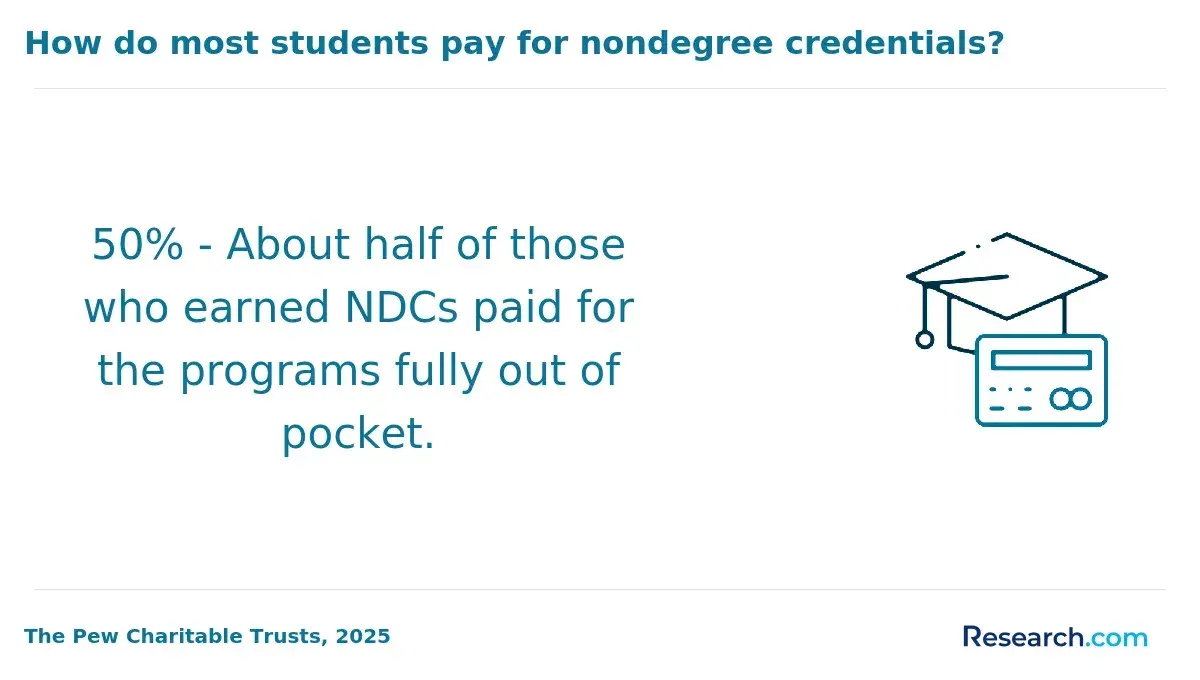
Nurse practitioner (NP) programs in 2026 present a significant financial commitment, with tuition spanning from about $30,000 at public in-state institutions to upwards of $80,000 in private or out-of-state options. While part-time and online formats may extend the time needed to finish, they rarely reduce the overall cost.
This variance demands that candidates carefully weigh program expenses against their career trajectories and earning potential. For instance, psychiatric mental health nurse practitioners earn approximately $132,000 per year, representing a specialty pay premium exceeding $30,000 compared to other NP roles, according to NursePractitionerOnline's 2024-2026 salary data.
Financial aid avenues, including federal Direct Loans, offer income-driven repayment plans that can ease long-term debt management, but scholarships remain competitive and limited, often targeted toward underserved sectors or specialties. Employer tuition reimbursement can alleviate expenses but typically involves work-back obligations and seldom covers full costs.
Consider a rural primary care nurse, who might shoulder substantial tuition debt without employer support and earn near the NP median salary, restricting repayment flexibility. Conversely, psychiatric mental health candidates can reasonably accept higher debt loads if the program's clinical strengths facilitate swift employment. Aligning financing strategies with specialty choice and geographic goals is essential to mitigate financial strain during and after NP training.
What licensing and national certification requirements do nurse practitioners need?
Securing licensure as a nurse practitioner (NP) in the U.S. requires navigating a multi-layered certification and state authorization process that directly influences employability and income potential. An active registered nurse (RN) license-earned by completing an accredited nursing program and passing the NCLEX-RN-is the essential foundation. Beyond this, national certification through bodies such as the American Association of Nurse Practitioners (AANP) or the American Nurses Credentialing Center (ANCC) is non-negotiable and must align with one's NP specialization in family practice, acute care, or psychiatry.
State licensure builds on national certification but introduces practical complexities. Requirements vary widely and commonly include graduate education (master's or doctoral), documented clinical hours, jurisprudence exams, and ongoing continuing education. Employers in acute care or specialty settings emphasize board certifications that reflect their patient demographics, while primary care employers may accept a broader certification range.
For example, family nurse practitioners must pass recertification exams every five years and complete 75 hours of continuing education to maintain licensure and insurance eligibility, underscoring the significant time and cost investment beyond initial certification. Compensation analyses show total earnings-including bonuses and benefits-can exceed base salaries by $30,000 to $50,000, highlighting how certification and state licensing hurdles materially impact not just entry but long-term financial rewards.
What is the job outlook and demand for nurse practitioners nationwide?
Job growth for nurse practitioners outpaces nearly all other healthcare roles, with a 45% increase projected through 2032 due to persistent physician shortages and growing primary care needs, particularly in rural and underserved urban areas. This demand positions nurse practitioners as cost-effective providers across hospitals, outpatient clinics, and telehealth settings.
However, new graduates face a critical tradeoff between salary potential and workplace conditions, particularly when accepting offers in high-need regions that may come with greater workload intensity or limited resources. Starting salaries for new graduate nurse practitioners commonly range between $95,000 and $115,000, with realistic growth of 15-25% over three years based on experience and specialization.
For instance, those transitioning into specialty clinics or acute care often earn more than peers focused on primary care. This compensation trajectory is shaped by ongoing demands: balancing extensive clinical hours, certification maintenance, and continuing education requirements can delay advancement into higher-paying positions. Prospective students evaluating np programs should consider these operational realities:
- Geographic placement impacts not just salary but quality of practice environment and workload.
- Incentives like loan repayment and signing bonuses are often tied to less resourced settings.
- Specialization drives income but requires longer-term commitment and certifications.
Decision-making must weigh salary trajectories against career sustainability, workplace intensity, and personal capacity to navigate these demands in order to optimize long-term employment outcomes.
How do nurse practitioner salaries differ by state and metropolitan area?
Nurse practitioner salaries demonstrate significant geographic disparity driven by local cost of living, healthcare demand, and employer expectations. For example, an NP in San Francisco earning $135,000 contends with substantially higher housing and daily expenses than one making $100,000 in Kansas City, reducing net financial advantage despite the salary premium. This divergence forces candidates to weigh pay against personal and regional cost tradeoffs rather than assuming higher nominal wages yield better outcomes.
Urban centers like Washington D.C., Boston, and Seattle typically offer top-tier wages due to concentrated health systems and policy environments, whereas many rural areas offer lower base salaries but may provide loan repayment incentives or signing bonuses to attract practitioners. Such benefits can shift total compensation and influence where NPs choose to work.
Employers in high-demand regions often require candidates with advanced certifications and the ability to operate autonomously, elevating the qualification bar and resulting in salary adjustments tied closely to experience and scope of practice. The Bureau of Labor Statistics projects a 40% surge in nurse practitioner employment from 2024 to 2034, far outpacing average occupational growth.
This intensifies regional competition and may amplify existing salary disparities. Prospective NP students must consider market saturation, certification demands, and living costs when selecting programs and future practice locations to optimize financial and professional outcomes.
How can prospective students evaluate and choose an accredited NP program?
Selecting a nurse practitioner program requires more than confirming accreditation from the Commission on Collegiate Nursing Education (CCNE) or the Accreditation Commission for Education in Nursing (ACEN). Employers and licensing boards expect curricula aligned with national standards, but practical outcomes separate programs with real workforce value. For instance, programs boasting National Certification Examination pass rates above 85% strongly indicate graduates who meet immediate market expectations.
Beyond credentials, clinical placement environments shape employability. Programs integrated within large health systems expose students to varied patient populations and complex clinical scenarios-experiences that boost hiring potential and negotiating power for salaries often ranging between $108,000 and $150,000 depending on specialty and geography. While part-time or flexible options may accommodate working nurses, the extended time to degree completion and delayed salary gains are critical tradeoffs demanding deliberate consideration.
Students targeting roles in acute care or psychiatric mental health can anticipate salaries nearer the upper median range, unlike broader family nurse practitioner tracks which, despite higher demand, may offer lower initial compensation. Scrutinizing tuition relative to outcome metrics such as debt-to-income ratio and six-month employment rates reduces financial risk and uncovers programs committed to delivering measurable return on investment.
Prioritizing alignment between specialty choice, labor market demand, and program transparency supports informed decision-making essential in a competitive 2026 NP workforce. For data-driven guidance on program selection and credentialing impact, consult resources available.
Other Things You Should Know About NP Programs
In 2027, a nurse practitioner's salary is influenced by factors such as geographic location, specialization, years of experience, and the type of healthcare facility. Urban areas and specialized fields typically offer higher salaries. Advanced certifications and continued education also contribute to salary increases.
Part-time NP programs extend the duration of study, delaying entry into full NP roles and associated salary increases. However, they allow working nurses to maintain income and job stability during education. Choosing part-time should depend on your current financial situation and career goals; if accelerating salary growth is a priority, full-time programs offer faster credentialing and access to higher-paying positions. Conversely, part-time programs sacrifice speed but reduce financial risk and can support gradual workload management.
Employers increasingly value NP graduates from programs with curricula emphasizing evidence-based practice, interprofessional collaboration, and technology use. Programs that integrate simulation labs and practical informatics training tend to produce graduates who adapt faster to clinical workflows and electronic health records management. Graduates from curricula lacking these components may face steeper learning curves, potentially delaying confidence and productivity. When choosing a program, match curriculum strengths with evolving employer demands in your targeted healthcare environment.
Program location affects networking, clinical site availability, and local licensure nuances, which shape immediate job opportunities after graduation. Attending a program in a state with full practice authority for NPs can lead to broader clinical independence and higher earning prospects sooner. If relocation is not an option, select programs aligned with your target job market's regulatory environment. This strategic choice decreases barriers in transitioning from education to employment and supports smoother career advancement.
References
- Top RN to NP (MSN) Programs of 2025 - Nurse Practitioner Degrees https://npdegrees.org/degrees/np-masters-degrees/rn-to-np-programs/
- Online Resources & Scholarships for Nurse Practitioner Students https://www.edumed.org/financial-aid/scholarships/nurse-practitioner-programs/
- Tuition & Financial Aid | Maryville Nursing https://nursing.maryville.edu/why-maryville/tuition-financial-aid
- Nurse Practitioners Secure No. 1 Spot Across Three U.S. News & World Report Best Jobs Rankings https://www.aanp.org/news-feed/nurse-practitioners-secure-no-1-spot-across-three-u-s-news-world-report-best-jobs-rankings
- Nurse Practitioner Salary https://www.bartonassociates.com/nurse-practitioner-salary/
- The Nurse Practitioner Salary Guide | FHEA https://www.fhea.com/salary-guide/
- How to Become a Nurse Practitioner (NP) - Degrees & Certification https://www.npschools.com/blog/how-to-become-a-nurse-practitioner
- 2026 Guide to Nurse Practitioner Salaries | OnCall Solutions https://oncallsolutions.com/physician-resources/2025-nurse-practitioner-salary-guide/
- How Much Do Nurse Practitioners Make? 2026 Salary Guide https://locumtele.org/how-much-do-nurse-practitioners-make/
- How to Become a Nurse Practitioner: The Osmosis Ultimate Guide - Osmosis Blog https://www.osmosis.org/blog/how-to-become-a-nurse-practitioner-the-osmosis-ultimate-guide-part-one