2027 Nurse Practitioner Program Admission Requirements Explained

Co-Founder and Chief Data Scientist
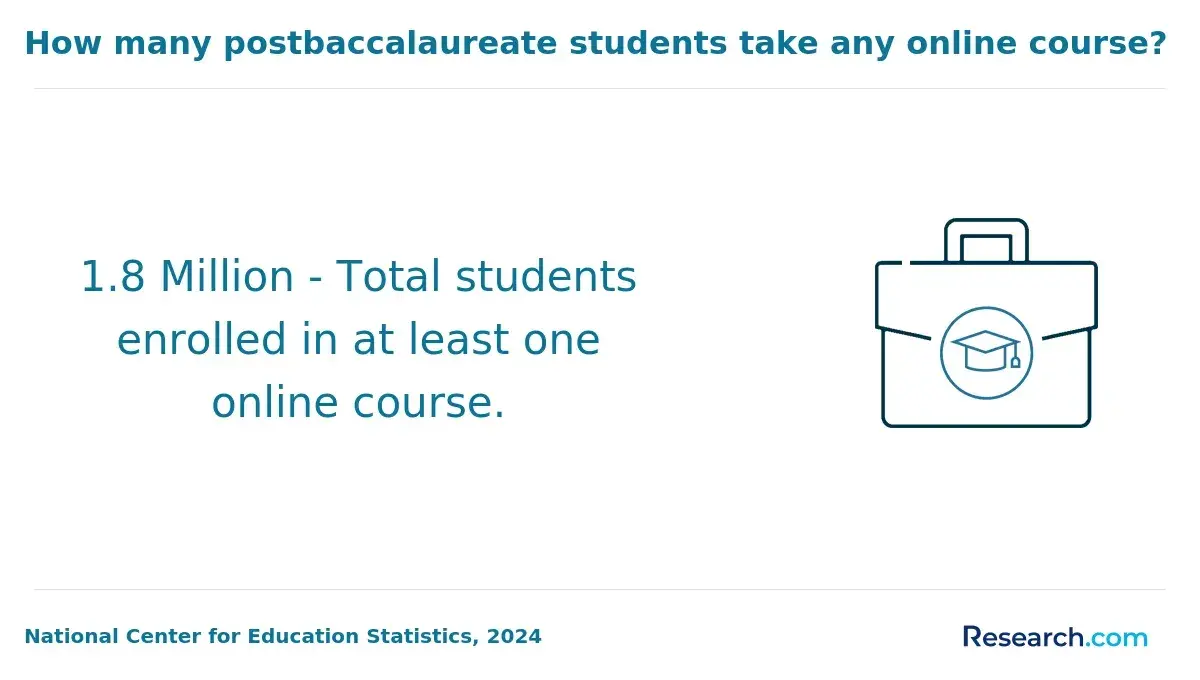
Securing a spot in nurse practitioner programs demands navigating shifting admission criteria amid soaring applicant volumes and diverse professional backgrounds. As the U. S. healthcare sector grapples with a projected 45% increase in NP roles by 2030 according to the Bureau of Labor Statistics, applicants face intensified competition and rigid prerequisites that often delay career transitions. Additionally, the rise in online program offerings-growing over 60% since 2020 per the National Center for Education Statistics-introduces complex decisions about accreditation, clinical requirements, and scheduling flexibility. This article clarifies nurse practitioner program admission standards to help prospective students plan strategically and optimize enrollment timing based on realistic, workforce-driven factors.
Key Things You Should Know
- NCLEX-RN pass rates above 85% remain a baseline, but programs increasingly embed clinical hours exceeding 700, driving delayed graduation but improving employer-readiness amid workforce shortages, per 2024 National Council of State Boards of Nursing data.
- With 58% of U.S. healthcare employers ranking direct clinical experience as a top hiring criterion, entrance requirements stressing structured preceptorships predict stronger job placement but restrict applicants lacking employer partnerships, according to 2024 AACN workforce surveys.
- Higher prerequisite GPA thresholds (≥3.4) correlate with longer time-to-completion and greater upfront cost, challenging working professionals' access amid inflation rates over 5%, raising critical timing versus affordability trade-offs documented in 2024 Bureau of Labor Statistics education economic analyses.
What are nurse practitioner program admission requirements?
Admission criteria for nurse practitioner program admission criteria in the United States demands precise academic benchmarks and relevant clinical exposure, reflecting employer expectations and workforce readiness. Candidates must possess at least a Bachelor of Science in Nursing (BSN) along with an active Registered Nurse (RN) license. The minimum GPA threshold, commonly between 3.00 and 3.24, serves to differentiate applicants capable of navigating complex clinical and research coursework.
Clinical work experience significantly influences eligibility requirements for nurse practitioner programs in the US; typically, one to two years of full-time RN practice is required. Specialty tracks emphasize aligned experience-for example, pediatric nurse practitioner programs prioritize pediatric nursing exposure, contrasting with broader clinical experience accepted in family nurse practitioner paths. This differentiation impacts early career employability and skill specialization.
Standardized testing, such as the GRE, is less routinely mandated but may still apply in select programs. Additionally, schools assess qualitative factors like leadership potential, clinical aptitude, and goal clarity through recommendations and personal statements. Prerequisite courses in statistics, pathophysiology, and physical assessment often supplement academic qualifications, ensuring foundational competencies.
Applicants with international credentials face added layers of validation and documentation, extending timelines. Strategic preparation of transcripts, licensure, and recommendation letters reduces admission delays. For those pressed on time, exploring options like a 1 year post master's FNP online can provide accelerated pathways within NP Programs.
Do NP programs require a BSN and RN license?
Admission to nurse practitioner program BSN and RN requirements is a critical bottleneck shaping candidate pools and workforce readiness. Nearly all U.S. NP programs require applicants to hold both a Bachelor of Science in Nursing (BSN) degree and an active Registered Nurse (RN) license. This dual credential-BSN coursework combined with the RN credential-signals comprehensive preparation in nursing theory and clinical competence essential for specialized practice.
Most programs also mandate prior RN clinical experience, commonly at least one year full-time, to ensure practical exposure before transitioning to NP responsibilities. Employers, particularly hospital systems and outpatient clinics, often use documented clinical hours and possession of both BSN and RN licenses as key filters, prioritizing graduates who can independently manage complex patient care.
For working nurses with an associate degree, the RN license and BSN prerequisite for NP programs can add 1-2 years via bridge programs before NP admission, delaying NP candidacy but essential for credential compliance. Skipping this step risks credentialing delays or disqualification.
Prospective students should carefully assess admission criteria early, aligning educational planning with workforce requirements. Those without a BSN might explore the best online RN programs for non nurses to efficiently meet foundational requirements and avoid costly setbacks.
Which NP program accreditation should you verify?
Choosing an NP program without proper accreditation from the Commission on Collegiate Nursing Education (CCNE) or the Accreditation Commission for Education in Nursing (ACEN) risks tangible setbacks in clinical placement access and licensure eligibility. Employers in integrated health systems often filter candidates based on graduation from accredited programs, as these ensure curricula align with national certification standards. For example, a nurse transitioning to acute care in a large hospital must confirm program accreditation prevents the need for re-certification or supplementary coursework mandated by state boards.
For international and Canadian applicants, accreditation equivalency directly affects cross-border credential recognition and employability. Canadian programs typically require an overall IELTS score of 7.0 with no band below 6.5 or an equivalent TOEFL score, which underscores the importance of verifying accreditation before enrollment or job application abroad.
Neglecting accreditation verification can result in delays or outright denial of licensure applications and clinical internships. States with compact licensure agreements increasingly restrict employment to graduates from accredited programs to uphold consistent competency standards.
When evaluating nurse practitioner programs, practical scrutiny must extend beyond program reputation to these operational criteria. For candidates seeking cost-effective options, research indicates that the cheapest online DNP program may not always align with necessary accreditation, impacting long-term career viability and employer recognition.
What clinical experience do NP programs require?
Clinical experience requirements for nurse practitioner programs create a significant gatekeeping function with tangible career implications. Most programs mandate 1 to 2 years of direct clinical nursing work-usually as a registered nurse-in settings like acute care or outpatient specialty clinics. This experience must involve patient assessment, care planning, and interventions aligned with nurse practitioner responsibilities. For candidates transitioning from administrative or less hands-on nursing roles, this prerequisite often necessitates deliberately acquiring relevant clinical hours before application, which can delay program entry and professional pivot.
The impact on employability is clear: employers prefer NP graduates whose clinical groundwork reflects real-world patient management, correlating with smoother onboarding and stronger certification exam outcomes. To meet these typical admission clinical prerequisites, applicants should document between 1,000 to 2,000 clinical hours matched to their intended NP specialization rather than generic nursing experience, avoiding misalignment that risks both admission and future job fit.
Additional application components commonly include essays, references, and background checks. Notably, North American programs require personal statements more frequently than Australian ones, a nuance influencing candidate preparation and competitiveness.
Prospective students should assess how their existing clinical work intersects with program expectations and may benefit from exploring targeted roles or entry points-this strategic approach helps streamline admission and employment pathways. For those still considering foundational nursing education options, looking into ASN online programs provides a starting point for structured clinical exposure essential to eventually meet nurse practitioner program admission clinical prerequisites.
How do online and campus NP admissions differ?
Choosing between online and campus nurse practitioner programs hinges on a tradeoff between clinical training consistency and access flexibility, particularly in regions with limited healthcare infrastructure. Campus programs typically secure clinical placements through university medical centers, offering standardized hands-on mentorship but restricting geographic options. In contrast, online programs place the responsibility of arranging clinical sites on students, leading to variable practicum quality and administrative challenges. This dynamic is especially relevant for candidates in rural areas where clinical opportunities tied to campus programs are sparse.
Admissions evaluation further differentiates the two formats. Campus applicants are often assessed through in-person interviews and mandatory orientations, emphasizing interpersonal skills and immersion in professional networks. Online applicants undergo digital interviews and must document self-directed learning capabilities, favoring those balancing full-time employment or caregiving. As enrollment in nurse practitioner programs climbs-by 7.4% overall and 10.6% for BSN-to-DNP pathways-competition intensifies, with campus programs maintaining selective fixed slots, while online options grow but face clinical placement bottlenecks.
Employers decode these educational backgrounds pragmatically. Campus-trained graduates frequently receive precedence for specialties requiring direct supervision, while online-trained candidates need robust clinical portfolios to counteract perceived distance-learning gaps. Ultimately, prospective nurse practitioners must evaluate their geographic constraints, capacity for self-managed clinical planning, and career goals when selecting a program format.
What prerequisites and GPA do NP programs expect?
Competitive GPA requirements for nurse practitioner programs in 2026 typically start at 3.0, but top-tier or specialized tracks such as acute care or psychiatric mental health often demand 3.3 or higher. This threshold reflects real workforce expectations where clinical precision is critical. Applicants below these standards must offset academic gaps with substantial clinical experience or accept conditional admissions, which can delay credentialing and affect their employment timeline.
For example, a registered nurse moving from a medical-surgical unit often needs additional certifications or continuing education to meet employer preferences favoring candidates with stronger academic records combined with robust practical expertise. Admission committees weigh GPA heavily but also consider leadership and research roles, though these rarely replace foundational academic metrics.
Financial factors further complicate decision-making. Nurse practitioner program tuition ranges considerably from $20,260 to $166,500 depending on institution and degree level. Students must balance the cost against prerequisites and program rigor, influencing choices between accelerated versus traditional paths and impacting time-to-practice and earning potential.
What materials are needed for NP program applications?
Admission to nurse practitioner programs requires strategic preparation reflecting both academic and professional rigor, as program selection strongly impacts long-term employability in a sector predicted to grow 40% over the next decade-a pace far exceeding most occupations. Applicants juggle dossier completeness with program-specific clinical hour mandates, often exceeding 500 hours, which can delay entry if not met precisely.
Key components include official transcripts showing a nursing-related bachelor's degree with a GPA generally above 3.0 and a current, unrestricted RN license, prerequisites that filter out many candidates before finer distinctions in applications. Letters of recommendation from supervisors or faculty carry significant weight, providing qualitative insight into clinical competence and professional demeanor beyond grades and test scores.
Personal statements must align with clear career intentions tied to advanced practice roles, reflecting an understanding of shifting healthcare demands and the evolving scope of NP responsibilities. In practice, candidates who underestimate the emphasis on professional narratives and timely documentation risk prolonged application cycles or outright rejection.
Additional required materials often are GRE scores where applicable, background checks, immunization records, and resumes detailing relevant healthcare experience.
For working professionals pivoting careers, the timing of gathering these materials and constructing detailed professional narratives is paramount; these steps translate competitive labor market demand into successful admissions outcomes and sustainable career progression.
How long do NP programs take and what do they cost?
Choosing between full-time and part-time enrollment in nurse practitioner programs significantly affects both duration and financial impact. Full-time Master of Science in Nursing (MSN) students typically complete their programs in about two years but face immediate income reduction due to decreased work hours. In contrast, part-time Doctor of Nursing Practice (DNP) students often extend their studies to three or more years, balancing ongoing employment against a longer tuition payment timeline and deferred salary increase.
Tuition varies widely: public university MSN programs cost roughly $30,000 to $60,000, private institutions often exceed $70,000, and DNP programs range from $40,000 to over $100,000. Total expenses include mandatory fees, textbooks, clinical placement costs, and opportunity costs from reduced clinical work hours. Some employers offer tuition assistance or loan repayment options, but these are inconsistent and often come with service obligations.
The median nurse practitioner salary, at $129,210 in 2024, typically offsets the tuition outlay over time, especially in high-demand specialties or underserved regions where salaries can be higher and hiring quicker. However, students must carefully balance program length against current financial responsibilities and career timing. For instance, a full-time nurse seeking rapid entry into advanced practice may favor an MSN, while working nurses planning specialization may realistically pursue part-time DNP paths.
What careers can NP graduates pursue after graduation?
Career pathways for nurse practitioner graduates hinge significantly on the chosen clinical specialty and geographic licensure constraints, creating divergent opportunities and barriers. For example, family practice NPs typically face broader employer demand and more flexible licensure requirements than psychiatric mental health NPs, who may encounter regional scarcity of positions and require willingness to relocate. In Canada, NP program admission demands current RN licensure plus substantial local RN experience, limiting international graduates' entry and contrasting with U.S. licensing pathways that generally pose fewer direct hurdles for domestic candidates.
Beyond frontline clinical roles, advancing into leadership in healthcare management or academia requires planning for credentials beyond the master's level, such as doctorates, and managing the competitive landscape of faculty positions or administrative posts. Practical hiring considerations also weigh heavily on certification specificity and hands-on clinical experience, particularly when integrating into specialized clinics or complex health systems.
Key tradeoffs to assess include:
- Specialty choice versus job market variability and certification complexity
- Geographic licensure barriers, especially cross-border differences between U.S. and Canadian systems
- Long-term investment in doctoral education for roles in teaching or organizational leadership
- Employer biases favoring particular clinical skill sets and experience in integrated care environments
Strategic educational decisions made with these operational realities in mind improve alignment with labor market demands and clarify the professional trajectory within nurse practitioner fields.
What salary and job outlook do nurse practitioners have?
A median annual salary of $123,780 for nurse practitioners masks significant variation driven by specialization, location, and employer type. Metropolitan hospital systems and specialized clinics can offer wages 15-25% above rural or primary care settings, underscoring the tradeoff between higher pay and potentially more demanding roles or urban living costs. The anticipated 40% occupation growth over the next decade amplifies opportunities but also intensifies competition for preferred positions.
Students weighing NP programs must consider not only market demand but also education timelines and debt implications. Enrollment in BSN-to-DNP pathways jumped 10.6% in one year, suggesting employers increasingly require or prefer DNP qualifications, especially for psychiatric or acute care specialties with higher salary ceilings. However, pursuing a DNP involves longer education and upfront expenses that may not align with every applicant's immediate financial or career situation.
Geographic hiring differences complicate program selection further:
- Urban employers prioritize specialization and research experience.
- Rural areas favor versatile generalists capable of autonomous practice across broad patient needs.
- High-demand regions like the Southwest and Southeast offer retention incentives such as signing bonuses and loan repayment, helping offset significant educational debt.
Aligning your chosen NP programs pathway with these regional employment realities and employer expectations is critical to maximizing salary potential and long-term career resilience.
Other Things You Should Know About NP Programs
In 2027, many nurse practitioner programs are designed to accommodate working professionals with flexible schedules, part-time options, and online learning components. These arrangements help balance professional responsibilities and academic commitments effectively.
Clinical placements are critical, but programs vary in how they assign them-some secure placements for students, while others require significant student effort. Programs that mandate students find their own sites can delay graduation or cause logistical challenges, especially in underserved areas. Choosing a program with established clinical partnerships in your preferred geographic or specialty area enhances the learning experience and accelerates completion, which is crucial for timely workforce entry.
Specializing during the NP program aligns training with employer demands and patient population needs, increasing job placement success. However, early commitment to a specialization limits flexibility if career goals shift. When deciding, consider current regional healthcare trends and future adaptability; prioritizing specialties with strong demand increases job security, but remain aware that changing specialties later requires additional training or certifications.
Online NP programs offer flexibility but may limit networking and hands-on mentorship opportunities vital for some clinical skills and job placements. On-campus programs often provide more direct access to faculty and peers, which can influence learning quality and professional connections. For students without prior clinical experience or those entering competitive markets, prioritizing on-campus or hybrid programs with strong in-person components may improve clinical readiness and employment outcomes.
References
- Career Paths for Nurses With a DNP https://www.allnursingschools.com/dnp/career-paths/
- Nurse Practitioner (MN) - Grad admissions - University of Victoria https://www.uvic.ca/graduate/programs/graduate-programs/credential-pages/nursing-cred/nurse-practitioner-np.php
- How to Get Into NP School: What Nurse Practitioner Programs Look For https://www.bartonassociates.com/blog/3-things-np-programs-look-for-in-applicants/
- The Path to Becoming a Nurse Practitioner (NP) https://www.aanp.org/news-feed/explore-the-variety-of-career-paths-for-nurse-practitioners
- Nursing School Accreditation https://nursinglicensemap.com/nursing-degrees/nursing-accreditation/
- Understanding Nurse Practitioner Clinical Hours Required for Success https://www.nphub.com/blog/np-clinical-burnout
- Faculty of Graduate and Postdoctoral Studies | University of Manitoba - Nurse practitioner https://umanitoba.ca/graduate-studies/admissions/programs-of-study/nursing-nurse-practitioner-mn
- How to Land Your First Nurse Practitioner Job After Graduation | SMNP Reviews https://blog.npreviews.com/how-to-land-your-first-np-job-after-graduation/
- Guide to Nurse Practitioner Schooling Requirements https://credenzahealth.com/career-advice/guide-to-nurse-practitioner-schooling-requirements
- NP Program Accreditation Nightmares: Understanding Your School's Status | ThriveAP https://provider.thriveap.com/blog/np-program-accreditation-nightmares-understanding-your-schools-status