2027 Best Online Nurse Practitioner Programs for BSN-Prepared Nurses

Co-Founder and Chief Data Scientist
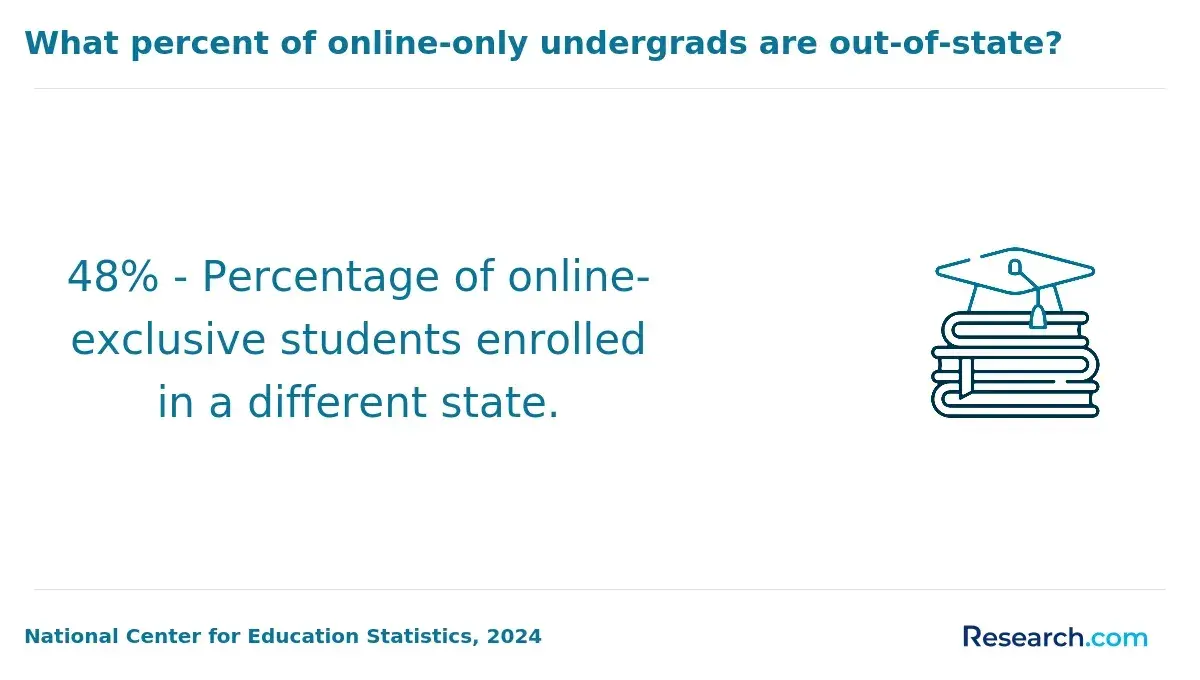
Balancing full-time nursing responsibilities with advancing to a nurse practitioner role often leaves BSN-prepared nurses trapped between limited program availability and inflexible schedules, risking career stagnation. The National Center for Education Statistics reported a 35% increase in enrollment for fully online graduate health programs in 2024, signaling growing demand for accessible, adaptable education models among working adults. This shift reflects not only logistical necessity but also employers' rising expectations for clinical expertise paired with practical time management. Navigating program structures that meet these demands without extending time-to-degree is critical in optimizing both financial and career outcomes.
This article identifies the best online nurse practitioner programs for BSN-prepared nurses, emphasizing accessibility, program rigor, and alignment with healthcare workforce priorities to guide informed enrollment decisions.
Key Things You Should Know
- BSN-prepared nurses face a tradeoff between program duration and clinical hour mandates, with 2024 AACN data showing some accelerated NP programs cut time by 25% but require 40% more clinical hours, increasing burnout risk.
- Employer demand analysis from the Bureau of Labor Statistics reveals 30% faster wage growth for NP graduates from programs with strong primary care rotations versus specialized tracks, guiding targeted program selection.
- Cost variation exceeds 60% nationally, with public in-state options averaging $28,000 versus private programs near $45,000, shaping access and ROI under evolving federal loan forgiveness policies for healthcare workers.
What are the best online nurse practitioner programs for BSN-prepared nurses in the U.S.?
Choosing among the best online nurse practitioner programs for BSN nurses in the United States requires weighing cost, clinical placement relevance, and graduate outcomes rather than relying solely on institutional prestige. Programs with total tuition below $36,000, such as those offered by Western Governors University or the University of Texas at Arlington, demonstrate that affordable education can align with market needs without excessive debt burden. Prioritizing a program's clinical practicum network is essential: employers in underserved or regional areas favor candidates with location-specific experience, affecting licensing portability and job prospects.
High pass rates on certification exams (typically above 85-90%) and strong employer reputation significantly impact hiring, often more than a program's sticker price or name recognition. Nurse practitioners trained in primary care settings that meet workforce demand, particularly in states with projected shortages, tend to experience faster salary growth and improved retention.
Flexibility also matters for working nurses balancing clinical shifts and study. Programs offering asynchronous coursework can reduce attrition and demonstrate time management skills valued by employers. Ultimately, selecting from the top accredited online nurse practitioner programs for BSN-prepared nurses in the U.S. is about aligning education pathways with realistic employment scenarios and practical workforce strategies.
Evidence-based comparisons of clinical placement success can be found by reviewing the best online PMHNP programs, which offer insights transferable to broader NP program evaluations.
How do online nurse practitioner programs work for registered nurses with a BSN?
Online nurse practitioner programs for BSN-prepared registered nurses create a distinctly hybrid learning environment where asynchronous digital coursework is paired with in-person clinical practicums. These programs appeal to nurses seeking flexibility but require careful coordination of clinical hours-typically between 500 and 1000 depending on state license mandates-which must be completed at local approved healthcare sites. A nurse in a rural hospital might face longer delays securing practicum placements compared to an urban counterpart, influencing both program duration and total cost.
Financial variance within these flexible online nurse practitioner programs for registered nurse BSN holders is substantial. For instance, the University of Connecticut charges approximately $1,200 per credit hour, whereas alternative programs may fall below $600 per credit. Evaluating tuition against the level of clinical placement support and employer network access is essential; higher costs may accelerate job placement but increase initial debt and scheduling complexity.
Employers require that graduates exhibit competency levels on par with traditional NP pathways, particularly in clinical decision-making and patient care management. Graduates who effectively integrate theory and real-world clinical experience typically secure better-paying roles in primary, acute, or specialty care. Prioritizing programs with solid clinical placement services and transparent outcome data mitigates risks around certification delays or underemployment.
For those weighing intensive versus accelerated pathways, a 12 month DNP program online may offer a strategic option, though it demands significant time management and resource commitment.
What accreditation and program quality standards should BSN-prepared nurses look for in online NP programs?
Employers and state licensing boards require that online nurse practitioner program accreditation standards come from recognized bodies such as the Commission on Collegiate Nursing Education (CCNE) or the Accreditation Commission for Education in Nursing (ACEN). This accreditation is non-negotiable for BSN-prepared nurses seeking legitimate licensure and employment opportunities. Without it, graduates often face certification hurdles and limited job prospects, especially in states enforcing strict approval policies.
Quality criteria for BSN-prepared nurses in online NP programs extend beyond accreditation. Programs that provide flexible clinical practicum options across multiple states alleviate logistical challenges for nurses balancing work, relocation, or family commitments. Likewise, faculty members holding active nurse practitioner certifications ensure curriculum relevance amid evolving healthcare standards. These practical elements directly affect preparedness and employer expectations.
Completion time is a decisive factor; accelerated online NP programs can reduce educational timelines by 12 to 18 months compared to traditional MSN routes, easing reentry or advancement in the workforce. Prospective students must also confirm state authorization and board approval to safeguard licensure pathways and financial aid access. Transparent program outcomes, such as graduation and certification pass rates, distinguish programs that consistently translate credentials into employment.
For nurses exploring advanced degrees, particularly MSN to DNP programs, these dimensions are critical for a strategic investment that aligns with both career pivot goals and real-world workforce demands.
What are the admission requirements for online NP programs if you already hold a BSN?
Admission criteria for BSN to nurse practitioner online program admission criteria weigh clinical experience and academic readiness heavily against licensure status. Employers expect applicants to demonstrate at least one to two years of full-time clinical work backed by an active RN license to ensure baseline competency before advancing to graduate-level responsibilities. A minimum GPA of 3.0, especially across science and nursing prerequisites, indicates preparedness but does not replace actual hands-on skill development.
Programs generally require official transcripts, resume, professional recommendations, and a personal statement that aligns applicants' motivations with workforce demands. Though some programs still request GRE scores, the trend diminishes as relevant nursing experience increasingly substitutes standardized tests, heightening the advantage of working professionals. Another common hurdle is meeting clinical placement requirements, which come with immunization, background checks, and drug screenings.
Choosing programs involves real tradeoffs between cost, quality, and timing. For example, institutions offering in-state tuition around $8,898 serve as practical options for cost-conscious candidates pursuing BSN to nurse practitioner online program requirements for BSN holders. Such pathways illustrate how balancing affordability and clinical documentation can streamline career pivots without sacrificing credential rigor.
Prospective students should note that resources like cheap Psych NP programs may offer insights into budget-conscious alternatives within specialized NP programs, influencing decision-making for graduate nursing advancement.
How do online nurse practitioner programs compare with campus-based options for BSN nurses?
The choice between online and campus-based nurse practitioner programs significantly shapes clinical experience, costs, and professional integration. Online BSN-to-NP pathways, such as Georgetown University's program with a full tuition near $116,688, often lead to higher overall expenses despite saving on relocation and commuting. These programs accommodate working nurses by offering asynchronous coursework and clinical placements near the student, which supports balancing work and family but adds complexity to securing and coordinating preceptors, especially in rural settings.
In contrast, campus-based programs mandate more on-site clinical hours and enable direct mentorship through established healthcare partnerships, fostering employer connections and peer networks crucial for specialties like acute care or pediatrics. Employers at metropolitan hospitals sometimes prefer graduates from traditional programs, citing stronger immersion in hospital culture and teamwork dynamics.
Key tradeoffs for candidates include:
- Budgeting for potential higher tuition in online formats versus incidental costs like travel and housing for campus options.
- Navigating clinical placement logistics independently in online programs vs. institution-supported site management in campus-based tracks.
- Assessing the impact on professional network development, with campus cohorts often providing more sustained specialty placement support post-graduation.
This pragmatic lens helps nurses weigh how flexible online routes demand more self-direction and strategic clinical planning to parallel the experiential depth and employer-readiness of campus programs.
How long do online nurse practitioner programs take and what curriculum can BSN nurses expect?
Completing online nurse practitioner programs for BSN-prepared nurses demands strategic time management, as full-time enrollment generally spans about two years, while part-time students may require up to three years. This variance reflects not only coursework but the intensive clinical practicum requirement of 500 to 1,000 hours, which is often the bottleneck for timely credentialing and employment. Delays in securing clinical placements can directly postpone licensure and reduce initial earning potential.
The curriculum aligns advanced scientific knowledge-such as pathophysiology and pharmacology-with specialty tracks like family practice or adult-gerontology, integrating evidence-based practice and healthcare policy. Students face a balancing act when asynchronous online content is combined with synchronous discussions, yet clinical hours must be completed in person, demanding geographic flexibility or local site coordination. This practical challenge impacts working nurses, who must synchronize employer support and academic obligations.
Employers prioritize candidates' clinical readiness and prompt program completion over institutional prestige, making early planning essential to avoid interruptions that hinder salary progression or competitive positioning. The pressures of fulfilling rigorous clinical requirements also affect workforce supply timing, emphasizing the operational realities behind program duration estimates.
What do online nurse practitioner clinical hours and preceptor arrangements look like for BSN-prepared students?
Completing online nurse practitioner clinical hours for BSN-prepared students requires 500 to 750 direct patient care hours, all mandated to be in person despite online coursework. This in-person clinical experience must span varied settings-primary care, acute care, or specialized clinics-consistent with the student's chosen focus.
Securing qualified preceptors often emerges as the main logistical challenge. Students must arrange supervised clinical practice through preceptors licensed as NP, MD, or DO who comply with state board requirements and provide timely evaluations. Many students encounter difficulties due to oversubscribed clinical sites or geographic isolation, prompting institutions to encourage early engagement with placement resources and leveraging professional networks when available.
Working nurses, especially those employed in healthcare, may find it advantageous to use existing employer connections to streamline preceptor approval, though balancing clinical hours with full-time work demands flexible scheduling. Telehealth placements, though limited by state regulations, can sometimes mitigate location barriers for geographically remote students.
According to NurseJournal's 2024 workforce data, online NP programs prioritize admitting BSN-prepared nurses as these students demonstrate standardized clinical judgment, allowing programs to focus on advanced practice competencies instead of foundational clinical skills. This strategic admission focus aligns with employer expectations for graduates ready to deliver immediate value in varied specialty settings.
How much do online nurse practitioner programs cost, and what financial aid can BSN nurses access?
The cost range of $25,000 to $65,000 for online nurse practitioner programs reflects significant variability tied to institution type and residency status, a factor prospective students must evaluate alongside program length and clinical placement support. For example, a BSN nurse in an urban hospital setting facing higher tuition fees might offset expenses through employer tuition reimbursement, which is uncommon in rural clinics where federal aid often plays a larger role. Such differences materially affect financial planning and debt load.
Financial aid mechanisms for BSN-prepared nurses extend beyond federal loans and the Pell Grant, encompassing loan forgiveness under Public Service Loan Forgiveness and employer tuition assistance with service obligations. Professional organizations also offer merit-based scholarships specifically for BSN-to-NP pathways. To leverage these effectively, early coordination with financial aid offices and employers is essential, ensuring alignment between funding, clinical requirements, and work schedules.
Given the Bureau of Labor Statistics median nurse practitioner wage of $129,480, investing in an NP program can offer a meaningful return. However, the timing of tuition payments versus salary increases and employer contributions varies, potentially prolonging debt repayment and diminishing net earnings. Prospective students should weigh these financial and temporal tradeoffs in the context of their work environment and long-term career strategy.
What nurse practitioner specialties, roles, and practice settings are available after completing an online NP program?
Specialization within online nurse practitioner programs for BSN-prepared nurses profoundly impacts clinical readiness and market viability, with each track shaping licensure demands, clinical rotations, and employment contexts. For instance, Family Nurse Practitioners (FNPs) navigate a broader scope, positioning them in primary care environments such as rural clinics struggling with provider shortages. Conversely, Psychiatric-Mental Health NPs confront complex regulatory environments influenced by scope-of-practice laws that dictate collaborative requirements and salary frameworks.
Practice environments dictate skill emphasis and workflow. Pediatric NPs require pediatric-specific clinical training and often find careers in children's hospitals, while Acute Care NPs must excel in critical care settings such as emergency departments, demanding hands-on acute patient management. These distinctions affect institutional partnerships and clinical hour availability, which prospective students must evaluate carefully to avoid misalignment with career goals.
Real-world decision-making includes balancing affordability with program quality; for example, the University of West Florida's online MSN-FNP charges approximately $500 per credit hour, illustrating cost variability that prospective students should weigh against the clinical opportunities and the evidence-based complexity of training offered. Additionally, graduates must assess how state-specific policies influence autonomy and team-based practice to anticipate operational constraints and salary ranges effectively.
- Choosing a specialty aligned with targeted employment regions prevents clinical placement issues.
- Programs demonstrating training in managing complex patient populations align with employer expectations.
- Understanding state practice laws early mitigates transition challenges post-graduation.
What are the salary expectations and job outlook for nurse practitioners who complete online programs?
Nurse practitioners completing online nurse practitioner programs face distinct financial and professional tradeoffs that extend well beyond tuition. Clinical fees, often ranging from $157 to $242 per semester, add a recurring cost burden due to mandatory supervised practicum requirements. These expenses, combined with employer expectations for immediate clinical competence, create pressure on working students balancing education with job responsibilities.
Salary outcomes largely depend on geographic and specialty variables. Metropolitan hospital roles generally offer $115,000 to $135,000 annually, while rural outpatient settings typically pay less. Specializations such as psychiatric or acute care nursing can boost salaries by 10% to 25%, creating a notable incentive to pursue targeted credentials despite the added educational complexity.
Job growth for nurse practitioners is projected at 35% through 2032, influenced by physician shortages and increased healthcare access, but prospective students should evaluate program accreditation and clinical support rigor carefully. Strong clinical placement resources mitigate risks of delayed practicum completion and enhance workforce readiness, which directly affects employability.
Other Things You Should Know About NP Programs
Online nurse practitioner programs vary significantly in flexibility, especially regarding synchronous coursework and clinical scheduling. Programs that require live virtual classes or have rigid deadlines can limit students' ability to work full-time, while those offering asynchronous content and more negotiable clinical hours better support employment. When choosing a program, prioritize those with demonstrable success supporting employed nurses, as inflexible structures increase dropout risk or extend completion time, directly affecting career advancement timing.
Clinical training quality depends heavily on how the program facilitates local preceptor arrangements rather than the online didactic portion. Programs that leave students responsible for finding their own clinical sites tend to generate inconsistent experiences and may lack oversight, which can undermine readiness for employer expectations. Select programs with established, documented partnerships or strong clinical coordination services to ensure exposure to diverse patient populations and supervised practice that meets employer standards.
The top 2027 online nurse practitioner programs focus on quality clinical training through partnerships with reputable healthcare facilities, experienced faculty mentors, immersive simulation experiences, and robust telehealth integration. These elements ensure that graduates achieve practical competencies comparable to those from traditional programs.
Balancing an online nurse practitioner program with professional and personal responsibilities requires careful workload management. Programs with heavy weekly assignments, frequent live sessions, and compressed terms can escalate stress and reduce capacity to maintain clinical performance or personal well-being. Opt for programs offering manageable pacing, clear workload expectations upfront, and academic support, as these factors directly impact student retention and successful degree completion.
References
- Most Affordable Online NP Programs (2026): Comprehensive https://www.npschools.com/rankings/all-affordable-online-np-programs
- Home https://www.onlinefnpprograms.com/
- Become a Nurse Practitioner without a BSN https://nursinglicensemap.com/advanced-practice-nursing/nurse-practitioner/np-without-bsn-nursing-degree/
- Your Guide to the Top Nurse Practitioner Career Specialties https://clickclinicals.com/blog/guide-to-top-nurse-practitioner-career-specialties
- RN to Nurse Practitioner Programs | 2025 RN-NP Guide https://www.rntomsn.org/programs/nurse-practitioner/
- Guide to the Most Affordable Online Nurse Practitioner Programs https://www.edumed.org/online-schools/nurse-practitioner-programs/most-affordable/
- Education You Need to Become a Nurse Practitioner https://www.allnursingschools.com/nurse-practitioner/degrees/
- National Nursing Organizations Endorse New Quality Standards for Nurse Practitioner Programs https://www.aacnnursing.org/news-data/all-news/national-nursing-organizations-endorse-new-quality-standards-for-nurse-practitioner-programs
- Some of the Best Online Nurse Practitioner (NP) Programs for 2025–2026 - Nurse Practitioner Degrees https://npdegrees.org/degrees/best-online-np-programs/
- How Much Do Nurse Practitioners Make? | NursingEducation https://nursingeducation.org/careers/nurse-practitioner/salary/