2027 PMHNP vs FNP: Which Path Fits You Best?

Co-Founder and Chief Data Scientist
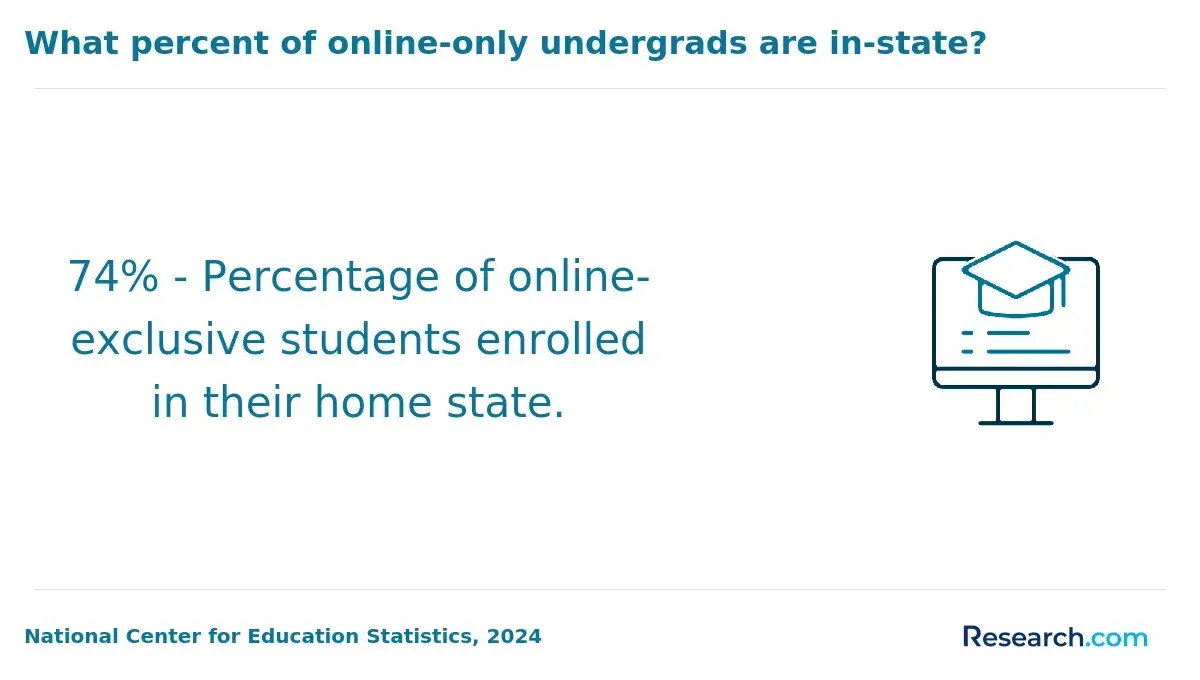
Balancing clinical interests with job market demand challenges many nursing professionals aiming to advance. Choosing between psychiatric mental health nurse practitioner (PMHNP) and family nurse practitioner (FNP) tracks requires more than personal preference; it influences access to flexible schedules, scope of practice, and geographic mobility. Recent data from the National Center for Education Statistics shows a 27% surge in adult learners enrolling in online NP programs since 2023, reflecting growing demand for adaptable education pathways fitting working professionals' lives. Understanding these dynamics is critical for selecting a route that maximizes both employability and meaningful patient impact. This article compares PMHNP and FNP programs' structures, outcomes, and career trajectories to guide that decision.
Key Things You Should Know
- PMHNP programs demand 25% more clinical hours than FNP tracks per the 2024 AACN report, extending time-to-practice by 6-12 months and increasing tuition by an average of 15%, impacting cost-sensitive candidates.
- Employers in behavioral health systems report a 32% faster job fill rate for FNP graduates versus PMHNPs, signaling stronger demand yet heightened competition in primary care settings through HRSA workforce data.
- While FNP scope covers multispecialty primary care, PMHNP roles align with a 22% faster salary growth rate in mental health sectors per BLS 2024, creating a strategic tradeoff between initial market access and long-term earning potential.
What are the key differences between PMHNP and FNP roles and responsibilities?
Choosing between PMHNP and FNP roles involves assessing distinct clinical responsibilities and employer expectations. Differences in PMHNP and FNP clinical responsibilities become evident in practical settings: PMHNPs focus on psychiatric evaluation, psychopharmacology, and psychotherapy primarily in behavioral health environments, while FNPs manage holistic primary care across all ages, treating physical illnesses and preventive health in family practice or urgent care clinics.
Understanding roles and duties comparison between PMHNP and FNP in the United States reveals divergent skill requirements and patient populations that shape daily tasks and professional challenges.
Employer demands also differ sharply: PMHNPs must master psychiatric diagnostic tools, complex mental health regulations, and coordinate multidisciplinary psychosocial interventions. FNPs require broad medical knowledge emphasizing physical exams, diagnostic testing, and chronic disease management. Both hold prescriptive authority but differ in medication scope and patient follow-up protocols.
Workforce data project a 45% growth in nurse practitioner jobs from 2023 to 2033, yet tightening hiring standards heighten the need for targeted expertise. Prospective students should weigh curriculum distinctions-PMHNP programs concentrate on psychology and pharmacology, while FNP tracks prioritize physical assessment and chronic illness care-impacting clinical placements, licensing, and career trajectory.
For professionals targeting behavioral health, specialized certifications are vital, as seen in available options among the best online post master's PMHNP programs. This choice significantly affects role scope, patient demographics, and long-term employability in diverse healthcare settings.
How do PMHNP and FNP education and training pathways compare?
The choice between PMHNP and FNP education paths hinges on a crucial tradeoff between clinical scope and employment flexibility. FNP programs, encompassing about 500 to 700 clinical hours across pediatrics, adult care, geriatrics, and women's health, train broadly for family practice. Around 70% of nurse practitioners identify as FNPs due to the broad primary care demand, which aligns with extensive employer needs in urgent care, community health, and family medicine settings. This versatility often translates into quicker job placement and a wider labor market.
By contrast, PMHNP training centers exclusively on psychiatric-mental health, requiring roughly 600 clinical hours focused on mental health diagnostics and treatment. Graduates enter specialized arenas like inpatient psychiatric units and community mental health centers, which, while addressing a critical shortage of mental health providers, have more restrictive employer options and face insurance reimbursement complexities. This specialization necessitates mental health-specific certification, limiting service breadth compared to FNP roles.
The differences in NP Programs curricula and clinical emphases create distinct impacts on career trajectories, with prospective students needing to consider employer expectations, job market realities, and their own clinical interests.
For those comparing pmhnp vs fnp education requirements or seeking a detailed comparison of pmhnp and fnp training programs, factoring in these operational contrasts is vital. In addition, understanding how much do DNP nurses make in different states can further guide pragmatic decisions about training investments and geographical job prospects.
Which nurse practitioner specialty offers better salary potential and long-term career growth?
Psychiatric Mental Health Nurse Practitioners (PMHNPs) command higher salaries and more robust long-term career prospects than Family Nurse Practitioners (FNPs) due to persistent demand driven by unmet mental health needs. Roughly one in five U.S. adults lives with a mental illness annually, creating acute shortages that support stronger salary growth for PMHNPs.
Recent U.S. Bureau of Labor Statistics data show starting salaries for PMHNPs exceed those for FNPs by 10% to 20%, with median annual wages around $120,000 versus $102,000 respectively. This disparity reflects supply-demand imbalances in specialized psychiatric care, especially in metropolitan and hospital-based settings where advanced mental health treatment expertise is critical. This nurse practitioner salary comparison and growth dynamic influences workforce distribution and hiring priorities in healthcare systems.
Career trajectories for PMHNPs increasingly include expanded prescriptive authority, leadership on integrated care teams, and telepsychiatry roles that have expanded post-pandemic. In contrast, FNP opportunities, while broad in primary care, face salary limitations tied to higher market competition and standard reimbursement rates. Prospective students should consider the additional education and certification costs tied to PMHNP programs alongside these long-term benefits.
Employers value PMHNPs capable of managing complex psychiatric medication regimens and coordinating multidisciplinary mental health care, enhancing job security and upward mobility. Those evaluating educational pathways might investigate an accelerated nurse practitioner program for a more time-efficient entry into clinical practice.
Long-term career prospects for pmhnp and fnp diverge significantly in both earning potential and role specialization, making clear tradeoffs integral to informed decision-making for students and professionals targeting strategic advancement.
What admission requirements and prerequisites do PMHNP and FNP programs typically have?
Admission prerequisites for PMHNP and FNP programs in the United States create distinct pathways that reflect their professional demands. Both require a BSN and active RN license with one to two years of clinical experience; however, PMHNP tracks prioritize psychiatric or mental health exposure, while FNP programs accept broader clinical backgrounds.
Applicants must present transcripts verifying foundational coursework in anatomy, physiology, microbiology, pharmacology, and statistics. Unlike uniform requirements across all schools, standardized tests like the GRE may be requested selectively.
PMHNP programs emphasize behavioral science competencies due to their specialized focus; in contrast, FNP programs typically mandate documented direct patient care hours, sometimes with immunization records and background checks because of their extensive clinical practicum components.
Financial considerations are significant: the national average salary differential-$144,301 for PMHNPs versus $114,073 for FNPs-means students need to weigh additional clinical hour requirements and entry barriers against longer-term earnings and labor market demand. For example, a working nurse considering a career pivot might pursue PMHNP pathways if psychiatric experience is readily available, or accelerate clinical exposure to qualify for FNP programs.
Those managing employment alongside studies should explore online FNP programs offering flexible, part-time formats that reduce workforce disruption while fulfilling clinical prerequisites.
How do online PMHNP and FNP programs differ from campus-based options?
Choosing between online and campus pmhnp and fnp programs involves critical tradeoffs in clinical placement access, pacing, and local healthcare integration. Online students benefit from geographic flexibility and the ability to maintain employment while studying, but must independently secure clinical preceptors, often facing difficulties outside urban healthcare networks. This can delay completion or limit clinical diversity, creating challenges for those without established professional contacts.
Conversely, campus-based programs deliver structured clinical placements with direct faculty supervision, which supports immediate feedback and hands-on skill development-particularly important in psychiatric mental health training, where nuanced patient assessments demand close oversight. The immersive environment fosters peer collaboration and networking opportunities not easily replicated online.
National workforce data reveals significant shortages of mental health professionals in underserved areas, intensifying demand for pmhnp graduates and complicating placement competition. This dynamic benefits job prospects and wage negotiations but pressures students to prioritize reliable clinical experiences.
- Online programs require strong self-direction in managing asynchronous coursework and independent clinical coordination.
- Campus programs offer integrated mentorship, immediate skill correction, and community engagement.
- Clinical placement access heavily influences time-to-completion and training depth.
Prospective students currently practicing nursing with solid clinical networks may leverage online pmhnp and fnp pathways effectively, especially in rural regions, while those newer to the field often gain foundational competencies more efficiently through campus-based programs.
What coursework and clinical experiences are required in PMHNP versus FNP programs?
The choice between Psychiatric Mental Health Nurse Practitioner (PMHNP) and Family Nurse Practitioner (FNP) programs hinges on distinct clinical emphases that shape graduate competencies and employer valuation. PMHNP curricula demand approximately 600-700 clinical hours focused on psychiatric care settings, including inpatient units, outpatient clinics, and increasingly telepsychiatry-where virtual patient engagement and remote monitoring skills are essential due to a surge exceeding 4,000% in telepsychiatry visits during the pandemic.
This specialization suits applicants targeting mental health roles aligned with evolving telehealth models.
Conversely, FNP programs require about 600 clinical hours distributed across broad primary care environments such as family practices and urgent care centers. This breadth ensures graduates are prepared to manage complex, multi-morbid patients of all ages but without deep expertise in psychiatric diagnostics or interventions. Employers typically expect FNPs to address diverse health conditions rather than specialize.
Critical tradeoffs for prospective students include:
- PMHNP programs prioritize mastery of psychiatric theories, psychopharmacology, and behavioral health assessments, balancing pharmacological and psychosocial treatment strategies.
- FNP coursework emphasizes pathophysiology and preventive care across organ systems but places limited focus on mental health.
- Access to specialized clinical sites-especially telepsychiatry for PMHNPs-is a strategic advantage in today's hiring market.
- FNP students often face scheduling and geographic demands to cover care from pediatrics to geriatrics effectively.
Decisions about NP programs should weigh these practical realities against long-term career goals, considering how clinical placement opportunities and program focus affect employability in specialized versus generalist roles.
How long do PMHNP and FNP programs usually take, and what do they cost?
The longer duration and higher costs of PMHNP programs compared to FNP tracks have significant implications for candidates prioritizing timely workforce entry and cost efficiency. While both require 2 to 3 years full-time, PMHNP pathways often extend due to more rigorous psychiatry-focused clinical hours, potentially reaching 3-5 years part-time. Tuition ranges from approximately $30,000 to $70,000, influenced by clinical hour requirements and geographic factors.
Besides tuition, candidates must budget for certification exam fees and prep materials, with PMHNP certification posing greater difficulty-pass rates are about 76% for PMHNP versus 88.7% for FNP, indicating steeper academic and clinical challenges. Employers filling general family care roles, especially in rural or high-turnover settings, often favor FNP graduates for their quicker credentialing and higher initial pass rates. Conversely, mental health employers require the specialized PMHNP credential regardless of longer training.
Prospective students should consider these factors alongside their career goals and local labor market demands, weighing:
- Time-to-employment and opportunity costs
- Cost differences reflecting training intensity
- Employer preferences based on role urgency and specialty needs
Understanding these tradeoffs is essential for aligning educational investment with realistic employment outcomes in NP programs.
What are the licensure and national certification requirements for PMHNP and FNPs?
Licensure requirements between PMHNPs and FNPs represent a fundamental fork influencing both educational investment and clinical focus. While both demand an active RN license and graduation from an accredited graduate program, PMHNPs must complete a specialized psychiatric-mental health curriculum and pass the ANCC Psychiatric-Mental Health Nurse Practitioner exam, a more specialized certification than the FNP's family practice track exam.
This distinction impacts where and how practitioners work: FNPs hold broadly applicable credentials suited for rural and primary care settings, whereas PMHNPs are tailored for psychiatric facilities and telepsychiatry environments. Employers closely vet these certifications to confirm clinical readiness for distinct patient populations.
Financially, post-master's PMHNP certificate programs cost approximately $15,000 to $25,000. This upfront expense reflects additional training intensity, but salary data suggest many FNP-to-PMHNP switchers recoup this outlay within 12 to 18 months due to higher compensation aligned with mental health demand.
Real-world tradeoffs include:
- Longer academic timelines and higher initial costs for PMHNPs.
- Broader practice scope for FNPs providing employment flexibility but less specialized expertise.
- Ongoing credential maintenance every five years, with continuing education requirements tied to the specialty area.
For mid-career professionals pivoting within NP Programs, weighing upfront investment against realistic income trajectories and employer expectations in integrated health systems is essential for strategic decision-making.
What is the job outlook and demand for PMHNPs compared with FNPs?
The divergent job outlook for Psychiatric Mental Health Nurse Practitioners (PMHNPs) and Family Nurse Practitioners (FNPs) hinges largely on the demand for behavioral health versus broader primary care services and the regulatory environment shaping practice autonomy.
PMHNPs are positioned for notably faster employment growth, driven by persistent shortages in mental health providers and the increasing integration of psychiatric care into primary care settings. According to the U.S. Bureau of Labor Statistics, nurse practitioner roles overall are set to increase by 40% by 2032, with PMHNPs among the fastest growing segments.
In comparison, FNPs address a wider patient demographic and health needs, supporting care in outpatient clinics, urgent care, and rural settings. Their employment growth is steadier but less rapid due to this broader scope and variable state regulations. About 22 states and Washington, D.C. grant FNPs full practice authority, which enhances both hiring appeal and salary potential, but nearly half the states impose collaborative practice agreements that restrict independent work.
Employers weigh these regulatory realities heavily: restricted states favor FNPs for physician-supervised coordination roles while integrated behavioral health providers seek PMHNPs for independent mental health delivery. For prospective students evaluating NP Programs, understanding how state laws influence autonomy and market demand is critical to aligning educational investment with realistic employment outcomes.
How can you choose an accredited, reputable PMHNP or FNP program in the U.S.?
Accreditation by organizations like the Commission on Collegiate Nursing Education (CCNE) or the Accreditation Commission for Education in Nursing (ACEN) is a critical filter when selecting psychiatric mental health nurse practitioner (PMHNP) or family nurse practitioner (FNP) programs. Many employers, particularly in competitive urban healthcare markets, require graduates from accredited programs to consider them for positions. For instance, a major hospital's psychiatric unit may exclusively hire PMHNPs from accredited programs, directly affecting job eligibility.
Program outcomes, particularly graduation and certification pass rates on American Nurses Credentialing Center (ANCC) exams, serve as reliable proxies for the rigor and effectiveness of training. PMHNP graduates typically command $15,000 to $30,000 more annually than their FNP counterparts, a significant premium justified by workforce demand and reflected in government labor data. Thus, programs with consistently high certification success translate into faster employment and improved salaries.
Consider also the structure and clinical placement support. FNPs constitute about 70% of nurse practitioners nationwide, saturating many job markets. Programs that offer clinical rotations in underserved or psychiatric-specialized settings provide a strategic advantage, especially for PMHNP candidates where demand remains higher than supply.
Cost and time commitment differ substantially: accelerated full-time PMHNP tracks may require more upfront investment but can speed financial returns, while part-time FNP options suit working nurses but risk slower advancement.
Other Things You Should Know About NP Programs
Switching between PMHNP and FNP specialties during an NP program can be challenging and may require additional coursework due to differing curricula. It’s important to consult with your program advisor early to understand the implications and necessary steps for switching specialties.
Employers expect PMHNPs to have focused expertise in psychiatric assessment, medication management, and therapeutic interventions, often requiring comfort with complex behavioral health cases. FNPs are expected to deliver comprehensive primary care across the lifespan, involving acute and chronic condition management in fast-paced clinical settings. Choosing a specialty means aligning with employer demands: mental health clinics prioritize licensed PMHNPs, while family practices seek FNPs with broader primary care skills. This affects job placement speed and work environment fit.
PMHNP students typically complete fewer total clinical hours but must secure specific psychiatric placements, which can be competitive and geographically limited. FNP students often face heavier clinical loads across diverse outpatient and inpatient settings, requiring wider procedural skills. Students should weigh whether they prefer depth in psychiatric care or a broader clinical exposure. The availability of quality clinical preceptors influences training quality and program completion time.
PMHNP graduates usually take the ANCC Psychiatric-Mental Health Nurse Practitioner board exam, while FNP graduates take an NP certification exam such as the ANCC Family Nurse Practitioner exam or the AANP FNP exam. Both are required for national certification before state licensure.
References
- Online FNP Programs vs. Campus-based FNP Programs https://www.nursepractitionerlicense.com/aprn-guide/online-fnp-programs-vs-campus-based-fnp-programs/
- NP Specialties and Jobs: What You Need to Know https://opportunityhealthcare.com/blog/nurse-practitioner-specialties-and-jobs-what-you-need-to-know
- How to Become a Psychiatric-Mental Health NP (PMHNP) https://www.npschools.com/blog/how-to-become-a-psychiatric-nurse-practitioner
- 2025 PMHNP Career Outlook: High Need, High Demand, Rising Salaries https://www.apea.com/blog/2025-PMHNP-career-outlook-65/
- Online FNP to Psych NP Programs: Guide to Top Degrees https://www.edumed.org/online-schools/nurse-practitioner-programs/psychiatric-mental-health/fnp-to-pmhnp/
- FNP vs. PMHNP: Which Nursing Path Is Right for You? - Nurse Practitioner Degrees https://npdegrees.org/resources/fnp-vs-pmhnp/
- Exploring Nurse Practitioner Specialties: A Guide to Career Options https://www.nphub.com/blog/np-specialties-guide
- How to Become a Psychiatric Nurse Practitioner (PMHNP) https://nursinglicensemap.com/advanced-practice-nursing/nurse-practitioner/psychiatric-and-mental-health-nurse-practitioner-pmhnp/
- FNP vs. PMHNP: Which Nursing Career Is Right for You? | Bradley University Online https://onlinedegrees.bradley.edu/blog/fnp-vs-pmhnp
- Graduate Programs in the United States | APNA https://www.apna.org/about-psychiatric-nursing/graduate-programs/graduate-programs-in-the-united-states/