2027 Nurse Practitioner Programs With Synchronous Classes

Co-Founder and Chief Data Scientist
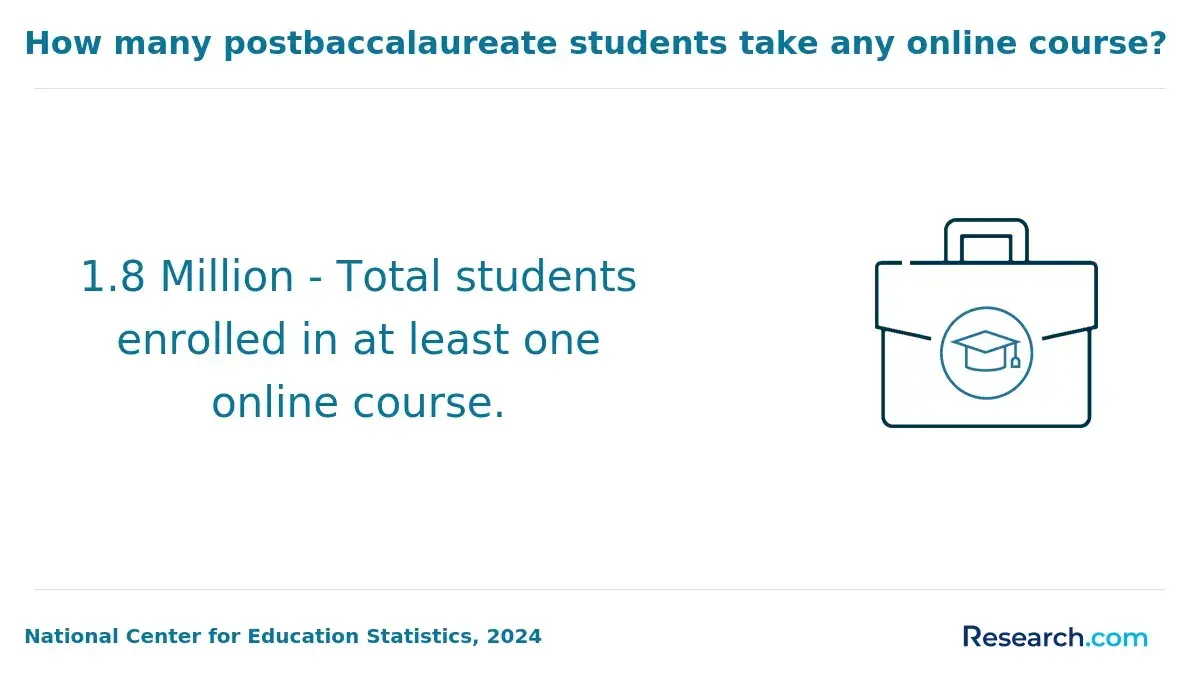
Balancing full-time employment with the demanding clinical and coursework requirements of nurse practitioner programs often forces prospective students to choose between compromising income or educational progress. This tension intensifies because nearly 60% of nurse practitioner program enrollees in 2023 were working adults managing professional and family responsibilities, according to the National Center for Education Statistics.
The rise in synchronous classes addresses this gap by enabling real-time interaction without sacrificing schedule flexibility, but the variance in program delivery and credit load can complicate admissions decisions. This article evaluates nurse practitioner programs offering synchronous classes to guide students toward options that align with their career timelines and lifestyle constraints.
Key Things You Should Know
- Only 38% of synchronous nurse practitioner programs in 2026 offer full-time tracks competitive with traditional formats, creating timing tradeoffs that extend time-to-degree by an average of 9 months, according to recent NCES data.
- Employers in top healthcare markets prefer graduates with hybrid clinical-synchronous experience, citing a 27% higher job placement rate for candidates with consistent live instruction and hands-on practicums, per AACN surveys.
- Median total costs for synchronous NP programs in 2026 run 22% higher than asynchronous counterparts, driven by technology and faculty availability; this strains access for working professionals outside urban centers, per AHRQ workforce analysis.
What are nurse practitioner programs with synchronous online classes, and how do they work?
Synchronous nurse practitioner degree programs explained require a precise balance between live engagement and clinical responsibilities, which significantly shapes a student's ability to succeed while working. These programs mandate attendance at fixed times, making it essential for candidates-often already employed clinically-to negotiate their work schedules carefully. For instance, a nurse clocking 40-hour weeks must coordinate preceptorship hours with synchronous online classes, often demanding proactive planning to avoid conflicts.
Programs with live online classes leverage real-time video conferencing to foster interactive learning environments where immediate feedback and spontaneous clinical reasoning are emphasized. This structure bolsters interpersonal and decision-making skills in ways asynchronous formats cannot, reflecting employer priorities for nurses capable of quick, collaborative problem-solving in dynamic healthcare settings.
However, the rigidity of scheduled sessions can be a barrier for professionals balancing family or shift work, despite some programs offering evening or weekend options. Reliable internet and a distraction-free environment are prerequisites, underscoring the technological and logistical commitments this pathway entails.
Prospective students should also recognize that synchronous programs typically integrate clinical practicums locally, allowing hands-on application of coursework. Considering that the median nurse practitioner wage is $126,200 with a projected 45% employment growth through 2032, the investment aligns with high market demand. Yet, this pathway prioritizes immediate immersion over scheduling flexibility, a tradeoff that impacts both learning conditions and long-term workforce integration.
For nurses evaluating advanced specialty paths, such as acute care nurse practitioner programs, understanding the demands and structural designs of synchronous nurse practitioner programs with live online classes is crucial for aligning educational format with career goals.
How do online nurse practitioner programs with live classes compare to campus-based options?
Choosing between online nurse practitioner programs with live interactive classes and traditional campus courses requires weighing engagement, flexibility, and workforce readiness against logistical demands. A 2024 survey found 71% of online learners attending synchronous sessions report better engagement and learning quality compared to fully asynchronous peers, illustrating the impact of live interaction on mastering complex clinical skills.
Campus programs offer direct hands-on training and networking, often preferred by employers, but synchronous online models compensate with live case discussions, virtual simulations, and real-time faculty feedback. These elements support disciplined scheduling crucial for working nurses balancing rotating shifts, avoiding procrastination common in asynchronous formats. However, coordinating local clinical placements and managing time zones remain practical challenges for online synchronous learners.
Consider a nurse in a rural hospital who attends evening synchronous classes, engages in nationwide patient case reviews, and completes clinical rotations locally. This approach supports continued employment while building practical competence, aligning with employer expectations for consistent participation in NP programs.
Ultimately, the comparison of synchronous nurse practitioner programs and traditional campus courses unveils tradeoffs. Campus-based immediacy versus online accessibility and cost-efficiency. Prospective students should evaluate how each format aligns with their schedules, clinical access, and career goals to navigate these distinct operational realities effectively. For those exploring options beyond clinical requirements, examining the best DNP programs provides further insight into flexible pathways.
Are synchronous online nurse practitioner programs accredited and respected by employers and licensing boards?
Accredited synchronous nurse practitioner programs meet licensing board requirements by maintaining real-time interaction and immediate faculty feedback, which enhances student engagement and competency essential for licensure and employment. Despite full recognition of synchronous nurse practitioner programs by licensing boards nationwide, candidates must verify state-specific board approvals early, as interstate acceptance varies and clinical placements must align with accreditation standards to avoid workforce entry delays.
Employers generally value these programs equivalently to traditional campus degrees when clinical hours are completed in approved settings, but reputation discrepancies persist in competitive or specialized roles. Cost differences among programs create significant tradeoffs: tuition ranges markedly from $19,334 at in-state public institutions to $112,200 at private universities. Selecting a public synchronous program can balance affordability with networking opportunities and skill development, while pricier options might not justify the investment without strong employer ties.
Key practical considerations include cohort progression speed and skill alignment with primary care and hospital settings. Unlike asynchronous formats, synchronous delivery reduces isolation risk and promotes timely feedback, directly impacting readiness for licensing exams and real-world practice. For working professionals exploring pathways, examining the cheapest online DNP program options within accredited synchronous nurse practitioner programs can offer financially pragmatic alternatives to more expensive programs.
What NP degree pathways offer synchronous courses, and which specialties are available?
NP degree pathways with synchronous class options primarily blend live online instruction with required clinical practicums, demanding strict attendance that restricts flexibility for working professionals. This real-time format fosters direct faculty interaction and immediate feedback, which facilitates proficiency in telehealth-a skill 89% of nurse practitioner job postings now require, according to the American Association of Nurse Practitioners.
Graduates enter the workforce better prepared for urgent and rural care environments, where seamless virtual communication and clinical workflow competence are critical hiring criteria. Specialties offered through synchronous nurse practitioner programs typically include Family Nurse Practitioner (FNP), Adult-Gerontology Primary Care (AGPCNP), Psychiatric Mental Health (PMHNP), Pediatric Acute Care (PACNP), and Women's Health (WHNP).
The synchronous experience varies by specialty; for instance, FNP tracks commonly integrate telehealth simulations reflecting outpatient demand, while PMHNP programs emphasize virtual behavioral health interventions. These programs combine live lectures with case discussions and video consultations to simulate clinical settings effectively.
Students exploring NP Programs with synchronous class options should weigh the challenge of balancing live sessions and clinical hours against the tangible advantage of enhanced telehealth readiness. Programs that provide strong accreditation, clinical placement support, and integrated technology align most closely with employer expectations. For those seeking financially accessible routes into psychiatric specialties, consider reviewing the cheapest online PMHNP certificate programs.
What admission requirements and prior nursing experience are needed for synchronous NP programs?
Synchronous nurse practitioner programs require a substantial clinical foundation upfront-a minimum of 1,000 to 2,000 hours of active RN experience combined with a relevant bachelor's degree. This prerequisite directly affects student outcomes; those lacking robust clinical exposure often face extended timelines or mandatory competency assessments before progressing. For example, nurses transitioning from outpatient roles without acute care experience may need additional clinical modules, which lengthen their program and delay workforce reentry.
The rigid scheduling inherent in synchronous formats poses a distinct challenge for working professionals, especially those in high-stress or variable-hour environments like emergency departments. These individuals tend to adapt better to accelerated, interactive coursework. Conversely, those balancing family responsibilities or non-acute clinical roles must evaluate their capacity to maintain consistent, real-time participation-or risk falling behind.
Data from family nurse practitioner certification exams illustrate the practical value of these demanding admission criteria: programs with live synchronous components and strong clinical prerequisites report pass rates between 86-89%. Employers regard this combination as indicative of critical professional traits such as immediate responsiveness, disciplined time management, and collaborative problem-solving under pressure. Such attributes often translate into smoother workplace integration and leadership potential.
Success in synchronous learning also hinges on logistical preparedness. Reliable technology, time zone alignment, and quiet study environments are non-negotiable but frequently underestimated factors. Prospective students unable to invest in these resources risk suboptimal outcomes despite meeting clinical standards. Evaluating these operational realities against personal and professional demands is essential before committing to NP Programs admission.
How long do synchronous nurse practitioner programs take, and what schedules do they follow?
Completing NP programs through synchronous formats demands rigorous time management as students must align with fixed live class schedules lasting 2 to 4 hours, 1 to 3 times weekly. Full-time enrollees typically finish within 18 to 36 months, balancing 3 to 4 courses per semester, whereas part-time students-often working nurses-extend timelines closer to three years, attending sessions during evenings or weekends to accommodate shift work. This scheduling inflexibility can complicate workforce reentry, especially for clinicians transitioning in hospital settings with rotating shifts.
Employers emphasize demonstrated clinical competencies verified through real-time engagement in case discussions and simulations, underscoring why synchronous attendance cannot easily be substituted with asynchronous content. For example, outpatient clinicians with stable hours may find daytime synchronous sessions manageable, but those juggling unpredictable shifts face significant challenges maintaining consistent attendance.
Investments in advanced simulation platforms and high-definition video classrooms by 63% of U.S. nursing schools prioritize maintaining clinical rigor despite remote delivery. Prospective students must realistically evaluate their capacity for uninterrupted internet access, hardware compatibility, and synchronous commitment since missed sessions often delay progression or require remediation.
What is the typical curriculum and clinical training structure in synchronous NP programs?
Synchronous nurse practitioner programs require real-time engagement that shapes both academic progress and workforce integration. Over 70% of students maintain RN employment while enrolled, necessitating rigorous coordination of live classes and clinical hours around shift work. For example, a psychiatric NP candidate working hospital nights often completes clinical rotations in outpatient or telehealth settings during off-hours, reflecting the program's demands to balance employment with supervised practice.
Clinical training involves 500 to 700 hours split across primary care and specialty sites, emphasizing the need for flexible site placement and negotiation to meet accreditation requirements without disrupting professional duties. Employers value the consistency and immediacy of synchronous instruction for evaluating competencies, while students must manage the tradeoff of less schedule flexibility compared to asynchronous alternatives.
Key program outcomes center on critical skills such as clinical decision-making, patient communication, and evidence-based care, producing graduates who are both academically prepared and clinically proficient. The synchronous model facilitates peer interaction and faculty guidance in ways asynchronous programs cannot match, but demands stringent time management and employer support to sustain success.
How much do synchronous NP programs cost, and what financial aid or scholarships exist?
Synchronous nurse practitioner programs demand a financial and time investment that often exceeds traditional tuition costs, with total expenses ranging from $25,000 to $75,000 depending on institutional factors and clinical fees. Public universities generally charge lower tuition but add variable clinical facility fees, while private schools impose higher flat rates. Over 80% of online NP programs now require synchronous case conferences alongside clinical rotations, reflecting employer expectations for demonstrable hands-on proficiency but increasing both tuition and scheduling complexity.
Financial aid options mainly revolve around federal student loans, which alleviate upfront costs but create long-term debt burdens. Scholarships are scarce and highly competitive, typically from nursing organizations and state boards. Some employers offer tuition reimbursement or loan forgiveness linked to service commitments, providing financial relief but constraining program choice and geographic mobility.
For a full-time registered nurse, balancing synchronous coursework with job responsibilities often necessitates employer flexibility or reduced hours, introducing opportunity costs from lost wages. Additional expenses for technology, travel to clinical sites in hybrid models, and potential childcare must be factored into financial planning. These realities mean candidates must evaluate net costs and practical tradeoffs beyond sticker price to ensure the program aligns with career objectives and workforce demands.
What nurse practitioner roles, salaries, and career outcomes can graduates of synchronous programs expect?
Synchronous nurse practitioner programs in 2026 place graduates into roles with varying market demand and salary trajectories tied closely to specialization and location. For example, Psychiatric Mental Health Nurse Practitioners (PMHNP) are growing faster in urban centers with high mental health needs, while Adult-Gerontology providers see more opportunities in rural settings, impacting income potential that generally spans $95,000-$130,000 annually based on U.S. Bureau of Labor Statistics data.
Graduates generally recoup tuition expenses within three to five years of employment, a crucial consideration given the program costs and time commitment. The synchronous format's live interaction fosters essential clinical decision-making and teamwork skills, valued in evolving healthcare roles, especially telehealth and integrated care environments.
However, students must weigh tradeoffs such as navigating local clinical placement logistics, which often require proactive efforts in underserved or rural areas with fewer site options. Employers expect adaptability to healthcare technology and real-time collaboration competencies, suggesting that program format impacts more than knowledge acquisition-it shapes practical readiness and credentialing agility.
Strategic specialization alignment with local labor markets is essential. Graduates positioned in sectors with expanding demand tend to accelerate career progression, while those ignoring regional nuances risk longer credentialing windows and underemployment. This makes the decision to pursue synchronous NP programs inherently linked to both personal circumstances and the granular realities of labor market dynamics.
How can prospective students evaluate and choose a high-quality synchronous NP program?
High-quality synchronous nurse practitioner programs deliver measurable clinical readiness by integrating real-time engagement and live skill assessments such as OSCEs (objective structured clinical examinations) and virtual simulations. By 2024, over half of graduate nursing programs with online NP tracks planned to expand these components, a direct response to employer demand for interactive competency development rather than passive learning.
Program legitimacy hinges on accreditation from bodies like the Commission on Collegiate Nursing Education (CCNE) or the Accreditation Commission for Education in Nursing (ACEN). Beyond credentials, prospective students should evaluate faculty experience in interactive online instruction and assess access to advanced technological resources, including virtual simulation labs or hybrid practicum partnerships, which yield practical advantages over purely asynchronous models.
Employers prioritize graduates with verified workforce outcomes, such as employment rates exceeding 90% within six months and demonstrated clinical skills in live settings. For instance, primary care nurse practitioner roles in underserved areas demand robust synchronous patient interaction training, contrasting with specialty tracks that may focus more on advanced procedural simulations.
Operational fit also impacts success: working professionals benefit from predictable live sessions supplemented by recorded replays and stable technology support to avoid delays in skill acquisition and licensure. Selecting programs that balance rigorous clinical integration with flexible delivery and strong employment connections is essential for meaningful career advancement in NP programs.
Other Things You Should Know About NP Programs
Synchronous NP programs often require real-time attendance, limiting scheduling flexibility for working professionals. While some programs offer evening or weekend live sessions, many expect consistent availability that can conflict with standard work hours. Students balancing full-time jobs should prioritize programs with recorded sessions or hybrid models, as strict synchronous formats can increase stress and jeopardize both job performance and academic success.
Synchronous classes can enhance interaction compared to asynchronous formats by enabling real-time discussions and collaboration. However, the lack of physical presence often reduces informal networking and spontaneous mentorship connections common in campus settings. Prospective students should evaluate programs offering structured mentorship and robust faculty accessibility, as these components directly influence career advancement and clinical opportunities beyond coursework.
Synchronous NP programs typically coordinate clinical placements, but rigid class schedules may limit the timing and location options for clinical rotations. Students unable to secure placements near their residence or workplace may face additional travel or logistical challenges. Prioritizing programs with diverse clinical partnerships and flexible scheduling can mitigate these constraints and reduce delays in program completion.
References
- NP Specialties and Jobs: What You Need to Know https://opportunityhealthcare.com/blog/nurse-practitioner-specialties-and-jobs-what-you-need-to-know
- Master of Science in Family Nurse Practitioner | University of Phoenix https://www.phoenix.edu/online-nursing-degrees/family-nurse-practitioner-masters-degree.html
- Planning Your Nurse Practitioner (NP) Education https://www.aanp.org/student-resources-2/planning-your-np-education
- 10 different career options for NPs https://comphealth.com/resources/career-options-nps
- Your Earning Potential as a Nurse Practitioner https://www.allnursingschools.com/nurse-practitioner/salary/
- Online FNP Programs vs. Campus-based FNP Programs https://www.nursepractitionerlicense.com/aprn-guide/online-fnp-programs-vs-campus-based-fnp-programs/
- Scholarship Guide for Nurse Practitioner Schools - Rewards & Eligiblity https://www.npschools.com/blog/scholarships-for-np-students
- 2026 Best Online Nurse Practitioner (NP) Programs and Schools - Nurse Practitioner Degrees https://npdegrees.org/degrees/online-np-masters-degrees/online-nurse-practitioner-programs/
- Accelerated NP Programs Online: Review Top Schools https://www.edumed.org/online-schools/nurse-practitioner-programs/accelerated/
- How to Get Into NP School: What Nurse Practitioner Programs Look For https://www.bartonassociates.com/blog/3-things-np-programs-look-for-in-applicants/