2027 Nurse Practitioner Careers in Rural Health

Co-Founder and Chief Data Scientist
Rural communities face a severe shortage of nurse practitioners, with over 80% of Health Professional Shortage Areas located outside metropolitan centers, intensifying barriers to accessible care. Aspiring nurse practitioners targeting these regions must weigh the limited availability of clinical placements and the challenge of maintaining workforce viability amid professional isolation.
The rise of flexible online NP programs now enrolls nearly 50% more adult learners than traditional formats, reflecting a shift toward accommodating working professionals and mitigating geographic constraints. This article examines pathways to rural NP careers, evaluating program structures, accessibility, and employer expectations to guide effective decision-making for sustainable rural healthcare practice.
Key Things You Should Know
- Rural facilities hire nurse practitioners at a 23% higher rate than urban counterparts due to primary care shortages, but limited residency options cause a 12-month onboarding delay, reducing initial career momentum.
- State scope-of-practice restrictions directly lower salary potential by up to 15%, influencing employers' reliance on NPs for independent care and impacting long-term wage trajectories in rural markets.
- Completion of rural-focused NP programs typically extends educational costs by 8%, creating a timing tradeoff where increased debt delays financial stability amid persistently lower reimbursement rates.
What does a nurse practitioner in rural health do day to day?
Nurse practitioners working in rural communities routinely navigate a complex scope of responsibilities shaped by limited access to physicians and resources. Their role demands autonomous clinical decision-making, managing acute conditions, chronic diseases, and preventive care with minimal specialist backup.
The everyday nurse practitioner daily responsibilities in rural communities extend beyond patient care to include critical administrative duties and adherence to state-specific regulations, which vary widely and impact professional autonomy.
A typical day may involve diagnosing respiratory infections, controlling diabetes exacerbations, performing comprehensive health assessments, and utilizing telehealth tools to maintain communication with remote providers. This versatility meets the operational reality that rural NPs must integrate social determinants of health into care plans, addressing transportation issues and low health literacy prevalent in underserved populations.
From a workforce standpoint, 66% of rural Medicare beneficiaries depend on nurse practitioners or physician assistants for their primary healthcare services by nurse practitioners in rural areas, illustrating evolving hiring trends favoring clinicians equipped to independently manage diversified caseloads. New graduates must weigh state regulatory frameworks carefully since these dictate prescribing authorities and procedural rights that affect practice settings.
For those considering accelerated educational paths to rural healthcare roles, evaluating the shortest PMHNP program options can provide strategic advantage by minimizing time out of the workforce while acquiring essential qualifications.
How do nurse practitioner careers differ in rural versus urban healthcare settings?
Rural nurse practitioner roles in rural health care demand broader clinical autonomy and adaptability compared to urban counterparts, largely due to significant provider shortages. Nearly 70% of rural counties are designated Health Professional Shortage Areas (HPSAs), which means rural NPs often manage a diverse patient base with fewer specialist referrals and limited access to diagnostics like onsite labs or imaging.
For instance, a rural NP managing chronic conditions might handle medication regimens, telehealth coordination, and preventive care concurrently-tasks that urban NPs typically share among specialists and support staff.
These differences between rural and urban nurse practitioner careers create distinct workforce implications. Rural settings require multi-skilled practitioners prepared for extended on-call hours and a holistic approach to care, often with less administrative support and lagging technology adoption. Employers prioritize candidates with competencies in telehealth, emergency care, and behavioral health to meet operational realities.
Educational paths tailored for rural NP practices need to balance clinical rigor with practical training in constrained environments, emphasizing diagnostic autonomy and cross-disciplinary skills. Prospective nurses considering specialized programs should weigh these factors carefully and may find the best online DNP program without clinicals valuable for flexibility during this preparation phase.
What education and NP program pathways prepare you for rural health practice?
Programs that equip nurse practitioners for rural health roles must address distinct clinical and resource challenges unique to these settings. Unlike standard NP tracks, top np programs for nurse practitioner rural healthcare careers integrate targeted rural clinical rotations and interprofessional training, which reduce the steep learning curve faced by graduates who begin practice without local specialist support.
For instance, graduates from traditional primary care programs without rural exposure may struggle to navigate emergencies or behavioral health issues independently, placing patients at risk and complicating workforce deployment.
Most effective rural pathways involve Master of Science in Nursing (MSN) or Doctor of Nursing Practice (DNP) credentials focused on family or primary care, ensuring broad applicability across diverse rural populations. These programs emphasize emergency care skills, behavioral health integration, and partnerships with rural clinics, aligning education with employer expectations and community needs.
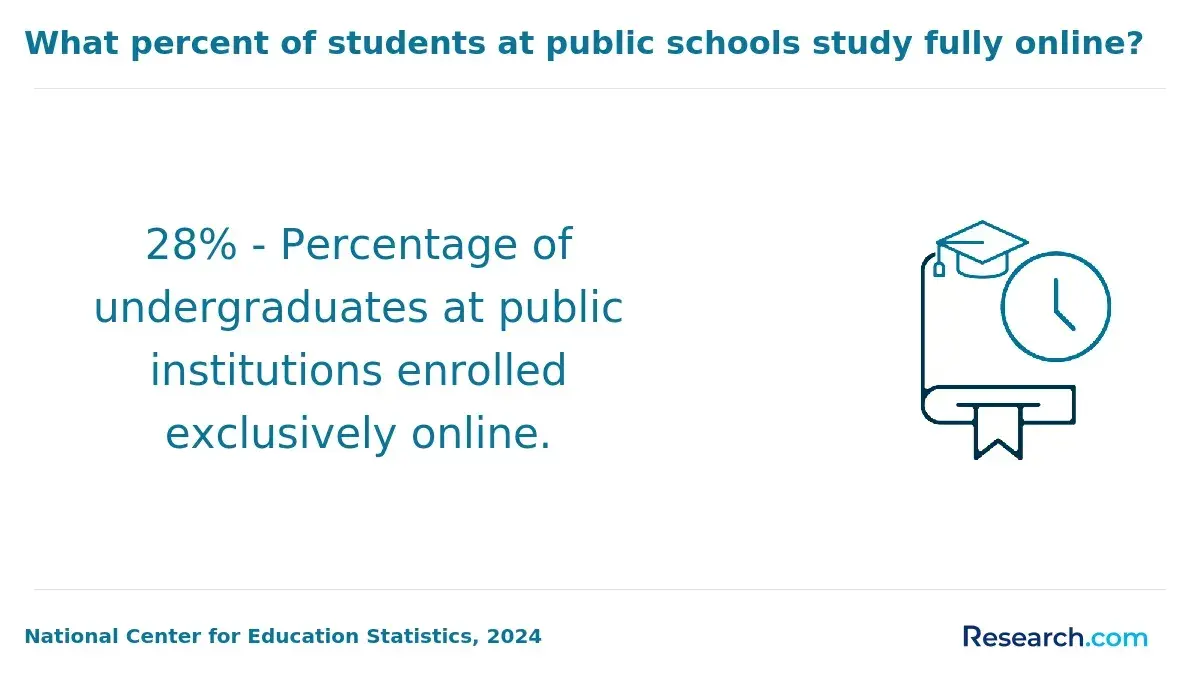
Flexible options such as part-time or distance learning also accommodate practicing nurses transitioning into rural roles without removing them entirely from existing workforces.
Data from the University of Washington Rural Health Research Center shows rural NP supply quadrupling over two decades, but evaluating programs on outcomes like graduate rural placement and certification passing rates remains vital. Licensing and scope of practice vary by state, further reinforcing the need to choose programs with relevant accreditation and rural affiliations.
Working professionals looking for suitable educational pipelines should also consider BSN to DNP programs designed to balance work, study, and rural workforce demands effectively.
How do online and campus-based NP programs compare for future rural nurse practitioners?
Rural healthcare employers increasingly favor candidates from campus-based NP programs due to their structured clinical rotations in affiliated rural facilities. Such programs embed students in local health systems, providing consistent, supervised exposure that aligns with workforce expectations and eases transition into rural practice.
Online programs, valued for flexibility by many working professionals, shift the burden of securing approved rural clinical placements onto the student, often extending completion times and creating variability in rural healthcare exposure.
States granting full practice authority to nurse practitioners double the likelihood of rural practice, amplifying the need for comprehensive rural clinical training. In restrictive states, employers expect advanced competencies that campus-based clinical partnerships better facilitate. This dynamic directly affects employment prospects in critical access hospitals and rural clinics, where tangible rural experience can differentiate candidates.
Balancing these trade-offs, prospective students should evaluate how online vs campus-based NP programs for rural healthcare careers match their logistical needs and rural clinical immersion requirements. Key considerations include:
- Structured scheduling and rural site access via campus programs
- Independent clinical placement management and possible delays in online options
- Employer preference for documented rural training
For those weighing pathways, understanding how to be a nurse practitioner within these options adds clarity to long-term rural workforce integration. The benefits of online and campus-based NP education in rural regions hinge on the balance between flexible learning and guaranteed rural clinical networks.
What admission requirements and prerequisites do rural-focused NP programs typically have?
Admission to rural-focused nurse practitioner programs demands more than academic credentials; it requires demonstrable clinical experience in settings that mirror rural health realities. Applicants must hold an RN license and typically a Bachelor of Science in Nursing (BSN) with a minimum 3.0 GPA, but fulfilling these baseline measures is rarely sufficient.
Programs expect one to two years of clinical nursing, often in primary care or community health contexts, to prepare students for the broad scope and autonomy rural practice entails.
Key prerequisite courses include advanced physiology, pharmacology, and pathophysiology, reflecting the complexity of cases in underserved regions. Furthermore, clinical rotations emphasize placements in rural or underserved areas, which may necessitate travel or temporary relocation. For working professionals, balancing these rigorous clinical commitments alongside employment challenges time management and personal resources.
Letters of recommendation evaluating adaptability and rural health competencies are commonly required, underscoring employers' preference for candidates who can transition effectively to resource-limited environments.
For instance, a nurse from an urban hospital setting who lacks rural exposure may need to acquire community-based experience before meeting admission criteria-potentially delaying program start but ultimately aligning graduate readiness with workforce expectations.
Considering that rural nurse practitioners in New York earn an average of $142,547 annually, with a range from $118,200 to $164,100, these standards ensure candidates achieve the practical proficiency employers demand to function independently and respond to diverse clinical presentations.
How long do rural health NP programs take, and what do they cost?
Completing rural health nurse practitioner programs typically requires 18 to 36 months, influenced by part-time or full-time status and prior credentials. For example, students with a Bachelor of Science in Nursing generally pursue a Master of Science in Nursing or Doctor of Nursing Practice with rural emphases, aligning to roughly 2 to 3 years of study.
Additional rural-focused certificate or residency programs can extend this by 6 to 12 months, reflecting employer demand for candidates with specific rural clinical competencies.
The investment varies considerably, ranging from $30,000 to over $70,000 in tuition and fees depending on whether the institution is public or private and the student's residency status.
Online or hybrid options may reduce costs but often offer less hands-on rural clinical exposure-a critical factor since graduates of rural residency programs are 5.4 times more likely to work in rural areas, according to the National Rural Health Association's 2024 workforce report. This differential directly impacts employment prospects where rural experience is highly prioritized.
Practical considerations include travel for required clinical placements in remote areas, living expenses, and potential income loss during full-time study. For working professionals balancing family and job duties, part-time or hybrid rural health NP programs offer flexibility but generally delay entry into the workforce, affecting near-term earnings and loan repayment timing.
What accreditation and state licensing requirements apply to rural nurse practitioners?
Rural nurse practitioners face a complex licensure and accreditation landscape that shapes both their practice scope and employment prospects. Graduation from nationally accredited nurse practitioner programs, typically approved by the Commission on Collegiate Nursing Education or the Accreditation Commission for Education in Nursing, is foundational.
However, state-specific licensure and board certifications dictate practical authority. States vary widely: full practice states grant rural NPs autonomous diagnostic, treatment, and prescribing capabilities, a vital factor given that over half of rural U.S. counties lack obstetricians and most lack advanced practice midwives.
Conversely, states mandating physician oversight create bottlenecks that exacerbate rural healthcare shortages, particularly in maternity and primary care.
Practical workforce realities include significant licensure portability challenges. Providers relocating between states must often reapply and pass additional exams, which can delay reentry and complicate hiring. Employers prioritize current board certification and appropriate state licensure credentials over the prestige of the educational institution. Certification maintenance demands ongoing education aligned with a state's clinical and prescriptive boundaries.
Specifically, rural maternity care roles necessitate further certification in women's health or family practice tracks to address local care deficits. Understanding these layered regulatory demands is essential for avoiding legal risks, employment delays, and ensuring a seamless transition into communities where specialist availability is critically low.
What core courses, clinical hours, and rural rotations are included in NP curricula?
Rural-focused nurse practitioner curricula in 2026 prioritize skill sets directly aligned with the widespread workforce shortages and service gaps in underserved areas. Programs require 40 to 55 credit hours covering advanced health and population management through rural lenses, mandating 500 to 700 clinical hours, of which at least 150 must be rural placements.
These clinical rotations typically take place in federally qualified health centers or rural hospitals, exposing students to environments where specialist backup is limited and autonomous decision-making is essential.
Clinically, students engage deeply with chronic diseases prevalent in rural communities such as diabetes and substance use disorders. This focus reflects the real-world demands faced by older adults with substance use disorders in rural settings, where a 2024 Journal of Primary Care & Community Health study linked robust NP work environments to improved primary care access for this group.
Importantly, securing rural clinical rotations with experienced preceptors is often a challenge; programs without formal rural placement agreements shift this responsibility onto students, risking inconsistent preparedness and employability. Selecting programs with established local partnerships translates into better readiness and stronger employment prospects in rural health systems seeking providers versed in social determinants and population health management.
What salaries, benefits, and loan repayment options are available to rural nurse practitioners?
Rural nurse practitioners face clear financial and professional tradeoffs that shape their employment decisions. Median salaries in these areas range from $95,000 to $115,000 but depend significantly on state budgets and facility funding.
Federal and state loan repayment programs offering $25,000 to $50,000 in debt relief are common incentives, yet they impose service commitments typically spanning two to four years in designated underserved locations. This restricts geographic flexibility, often forcing practitioners to balance financial aid against career mobility.
A rural community health center hire might receive $100,000 annually plus health insurance and $40,000 in loan forgiveness over three years through the National Health Service Corps. While financially compelling, such arrangements come with fixed service locations, limiting relocation or practice-setting choices. Employers prioritize candidates with NP Programs credentials in primary care, mental health, or family practice who demonstrate operational autonomy.
Retention dynamics diverge from common assumptions: rural nurse practitioners report lower burnout and stress-related turnover than urban peers, indicating more stable workforce conditions despite resource challenges. Compensation packages usually include comprehensive health insurance, rural housing stipends, and professional development funding, though these vary widely.
Practical negotiation of these compensation components and awareness of real-world workforce demand are critical for nurse practitioners assessing rural career options within NP Programs in 2026.
What is the job outlook and demand for nurse practitioners in rural communities?
The demand for nurse practitioners in rural areas is characterized by a 46% workforce growth projection from 2023 to 2033, driven primarily by a critical shortage of healthcare providers. Rural employers seek NPs with broad clinical skills capable of managing diverse and complex cases independently due to limited specialist availability.
This underlines the necessity for np programs that emphasize competencies in rural health, telehealth, chronic disease management, and cultural sensitivity tailored to rural populations.
Rural clinical environments often require practitioners to work autonomously under resource constraints, with minimal diagnostic support and limited staffing. For example, rural clinics experience extended patient wait times and scarce specialist access, compelling NPs to manage multiple roles simultaneously, often under pressure with long hours. Employers may offer incentives like loan repayment or signing bonuses, but priority remains on candidates' adaptability and clinical independence.
Graduates from programs lacking rural-focused training risk slower employment or relocation to urban centers. Therefore, programs incorporating rural clinical placements and health policy are more aligned with workforce needs, enhancing job market competitiveness. Success in these roles depends not only on clinical expertise but also on readiness to navigate resource-limited, fast-paced settings prevalent in rural healthcare.
Other Things You Should Know About NP Programs
Clinical placements in rural or underserved areas correlate strongly with preparedness and hiring preference in rural health. Programs without rural clinical rotations risk producing graduates less familiar with rural patient demographics and resource constraints. Prioritizing NP programs that offer substantial rural clinical experiences maximizes practical exposure and increases employer confidence in a candidate's ability to adapt to the rural work environment.
Most graduate NP programs require a current RN license and some level of clinical experience, typically 1-2 years. This requirement ensures students have foundational nursing skills necessary to manage complex rural healthcare demands independently. Choosing a program with experience prerequisites aligns with employer expectations in rural areas, where providers often operate with a high degree of autonomy and must quickly assess clinical situations.
National certification ensures credential portability and standardizes competency, critical for licensure and employment across diverse rural regions.
While specialization can enhance skill sets, many rural employers value broad-based primary care certifications that cover multiple age groups and conditions. Candidates seeking rural roles should prioritize certifications recognized nationwide to maintain employment flexibility, then consider specialization based on specific community needs or long-term career goals.
References
- Some of the Best Online Nurse Practitioner (NP) Programs for 2025–2026 - Nurse Practitioner Degrees https://npdegrees.org/degrees/best-online-np-programs/
- 2025 Employment Forecast: Nurse Practitioner Jobs | Vivian Community Hub https://www.vivian.com/community/industry-trends/nurse-practitioner-jobs/
- How to Get Into NP School: What Nurse Practitioner Programs Look For https://www.bartonassociates.com/blog/3-things-np-programs-look-for-in-applicants/
- Longitudinal Clinical Rotations - NW GWEC https://www.nwgwec.org/activities/longitudinal-clinical-rotations/
- The Path to Becoming a Nurse Practitioner (NP) https://www.aanp.org/news-feed/explore-the-variety-of-career-paths-for-nurse-practitioners
- Nurse Practitioner - Explore Healthcare Careers - Mayo Clinic College of Medicine & Science https://college.mayo.edu/academics/explore-health-care-careers/careers-a-z/nurse-practitioner/
- Education You Need to Become a Nurse Practitioner https://www.allnursingschools.com/nurse-practitioner/degrees/
- Guide to Nurse Practitioner Schooling Requirements https://credenzahealth.com/career-advice/guide-to-nurse-practitioner-schooling-requirements
- Rural Nurse Practitioner (NP) Jobs - What to Know https://www.npschools.com/blog/rural-healthcare
- Nurse Practitioners in the rural settings. - Hauora Taiwhenua https://htrhn.org.nz/news-media/nurse-practitioners-in-the-rural-settings/