2027 NP Specializations With the Best ROI

Co-Founder and Chief Data Scientist
Choosing an NP specialization involves more than clinical interest; it demands a strategic assessment of return on investment amid escalating tuition and shifting healthcare needs. The U. S. Bureau of Labor Statistics projects a 40% growth rate in nurse practitioner roles through the late 2020s, yet not all specialties align with sustainable salary growth or job stability.
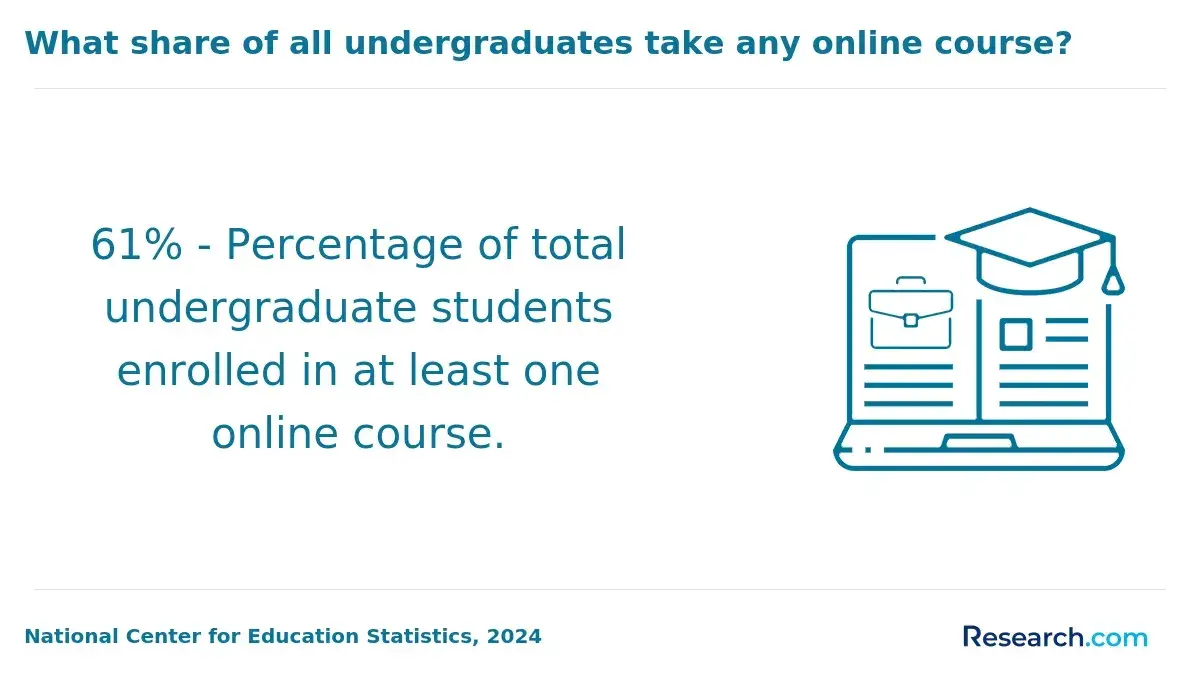
Simultaneously, nearly 60% of NP students in 2024 enrolled in hybrid or online formats, reflecting adult learners' need for flexibility but also complicating program selection due to varying access and clinical placement challenges. Navigating these trade-offs requires clear insight into which NP specializations yield the best financial and career outcomes. This article analyzes top NP specializations with the strongest ROI to guide informed educational and career decisions.
Key Things You Should Know
- The Family Nurse Practitioner specialization shows a 12% higher median salary than Adult-Gerontology variants but typically requires 18-24 months longer program completion, impacting opportunity cost for career pivoters, per AHRQ 2024 data.
- Psychiatric-Mental Health NPs face rising employer demand, driven by a 20% mental health services workforce gap nationwide, though reimbursement variability limits immediate ROI, according to BLS projections.
- Acute Care NPs command a 15% salary premium in hospital systems; however, more restrictive scope-of-practice laws in 22 states impede autonomous practice, creating uneven employment prospects outlined in the 2024 NCCPA workforce study.
Which NP specializations offer the best return on investment?
Psychiatric-Mental Health Nurse Practitioners (PMHNPs) deliver the highest return on investment among nurse practitioner specializations, with median salaries near $144,000 as of 2024. This wage premium reflects robust employer demand driven by acute mental health shortages, positioning PMHNPs favorably compared to other roles. For instance, a PMHNP employed at a metropolitan community mental health center typically earns 20-30% more than family NPs in primary care, illustrating how specialization and setting directly impact financial outcomes.
Choosing this path entails longer clinical training and certification, which extends program duration beyond many acute care NP tracks. However, this incremental educational commitment is often justified by the higher earning potential and diverse employment contexts, including hospitals, outpatient clinics, and telehealth. Among the best nurse practitioner career paths for financial growth, PMHNPs stand out for blending meaningful specialization with market resilience.
Other viable specializations with strong financial returns include Nurse Anesthetists and Acute Care NPs. Nurse Anesthetists average around $140,000 but must navigate rigorous certification and high-intensity clinical demands. Acute Care NPs earn closer to $120,000, with salary growth linked to hospital bed shortages. Urgent care and gerontology NPs, while experiencing moderate demand, typically lag behind psychiatric roles in wage escalation.
Graduates should weigh factors like licensure complexity, local market saturation, and scope-of-practice constraints when assessing nurse practitioner specializations with highest return on investment. Aligning specialization choice with these practical considerations and workforce trends ensures better long-term financial and professional positioning. Prospective students evaluating clinical placement efficacy may consider reviewing the best online PMHNP programs to optimize both training outcomes and employability.
How do NP salaries vary by specialization and state?
Variations in nurse practitioner salary by specialization and state comparison clearly reveal that compensation depends heavily on local demand, regulatory environment, and scope-of-practice laws. Certified Registered Nurse Anesthetists (CRNAs) lead with median annual wages near $223,210 as reported by the Bureau of Labor Statistics in May 2024. Their salary ranges between $200,000 and $250,000, with states like California, Texas, and Florida offering stronger returns due to higher demand and reimbursement rates.
Other roles such as family nurse practitioners, pediatric NPs, and psychiatric NPs typically earn between $95,000 and $130,000, but this varies substantially across states. States with full practice authority like Oregon and Arizona enable nurse practitioners to operate with more autonomy, enhancing earning potential and career flexibility.
In contrast, restrictive practice states such as Texas and Florida tend to suppress salaries and limit growth opportunities despite similar job expectations. This geographic disparity shapes nurse practitioner salary variations across different states. A practical example concerns psychiatric NPs in New York City who can surpass $140,000 annually due to urban demand and cost of living, while counterparts in rural Midwest regions may earn as low as $90,000.
Employers emphasize certifications aligned with local health priorities and experience, influencing both hiring and salary negotiation. For those evaluating advanced degrees or shifts within NP Programs, weighing these state-level differences and legislation is key for sustainable career advancement. Prospective students should also consider the fastest online DNP programs to efficiently position themselves in high-demand markets.
Which NP specialties have the strongest job outlook?
Choosing nurse practitioner specialties with the best job growth requires balancing salary potential, market demand, and entry barriers. Neonatal-Perinatal Nurse Practitioners (NNPs), with an average salary near $147,680 annually, face high demand in intensive care and children's health centers, yet require extended clinical training often tied to tertiary hospitals. This limits accessibility despite attractive compensation.
Family Nurse Practitioners (FNPs) offer more agile workforce entry and versatility across primary care and underserved areas, fueled by rising emphasis on chronic disease management and expanding telehealth roles. However, this versatility comes with broader competition and regional salary variation.
Psychiatric-Mental Health Nurse Practitioners (PMHNPs) represent one of the highest demand nurse practitioner roles in the United States, reflecting increasing mental health needs and new provider legislation. Candidates confront longer clinical hour requirements and inconsistent job availability by region, which lengthens time-to-employment despite steady salaries below those in neonatal specialties.
Practical workforce realities include:
- Strategic preceptorship alignment for NNPs with specialized hospitals.
- Employer preference for telehealth experience among FNP candidates.
- Regional fragmentation impacting PMHNP opportunity and credentialing timelines.
Students evaluating NP programs must consider these operational nuances alongside salary and availability data. Those seeking streamlined entry may explore options among easiest nurse practitioner degree programs, though ease must be weighed against long-term demand and role fit for sustainable employment.
What accreditation should an NP program have?
The practical choice for entry into acute or hospitalist nurse practitioner roles hinges on enrollment in CCNE- or ACEN-accredited nurse practitioner programs in the United States. Employers and state certification boards strongly prefer graduates from these programs because national accreditation standards for NP program quality establish the rigorous academic and clinical benchmarks that govern licensure eligibility and employment readiness. For instance, hospital systems seeking acute care NPs often prioritize accreditation as a direct signal of clinical competence and regulatory compliance.
Opting for an unaccredited program creates tangible obstacles, including delayed or denied state certification, limited access to specialty clinical placements, and reduced marketability for higher-paying positions. Graduates lacking accreditation may face costly setbacks when attempting to align their credentials with employer requirements or state mandates. This is particularly consequential given that acute care nurse practitioners can earn between $120,000 and $160,000 annually, significantly outpacing the national NP median by $30,000 to $60,000.
Prospective students should thoroughly assess how programs integrate clinical training consistent with workforce demand and how faculty expertise meets accreditation standards-factors that directly influence employability and income potential. Those considering these programs should also account for the total time investment; resources such as this nurse practitioner course provide insights on efficient educational pathways toward certification.
Do online and campus NP programs lead to the same licensure?
The licensure outcome for nurse practitioner (NP) programs depends primarily on accreditation and curriculum alignment with state requirements, not on whether the program is online or campus-based. Both online and campus NP programs must meet standards set by bodies like the Commission on Collegiate Nursing Education or the Accreditation Commission for Education in Nursing and prepare students for national certification exams. However, the practical clinical component introduces significant complexities that affect both licensure timing and workforce entry.
Campus programs typically offer organized, local clinical placements that streamline fulfilling state-specific clinical hour requirements. Conversely, online students often must independently secure clinical sites, frequently outside their state, which can delay licensure or complicate compliance with differing jurisdictional mandates. This practical difference influences workforce readiness and job competitiveness, especially in specialties or regions with stringent clinical experience expectations.
From the employer perspective, licensure and certification remain the non-negotiable hiring criteria, but campus-trained NPs may gain an advantage through stronger clinical networking opportunities and established relationships with local health providers. This can be crucial when entering highly competitive fields like urgent care, where average NP earnings stand at about $152,165 per year, surpassing emergency department NPs paid around $130,122.
Prospective students must prioritize programs that provide robust clinical placement support aligned with their target state's licensing board. Evaluating these operational realities, rather than program delivery mode alone, will better position students for timely licensure and successful transition into the workforce.
What coursework is required in NP specialization tracks?
NP specialization coursework demands a balance between advanced clinical theory and hands-on skills tailored to employer expectations and certification requirements. Core classes like advanced pathophysiology, pharmacology, and health assessment provide a universal foundation, but each specialty inserts rigorous, practical content aligned with workforce needs.
For instance, cardiology tracks require deep proficiency in cardiovascular diagnostics, pharmacology, and interventional procedures. According to ThriveAP's 2024 national pay ranking, cardiology nurse practitioners average $97,953 annually, illustrating how specialization influences earning potential and employer demand. Clinical rotations in designated cardiology units, often requiring 600-1000 hours, serve as a gatekeeper for real-world readiness and skill validation.
Other specializations carry distinct operational impacts: family practice focuses on longitudinal primary care across demographics; psychiatric mental health emphasizes neuropsychopharmacology and psychotherapeutic approaches; acute care integrates emergency and critical care protocols. These differences affect both curricular structure and time commitments, influencing state licensing and clinical site availability.
Decision-making around specialization must weigh:
- Certification and licensure alignment with intended practice states.
- Availability and quality of clinical placements related to the niche.
- Projected salary premiums versus training intensity.
Choosing a track with clear workplace value and practical feasibility avoids extended training without commensurate market return, a critical consideration for prospective NP students navigating complex healthcare landscapes.
What are the admission requirements for NP programs?
Admission to nurse practitioner (NP) programs hinges on more than possession of a BSN and an active RN license; the quality and specificity of clinical experience notably influence candidate viability. Programs require one to two years of full-time acute care experience, reflecting employers' expectations that practitioners manage complex, high-acuity patients immediately upon graduation.
For instance, oncology and critical care tracks often demand or prefer domain-specific experience, correlating with higher compensation-oncology-focused NPs earn about $142,720 per year according to PracticeSeeker's 2024 salary data. Applicants must meet a minimum 3.0 GPA benchmark, supported by official transcripts, but competitive programs often see successful candidates exceeding this baseline.
While GRE scores have diminished in importance, some research-oriented institutions still request them to assess analytical aptitude. Letters of recommendation serve as critical validations of professional readiness and academic potential. Personal statements function as evaluative tools for candidate alignment with program demands and clinical focus, often influencing admission outcomes. Completion of prerequisite coursework in areas like statistics, pathophysiology, and pharmacology is necessary if prior education lacks these components, preventing later academic roadblocks.
Practical obstacles-such as securing clinical placement sites compatible with specialty tracks and fulfilling immunization and background checks-can delay matriculation or extend costs, especially for nurses transitioning from non-acute settings. Proactive understanding of these criteria optimizes planning and resource allocation for prospective students.
How long does it take to complete an NP specialization?
NP specialization timelines range from one to two years post-registered nurse licensure and a graduate degree, with completion duration hinging on program format, enrollment status, and clinical hour mandates typically spanning 500 to 1,000 hours. Specializations demanding intensive clinical skill sets, like acute care or psychiatric-mental health, trend toward the longer end. Conversely, full-time family nurse practitioner tracks often conclude within 12 to 18 months.
Working nurses face a significant tradeoff: part-time study accommodates continued employment but extends program length, which may delay entry into lucrative specialties and affect lifetime earnings. For example, aesthetic nurse practitioners specializing in cosmetic interventions such as Botox and fillers command some of the highest NP specialty salaries, averaging approximately $142,326 annually according to Metaintro's 2025 data, justifying concentrated time investment for those targeting high-paying roles.
Employers uniformly prioritize board certification and documented specialty training completion, so delays caused by preceptor scarcity, state license requirements, or inflexible scheduling can extend time before practice eligibility. Programs offering integrated clinical placements alongside flexible online coursework minimize these risks by streamlining access to required hours.
Choosing full-time versus part-time pathways influences not only when graduates can begin practicing as certified specialists but also their positioning in competitive, well-remunerated markets. Effective planning around these dynamics is essential for optimally navigating NP Programs.
What certifications are needed after NP graduation?
National board certification remains the pivotal credential after NP graduation, shaping licensure and employment opportunities across specializations such as Family, Adult-Gerontology, or Pediatric Nurse Practitioner. This certification - typically secured through organizations like the American Nurses Credentialing Center - is a baseline requirement in nearly every state. For instance, Family Nurse Practitioners (FNPs) must successfully pass the FNP board exam to practice, often determining whether they work independently or under physician supervision, depending on state statutes.
Expanding one's expertise through additional certifications - such as acute care or psychiatric mental health specialization - may offer higher employability but introduces substantial time and financial investment, including more clinical hours and exam preparations. A working NP aiming to transition into psychiatric health must acquire both foundational NP certification and the psychiatric credential, which can delay full practice readiness but potentially increase earning capacity.
Maintaining certification demands ongoing education ranging from 20 to 40 hours every five years, a non-negotiable for sustaining licensure and career mobility as employers increasingly require current credentials aligned with evolving healthcare standards. From a financial perspective, Family Nurse Practitioners report salaries averaging $140,837 per year, a considerable gain over the general NP median, illustrating how broad, versatile certification tracks can lead to better compensation outcomes.
How do you choose a reputable NP program?
Choosing an NP program hinges on measurable outcomes more than institutional prestige. Accreditation by CCNE or ACEN significantly impacts employer trust and licensure eligibility. Programs reporting certification pass rates above 95% minimize delays entering the workforce, which is a tangible return on investment for time-pressed candidates.
Clinical placements must align with local healthcare markets. For example, an RN working full-time in adult-gerontology should select a program whose rotations are at hospitals with strong hiring pipelines in that specialty, reducing logistical burdens and fostering employer connections essential for job offers.
Financial outcomes vary between specialties, with women's health nurse practitioners earning around $99,062 annually, and adult-gerontology NPs earning between $120,000 and $160,000, according to ThriveAP and NPHub 2026 data. Educational choices should reflect these disparities to justify opportunity costs.
Pragmatic evaluation includes:
- Graduation rates and certification pass percentages as proxies for curricular quality.
- Program format and duration affecting income interruption and scheduling.
- Availability of career services, especially connections to employers in competitive markets.
Transparency on cost and demonstrated graduate employment rates should guide selection to optimize career trajectory rather than rely solely on program reputation.
Other Things You Should Know About NP Programs
Clinical hours are a fixed and critical component of NP programs, with most requiring between 500 to 700 hours to meet certification standards. Programs offering fewer clinical hours may reduce hands-on experience, potentially limiting readiness and employer confidence. Prioritize programs that balance flexible scheduling with sufficiently comprehensive clinical training to improve practical competence and job market competitiveness.
Full-time NP programs shorten completion time but demand greater immediate workload, which can hinder working professionals. Part-time options extend duration but allow continued income and gradual upskilling. For career pivoters needing steady employment, part-time programs often provide a better balance, although they delay entry into advanced roles and salary gains. Evaluate your financial stability and career timing when choosing between these formats.
Post-master's NP specializations are cost-effective for existing APRNs seeking advanced practice roles without repeating core coursework. However, they often require more clinical hours than direct-entry DNPs and may extend the total education timeline. For experienced nurses focused on career advancement rather than a full academic pathway, post-master's programs deliver a practical ROI and faster credentialing compared to starting new full programs.
References
- How Long Does it Take to Become a Nurse Practitioner (NP)? https://www.bartonassociates.com/blog/how-long-does-it-take-to-become-a-nurse-practitioner/
- Your Guide to the Top Nurse Practitioner Career Specialties https://clickclinicals.com/blog/guide-to-top-nurse-practitioner-career-specialties
- Highest Paid Nurse Practitioner Specialties https://practiceseeker.com/resources/highest-paid-nurse-practitioner-specialties
- Faculty of Graduate and Postdoctoral Studies | University of Manitoba - Nurse practitioner https://umanitoba.ca/graduate-studies/admissions/programs-of-study/nursing-nurse-practitioner-mn
- Nurse Practitioner Education https://www.aanp.org/advocacy/advocacy-resource/position-statements/nurse-practitioner-education
- Nursing School Accreditation https://nursinglicensemap.com/nursing-degrees/nursing-accreditation/
- 10+ Types of Nurse Practitioners: Guide to NP Specialties https://credenzahealth.com/career-advice/10-types-of-nurse-practitioners
- What Every Aspiring NP Should Know Before Choosing a Program https://www.preceptorlink.com/blog-posts/what-every-aspiring-np-should-know-before-choosing-a-program
- NP Credentialing Process: Steps After Graduation | Health And Willness https://healthandwillness.org/np-credentialing-process-steps-after-graduation/
- How to Choose An NP Program: Real Talk from a Nurse Practitioner and Educator – FRESHRN https://www.freshrn.com/how-to-choose-an-np-program/