2027 Which NP Specialization Has the Best ROI?

Co-Founder and Chief Data Scientist
Choosing an NP specialization can significantly impact a nurse practitioner's earning potential and career trajectory, yet the complexity of balancing program availability, clinical hour requirements, and employer demand often leaves candidates uncertain. The National Center for Education Statistics reports a 25% rise since 2022 in enrollment for online NP programs, reflecting growing adult learner preferences for flexibility amid workforce shortages.
This shift underscores the importance of evaluating not only salary outcomes but also program accessibility and time-to-completion in assessing return on investment. This article analyzes key NP specializations to pinpoint which offers the best ROI considering both financial and practical career factors.
Key Things You Should Know
- Adult-gerontology nurse practitioners average 15% higher salaries than family nurse practitioners nationally, per 2024 U.S. Bureau of Labor Statistics data, but require an extra year of clinical hours, extending time-to-degree and delaying income.
- Psychiatric-mental health NP roles are expanding fastest, projected 40% job growth through 2032 by the Bureau of Labor Statistics, yet their median pay is 18% below acute care NPs, creating a value tradeoff for job security versus income.
- Certified nurse-midwifery programs cost 25% more on average due to additional licensure requirements; employers prioritize these over general NP credentials in rural maternity deserts, impacting regional hiring dynamics.
Which nurse practitioner specializations offer the strongest return on investment over a full career?
Certified Registered Nurse Anesthetists (CRNAs) offer the highest lifetime earnings among nurse practitioner specializations, with a median annual wage around $223,210 in 2024. This salary peak outpaces other paths within NP programs, a reflection of the intense responsibility and advanced clinical expertise demanded in anesthesia and critical care environments.
The tradeoff includes longer, more costly education-typically a master's or doctoral degree plus critical care experience-but this investment often recoups within 7 to 10 years, faster than other specializations. Professionals contemplating the best nurse practitioner career paths for long-term financial return should weigh training duration and family or financial constraints.
For example, family nurse practitioners or adult-gerontology acute care NPs earn considerably less, around $90,000 to $120,000 median salaries, but complete certifications faster and with lower upfront costs. This dynamic often influences decisions depending on workforce demand and personal risk tolerance.
Given these factors, prospective NPs must rigorously assess education expenses, market stability, and earning trajectories. In rural or underserved settings experiencing anesthesia shortages, CRNAs maintain higher negotiating power and employer demand, amplifying career sustainability. For those prioritizing cost-effective pathways, exploring the best online post master's FNP program options provides practical alternatives with quicker entry to practice.
How do salaries and total earning potential compare across major NP specialties?
The financial prospects across nurse practitioner specialties differ markedly, with psychiatric-mental health nurse practitioners (PMHNPs) leading in average salary and total earning potential. Employers facing acute shortages in behavioral health often prioritize PMHNPs, who command an average annual salary near $155,846. This specialty tends to shorten the pathway to higher earnings compared to others that demand extended certification or hospital privileging.
Primary care roles like family or adult-gerontology nurse practitioners usually fall between $110,000 and $130,000 annually but often contend with higher caseloads and workplace stress. Acute care and neonatal NP positions offer median salaries ranging from $125,000 to $145,000 depending on location and institutional needs, yet typically require extra certification and longer onboarding to achieve stable income.
When evaluating NP specialization salary comparison in the United States, students should weigh not only salary figures but also real-world hiring preferences and certification barriers. For instance, PMHNPs often access faster employment in outpatient or telehealth environments with fewer licensing hurdles, broadening income sources beyond hospitals.
Those considering a strategic pivot or advancement within NP programs should also examine upfront education costs and employer demand. Navigating this balance effectively can influence long-term career trajectory and satisfaction. For detailed program options emphasizing flexible advanced degrees, explore MSN to DNP online programs.
What is the job outlook and demand for different NP specializations nationwide?
Demand for nurse practitioner specialization job demand nationwide diverges sharply across clinical areas, with neonatal nurse practitioners standing out due to acute care needs for newborns and perinatal patients. This specialization commands an average salary near $147,680, reflecting limited supply and high institutional reliance. In contrast, adult-gerontology and family nurse practitioners face saturation in urban hospitals, requiring geographical flexibility for competitive compensation.
Psychiatric-mental health nurse practitioners expand rapidly as mental health crises intensify, but hiring often favors candidates with advanced degrees and independent prescribing authority, which varies by state. This creates uneven opportunity and impacts return on educational investment.
Those choosing specialized NP Programs must weigh practical tradeoffs: neonatal or acute care tracks offer higher initial salaries and less hiring friction but require more intensive training and clinical hours. Meanwhile, primary care tracks are more common but less lucrative in saturated urban markets.
Geography and credentialing intricacies heavily influence outcomes. Rural hospitals and specialty centers often recruit neonatal NPs with incentives, while family NP roles demand adaptability for market advantage. For prospective students, understanding these nuanced job market dynamics is essential to align educational paths with realistic employment growth. Considering these factors alongside available BSN to DNP programs online can help optimize educational investment returns in NP Programs.
What education and certification pathways lead to the highest-earning NP roles?
Highest-earning nurse practitioner roles demand targeted education and certification specific to acute and specialized care. Acute Care Nurse Practitioners (ACNPs) lead salary ranges, often exceeding $120,000 to $160,000, reflecting both market demand and role complexity. Achieving these roles requires completing an MSN or DNP with an acute care focus, paired with certifications from bodies like the American Association of Critical-Care Nurses or the American Nurses Credentialing Center.
These certifications confirm advanced expertise necessary in high-acuity environments such as trauma centers and tertiary hospitals. In contrast, broad family nurse practitioner tracks offer greater flexibility but generally yield lower salary ceilings unless supplemented by acute care credentials. Nurses transitioning into inpatient acute care must navigate additional clinical hour requirements that extend time and financial investment.
Employers prioritize candidates whose accredited education aligns with acute care certification, associating these qualifications with lower clinical risk and superior patient outcomes. Practical workforce realities show starting salaries surpassing $120,000 in metropolitan hospital settings, versus $90,000-$110,000 in community or outpatient roles without acute specialization.
For those vetting top educational programs for nurse practitioners with best salary outcomes, the fastest return on investment comes from enrolling in accredited MSN/DNP acute care tracks and promptly securing specialty certification after graduation. Prospective students or professionals exploring the online associate nursing programs pathway should note that skipping acute care certification significantly caps earning potential and career progression in hospital systems.
How do online and campus NP programs affect ROI for different specialties?
ROI in nurse practitioner specialization depends heavily on program format aligned with market demand and employer expectations. Procedural specialties like Nurse Anesthetist (CRNA) consistently deliver higher returns due to elevated median salaries, often exceeding those in generalist tracks. For instance, Family Nurse Practitioner (FNP) median salaries average around $127,976, substantially below CRNA compensation, signaling more modest financial gains for primary care-focused graduates.
Campus NP programs tend to offer more rigorous clinical immersion suited for high-acuity roles requiring hands-on experience, such as Acute Care and CRNA, which accelerates job placement and command premium starting wages. Conversely, online NP programs favor specialties with flexible clinical hour demands, appealing to working RNs pursuing career changes or balancing employment with study, as seen in FNP or Psychiatric-Mental Health NP tracks.
Choosing between formats involves critical tradeoffs: a working RN entering an online FNP program may reduce education-related debt and opportunity cost but faces a narrower salary uplift compared to anesthetist or surgical roles, often reinforced by employer preferences for campus-trained NPs in specialized settings. Meanwhile, community clinics and telehealth providers increasingly accept online credentials for primary care, reflecting shifting workforce dynamics.
Key factors affecting ROI include:
- Compatibility of clinical hour requirements with students' personal schedules.
- Employer demand for specialty skills relative to program delivery method.
- Cost differential and program duration between online and campus options.
What tuition, fees, and clinical costs should NP students expect by specialization?
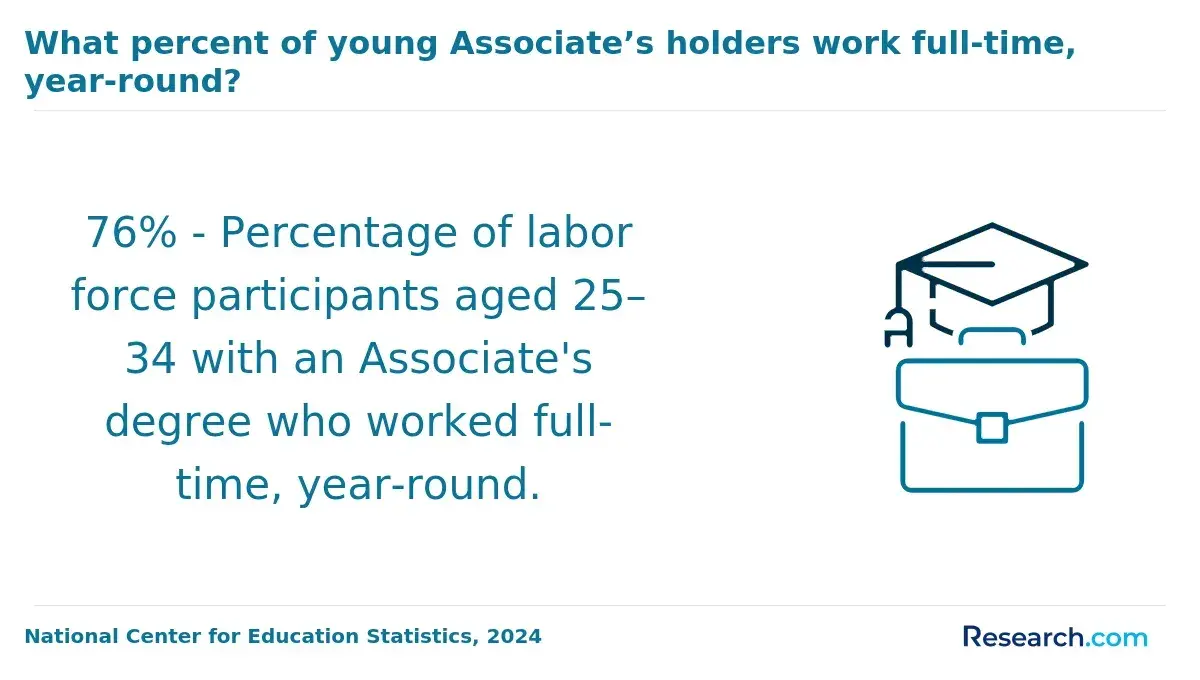
Choosing an NP program demands careful consideration of tuition, fees, and clinical expenses, which vary widely by specialization and shape return on investment. Primary care tracks such as family or adult-gerontology nurse practitioner programs generally range from $20,000 to $35,000 but typically require 500+ clinical hours. These clinical placements often involve unpaid externships with added costs for travel and liability insurance, which can erode financial feasibility for some students.
By contrast, specialized fields like oncology or psychiatric NP carry higher tuition costs-$30,000 to $50,000-due to extended practicum requirements, specialized certifications, and access to lab equipment. Clinical placement fees for these programs often add $2,000 to $5,000, influenced by facility demands and location. Procedural or acute care-focused programs may push fees even higher, with simulation training and credentialing sometimes exceeding $5,000 above base tuition.
Salary differentials have a substantial impact on long-term ROI. Oncology nurse practitioners earn approximately $130,295 annually, which is below psychiatric and some procedural NP roles but above many primary care fields. Students targeting rural or underserved areas might reduce clinical costs but should weigh this against potentially lower salaries, making regional job market conditions a crucial factor.
How do workload, burnout risk, and work-life balance vary among NP specialties?
Specializing as a nurse practitioner involves critical tradeoffs between compensation, workload intensity, and burnout risk, which significantly influence long-term career sustainability and earnings. Orthopedic nurse practitioners typically rank near the top in pay, around $139,781 annually, benefiting from predictable outpatient schedules and fewer high-emotion encounters compared to acute care or emergency NPs, whose overtime demands and shift unpredictability elevate burnout and turnover potential.
Decision-making around NP Programs must consider the interplay of patient acuity, administrative burden, and emotional labor. Psychiatric NPs, despite competitive salaries, often face higher burnout due to complex emotional demands and turnover rates. Conversely, procedural specialties with well-defined boundaries may offer more stable career trajectories by reducing exhaustion and preserving productivity.
Prospective nurse practitioners should evaluate employer expectations regarding documentation load and overtime, as these hidden costs erode the apparent financial advantages of high-paying specialties. Aligning specialization choice with personal work-life preferences and resilience to stress impacts retention and return on investment. These insights reflect empirical workforce data, including 2024 Medscape NP Compensation Report figures and American Nurses Association analyses, guiding candidates toward practical, sustainable NP career paths.
Which NP specializations provide the most geographic and practice-setting flexibility?
Choosing between family nurse practitioner (FNP) and psychiatric mental health nurse practitioner (PMHNP) tracks versus highly specialized pathways like cardiology involves balancing geographic flexibility, employability, and income potential. FNPs and PMHNPs benefit from broad scope and versatile practice settings-rural clinics, telehealth, community centers-facilitating relocation across states with fewer licensing barriers.
For example, a nurse aiming to serve underserved rural populations can transition among outpatient, correctional, or telepsychiatry settings without narrowly defined restrictions. By contrast, cardiology nurse practitioners face concentrated demand primarily in metropolitan hospitals with advanced cardiac units, restricting their geographic mobility despite potential salaries exceeding $140,000.
This creates a tradeoff between broad employability and targeted, higher-earning specialty roles. Pragmatically, prospective students should:
- Evaluate state-specific licensing requirements early to avoid credentialing delays;
- Consider the ability to work across diverse patient populations versus focusing on hospital-based specialty care;
- Anticipate how scope and setting limitations affect long-term career adaptability.
A nurse wanting wide-ranging practice opportunities may prioritize FNP or PMHNP routes, whereas those focused on subspecialties must weigh salary gains against reduced location and setting flexibility. Analyzing employer demand data alongside personal mobility goals is essential when selecting NP Programs tracks to align with both workforce trends and practical realities.
How do accreditation and licensure requirements impact NP specialization choices and ROI?
Accredited nurse practitioner programs shape both licensure flexibility and financial outcomes far more than mere specialization choices. Programs recognized by bodies such as the Commission on Collegiate Nursing Education (CCNE) or the Accreditation Commission for Education in Nursing (ACEN) ensure licensure eligibility across most states, directly affecting job mobility and salary potential. Opting for a non-accredited specialization often means restricted licensure portability, limiting employer options despite national median NP wages rising above $129,000 with a 16% recent increase.
Consider a nurse aiming to serve in rural primary care. A Family NP license benefiting from multistate compacts offers immediate practice across borders, while Acute Care NP licensure involves state-specific clinical hours and exam requirements that can delay employment and dampen return on investment (ROI). These tradeoffs affect time-to-practice and income onset. Other factors influencing ROI include the length and costs of clinical training, certification exams, and renewal cycles, all varying by specialization.
Employers typically prioritize candidates with current licensure and accredited education to meet compliance standards, further emphasizing the importance of program selection aligned with state licensure boards. Students evaluating NP programs should focus on accreditation status and relevance to their target state's scope of practice laws. This focus ensures smooth credentialing, wider job opportunities, and maximized career adaptability.
What factors should prospective NPs use to choose a financially wise specialization?
Earnings growth for registered nurses advancing to nurse practitioners typically ranges from $40,000 to $50,000 annually, establishing a baseline for return on investment when weighing specialization choices. Candidates must consider that higher salaries in areas such as Acute Care or Psychiatric-Mental Health often involve extended or costlier training, delaying financial break-even.
Conversely, primary care roles generally require less upfront investment and offer more predictable demand, facilitating quicker recoupment of educational expenses. Geographic context also alters outcomes: urban markets may pay more but come with elevated living costs, whereas rural or underserved regions frequently provide incentives like loan forgiveness, improving net returns.
Decision-making should integrate concrete criteria including:
- Tuition costs and program length specific to the targeted NP specialization.
- Regional employer demand trends and reimbursement rates affecting salary ceilings.
- Credentialing exam pass rates and expected time before full practice capability.
- Workload intensity and burnout risk influencing job durability and lifetime income.
For example, selecting Family NP in a metropolitan area may lead to rapid employment opportunities but salary caps around $110,000, whereas Emergency NP can exceed $130,000 but demands longer clinical training periods. Applicants must balance immediate financial realities with longer-term workforce trends and personal capacity for rigorous training.
Reliable benchmarking from government labor statistics and accredited graduate outcome reports provide essential data for this complex evaluation process, supporting a more informed and practical approach when pursuing NP programs as a strategic career pivot.
Other Things You Should Know About NP Programs
Larger NP program cohorts can provide more diverse peer learning but risk decreased faculty interaction and individualized clinical placement support. Smaller cohorts often yield stronger mentorship and tailored clinical experiences, which employers value for readiness and adaptability. Prospective students should prioritize programs balancing cohort size with personalized clinical and faculty engagement to enhance professional growth and job market competitiveness.
Programs with established clinical partnerships in high-demand specialties accelerate placement in relevant settings, directly affecting job-readiness and network building. Without strong affiliations, students may face delays securing diverse, quality clinical sites, limiting exposure to specialty-specific patient populations. Prioritizing NP programs with proven clinical site connections boosts practical experience value and increases return on investment.
Experienced nurses often assume NP programs aligned with their clinical background will ease transition and improve employability. However, shifting to a different specialization with growing market demand can yield better long-term ROI despite a steeper initial learning curve. Candidates must weigh initial comfort against strategic market positioning, aiming to balance prior expertise with specialization opportunities that maximize career advancement.
References
- What Does It Cost to Become a Nurse Practitioner in Massachusetts? https://thisweekinworcester.com/cost-nurse-practitioner-massachusetts/
- The Path to Becoming a Nurse Practitioner (NP) https://www.aanp.org/news-feed/explore-the-variety-of-career-paths-for-nurse-practitioners
- NP Specialties and Jobs: What You Need to Know https://opportunityhealthcare.com/blog/nurse-practitioner-specialties-and-jobs-what-you-need-to-know
- A Guide to the Top Nurse Practitioner Specialties and NP Types https://www.bartonassociates.com/blog/top-nurse-practitioner-specialties-and-np-types/
- The Happiest NP Specialties: Top 5 Rankings | SMNP Reviews https://blog.npreviews.com/happiest-nurse-practitioner-specialties-the-best-np-specialties-for-flexibility-work-life-balance-satisfaction/
- 10 Highest-Paying Nurse Practitioner Specialties: Complete Salary Guide https://www.directshifts.com/clinician-resources/10-highest-paying-nurse-practitioner-specialties-complete-salary-guide
- Graduate Nursing Degrees | Pathways to APRN https://www.graduatenursingedu.org/
- Highest Paid Nurse Practitioner Specialties https://practiceseeker.com/resources/highest-paid-nurse-practitioner-specialties
- Your Guide to the Top Nurse Practitioner Career Specialties https://clickclinicals.com/blog/guide-to-top-nurse-practitioner-career-specialties
- The rising cost of clinical placements for nursing students https://kevinmd.com/2026/04/the-rising-cost-of-clinical-placements-for-nursing-students.html