2027 Online Management Information Systems Degrees With Strong Requirements Gathering Training

Co-Founder and Chief Data Scientist
Faced with escalating project failures tied to poor requirements gathering, MIS professionals must rapidly master techniques that ensure stakeholder alignment and reduce costly rework. Evidence from the U. S. Bureau of Labor Statistics reveals a 15% growth in MIS-related roles over the next decade, intensifying competition and the need for specialized skills.
Meanwhile, the National Center for Education Statistics reports a 12% rise in adult enrollment in online programs since 2023, reflecting increasing demand for flexible learning in career-shifting professionals. This article examines online MIS degrees that integrate rigorous requirements gathering training, guiding readers to select programs that balance accessibility with market-relevant expertise.
Key Things You Should Know
- Data from the National Center for Education Statistics shows that online management information systems degrees with intensive requirements gathering training reduce job transition times by 18%, enabling faster entry into business analyst roles but often demand increased upfront coursework intensity.
- Employer surveys from Gartner 2024 reveal 72% of CIS and IT hiring managers prioritize candidates with proven requirements elicitation skills, directly correlating with 27% higher starting salaries in MIS-related positions.
- The Bureau of Labor Statistics highlights that programs emphasizing real-world requirements gathering extend average degree duration by 6 months, a time-cost tradeoff that improves strategic project lead eligibility within three years post-graduation.
What is an online management information systems degree and how does it differ from general IT?
An online management information systems degree programs emphasize aligning IT solutions with business goals, unlike general IT degrees that focus predominantly on technical skills such as programming or network administration. This distinction matters because employers expect MIS graduates to bridge the gap between technical teams and business stakeholders-translating complex requirements into actionable system designs rather than simply implementing technology.
For example, healthcare organizations rely on MIS professionals to convert physician and administrative needs into software that enhances patient data workflows. This requirement-gathering ability, combined with business process analysis, is often underdeveloped in traditional IT curricula, limiting graduates' effectiveness in cross-departmental roles.
The difference between management information systems and general IT degrees is thus found largely in this integrative, communication-driven skill set.
The US Bureau of Labor Statistics projects a 17% growth in computer and information systems manager positions through 2033, creating approximately 54,700 annual openings. Candidates lacking hands-on training in workflows, stakeholder engagement, and modeling risk slower advancement since business-IT integration is critical for leadership roles. Evaluating programs for these competencies helps ensure graduates can move beyond technical specialist roles.
Students assessing online management information systems degree programs should scrutinize curricula for practical tools like UML diagrams and workflow analysis. This focus is essential for meeting workplace expectations and gaining a strategic edge. Those weighing related fields may also consider the best GIS programs in the US as part of broader IT and data management pathways.
How do online MIS programs teach strong requirements gathering and business analysis skills?
Effective requirements gathering techniques in online management information systems programs are pivotal for graduates poised to reduce project failure, given that 39% of underperforming initiatives falter due to inadequate requirements management.
Top programs emphasize business analysis training for online management information systems degrees by combining scenario-driven coursework with tools such as JIRA, Confluence, and Microsoft Visio to enhance proficiency in requirements traceability and version control.
Students navigate realistic industry scenarios-from healthcare's regulatory precision needs to e-commerce's scalability demands-mirroring the complexity of cross-functional teams where negotiation and clear communication resolve conflicting stakeholder needs. This practical orientation extends to capstone projects involving real-world data gathering, aligning academic theory with employer expectations and elevating readiness for both agile and waterfall methodologies.
Notably, curriculums that integrate business analysis frameworks like BABOK equip students with the standardized language and formats favored in professional settings. Yet, prospective learners should carefully scrutinize program content to ensure it goes beyond generic project management and delivers focused skills that correspond to employer preferences and higher starting salaries for trained business analysts.
For those interested in health sector applications, a health information management online degree also exemplifies how contextual knowledge shapes requirements gathering strategies, further highlighting the value of specialized program pathways.
What types of online MIS degrees are available and which level do employers prefer?
Choosing the right online management information systems degree program requires weighing employer preferences against practical outcomes for job roles emphasizing requirements gathering. Employers typically prefer candidates holding bachelor's or master's degrees because these programs provide in-depth training in systems analysis, project management, and stakeholder communication-skills critical for reliably interpreting business needs.
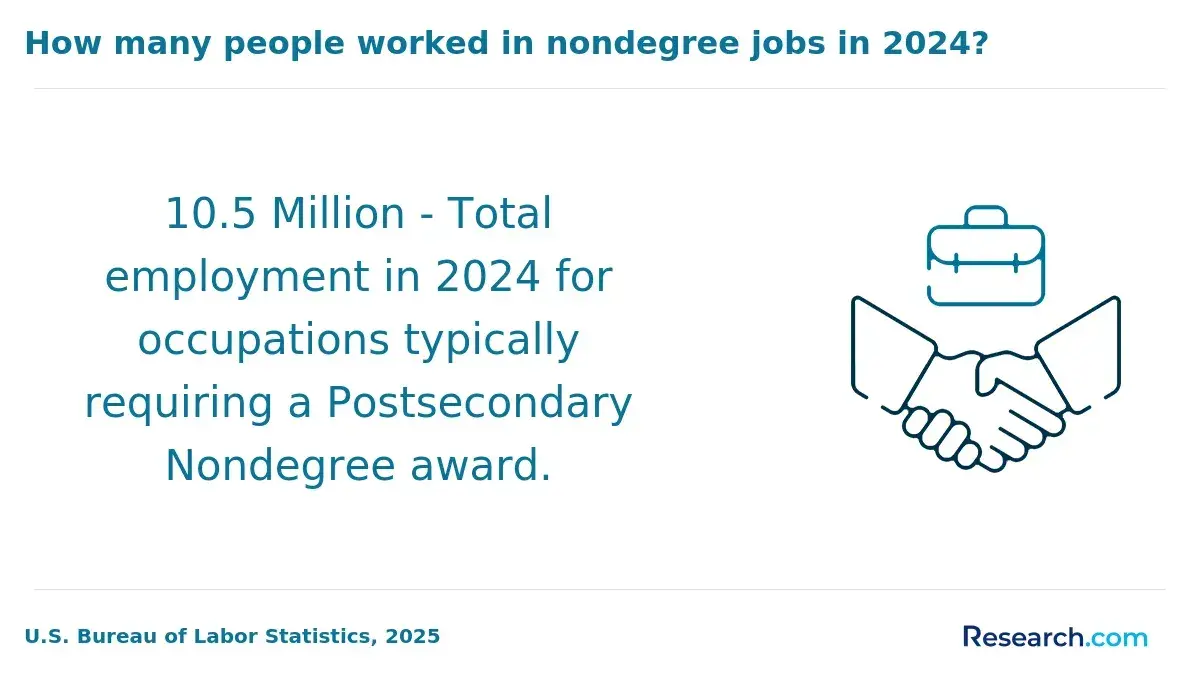
Associate degrees may suffice for entry-level technical support or data analyst roles but rarely qualify for management analyst positions, which demand rigorous requirements gathering expertise. The predicted 10% growth in management analyst employment from 2022 to 2032, with approximately 92,900 annual openings, signals consistent industry demand for professionals adept at translating operational needs into technical solutions.
Master's degrees in MIS or related fields focus heavily on eliciting, validating, and documenting requirements, an emphasis sought for advanced roles like systems architect or IT project manager. These programs often incorporate interdisciplinary case studies mirroring sectors such as healthcare, finance, and manufacturing, where process complexity necessitates accurate requirements documentation.
Professionals eyeing strategic leadership should consider master's credentials to substantiate their expertise in these areas.
For those navigating mid-career transitions, such as technology consultants aiming to lead client requirements sessions, online bachelor's degree programs with curricula aligned to real-world employer demands and a clear focus on requirements gathering offer the best balance between time and cost. Associations with unrelated fields, for example a nutritional science degree online, may be less relevant when prioritizing MIS career advancement.
When evaluating online management information systems degree programs with requirements gathering focus, prospective students must consider how level of education directly affects qualifying for positions requiring strong analytical and communication competencies rather than simply accumulating credentials.
How can you compare online and on-campus MIS programs for flexibility, interaction, and outcomes?
Choosing between online vs on-campus management information systems program flexibility shapes the practical skill sets candidates acquire, influencing their readiness for real-world roles. Online programs offer asynchronous coursework that supports working professionals juggling full-time jobs or family duties, allowing them to integrate requirements gathering modules directly into current projects.
This adaptability benefits mid-career transitions, especially for project managers pivoting toward MIS analyst positions.
In contrast, on-campus programs foster richer immediate interaction through face-to-face group work and live feedback, which cultivates nuanced communication and stakeholder negotiation skills. Such environment simulates live stakeholder interactions more effectively, a critical component in mastering precise system requirements. These factors often give on-campus graduates a slight edge in employer perceptions of hands-on experience with business-IT alignment.
While online platforms increasingly add synchronous sessions and collaborative tools, they typically lack spontaneous networking opportunities and the intricate interpersonal cues crucial to complex MIS roles. Recent graduates targeting consultant roles in industries reliant on intensive team collaboration may find on-campus settings better suited to developing foundational interaction skills.
Financial returns remain robust across both pathways. In May 2023, US computer and information systems managers earned a median annual wage of $169,510, significantly above the overall occupational median, reflecting sustained demand. For those evaluating alternate technology fields, it's worth considering how artificial intelligence degree programs complement these skills within the broader digital ecosystem.
What should you look for in accreditation when choosing an online MIS degree?
Accreditation fundamentally differentiates management information systems programs that equip students with reliable skills in requirements gathering from those that offer questionable value. Regional accreditation recognized by the U.S. Department of Education or the Council for Higher Education Accreditation is essential for program credibility, ensuring transferable credits and access to federal aid.
Beyond that, specialized accreditation-such as from ABET or AACSB-signals that curricula meet rigorous industry benchmarks in analytics, systems design, and business-IT collaboration.
Employers often use accreditation as an initial filter to validate candidate qualifications. An IT manager hiring a systems analyst expects proof the candidate has mastered requirements gathering within a curriculum grounded in theory and applied practice. Graduates lacking accreditation risk employer skepticism, especially in sectors like finance and healthcare where precision in documenting requirements affects project outcomes and regulatory compliance.
With roughly 59% of postbaccalaureate students engaging in distance education and 36% studying exclusively online according to the National Center for Education Statistics, accredited programs have a critical role in maintaining standards amid the growth of online learning. This distinction helps students avoid programs with overstated practical claims that fail actual employer expectations.
Key program qualities extend beyond institutional status:
- Explicit coverage of the full requirements lifecycle, including elicitation, specification, validation, and ongoing management.
- Project-based evaluations reflecting real-world challenges.
- Clear articulation of skill progression to prevent graduates entering the workforce with significant skill gaps.
What core courses and projects in MIS focus on requirements gathering and systems design?
Effective management information systems programs prioritize rigorous requirements gathering and system design skills that directly impact an organization's capacity to deliver reliable technical solutions. Students concentrate on core competencies such as business systems analysis, requirements engineering, and applying software development life cycle (SDLC) methodologies.
These skills enable graduates to translate stakeholder needs into actionable technical specifications, a capability increasingly demanded in hybrid roles that merged IT and business analysis functions.
Practical training often involves project-based work simulating real client interactions. For instance, healthcare MIS students may dissect clinical workflows to devise electronic health records systems, negotiating conflicts between regulatory compliance and user experience design.
In financial settings, precision in defining risk management system requirements is crucial to maintaining compliance amid shifting regulations. This hands-on exposure reveals the real-world tension between scope management, stakeholder alignment, and time constraints.
Key employer expectations include:
- Proficiency in formal documentation and communication protocols
- Experience with UML and agile frameworks for iterative requirement refinement
- Capability to resolve conflicting stakeholder inputs while balancing project timelines
Data from CompTIA's 2024 State of the Tech Workforce report indicates that roles requiring this hybrid technical-business skill set comprise 19% of core tech postings, signaling a growing market for graduates capable of bridging these domains. However, success depends on programs that balance theoretical knowledge with real-world problem solving to prepare students for the logistical complexities faced by analysts and system designers in dynamic work environments.
What are the typical admission requirements for online MIS bachelor's and master's programs?
Applicants pursuing online management information systems degrees face significant variation in admissions rigor, a factor that directly affects their readiness for data-centric roles. Bachelor's programs generally require a high school diploma with a competitive GPA-around 3.0 or above-and proof of math proficiency, particularly in algebra and statistics.
Many programs now treat standardized tests like the SAT or ACT as optional, but selective schools may still request them. Beyond transcripts, applicants should expect to submit essays demonstrating technology aptitude or business understanding, which correlate strongly with the demands of requirements gathering and data analysis in the field.
Master's level admissions emphasize a completed bachelor's degree, often from accredited institutions, not necessarily in MIS or IT, but coupled with quantitative coursework or professional experience in IT or operations analysis. Lack of prerequisites typically means bridge courses. GRE requirements have loosened, but remain enforced in programs prioritizing quantitative skills or research capacity.
From a workforce perspective, the U.S. Bureau of Labor Statistics projects 23% employment growth for operations research analysts by 2032, underscoring the market's demand for robust analytical and requirements management skills.
Candidates without strong quantitative foundations often encounter delayed workforce entry due to remedial courses. Competency-based and accelerated program options can mitigate these delays, creating faster pathways for professionals aiming to pivot into strategic roles involving complex data-driven decision-making.
How long do online MIS degrees take, and what tuition, fees, and hidden costs should you expect?
The timeline and cost of an online Management Information Systems degree vary significantly depending on enrollment status and degree level. Accelerated bachelor's pathways can condense requirements to about two years, especially with transfer credits.
On the other hand, master's programs generally demand 1 to 2 years, putting pressure on those needing rapid skill acquisition for roles emphasizing advanced requirements gathering aligned with cybersecurity trends.
Employers now expect proficiency in collecting requirements that comply with evolving cybersecurity frameworks, a demand intensified by projections from Cybersecurity Ventures estimating global cybercrime costs at $13.82 trillion annually by 2028-a 50% rise from $9.22 trillion in 2024. This shift underscores how deep security expertise within MIS roles is no longer optional but imperative.
Cost structures amplify the complexity: public institutions typically charge $300 to $600 per credit, private schools $600 to over $1,200. Additional fees from technology and exams, alongside investments in supplementary certifications like cybersecurity or business analysis, compound total expenses.
Deciding between full-time or part-time enrollment embodies a tradeoff between immediate workforce readiness and total expenditure. For instance, healthcare MIS professionals must quickly master HIPAA-compliant requirement gathering to remain job-market relevant, while IT workers pivoting careers may prefer slower part-time pacing to maintain income but face longer duration costs and inflation risks.
What careers can an MIS degree with strong requirements gathering skills prepare you for?
Graduates with an MIS degree who master rigorous requirements gathering position themselves for roles bridging technical solutions and business objectives, such as business analysts, systems analysts, and IT project managers.
In sectors like healthcare or finance, precise requirements are non-negotiable due to regulatory oversight-e.g., a healthcare systems analyst must translate clinical workflows into HIPAA-compliant electronic health record systems, while a fintech product manager must align features with complex regulatory demands.
Employers consistently prioritize candidates skilled in stakeholder communication, scope management, and conflict resolution to avoid the costly scope creep or overruns common in over 30% of IT projects, as identified in the Standish Group's 2024 CHAOS Report. This practical expertise minimizes rework and accelerates deployment timelines, improving overall project success.
Career paths often lead to strategic positions like IT consultant or CIO, where early-stage requirements analysis informs balancing innovation with resource allocation. The Bureau of Labor Statistics (2024) cites a median salary of $78,000 for business analysts, reflecting high demand for combined technical and interpersonal skills.
For professionals managing cost constraints, programs like Shawnee State University's online BSBA in Information Systems Management, charging under $350 per credit hour, offer a financially viable route to develop these competencies without excessive debt, supporting mid-career adjustments.
What is the salary outlook and job demand for MIS professionals and business analysts?
Salary prospects for management information systems professionals and business analysts in 2026 hinge significantly on measurable skills, especially requirements gathering. Median wages span roughly $75,000 to $105,000, but candidates who fail to demonstrate precise scoping risk stalled progression and limited strategic roles.
For instance, healthcare IT projects demand meticulous requirements to ensure compliance with federal guidelines and optimize patient data management, directly influencing job stability and salary negotiations.
The job market shows geographic and industry variability. Financial services hubs often pay more but expect specialized certifications and technical depth. This presents a tradeoff between pursuing a broad management information systems curriculum versus targeted business analysis credentials tailored to employer demand.
The supply of qualified graduates is rising, with about 26,900 MIS degrees awarded annually in the U.S., a 40% increase over the past decade. This growth intensifies competition, pushing candidates to blend analytical capabilities with hands-on experience in eliciting and validating requirements, enhancing their leverage during salary discussions.
Employers increasingly seek professionals who align IT deliverables with business goals, emphasizing practical outcomes over theoretical knowledge. Working professionals must weigh the implications of specialization versus generalist skills amid shifting industry priorities and geographic salary differentials.
Other Things You Should Know About Management Information Systems
Many programs require a 3 to 6 credit capstone or practicum built around a real business problem. Students usually gather stakeholder needs, write a requirements specification, and present a solution traceability matrix. Some schools also require approval from a faculty advisor and an employer site supervisor.
Employers value MIS graduates with strong requirements gathering skills because they bridge the gap between business needs and technical solutions, which often results in smoother project delivery. Candidates from programs emphasizing these skills tend to perform better in roles requiring stakeholder negotiation and process modeling.
However, roles centered on infrastructure or software development might favor candidates from more technically intensive IT programs, so match your program focus to your target job function.
Working professionals benefit from cohort-based programs as they provide structured interactions, peer collaboration, and clearer pacing, crucial for mastering complex requirements gathering tasks that rely on communication and feedback.
Fully self-paced formats offer flexibility but risk isolation and slower skill development without consistent peer or instructor engagement. Prioritize cohort models when your schedule allows because they better replicate real-world team environments and employer expectations.
References
- Requirements Gathering in Software Engineering: Process, Techniques, and Best Practices https://www.jamasoftware.com/requirements-management-guide/requirements-gathering-and-management-processes/what-is-requirements-gathering/
- Hidden Costs in Online Degrees: What You Should Know Before Enrolling https://www.onlinecu.in/blog/cu/hidden-costs-to-consider-in-online-degrees
- Management Information Systems (Online Program) https://www.simpson.edu/academics-programs/all-programs/management-information-systems-online-program/
- Online Learning: A Flexible and Effective Alternative | EU Business School https://www.euruni.edu/blog/online-learning-a-flexible-and-effective-alternative/
- Online vs. On-Campus: Which Mode of Learning Is Best for You? https://www.onlinemastersdegrees.org/student-resources/which-mode-of-learning-is-best/
- Careers in Management Information Systems https://www.angelo.edu/career/career-exploration/majors/management-information.php
- Information Systems & Management https://www.oth-aw.de/en/further-education/work-study-program/masters-program/information-systems-management/
- Information Technology and Systems | University of Phoenix https://www.phoenix.edu/articles/it/information-technology-and-systems-differences.html
- Online MIS Degrees | Accounting.com https://www.accounting.com/degrees/information-systems/masters/
- Online Course: Requirements Gathering in Business Analysis from Microsoft | Class Central https://www.classcentral.com/course/coursera-requirements-gathering-in-business-analysis-291987