2027 MIS Careers That Reward Strong Business Analysis Skills

Co-Founder and Chief Data Scientist
An enterprise IT team faces a critical bottleneck: translating complex data streams into actionable strategies that align IT infrastructure with evolving business goals. Professionals skilled in business analysis often bridge this gap, yet many aspiring MIS candidates underestimate how deeply industry employers prioritize these competencies. Recent labor market data from the U. S. Bureau of Labor Statistics reveals that roles requiring combined technical and analytic business skills in MIS-related fields are projected to grow 15% faster than purely technical positions over the next five years.
This trend signals a shift favoring adaptable analysts who can drive organizational outcomes beyond system management alone. This article explores MIS careers emphasizing business analysis, providing clear guidance on aligning education choices with high-demand skills to optimize career advancement and long-term job security.
Key Things You Should Know
- Forty-two percent of MIS roles requiring business analysis skills demand proficiency in data visualization tools, creating a skills acquisition tradeoff between technical fluency and domain expertise, per 2024 Gartner workforce trends.
- Employers increasingly prioritize candidates with proven project impact metrics; 68% of U.S. MIS job listings now mandate direct contributions to ROI-driven technology implementations, altering hiring filters sharply.
- Median certification and training costs rose 15% since 2023, extending time-to-promotion by 6 months on average, complicating timely MIS career pivots for mid-career professionals, according to Bureau of Labor Statistics data.
What MIS careers use business analysis skills?
Business analysis skills shape the most viable paths in business analysis roles in management information systems careers, especially for management analysts who must balance strategic insight with operational improvements. These professionals command a median wage exceeding $100,000, confirming employer demand that aligns with a projected 9% job growth through 2034 and nearly 100,000 annual openings. However, candidates must navigate complex trade-offs between technical competence and contextual business understanding to remain competitive.
Top MIS careers requiring business analysis expertise extend beyond management analysts to systems analysts, IT project managers, and business intelligence analysts, each applying analysis differently based on operational context. For example, systems analysts translate detailed business process knowledge into tailored technical solutions, while IT project managers leverage analysis to define scopes, align stakeholder needs, and mitigate implementation risks. Business intelligence analysts, by contrast, work directly with complex datasets which influence strategic decisions across varied sectors like finance and healthcare.
Proficiency with tools that support requirements gathering, process modeling, and data visualization is essential, as employers often prioritize candidates demonstrating this dual literacy. Differences in domain complexity-such as healthcare versus retail supply chain analysis-affect how analytical skills are applied and valued. Students and professionals aiming to enter these fields benefit from certifications and practical work experience that demonstrate structured analysis and stakeholder communication skills. Those evaluating educational pathways should also consider program formats and pacing; the fastest business degree online options can offer accelerated routes but may require balancing rigorous workloads with mastery of business analysis fundamentals.
What degrees prepare students for MIS business analysis roles?
Degrees in management information systems, business administration with analytics, computer science, and data science present distinct tradeoffs for those targeting MIS business analyst roles. Employers prioritize candidates proficient in data management, requirements gathering, systems design, and stakeholder communication. For example, a business administration degree strengthened with business intelligence coursework often aligns better with sectors like finance and healthcare, where domain expertise drives value beyond pure technical skills. This nuance is critical when evaluating best academic programs for MIS business analyst roles.
Management information systems degrees uniquely blend IT infrastructure knowledge and business processes, preparing graduates to serve as liaisons between technical teams and non-technical stakeholders. In contrast, computer science programs provide robust programming and database foundations but often lack embedded training in business process dynamics and communication, which can slow early career progression without supplemental experience.
Data science graduates bring strong analytics and visualization capabilities but generally need to develop applied business acumen and stakeholder engagement skills to bridge gaps in organizational decision-making. Individuals pursuing career pivots or reskilling should prioritize programs that integrate real-world projects or internships to foster this versatility.
Market demand for analytical business roles remains competitive; according to Ziplines Education, market research analysts-a closely related function-have a median salary of $76,950 with projected 8% job growth from 2023 to 2033. Prospective students must also consider degree costs and institutional reputation, balancing these against expected outcomes across sectors prioritizing data-driven decision support. Resources like the HIM degree online listings may help identify financially sustainable pathways.
How do accredited online and campus MIS programs compare?
The practical distinctions between accredited online management information systems programs vs campus options revolve around flexibility, networking, and immediate access to hands-on experience-critical factors for applying business analysis in real settings. Online MIS programs allow working professionals to continue employment while accessing accelerated coursework. This tradeoff supports financial analysts gaining business-facing analytics skills, a sector where the 2024 median salary hits $101,910 with a 9% job growth projection over the decade, reflecting strong labor market demand.
Campus programs emphasize real-time collaboration with peers and faculty, cultivating nuanced communication skills essential when managing cross-departmental stakeholders. Employers in team-driven fields like supply chain analytics or financial services value these in-person networking and problem-solving experiences more highly.
Choosing between these delivery modes depends on self-directed learning capacity and career priorities. Online options provide targeted electives and flexible pacing but require proactive efforts to secure internships. Campus programs, while demanding greater time and possible relocation, often facilitate immediate internship placements through institutional partnerships, enhancing competitive job portfolios for MIS graduates.
Students evaluating differences between online and campus management information systems degrees should also consider growing employer expectations for project-based, practical skills whether acquired remotely or onsite. For those seeking cost-effective pathways without compromising quality, exploring the cheapest online business degree options may serve as a strategic starting point.
What coursework builds business analysis skills in MIS programs?
Business analysis coursework in management information systems programs emphasizes bridging technical expertise with strategic business needs, a combination vital for real-world impact. Core classes such as systems analysis and design teach how to gather requirements and model workflows, translating business challenges into IT solutions. Students developing business analysis skills must also engage deeply with data analytics to extract actionable insights from complex datasets-an increasingly demanded capability. Practical project management training further equips them to balance time, scope, and budget in cross-functional environments, a frequent challenge in IT initiatives.
Programs offering management information systems classes for developing business analysis skills typically include advanced electives covering business process modeling with tools like BPMN, database management with SQL, and enterprise resource planning systems. Such exposure allows students to understand operations across departments, which is critical when adapting technologies in sectors like finance or healthcare. Employers often require candidates with hands-on experience; thus, practicums and internships embedded in these courses provide indispensable applied problem-solving exposure.
According to the U.S. Bureau of Labor Statistics, computer systems analysts will see 10% employment growth from 2022 to 2032, reflecting sustained demand for professionals aligning IT with evolving business objectives. Graduates who omit applied learning risk lacking the agility that employers prioritize. Moreover, multidisciplinary coursework enhancing communication and stakeholder engagement complements technical depth, improving effectiveness in translating technical solutions to non-technical stakeholders.
For those exploring career pivots or deeper specialization, options like the online cyber security degree for veterans offer relevant pathways to augment management information systems competencies.
What admission requirements do MIS degree programs usually have?
Admission to management information systems programs reflects a deliberate balance between foundational academic skills and demonstrated practical capability. Bachelor's applicants typically need a high school diploma and prerequisites in computer science, statistics, and introductory business. For master's candidates, relevant undergraduate degrees or extensive professional experience in IT, business, or analytics are often required, highlighting that academic credentials alone rarely guarantee admission or success.
Standardized test scores, once a staple for screening, are increasingly optional at the undergraduate level, following evidence that tests like the SAT and ACT have limited predictive value for MIS performance. In graduate admissions, GRE scores remain common but can be waived for candidates with substantial relevant work experience, indicating an institutional shift toward valuing demonstrated workplace competence.
Employers prioritize candidates with hands-on experience managing data projects or integrating business and technical teams, making internships and work history significant differentiators. Personal statements or essays targeting strategic problem-solving skills also serve as gateways to assess applicants' ability to navigate technology-business intersections. International candidates must prove English proficiency, often through TOEFL or IELTS, plus offer letters of recommendation that confirm analytical and project management capabilities.
Admissions competition not only screens for quantitative aptitude but also judges the applicant's ability to interpret complex business scenarios-skills that directly affect employability. This dual focus means prospective students must weigh the tradeoff between academic preparation and practical experience, as the optimal candidate profile increasingly blends both dimensions.
How long do MIS degrees take and what do they cost?
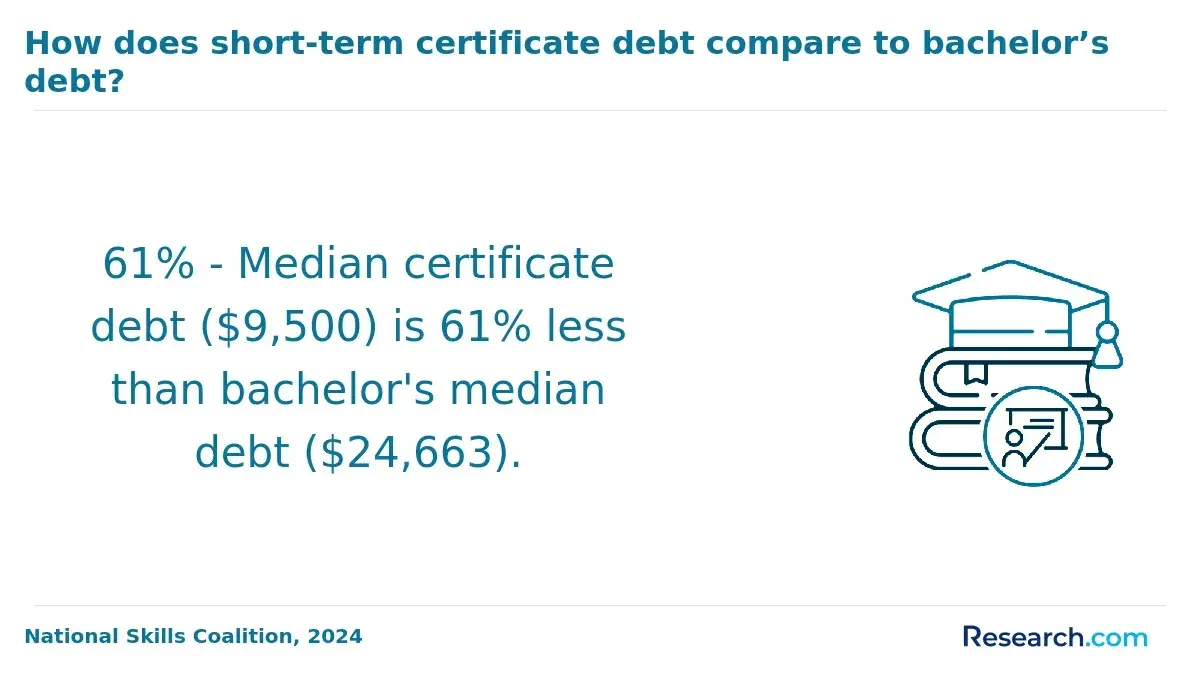
An MIS degree demands a multi-year commitment, typically four years full-time at the bachelor's level, with costs reflecting institutional type and residency. Public universities charge roughly $10,000 to $25,000 annually for in-state students, while private or out-of-state options escalate to $30,000-$60,000 per year. Online programs extend timelines beyond four years but can offer affordable alternatives and flexibility for working students. Accelerated bachelor's or master's paths for professionals often compress study into 12-24 months, costing between $15,000 and $45,000 depending on institution and delivery format.
Choosing a program requires weighing employer expectations, opportunity cost, and specialized content. For example, a mid-career professional targeting management consulting must consider whether full-time study or accelerated online options better support integrating real-time project experience applicable to process improvements or cost analysis-skills crucial in management analyst roles. Hiring managers favor candidates from accredited institutions who demonstrate analytical proficiency aligned with industry demands.
Key practical factors include tuition inflation, financial aid access, and program relevance to advanced MIS roles with a focus on data analytics and process optimization. Sector shifts to healthcare or finance may extend program length due to specialized electives, impacting overall costs and timeline. The U.S. Bureau of Labor Statistics projects 9% job growth for management analysts from 2024 to 2034, emphasizing continued employer demand for professionals blending business insight and technical analysis.
Which certifications help MIS graduates in business analysis careers?
Certification decisions for MIS graduates pursuing business analyst roles must consider employer expectations and sector-specific demands rather than simply aiming for widely recognized credentials. The Certified Business Analysis Professional (CBAP) and PMI Professional in Business Analysis (PMI-PBA) serve different operational contexts: CBAP fits candidates with broad experience addressing complex, cross-industry business challenges, while PMI-PBA aligns closely with project-driven environments emphasizing integrated project and business analysis skills.
For recent graduates or career switchers, the Entry Certificate in Business Analysis (ECBA) offers a foundational credential, though its practical value depends on supplementing with real-world application. Graduates targeting analytics leadership roles enhance their competitiveness by combining business analysis certificates with credentials like the Certified Analytics Professional (CAP) or Certified Budget Analyst, the latter tied to a median salary near $87,930 and steady job growth projections through 2033.
Pragmatically, professionals focusing on operational improvement in manufacturing or energy sectors should prioritize certifications featuring process modeling, while those aiming at technology-driven companies benefit most from CBAP and PMI-PBA's emphasis on agile and systems analysis proficiencies. Candidates must also weigh exam difficulty, experience requirements, and renewal commitments, all of which influence long-term return on investment.
Matching certification selection with specific employer job descriptions and industry dynamics is paramount, especially for those seeking roles that integrate financial and operational insights through cross-functional leadership, where combining CAP or budget analysis with CBAP offers a strategic advantage.
What job titles do MIS graduates with analysis skills hold?
Management information systems graduates with strong business analysis capabilities typically occupy roles such as business analyst, systems analyst, data analyst, and IT consultant. These positions require the ability to translate complex data into actionable business strategies while balancing technical fluency and effective communication. For example, a financial services business analyst might streamline loan-processing workflows by integrating new software features, reducing time-to-market and improving compliance, while a healthcare systems analyst focuses on ensuring data accuracy through interoperability among electronic health records.
The persistent challenge lies in navigating tradeoffs between deep IT specialization and hybrid roles that demand both technology expertise and stakeholder engagement. Employers prioritize professionals who can clearly document requirements and model solutions that meet both technical and business needs. Practical skills must extend beyond foundational IT to encompass mastery of ERP or CRM systems and advanced analytics tools like SQL, Tableau, or Power BI-enabling real-time reporting and more dynamic decision-making.
Job growth in management information systems extends beyond traditional IT roles. Project management, process improvement, and strategic planning now represent realistic career pathways, but only if professionals continuously update their competencies in line with evolving enterprise data strategies.
What salaries do MIS business analysis careers typically offer?
Entry-level MIS business analyst roles typically start between $65,000 and $85,000, but specialization and sector significantly influence compensation. In finance, the average salary for experienced analysts spans $90,000 to $120,000, with senior positions exceeding $130,000 due to the complexity of regulatory demands and the critical need for precise risk assessments. For instance, a business analyst employed by a banking institution may earn 20-30% more than peers in less specialized industries, reflecting the premium placed on domain-specific knowledge and project delivery velocity.
Advancing from a business analyst to senior analyst or business systems consultant often depends on acquiring advanced certifications or a master's degree, key factors that enhance salary prospects. Employers emphasize measurable impact in cost-benefit analyses and stakeholder management, favoring candidates who demonstrate clear improvements in operational efficiency and revenue growth. Proficiency in industry-specific software, such as ERP or CRM platforms, also plays a decisive role in compensation differentials across sectors.
Geographic location, industry focus, and documented project outcomes are pivotal negotiation points. Although finance and insurance sectors lead in pay, healthcare and manufacturing maintain competitive mid-tier salaries but require supplemental skills in compliance or supply chain system integration.
What is the job outlook for MIS business analysis careers?
Employers seeking MIS business analysts increasingly demand professionals who integrate technical expertise with strategic business insights. By 2027, over 80% of organizations plan to grow analytics and AI-focused roles, underscoring a shift toward data-driven decision-making that extends across sectors like healthcare, finance, and manufacturing. This trend means candidates must move beyond traditional MIS skills to include data literacy, stakeholder communication, and advanced capabilities such as AI process mapping.
For instance, a healthcare analyst aligning IT with clinical workflows directly influences patient outcomes and cost efficiency, while finance analysts must balance AI-driven fraud detection against regulatory compliance. This dual focus on technical and business acumen distinguishes candidates who accelerate their career trajectories from those constrained to siloed technical or administrative tasks.
Workforce implications include continuous upskilling to keep pace with evolving technologies. MIS programs incorporating real-world projects linked to AI applications provide clearer employment pathways. Students should weigh the benefits of advanced training in data visualization and AI alongside foundational MIS knowledge to enhance employability and potential salary gains.
Other Things You Should Know About Management Information Systems
A management information systems degree offers a practical balance of technical and business skills that appeal to diverse roles beyond traditional analysis positions. However, its value depends on the program's emphasis-graduates from MIS tracks heavily focused on coding or IT infrastructure may find fewer direct overlaps with business analysis unless they supplement their skills. For those prioritizing flexibility, selecting MIS programs that integrate strategic decision-making and user-centric technology management better supports multiple career paths, including project management and operations roles.
Certifications in business analysis and systems analysis add the most value, especially IIBA’s ECBA or CCBA and PMI-PBA. SQL, Power BI, and Tableau certificates also help because they show you can turn data into decisions. Employers often look for proof of practical analysis skills, not just a degree.
Specialized MIS degrees provide concentrated training in information systems, often translating to stronger technical and systems thinking skills preferred for complex projects. In contrast, broader business degrees with MIS concentrations offer wider exposure to core business functions but may lack depth in technical problem solving. Employers hiring for business analyst roles with systems insight prioritize candidates who demonstrate both contextual business knowledge and hands-on systems experience, so choosing the path should align with whether a candidate seeks depth in IT systems or wide managerial exposure.
References
- What Business Analysis Jobs Are Available? | Knowledge Train https://www.knowledgetrain.co.uk/business-analysis/business-analyst-course/jobs-in-business-analysis
- Business Analyst Degree: Best Majors and Courses to Consider https://www.dice.com/career-advice/business-analyst-degree-best-majors-and-courses-to-consider
- Online MIS Degrees | Accounting.com https://www.accounting.com/degrees/information-systems/masters/
- Is A College Degree Required to Start a Business Analyst Career? https://www.bridging-the-gap.com/college-degree-business-analyst/
- MIS - Career Options https://departments.fmarion.edu/business/mis-career-options.html
- What Jobs Can I Get With a Bachelor's Degree in MIS? | CSU Global https://csuglobal.edu/blog/what-jobs-can-i-get-bachelors-degree-management-information-systems
- Top Business Analyst Certifications for Career Advancement https://www.fctraining.org/top-business-analyst-certifications.php
- Common Business Analysis Career Paths | Analyst Catalyst Blog https://www.iiba.org/business-analysis-blogs/common-business-analysis-career-paths/
- MIS in USA: Top Universities, Eligibility, Cost, and Salaries | YMGrad https://ymgrad.com/article/mis-in-usa