2027 Best Online Management Information Systems Degrees for Business Intelligence Careers

Co-Founder and Chief Data Scientist
Professionals aiming to transition into business intelligence roles often confront a pressing dilemma: how to efficiently acquire advanced management information systems expertise without halting their careers. With 65% of adult learners prioritizing flexible scheduling and remote access, according to the National Center for Education Statistics 2024 report, rigid program formats no longer align with workforce realities.
This shift indicates a growing preference for online degrees tailored to working professionals who must balance ongoing job responsibilities with skill acquisition. Selecting a program requires careful evaluation of curriculum rigor, technological relevance, and career services to ensure tangible career mobility.
This article identifies top online management information systems degrees optimized for such strategic career advancement in business intelligence fields.
Key Things You Should Know
- Employer surveys from the U.S. Bureau of Labor Statistics in 2024 show 65% of MIS grads must supplement technical expertise with business analytics; programs without integrated analytics see 18% lower placement rates.
- Degrees emphasizing cloud infrastructure incur 20% higher tuition on average but translate into 15% faster job entry per National Center for Education Statistics data, creating a timing versus cost tradeoff.
- Emerging demand for cybersecurity management skills now drives 40% of MIS hiring managers to favor specialized certifications over general degrees, altering workforce credentialing expectations significantly.
What is an online management information systems degree for business intelligence careers?
Choosing an online management information systems degree for business intelligence careers demands weighing immediate workplace applicability against challenges like self-motivation and remote collaboration.
This degree arms students with data analytics, database management, and enterprise architecture skills, essential for translating complex data into actionable insights. The flexible format suits professionals who cannot pause their careers but requires discipline to navigate virtual labs and asynchronous learning.
For example, a mid-level supply chain analyst boosting forecasting through machine learning models while studying can showcase enhanced value to employers without career interruption. Such practical integration distinguishes graduates in competitive hiring pools where employers now favor candidates with business intelligence experience combined with foundational information systems knowledge.
According to PayScale data referenced by TheBestSchools.org, graduates earn an average annual salary exceeding $98,000, underscoring demand for these hybrid skill sets.
Prospective students must assess programs for industry-recognized certifications and hands-on BI tool training, critical factors influencing employability and strategic roles. Those evaluating management information systems programs for business intelligence professionals should also explore pathways that align educational outcomes with evolving market expectations. Detailed, data-driven program comparisons can be found in accelerated business degree online resources.
How do online management information systems programs compare with on-campus options for BI roles?
Deciding between online management information systems vs on-campus programs for business intelligence roles hinges on balancing practical skill acquisition with networking and experiential learning. Employers value degrees from accredited online programs equally when candidates demonstrate strong capabilities in data analytics, database management, and visualization.
Yet, on-campus programs typically offer more immersive access to collaborative environments, research labs, and industry connections, accelerating soft-skill development and leadership readiness.
From a workforce standpoint, the 23% employment growth projection for operations research analysts through 2031 emphasizes the demand for applied analytics expertise. Students weighing a comparison of online and traditional management information systems degrees for BI careers must consider tradeoffs such as limited face-to-face mentoring and access to proprietary enterprise software that tends to be campus-centered.
Top-tier online MIS programs address these gaps with virtual labs, live project work, and employer partnerships for internships. For example, a healthcare analyst shifting into BI can leverage the flexibility of an online format to integrate real-time job challenges, though they should proactively engage in professional BI forums to build networks typically cultivated on campus.
This practical approach applies especially to working professionals and those in remote areas. For those interested in a highly condensed study timeline, exploring an online computer science degree with robust analytics components may also be relevant.
Which types of MIS degrees best prepare you for business intelligence careers?
Successful candidates targeting business intelligence roles benefit most from degrees that integrate management information systems with business analytics specializations. Programs combining these disciplines are consistently aligned with employer demand, delivering crucial skills in database management, data warehousing, and visualization tools alongside strategic business decision-making.
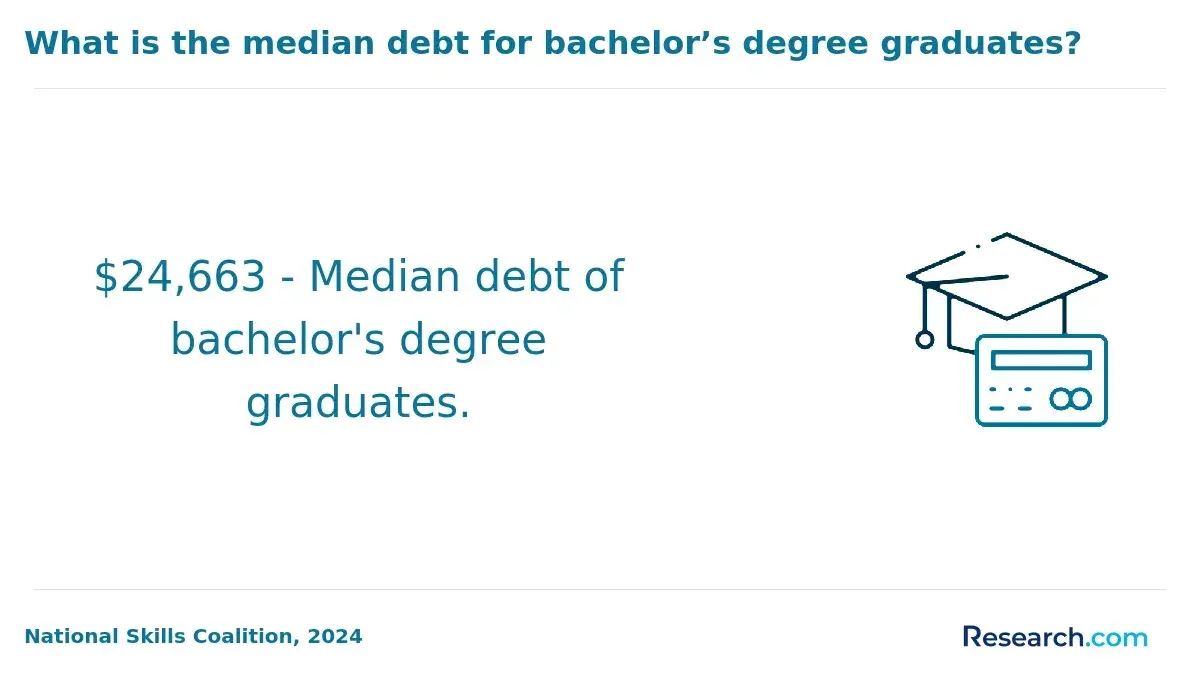
For example, CSU Global data confirms graduates of such hybrid online programs earn an average salary of $72,181 within one year, 47% above the national average for all bachelor's holders three years post-graduation. This highlights a tangible market premium for the best management information systems degrees for business intelligence careers.
Pure management information systems degrees that lack an analytics focus often fall short in preparing graduates for the dynamic and evolving BI landscape, especially in sectors like finance, healthcare, and retail. Consider supply chain analyst roles, where candidates equipped with predictive modeling and real-time integration skills outperform peers by optimizing logistics networks more effectively.
These real-world scenarios emphasize why top management information systems programs for business intelligence jobs increasingly mandate proficiency in BI software such as Tableau, Power BI, SQL, and Python, paired with management principles.
This combined skill set requires a heavier upfront commitment to quantitative coursework, posing challenges for students without strong technical backgrounds. Graduates must also pursue ongoing certification to keep pace with BI tool updates. Prospective students should evaluate accredited online bachelor's programs that incorporate extensive hands-on projects and provide clear alumni salary outcomes within three years.
For further exploration of specialized business education pathways, consider exploring marketing graduate programs.
What admission requirements do online MIS programs with a BI focus typically have?
The admissions landscape for online management information systems program admission criteria United States shows clear tradeoffs that shape student outcomes and workforce readiness. Bachelor's level entry typically demands only a high school diploma but also enforces minimum GPA thresholds near 2.5-3.0, underscoring a baseline for quantitative aptitude.
Graduate-level business intelligence focused MIS degree entry requirements generally include a completed bachelor's degree plus prerequisite coursework in statistics or computer science, which can extend time to completion and add cost.
Standardized tests like the GRE are becoming less common but still factor into admissions at selective institutions, adding complexity for non-traditional students or those pivoting mid-career.
Admissions committees often weigh professional resumes or statements of purpose heavily, favoring candidates whose experience aligns directly with BI roles requiring a combination of technical and strategic skills. This evaluation impacts scholarship opportunities and acceptance chances for working professionals aiming to transition into BI-intensive MIS roles.
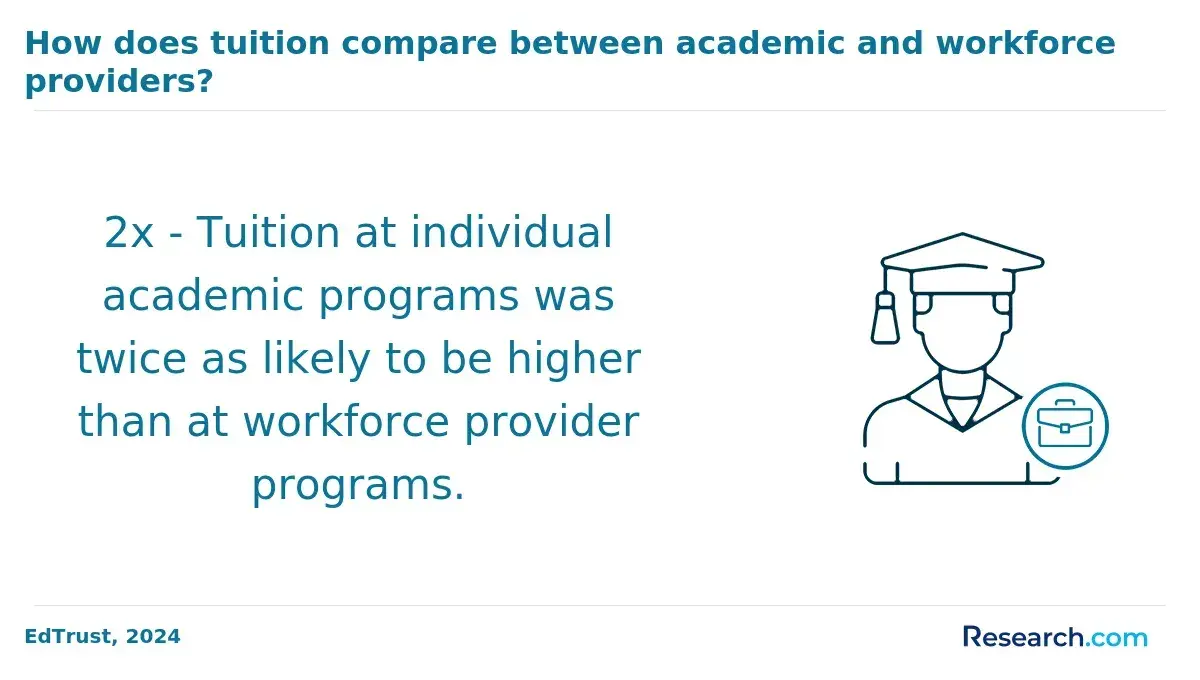
Cost differences are significant, with tuition ranging from $35,040 at the University of Arkansas at Little Rock to $67,500 at Oregon State University. This disparity can alter the return on investment substantially, especially when prerequisite course requirements increase total credits and study duration. Prospective students must balance admissions rigor, financial outlay, and potential lost income.
For those exploring adjacent fields, institutions offering online medical assistant programs may offer more accessible entry points or financial aid structures.
How long do online MIS degrees take and what do they cost for BI students?
Programs in management information systems designed for business intelligence roles typically require 18 to 24 months of full-time study, with accelerated options reducing this to as little as 12-15 months. However, such acceleration often necessitates a heavy course load that limits outside commitments. For working professionals, part-time enrollment, commonly lasting 30 to 36 months, better accommodates job demands but delays entry or advancement in BI fields.
Cost considerations must extend beyond tuition alone. Public online degrees average $15,000 to $30,000, whereas private institutions may charge over $40,000, with additional annual fees around $500 to $1,500. Employer tuition assistance programs often require strict completion timelines, creating pressure on students to balance affordability and pace.
The investment can be justified by labor market outcomes: median salaries for information systems managers reach approximately $130,000, and operations research analysts earn over $100,000, reflecting the premium for BI expertise that aligns with employer needs.
Curriculum depth matters fundamentally. Programs emphasizing data analytics, systems integration, and enterprise reporting usually demand 30-36 credit hours, shaping both time and financial commitments. Prospective students should verify if course scheduling flexibility or relevant specializations exist, as these factors impact the feasibility of balancing work, study, and upskilling.
A strategic approach to program selection includes weighing these tradeoffs against employer expectations and personal constraints to avoid extended durations that erode return on investment.
What core courses and specializations in MIS support business intelligence career skills?
Effective management information systems (MIS) programs combine foundational technology skills with strategic business alignment, shaping professionals capable of bridging data and decision-making gaps. Core coursework in data analytics, SQL programming, and database management builds technical fluency, while classes in systems strategy train students to integrate IT frameworks with organizational objectives.
This dual focus responds to employer demands for candidates who not only handle large, complex datasets but also translate insights into actionable strategies.
Specializations within MIS alter this balance, with tracks such as data analytics emphasizing machine learning and statistical forecasting, relevant for roles in retail supply chain optimization or financial trend analysis.
Alternatively, ERP-focused paths concentrate on coordinating data across departments, improving operational workflows in sectors like healthcare or manufacturing. Employers expect graduates to navigate both technical detail and cross-team collaboration, underscoring the need to balance depth and breadth in skill sets.
Choosing a specialization requires weighing long-term industry fit against foundational adaptability. Students should consider:
- Whether a narrow focus on predictive analytics limits flexibility across business functions
- How integrated systems knowledge supports roles beyond pure data analysis
- The practical challenge of mastering technical tools alongside managerial communication
Given the persistent demand for business intelligence professionals, proficiency in cloud databases and visualization platforms gains significance, yet real workforce success depends on strategic systems management abilities that align technology with evolving business demands.
Employer Confidence in Online vs. In-Person Degree Skills, Global 2024

How can you verify accreditation and program quality for online MIS degrees?
Accreditation status directly impacts the transferability of credits and employer recognition in management information systems degrees. Institutions holding regional accreditation from agencies like the Higher Learning Commission or Middle States Commission on Higher Education provide a foundational level of legitimacy.
However, programmatic endorsements from specialized bodies such as ABET or AACSB significantly enhance curriculum relevance and industry alignment, a factor employers increasingly consider when assessing candidates.
Curriculum design focused on emerging competencies, specifically analytics, business intelligence, and artificial intelligence, better equips graduates for data-centric roles that dominate technology management. For instance, Murray State University offers an online MS in MIS with a specialization in Business Analytics and Artificial Intelligence priced at $18,180, exemplifying a targeted investment under $20,000 suitable for working professionals seeking applied skills without excessive financial burden.
Prospective students should scrutinize measurable outcomes such as graduation rates, job placement statistics, and starting salary benchmarks unique to MIS and related business intelligence fields. The presence of active industry advisory boards is another key indicator programs maintain up-to-date curricula responsive to evolving market demands.
Program delivery flexibility and robust digital platforms are essential to accommodate working students and reduce dropout risk, while transparent data from sources like the U.S. Department of Education's College Scorecard or the National Center for Education Statistics aid in making informed comparisons across offerings.
What business intelligence jobs can you get with an online MIS degree?
Graduates of online management information systems programs face a complex labor market shaped by increasing employer demands for both technical expertise and strategic business acumen. Roles like business intelligence analyst exemplify this intersection, where professionals integrate diverse datasets to produce actionable insights, such as retail sales dashboards that influence inventory and marketing.
However, the breadth of potential careers, from MIS managers in healthcare improving data workflows to data engineers optimizing pipelines, requires nuanced skill sets that many programs may only partially emphasize.
While the availability of online degrees in business information systems and business intelligence grows, prospective students must scrutinize curriculum relevance and hands-on experience with industry tools like SQL, Python, Tableau, and Power BI. Lack of practical exposure often results in steep learning curves post-graduation, limiting immediate employability in competitive sectors such as financial services or manufacturing.
Salary trajectories generally begin between $60,000 and $75,000 for entry-level positions, advancing beyond $90,000 with experience, but these figures remain contingent on alignment between academic training and employer expectations.
Students who actively pursue internships, vendor certifications, and project-based learning demonstrate stronger readiness. Those neglecting these opportunities risk delayed onboarding and slower career progression due to gaps in software and cloud environment proficiency.
What salary ranges and job outlook can MIS graduates expect in business intelligence?
The management information systems (MIS) pathway to business intelligence roles involves navigating a competitive salary landscape shaped by experience and sector specificity. Entry-level salaries range from $65,000 to $85,000, but moving beyond generalist roles into specialized or leadership positions in finance, healthcare, or technology can push compensation beyond $130,000. This wage progression reflects not only technical mastery but also an ability to apply data insights strategically.
This sector is forecast to grow 15% through 2032, outpacing average job growth, driven by an increasing business focus on analytics, data integration, and system optimization. MIS graduates should expect career trajectories that often involve rapid skill accumulation and role diversification, particularly as organizations adopt evolving enterprise technologies.
Practical demand centers on advanced toolsets, SQL, Power BI, Python, and cloud platform expertise. Differentiating oneself requires coupling technical skills with domain-specific knowledge; for example, fluency in healthcare data standards significantly raises market value in health informatics.
Given these realities, prospective students and professionals must weigh whether their interests and capacity for sustained technology adaptation align with the demands of business intelligence roles via an MIS background.
How do certifications and professional tools enhance an MIS graduate's BI career prospects?
Employers in data-driven sectors increasingly demand specific certifications alongside a management information systems degree to assess candidate readiness for analytical roles. Credentials such as Certified Business Intelligence Professional (CBIP) or Microsoft Certified: Data Analyst Associate are leveraged as reliable indicators of proficiency in essential tools like Power BI, Tableau, or SAS.
For instance, a healthcare analyst with a CBIP certificate demonstrates an ability to manage and interpret complex patient data, which many applicants lack, directly affecting hiring competitiveness.
Certification translates into operational advantages by shortening onboarding time and lowering employer training costs. This dynamic is evident across various fields:
- Financial analysts with SQL and Python certifications streamline reporting and data manipulation.
- Retail data professionals using Tableau credentials improve customer segmentation insights.
Certified individuals often enter the workforce with 10-20% higher starting salaries, reflecting industry recognition of practical skill mastery. When selecting online MIS programs, students should prioritize those integrating current BI tools and aligning coursework with certification pathways.
With tuition for top programs ranging approximately from $35,000 to $67,500, investing in certifications during or immediately after the degree can protect against slow career progression caused by insufficient applied experience.
Hands-on certification projects are essential since employers prefer demonstrable tool expertise over theoretical knowledge. Graduates targeting accelerated employability should strategically bridge academic study and field application by pursuing relevant credentials concurrently with their degree.
Other Things You Should Know About Management Information Systems
Balancing technical skills and business knowledge is key, but degree programs often emphasize one over the other. For business intelligence careers, prioritize programs that integrate data analytics, database management, and programming (such as SQL and Python) with core business courses in strategy and decision-making. Overemphasizing technical skills without business context can limit your ability to translate data insights into actionable strategies that employers expect in BI roles.
Many online MIS programs require a capstone, practicum, or applied analytics project in the final term. These courses often use business intelligence tools, case studies, and a faculty-reviewed deliverable. Some programs also require 3 to 6 credits of internship or project work before graduation.
Some online MIS programs struggle to keep curricula updated with the latest BI tools due to static course cycles and slower revision processes. Students should select programs with a clear commitment to continuous content updates and access to current industry software and platforms. Additionally, supplementing coursework with independent learning of emerging BI tools ensures readiness for evolving employer expectations and technological shifts in the field.
Choosing a BI specialization helps develop targeted skills employers seek and can accelerate entry into business intelligence roles. However, broader MIS degrees offer versatility, useful for adapting if career goals shift or expand. For those certain about BI careers, programs with dedicated BI tracks deliver more relevant practicum and projects, increasing job-market competitiveness and reducing the need for costly additional training.
References
- How An Online Masters In Management Information Systems Can Advance Your Career - ReviewNPrep https://reviewnprep.com/blog/how-an-online-masters-in-management-information-systems-can-advance-your-career/
- Business Intelligence Jobs: Careers With A Data Degree | Walbrook https://www.walbrook.ac.uk/subjects/data-science/business-intelligence-jobs-career-path/
- Online vs Campus Information Systems Degree Programs: Complete Comparison https://hakia.com/compare/information-systems-online-vs-campus/
- Are Online Degrees Accredited? How to Identify Quality Distance Learning Programs https://www.umassglobal.edu/blog-news/online-degrees-accredited-identify-quality-distance-learning-programs
- How Much Do Business Intelligence Analysts Earn? - Code Institute Global https://codeinstitute.net/global/blog/how-much-do-business-intelligence-analysts-earn/
- What Jobs Can I Get With a Bachelor's Degree in MIS? | CSU Global https://csuglobal.edu/blog/what-jobs-can-i-get-bachelors-degree-management-information-systems