2027 Information Security Roles You Can Target With an MIS Degree

Co-Founder and Chief Data Scientist
When balancing a full-time job with advancing technical skills, many MIS students face a crucial dilemma: how to efficiently position themselves for cybersecurity, data governance, or IT audit roles that demand both analytical rigor and practical experience.
A recent National Center for Education Statistics report notes a 15% rise in online MIS program enrollments among adult learners since 2023, revealing increased flexibility but also growing competition from professionals leveraging remote study to accelerate pivots.
Understanding which information security roles align realistically with typical MIS curricula and certifications matters for timing career moves and meeting employers' expectations for hands-on capabilities. This article identifies key information security careers attainable through an MIS degree and outlines clear pathways to help students and professionals target these roles effectively.
Key Things You Should Know
- Demand for cybersecurity analyst roles linked to MIS degrees grew 22% from 2023 to 2025 per U.S. BLS, yet persistent skill gaps in threat intelligence force employers to prioritize specialized certifications over broad MIS credentials.
- Employers increasingly expect MIS graduates to command fluency in cloud security tools; absence raises hiring friction, especially in midsize tech, disrupting the traditional analyst-to-manager career path.
- Median MIS program costs surged 14% post-pandemic, elongating ROI timelines; working professionals face a tradeoff between accelerated bootcamps for immediate employability versus comprehensive degrees with delayed but broader strategic roles.
How can a management information systems degree prepare you for information security careers?
An MIS degree for cybersecurity roles provides a versatile foundation by integrating technical knowledge with business strategy, a combination increasingly valued in security positions.
For instance, an MIS analyst in finance must not only understand cybersecurity principles but also navigate compliance standards like SOX and HIPAA while customizing security measures for sensitive data protection. This blend of skills helps bridge gaps between IT teams and executive leadership, essential in organizations where cross-department coordination is critical.
How management information systems prepares you for information security jobs involves more than technical acumen. It emphasizes risk assessment, project management, and ethical considerations, equipping graduates to anticipate challenges and lead incident responses.
Yet, practical competitiveness depends on supplementing this foundation with certifications such as CISSP or CISM, as many employers now demand proven expertise in specialized technical frameworks beyond core MIS learning.
Given the U.S. Bureau of Labor Statistics projects a 29% growth in information security analyst roles from 2024 to 2034, the demand for candidates with hybrid skills is clear. However, graduates must commit to continuous learning of evolving cybersecurity tools and platforms like SIEM and IAM. Failing to deepen expertise risks falling behind peers focused solely on IT security.
Prospective students should consider accredited pathways aligned with their goals, such as those found among the best CAHIIM accredited HIM programs online, to ensure curriculum relevance and employer recognition.
What information security job roles are most common for MIS graduates today?
Demand for information security analyst roles for management information systems graduates hinges on the ability to integrate technical expertise with organizational strategy, a balance that shapes hiring decisions in 2026 and beyond. With a global cybersecurity workforce gap exceeding 4.7 million, employers target MIS graduates for positions such as cybersecurity analysts, risk analysts, and compliance officers who can contextualize threats in business terms.
In practical terms, a cybersecurity analyst in a financial firm must align detection and mitigation activities with regulations like SOX or GDPR, blending technical assessment with rigorous policy compliance. This contrasts with roles focused purely on penetration testing or malware analysis, which often require deeper computer science specialization.
Cybersecurity job opportunities for MIS degree holders also appear in cyber risk consulting, where professionals design continuous monitoring frameworks and incident response processes. Success in these roles depends on upskilling and relevant certifications to keep pace with evolving regulatory demands.
Graduates considering this pathway should weigh the tradeoff between foundational MIS knowledge and the need for emerging cybersecurity skills. Candidates who combine applied technical competencies with strategic advisory abilities address persistent talent shortages more effectively.
For those evaluating educational routes, exploring an accelerated bachelor's degree computer science online may provide a complementary edge, merging technical depth with MIS strengths.
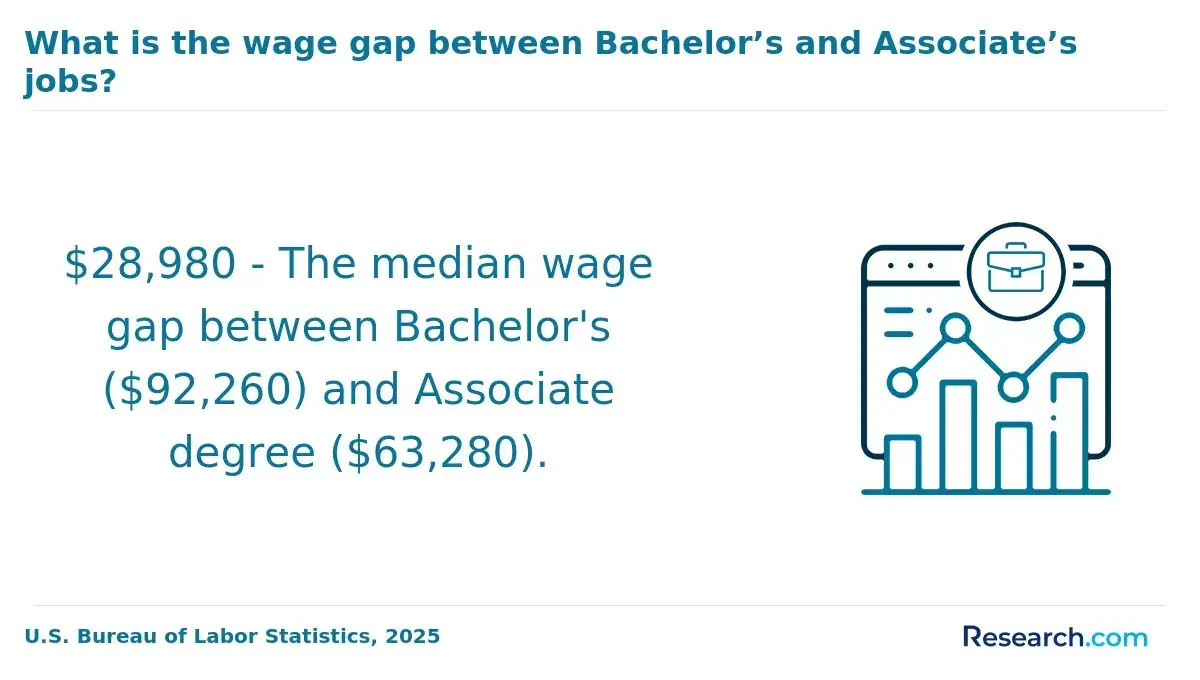
How do MIS-based security roles compare with cybersecurity and computer science paths?
Management Information Systems security roles diverge significantly from cybersecurity and computer science careers by emphasizing IT risk management, governance, and compliance within business operations rather than technical defense or algorithmic work.
For example, an MIS security analyst in healthcare might operationalize HIPAA compliance, converting regulatory mandates into IT controls, while cybersecurity specialists focus on technical threat detection. This practical division illustrates how MIS professionals act as intermediaries bridging technical teams and executives to align risk management with business strategies.
Workforce data illustrates this distinction clearly: the UK government's 2024 Cyber Security Skills in the UK Labour Market report finds that 50% of UK businesses face fundamental cyber skills shortages, with 33% lacking advanced expertise in risk governance. MIS graduates, trained in cross-disciplinary IT, business processes, and governance, are uniquely positioned to fill these complex risk management roles demanded by regulated industries and large enterprises.
When comparing career paths in management information systems security roles vs cybersecurity careers, MIS offers broader strategic positioning but often requires additional cybersecurity certifications or hands-on technical upskilling. Computer science security pathways lean toward deep technical skills such as coding and network forensics, while MIS prepares professionals for leadership roles emphasizing coordination and compliance.
Prospective students evaluating business administration courses online should recognize that MIS security careers demand a blend of communication and governance expertise paired with technical awareness, reflecting evolving employer expectations for integrated IT risk management specialists.
What core MIS courses and skills are most relevant to information security work?
Management information systems courses tailored for cybersecurity roles must deliver technical competence alongside strategic business insight to meet employer expectations. Practical mastery of systems analysis and database management, such as configuring secure access controls to comply with standards like HIPAA and PCI DSS, is fundamental in addressing real-world data protection challenges.
For example, a healthcare organization relying on robust MIS skills can better safeguard patient information by redesigning vulnerable workflows identified through systems analysis.
Core management information systems coursework for cybersecurity roles frequently includes cryptography, network defense, and risk management modules. These build the skillset necessary to detect threats and advise on mitigation effectively. However, curricula lacking direct application to incident response or security policy leave graduates underprepared for managerial positions that require both technical credibility and strategic oversight.
Workforce data reflect the premium placed on these combined capabilities; information security managers, for instance, earn salaries ranging from $150,000 to $225,000 in the U.S. Students aiming to pivot into cybersecurity leadership must therefore pursue programs integrating hands-on labs and interdisciplinary frameworks. This equips them to navigate diverse industry compliance landscapes, from finance to retail to government, and evolving threat vectors.
Those considering accelerated educational pathways should evaluate options such as the fastest online cyber security degree, balancing speed with depth to avoid limiting career advancement.
Do you need specialized certifications to move from MIS into information security roles?
Certifications are a practical necessity for management information systems graduates targeting information security roles, especially SOC analyst positions, where an MIS degree alone is insufficient.
Employers prioritize candidates who demonstrate verified skills in threat detection and incident response through credentials like CompTIA Security+, CISSP, or CEH. This credential validation directly affects employability and starting salaries, with entry-level SOC analyst roles offering $65,000 to $90,000 annually as per Refonte Learning's data.
Graduates without certifications frequently struggle to compete because employers favor demonstrable, job-ready competencies over academic credentials alone. Certification investments bridge gaps in hands-on security, governance, and compliance absent from many MIS curricula. This targeted skill development expedites entry into specialized roles often unreachable through degree coursework alone.
For example, an MIS graduate applying to a healthcare provider's security operations center must secure compliance-driven certifications aligned with HIPAA requirements. Failure to demonstrate these employer-valued credentials may result in exclusion despite relevant academic experience. Maintaining these certifications through renewals is crucial to sustaining market relevance in a fast-evolving cybersecurity landscape.
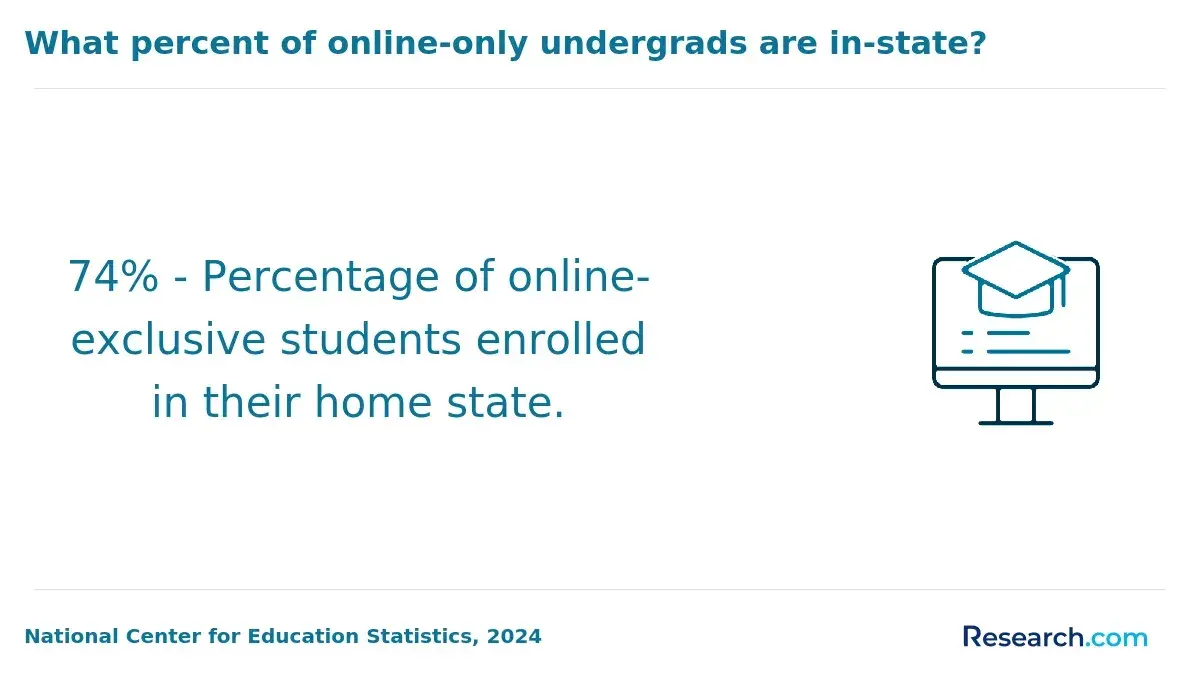
What are typical entry-level and midcareer salaries for MIS-trained information security professionals?
Entry-level salaries for information security roles with a Management Information Systems (MIS) degree in the U.S. generally sit between $60,000 and $80,000 annually, though this varies widely by industry and geographic region.
Early-career MIS professionals aiming at finance or healthcare usually command higher starting pay due to stringent compliance demands like HIPAA and SOX. Conversely, sectors like manufacturing and retail prioritize technical security skills over governance, resulting in slightly lower initial salaries but offering valuable operational experience.
Midcareer professionals with five to eight years of experience often see salaries climb to between $95,000 and $130,000, primarily when they develop specialized skills in governance, risk management, and compliance frameworks such as CISA or CRISC.
Employers emphasize proficiency in audit frameworks and regulatory knowledge, recognizing these capabilities as critical to managing organizational risk and facilitating compliance audits. Over 50% of UK cyber firms reported challenges recruiting candidates with this hybrid expertise, illustrating a broader talent scarcity impacting salary growth and job security.
Tradeoffs exist: MIS graduates who focus on governance and compliance face a more selective hiring market but benefit from greater long-term stability and upward mobility compared to those specializing solely in technical defense. For students prioritizing career resilience, cultivating combined business-security acumen remains a pragmatic path to improving compensation and mitigating hiring friction.
How strong is the job outlook and employer demand for MIS graduates in security roles?
Job prospects for MIS graduates specializing in information security reflect sustained employer demand fueled by increasing cyber threats and regulatory pressures. The World Economic Forum's Future of Jobs Report 2025 places security roles, especially those focused on resilience and operational continuity, among the fastest-growing globally through 2030. However, accessing these roles requires a blend of technical expertise and strategic business knowledge, a gap MIS graduates must carefully navigate.
In practice, candidates who succeed often combine technical certifications such as CISSP or CISM with relevant hands-on experience, frequently gained via internships or cooperative education. Industries including finance, healthcare, and critical infrastructure demonstrate the most pronounced hiring growth due to stringent compliance demands, whereas sectors with less regulation grow more modestly but still require continual vigilance.
Tradeoffs emerge around skill focus: some roles demand deep programming and incident response capabilities, while others prioritize governance and policy within IT frameworks. MIS programs that integrate applied security skills alongside broader systems understanding enable graduates to meet diverse employer expectations.
For example, a risk management specialist at a healthcare organization needs both technical risk assessment skills and the ability to align security policies with patient privacy regulations. This practical balance distinguishes competitive candidates from those relying solely on degree credentials.
How should you evaluate online versus campus MIS programs for information security preparation?
Choosing between online and campus MIS programs hinges on aligning education delivery with specific career and industry demands. Online formats excel in flexibility and typically incorporate current cloud security content critical for positions such as cloud security engineers, who command salaries from $120,000 to $200,000 annually, according to Training Camp's 2025 compensation data.
Conversely, campus programs often provide richer hands-on labs, direct faculty access, and networking vital for roles that emphasize compliance and physical security, common in finance and government sectors.
Employer preference remains significant. Many cybersecurity roles still favor candidates with internships and clear outcomes, often more accessible through campus programs facilitating security clearance and agency partnerships. Online options must demonstrate robust practical components, like incident response simulations, to remain competitive, especially in niche areas such as healthcare cybersecurity, where HIPAA-specific training and tangible experience matter.
Cost and timing also shape this decision. Online programs typically offer accelerated paths suited for working professionals pursuing cloud security roles amid rapid industry adoption, but this convenience may reduce peer interaction and immediate feedback, which are valuable for mastering complex subjects like penetration testing or cryptography.
Aligning your choice tightly with these practical considerations will strongly influence your ability to secure high-value roles aligned with recent compensation trends documented by trusted industry sources.
Which accreditation and program quality indicators matter most for MIS security-focused degrees?
Employers in cybersecurity-focused management information systems (MIS) programs prioritize accreditation from bodies like ABET as a baseline indicator of program rigor and workforce alignment. Programs lacking such accreditation often fail to equip graduates with the technical depth necessary for complex roles such as security architect or cybersecurity analyst, which require applied skills rather than theoretical knowledge alone.
The National Initiative for Cybersecurity Education (NICE) Cybersecurity Workforce Framework provides a practical template for evaluating whether a program's learning outcomes correspond to market-demanded skills and job roles. For example, graduates entering regulated sectors like healthcare must navigate specialized security and compliance challenges that generic curricula often overlook.
Curricular emphasis on hands-on training, such as threat modeling, incident response, and secure system design, directly correlates with advanced career earnings. According to NMSU Global's 2025 cybersecurity compensation analysis, median U.S. salaries for security architects range from $110,594 to $136,809, with senior professionals exceeding $140,000. This salary range reflects the premium employers place on architecture and engineering expertise.
Students should also scrutinize faculty industry experience and partnerships, as these affect access to current threat intelligence and relevant tools. Employers increasingly require certifications like CISSP or CISM paired with a degree, meaning programs without pathways to such credentials may hamper timely employment or career mobility.
How can you choose MIS electives, internships, and projects to target specific security roles?
Aligning MIS electives, internships, and projects to a targeted security role directly impacts employability and compensation, demanding strategic course and experience sequencing. For example, prospective Chief Information Security Officers (CISOs) should prioritize risk management, governance frameworks, and leadership-oriented cyber policy courses, complemented by internships that offer direct exposure to cross-departmental operations and strategic decision-making.
This pathway correlates with median U.S. salaries ranging from $193,250 to $375,798, and top earners exceeding $700,000 with bonuses and equity (Training Camp / NMSU Global, 2025).
In contrast, candidates for roles like security analyst or incident responder need hands-on skills in network security, threat detection, and digital forensics. Internships should focus on event monitoring or penetration testing to meet employer expectations for operational proficiency. Projects simulating intrusion scenarios or developing automated response tools reinforce applied competency.
Those pursuing security auditor or compliance specialist roles must engage with electives on regulatory frameworks such as HIPAA, GDPR, and SOX, and secure internships auditing security policies in specific industries. Projects that craft compliance assessment tools tailored to healthcare or finance sectors address logistical and procedural complexities unique to these environments.
Tradeoffs arise between developing technical depth and strategic breadth. Few internships or projects cover both, so students should sequence experiences, tactical skill-building initially, then strategic exposure, to position themselves for senior roles. Cooperative education or multi-semester internships often lead to higher-value placements, reflecting employer preferences for sustained, integrated learning.
Other Things You Should Know About Management Information Systems
An MIS degree provides a broad foundation in business and technology integration, which can be a double-edged sword for information security roles. While it offers versatility and managerial insights, the lack of deep technical focus on security architecture or advanced cybersecurity techniques may limit immediate qualification for hands-on security positions. Students should supplement the MIS curriculum with targeted technical electives or certifications if their goal is specialized security work, as employers expect demonstrable expertise beyond generalist knowledge.
CompTIA Security+ is the most common entry-level credential for MIS graduates targeting security analyst roles, and many employers also value Certified Ethical Hacker, CISSP for senior roles, and GIAC certifications for incident response. Security+ is often the first certification requested in job postings.
Immediate entry into the workforce can provide practical context and clarify career direction, but many employers expect advanced technical skills for security roles that a stand-alone MIS degree may not fully provide. Pursuing specialization, such as a master's degree or professional certifications in cybersecurity after an MIS degree, enhances credibility and competitive positioning. Candidates should weigh the value of experience against extended education based on their existing skill set and the technical demands of their target roles.
References
- Skills and qualifications needed for a career in cyber security | Morson Talent - The Recruitment Experts https://www.morson.com/skills-and-qualifications-needed-for-a-career-in-cyber-security
- Best Online Cybersecurity Programs https://www.cybersecurityeducationguides.org/best-online-cybersecurity-programs/
- Cyber Security Job Market Update – What’s Behind the Growing Demand for Mid-Level Professionals? | Barclay Simpson https://www.barclaysimpson.com/cyber-security-job-market-update-whats-behind-the-growing-demand-for-mid-level-professionals/
- Computer Science Vs Cybersecurity: An Overview of Two Main Tech Career Paths https://cybertalents.com/blog/computer-science-vs-cyber-security
- How to Get Into Cybersecurity from a General IT Career https://www.cyberdegrees.org/resources/transitioning-from-general-it/
- Cyber Security Salary Guide: What To Expect | Walbrook https://www.walbrook.ac.uk/subjects/cyber-security/cybersecurity-salary-guide/