2027 MIS Specializations for Consulting Careers

Co-Founder and Chief Data Scientist
Mid-career professionals aiming to pivot into consulting with a management information systems background face a critical challenge: choosing a specialization that aligns with fast-evolving employer demands without extending time-to-employment excessively.
Recent National Center for Education Statistics data shows online and hybrid MIS program enrollment increased 23% in 2023, signaling learners prioritize flexibility and speed over traditional full-time study. This shift reflects a workforce valuing agile upskilling but demands nuanced evaluation of specializations that balance practical applicability with recognized credentials.
This article examines top MIS specializations optimized for consulting careers, highlighting how each supports strategic career transitions and real-world employability.
Key Things You Should Know
- Data analytics specializations in management information systems show 23% higher starting salaries but extend degree programs by an average of 6 months, requiring students to balance immediate workforce entry against greater earning potential.
- Employers prioritize candidates with cloud infrastructure and cybersecurity MIS skills, with 68% of consulting firms reporting skills gaps impacting project delivery timelines, emphasizing the need for targeted specialization over broad MIS curricula.
- Certification-integrated MIS tracks reduce training costs by up to 40% post-hire, yet limit exposure to strategic business coursework, affecting long-term consultative flexibility in 41% of surveyed consulting managers.
What are MIS specializations for consulting careers?
Focusing on the right specializations within management information systems consulting career paths can determine a consultant's ability to deliver tangible business outcomes and navigate complex client demands.
For example, data analytics specialists implement data-driven frameworks proven to increase customer acquisition by 23 times and profitability by 19 times, based on McKinsey & Company findings. This specialization requires mastery of predictive modeling and translating insights into strategies that boost client ROI.
Cybersecurity specialization is critical amid escalated risks to corporate data, especially in regulated industries like finance and healthcare. Consultants here must design resilient, compliant security protocols, balancing technical defenses with organizational risk tolerance.
Enterprise systems specialization focuses on optimizing ERP and large software deployments, demanding not only technical expertise but also strong change management capabilities to avoid costly rollouts.
Business intelligence experts develop customized dashboards and KPIs, enhancing clients' real-time decision-making efficiency. IT strategy consultants evaluate legacy infrastructure and align technology roadmaps with business goals, often negotiating tradeoffs between innovation and budget constraints.
Each specialization faces distinct employer expectations and operational tradeoffs, essential considerations for anyone exploring top management information systems specializations for consultants or seeking a strategic pivot in this evolving field.
For those exploring educational options to support these paths, evaluating practical program formats alongside targeted skill development is key; some may also consider a complementary online hospitality management course to broaden management acumen across industries.
Which MIS specialization is best for consulting?
Digital transformation strategy stands out as the most impactful MIS specialization for consulting careers in the United States by 2026. This area aligns directly with the steep rise in global digital transformation spending, forecasted to reach $3.9 trillion by 2027.
Consultants equipped with expertise in technology-driven business redesign, cloud migration, automation, and data analytics integration meet employer demands for navigating complex operational and organizational challenges. Specialists in this field translate IT capabilities into business value, driving efficiency and customer experience improvements.
In practice, a digital transformation consultant might support a financial services firm by implementing AI-driven risk assessment tools to enhance underwriting accuracy and regulatory compliance.
Alternatively, they could assist manufacturing clients with IoT adoption to streamline supply chains and minimize downtime. These real-world outcomes distinguish this specialization from other MIS consulting tracks.
While cybersecurity and database management offer essential technical skills, their narrower focus can restrict consulting roles. Consultants limited to cybersecurity risk missing broader business-process insights, and database management alone is insufficient for enterprise-wide strategic initiatives.
The evolving nature of consulting assignments requires professionals to cultivate project and change management abilities alongside hands-on experience with leading platforms like Salesforce, Azure, and AWS. For prospective students weighing MIS consulting specializations, this practical balance is crucial.
Those seeking a foundational step into the field might also consider exploring an accredited online animal science degree as a comparative example of specialized program outcomes and career alignment.
The choice of MIS specialization heavily influences long-term career trajectory and employability, especially in consulting roles demanding cross-functional leadership and enterprise transformation expertise.
What consulting jobs can MIS graduates get?
The employment landscape for management information systems consulting career paths demands more than technical acumen; it requires navigating complex organizational structures and regulatory mandates. MIS graduates often take on consulting roles centered on technology integration, data management, cybersecurity, and optimizing business processes.
For example, a healthcare provider might engage a consultant to implement secure patient record systems compliant with HIPAA, while a retail chain could leverage MIS expertise to refine inventory control through real-time analytics.
Among the top consulting roles for management information systems graduates, cybersecurity consulting is expanding rapidly. Global spending on cybersecurity is forecasted to rise, positioning MIS professionals with skills in risk assessment and compliance as critical advisors to protect enterprise assets.
However, this specialization blends technical depth with enterprise risk management understanding, making continuous learning essential to remain competitive.
Data analytics consulting also remains in demand. MIS consultants enable firms to extract actionable insights from large datasets by ensuring data pipeline integrity and deploying visualization tools. This role often involves translating technical findings into strategic recommendations tailored to business units.
Implementation and change management roles require balancing technology deployment with organizational culture and stakeholder coordination. Consultants must manage conflicting priorities and adapt solutions to legacy infrastructure challenges—skills that often separate effective MIS consultants from their peers.
Choosing this pathway means committing to ongoing upskilling in emergent technologies like cloud computing and artificial intelligence to maintain relevance across sectors.
Prospective students should assess practical barriers such as entrenched infrastructure and stakeholder dynamics before pursuing these career options, which can be explored further by reviewing online business schools.
What coursework does an MIS consulting concentration include?
Effective MIS consulting coursework requirements primarily address the tension between technical proficiency and practical application in complex organizational settings. The specialization courses in Management Information Systems emphasize enterprise resource planning (ERP) systems, business process modeling, data analytics, and IT project management, preparing students to navigate the $54.8 billion ERP market projected to reach $130 billion by 2030.
This intensifies employer demand for consultants capable of configuring and implementing ERP solutions tailored to industries like manufacturing supply chains, healthcare administration, and retail operations.
Students master translating business workflows into precise technical requirements, supporting cost reduction and efficiency improvements. Coursework integrates enterprise systems analysis and design methods with hands-on ERP suite simulations, data governance, and cybersecurity, reflecting the critical need for risk-aware compliance management amid rising regulatory scrutiny.
This training also prepares candidates for the inevitable tradeoffs between ERP customization and standardization, where over-customization may increase maintenance complexity and long-term costs.
Real-world case studies stress consultant responsibilities extending beyond system design to managing stakeholder communications and facilitating user adoption—a frequent obstacle in technology rollouts.
Additional change management and organizational behavior courses equip consultants to address these barriers effectively. For those aligning MIS consulting with cybersecurity, programs like the fastest cyber security degree pathways complement this analytics emphasis.
What degree level is needed for MIS consulting roles?
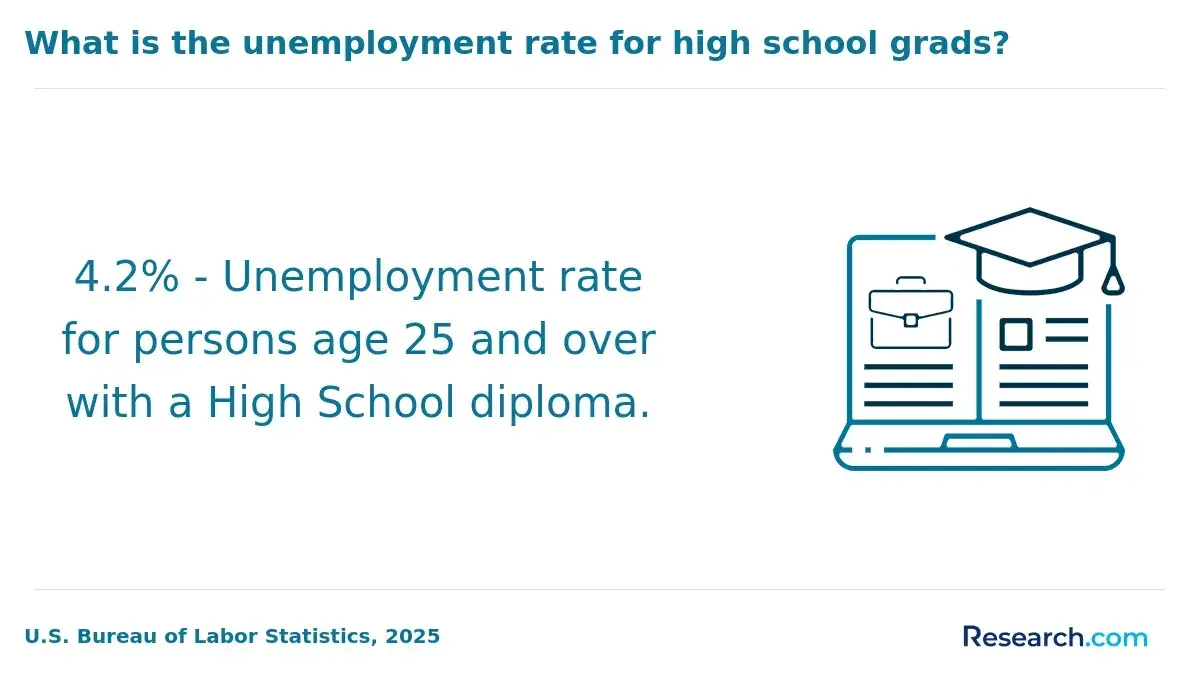
Most entry-level management information systems consulting roles require a bachelor's degree in MIS or a related field like information technology or business analytics. This baseline education combines technical fundamentals with business context, essential for generalist consulting positions.
However, specialization in areas such as governance, risk, and compliance (GRC) often demands advanced credentials; MarketsandMarkets forecasts the GRC market to grow from $15.98 billion to $32.6 billion by 2030, emphasizing the rising employer preference for master's degrees or certifications to manage complex regulatory demands.
Consider an MIS consultant supporting financial institutions: success hinges not just on IT expertise but on navigating intricate compliance frameworks. Such roles increasingly require graduate-level knowledge or industry certifications, reflecting hiring trends valuing project management and data governance skills alongside regulatory proficiency.
For those prioritizing speed to employment, a bachelor's degree paired with internships or practical experience can suffice for many consulting entry points. Yet, breaking into specialized or senior roles typically involves pursuing a master's degree or certifications in cybersecurity, project management, or GRC frameworks.
The practical tradeoff lies in balancing the cost and time investment of graduate education against significantly enhanced employability and career scope in demanding MIS consulting sectors.
Employers notably expect candidates to bring applied skills in systems analysis and risk management; graduates lacking advanced credentials may face barriers entering complex digital transformation projects or regulated industries.
Students must weigh immediate workforce entry against longer-term value and market positioning as consulting services evolve within broader regulatory and strategic contexts.
How do online and campus MIS programs compare?
The choice between online and campus management information systems programs hinges on balancing practical immersion with scheduling flexibility, each affecting long-term career prospects distinctly. Campus programs excel at delivering direct faculty interaction and collaborative projects, essential for roles in industries like manufacturing and finance where immediate problem-solving and network development matter.
For example, on-campus capstone projects often involve local businesses, providing measurable consulting experience highly favored by employers.
Conversely, online programs cater primarily to working professionals or those switching careers, particularly in sectors such as healthcare or retail, where shift work limits consistent campus attendance. These programs offer asynchronous learning but generally lack the immediacy of in-person team dynamics, requiring students to independently cultivate client-facing and analytic skills.
Both formats now cover data quality management, a skill predicted to be a dominant business driver by 2025. However, campus programs often integrate local industry insights more rapidly, aligning curriculum with evolving data governance demands.
Prospective students must therefore assess how each format's networking opportunities, hands-on components, and curriculum relevance align with their career objectives and employer expectations in consulting or strategic analytics roles.
Employer Confidence in Online vs. In-Person Degree Skills, Global 2024

What accreditation should an MIS program have?
Accreditation from bodies like ABET or AACSB shapes the practical value of Management Information Systems programs for consulting roles, especially when employer evaluation hinges on demonstrated competencies rather than credentials alone.
Given the rapid expansion of cloud service investments-projected to grow from $563.6 billion in 2023 to $1.35 trillion by 2027 (IDC)-programs accredited by these organizations increasingly emphasize vendor-neutral cloud skills and measurable graduate outcomes aligned with enterprise needs.
Consider consultants navigating healthcare compliance: those emerging from accredited programs often have formal coursework tied to industry regulations, equipping them to manage complex governance requirements that uncertified programs may neglect. This curricular rigor translates directly to job readiness and differentiates candidates in competitive markets.
Prospective students should also scrutinize the presence of case-based projects replicating real consulting scenarios—such as cloud migration strategies or digital transformation initiatives—to avoid gaps between academic training and client-facing expectations.
Employers consistently report that graduates from nonaccredited or insufficiently practical programs face adjustment delays that impact early career momentum.
How long does an MIS degree take to finish?
Choosing the appropriate management information systems degree track requires weighing time investment against immediate labor market demands. A full-time undergraduate MIS degree typically spans four years, but accelerated options can reduce this to three for students with transfer credits or summer enrollment. Part-time pathways extend the timeline to five or six years, suitable mainly for working professionals balancing employment.
Graduate MIS programs condense study to one to two years full-time, with many offering part-time or hybrid formats catering to those maintaining workforce engagement.
Key practical considerations include prerequisite fulfillment in IT or business fundamentals, which may prolong undergraduate completion if unmet. For example, a mid-career professional pivoting to MIS consulting might favor a part-time two-year master's over a full bachelor's to expedite entry without sacrificing depth. Employers increasingly prioritize candidates demonstrating not only technical proficiency but also effective change management skills.
Prosci's 2024 Best Practices in Change Management report shows projects with robust change management are six times more likely to succeed, emphasizing the strategic value of coursework that integrates organizational change methodologies.
Decisions around MIS educational routes should reflect these tradeoffs:
- Full-time undergraduate: solid foundation but longer path
- Accelerated or transfer: faster completion, requires upfront planning
- Part-time graduate: rapid market reentry with flexible scheduling
- Emphasis on change management skills enhances employability
What salaries do MIS consultants earn?
Salary trajectories for MIS consultants vary sharply depending on specialization and experience, with entry-level roles starting near $70,000 and senior consultants surpassing $130,000 annually. Median base pay sits around $95,000 in the U.S., but those focusing on CRM or ERP systems command premiums due to increased technical demand and direct business impact.
Specializing in CRM can boost compensation by 10% to 20%, reflecting the expanding CRM market projected to reach $163.2 billion by 2030 with a CAGR of 12.5%.
Practical success in MIS consulting hinges on blending technical skills with business insight and communication—especially in sectors like healthcare or finance where integration with complex systems (e.g., electronic health records) is key. Candidates lacking relevant certifications in CRM or ERP tools risk stagnating in salary growth.
Employers increasingly seek consultants who demonstrate tangible ROI through system optimization, often favoring those with combined expertise in data analytics or process improvement. Prospective consultants should strategically pursue targeted certifications and real-world projects to meet these evolving demands.
What certifications help MIS consulting careers?
Certifications in Management Information Systems that combine technical expertise with business strategy often shape the practical contours of consulting careers, particularly in specialized domains such as ERP, data analytics, cybersecurity, and AI integration.
Employers hiring MIS consultants in regulated industries frequently require credentials like Certified Information Systems Auditor (CISA), which emphasizes IT audit and control capabilities essential for compliance-driven environments such as finance and healthcare.
Similarly, Project Management Professional (PMP) certification remains a standard for those overseeing complex system deployments, directly impacting project delivery timelines and budget adherence.
Given the rapid increase in AI investment-expected to surpass $500 billion by 2027-professionals with AI-related certifications from leading cloud providers or specialized bodies gain a critical advantage. This is more than credential accumulation; consultants who integrate AI into MIS workflows actively influence operational efficiency in sectors such as manufacturing or retail, where automation and predictive analytics transform decision-making processes.
Data analytics certifications like Certified Analytics Professional (CAP) or Google's Data Analytics Certificate also address a growing need to translate large datasets into actionable business strategies. These are especially valuable for consultants engaging mid-sized firms or startups, where data-driven insight often defines competitive positioning.
The decision to pursue certifications requires balancing: PMP and CISA demand rigorous work experience and exam preparation alongside active projects, while vendor-specific AI and cloud credentials tend to be quicker to obtain but may carry narrower market recognition. Weighing these tradeoffs against immediate career objectives is critical for professionals seeking realistic advancement paths in management information systems.
Other Things You Should Know About Management Information Systems
In 2027, a management information systems degree offers diverse career paths in consulting across technology, healthcare, finance, and more. The program equips students with adaptable skills perfect for addressing industry-specific challenges and implementing solutions.
Business intelligence and data analytics add the most direct value for analytics consulting jobs in 2027. These tracks usually require coursework in SQL, data visualization, data warehousing, and predictive analytics, plus a capstone or internship that shows client-facing problem solving and reporting skills.
Employers frequently prefer candidates with specialization within MIS that matches their business needs. Specialized tracks signal focused expertise and can reduce on-the-job training time. That said, in consulting, a broad MIS foundation with adaptable skills is sometimes more valuable to navigate diverse client challenges. Prioritize specialized tracks only if they directly enhance your target consulting niche or industry.
Real-world experience often outweighs academic credentials alone in consulting hiring decisions. Internships, co-ops, or project-based learning embedded in the MIS program provide practical insights that align with employer expectations. Absence of such experience can limit interview success, regardless of GPA or technical knowledge. Candidates should actively seek programs or opportunities that integrate applied learning to balance theory with practical application.
References
- Top Certifications for Management Information Systems Today https://ultimatemanagementsystem.com/best-certifications-for-management-information-systems/
- Management Information Systems | MIS Degree | University of Phoenix https://www.phoenix.edu/online-information-technology-degrees/information-systems-competency-based-degree.html
- How long does it take to get a degree in computer information systems? | CompuInfoSystems https://compuinfosystems.com/resources/how-long-does-it-take-to-get-a-degree-in-computer-information-systems
- Online MIS Degrees | Accounting.com https://www.accounting.com/degrees/information-systems/masters/
- Why Professional IT Certifications Matter | MIS Solutions https://www.mis-solutions.com/2023/12/why-professional-it-certifications-matter/
- Online vs Campus Information Systems Degree Programs: Complete Comparison https://hakia.com/compare/information-systems-online-vs-campus/
- Management Information Systems (MIS) Concentration - School of Business https://www.uwb.edu/business/undergraduate/bachelor-of-business-administration/mis
- Top 5 Careers For Management Information Systems (MIS) Majors https://cdbusiness.ksu.edu/videos/top-5-careers-for-management-information-systems-mis-majors/
- Degree Certificates for Management Consultants Guide https://www.casebasix.com/pages/degree-certificates-for-management-consultants
- Salary of consultants | Consultancy.eu https://www.consultancy.eu/career/salary-of-consultants