2027 Best States for MIS Career Growth

Co-Founder and Chief Data Scientist
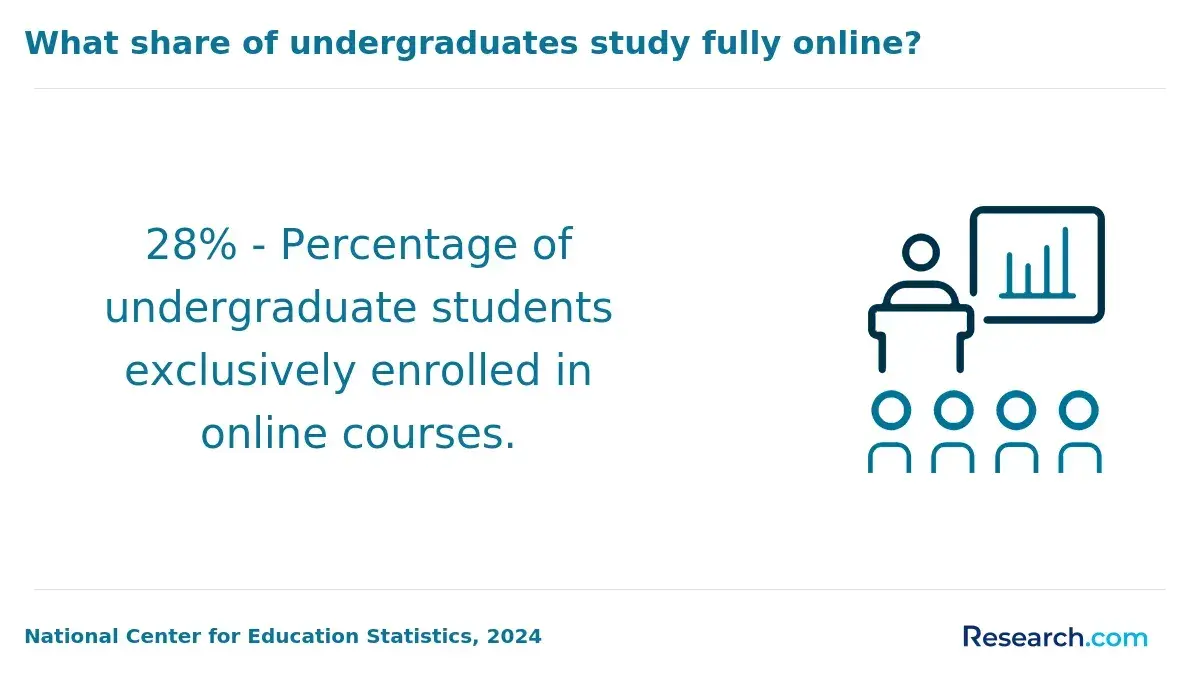
Aspiring MIS professionals often face a high-stakes dilemma: selecting a state that aligns with career growth opportunities while balancing cost of living and access to flexible education. Recent data from the National Center for Education Statistics reveals a 22% rise in online MIS program enrollments among working adults since 2022, illustrating a growing demand for remote learning combined with local employment markets.
This shift underscores the critical need to identify states offering not only vibrant job markets but also adaptive education systems that accommodate career pivoters. This article evaluates which states deliver optimal conditions for MIS career advancement by integrating employment trends, education access, and long-term economic factors.
Key Things You Should Know
- States with over 15% growth in MIS roles by 2028, per BLS data, often correlate with tech-driven economies but require accepting higher living costs and competitive job markets, impacting net career gain.
- Employers in top MIS states prioritize candidates from programs with embedded data analytics and cybersecurity skills, shifting hiring away from traditional MIS-focused graduates and influencing workforce upskilling demands.
- Average degree completion times in high-demand MIS states exceed national norms by 20%, elevating opportunity costs; accelerated credentials hitch on partnerships with local industries for real-time experience.
What are the best states for MIS career growth?
Choosing the best states for management information systems career advancement requires weighing salary potential against job availability and industry concentration. California leads with the highest average MIS salary of $70,285 and 3,010 job openings, making it a top choice for new graduates targeting entry-level IT roles within a diverse economy. However, the tradeoff includes high competition and a significant cost of living.
Delaware ranks first among top regions for management information systems job growth by average pay at $68,715, but it offers only 130 positions. This favors seasoned professionals pursuing specialized roles in finance or niche sectors, though limited volume heightens job search risks and potential relocation.
Recruiting activity in states like Texas, New York, and Illinois supports steady MIS role growth in finance, manufacturing, and technology. These markets generally provide more moderate salaries compared to California or Delaware but present consistent opportunities for mid-career professionals.
Effective career navigation involves assessing state-specific employer demands, industry clusters, and cost of living alongside average salary and job counts. Individuals should also explore educational pathways aligned with regional markets; for example, pursuing a hotel and restaurant management degree online may complement MIS skills in industries with cross-sector IT needs.
Which MIS jobs are in highest demand?
Roles combining advanced data management with strategic operations dominate the highest demand MIS jobs in top US states for 2026, emphasizing measurable impact over generic skill sets. Data analysts, cybersecurity specialists, systems analysts, and IT project managers form the core workforce needed to navigate evolving technical and regulatory environments.
For instance, healthcare organizations rely heavily on systems analysts and project managers to ensure electronic health record systems meet compliance standards, while financial firms prioritize cybersecurity specialists to protect sensitive client data.
Hiring decisions mirror the localized nature of demand, with Virginia leading in tech-focused MIS job postings at 14%, outpacing Washington and New Jersey. This geographic concentration reflects industry-specific pressures and regulatory nuances shaping the highest demand management information systems roles by state. Candidates considering relocation must balance opportunity density against cost of living and the prevalent sector mix in these regions.
Employers expect MIS graduates to present tangible qualifications such as hands-on experience with enterprise resource planning software and cybersecurity frameworks.
Career switchers face the dual challenge of obtaining relevant certifications alongside managing timelines realistically to reduce onboarding friction. Strategic specialization magnifies employability by aligning training with market realities, directly addressing employer expectations and improving retention rates.
Those searching for relevant educational pathways may also examine related areas such as animal science degree online programs to gauge cost structures and logistical tradeoffs, illustrating the importance of a comprehensive, practical approach to program selection when pivoting careers within or alongside MIS fields.
What MIS degree do employers prefer?
Employers prioritize bachelor's degrees in Management Information Systems that integrate technical skills with business knowledge, especially those offering practical experience in systems analysis, database management, cybersecurity, and data analytics.
Employers value graduates proficient in SQL and Python programming languages complemented by project management and organizational strategy coursework, aligning with workforce needs for early-career hires. These preferred MIS degree programs in top US states demonstrate clear advantages over purely technical IT degrees, which often lack essential business context and struggle in sectors demanding cross-functional communication and strategic insight.
For instance, healthcare employers emphasize familiarity with regulatory compliance and electronic health records integration-areas frequently absent in generic IT programs-whereas retail and finance favor expertise in supply chain analytics or financial information systems.
Key regional job markets such as Atlanta, Orlando, and Salt Lake City rank highly based on job availability, salary benchmarks, and growth potential; here, certifications or coursework related to cloud computing and enterprise resource planning platforms are increasingly requested.
Professionals considering career pivots find that supplementing an MIS degree with internships or certifications in specialized tech stacks improves employment outcomes by closing gaps in domain knowledge and business process experience. Demonstrable problem-solving through capstone projects or cooperative education notably influences starting salary prospects and job retention.
Individuals seeking the best online nutrition degree pathways or related fields should weigh these practical factors when evaluating degrees for career growth in Management Information Systems in the United States.
How do online and campus MIS programs compare?
Choosing between online and campus MIS programs hinges on tangible tradeoffs tied to career trajectory and workforce integration. Campus programs create structured environments with direct access to hands-on labs, synchronous team projects, and in-person networking, advantages that align closely with employer expectations in sectors like healthcare and manufacturing, where practical skills and collaboration are essential.
These settings also enhance development of soft skills and real-time problem-solving abilities that hiring managers actively seek.
In contrast, online MIS degrees offer crucial flexibility for working professionals pivoting careers, enabling them to maintain employment while applying fresh knowledge immediately.
However, their limited peer immersion and fewer spontaneous networking opportunities can slow progress in leadership skill-building vital for mid-level roles. Students enrolling remotely must therefore cultivate proactive strategies to compensate for fewer mentorship and internship connections.
Nevada leads in MIS career growth at +2.2% year-over-year, representing a strong opportunity for those targeting expanding tech-focused markets; California's surge of 120,500 new jobs offers vast industry exposure that benefits graduates seeking diverse employment options.
Prospective online students should weigh these regional dynamics carefully, as local industry concentration largely influences internship prospects and networking success.
For those exploring interdisciplinary pathways, exploring artificial intelligence degree programs can complement MIS skills in data-driven industries.
Balancing convenience with employer valuation means understanding how each mode-online or campus-influences both skill acquisition and market visibility within the best states for MIS career growth.
What accreditation should an MIS program have?
Program accreditation in management information systems (MIS) directly impacts graduate employability, especially in tech-heavy job markets like California and Texas. Employers in these states, which feature tens of thousands of tech job postings annually, often prefer candidates from programs accredited by both regional agencies and the Association to Advance Collegiate Schools of Business (AACSB).
This dual accreditation signals a program's alignment with industry standards that integrate IT skills with business strategy, a necessity for roles such as IT project management and systems analysis.
Candidates from non-accredited or purely online institutions may encounter credibility challenges when entering sectors sensitive to data integrity and regulatory compliance, including healthcare and finance. Such differences in program recognition can affect hiring decisions and career trajectory.
Mid-career professionals pivoting to MIS must scrutinize program accreditation to maximize transfer credits and ensure eligibility for certifications like Certified Information Systems Auditor (CISA) or Project Management Professional (PMP).
These credentials increasingly mandate coursework from accredited programs, reinforcing accreditation's gatekeeping function for advanced professional qualifications and higher salaries.
Key practical considerations include:
- Regional plus AACSB accreditation is often essential for prestigious corporate and government roles.
- Accreditation status influences professional certification pathways and industry credibility.
- Location matters-tech-centric markets demand credentials aligned with recognized academic and business standards.
What courses are included in an MIS curriculum?
Effective management information systems curricula fuse technical IT competencies with business process understanding, but graduates face tangible workforce implications based on curriculum depth.
For example, students lacking substantive exposure to cybersecurity and data management risk limited employability in states like Florida, Tennessee, and Arizona, where remote MIS-related roles are growing due to talent migration from higher-cost regions. This geographic shift creates distinct market dynamics that practical MIS programs must address.
The core curriculum typically covers SQL-driven database management, systems analysis using UML and Agile frameworks, and essential networking protocols including TCP/IP and cybersecurity fundamentals.
However, the critical differentiator lies in integrating hands-on experience with enterprise resource planning systems and project management tools such as Microsoft Project or Jira to develop real-world operational proficiency.
Graduates frequently need advanced skills in data analytics platforms like Excel, Tableau, or Power BI to translate raw data into actionable insights that businesses demand. Electives in cloud computing and emerging technologies also determine adaptability to scalable IT environments, crucial for securing remote and flexible roles.
Students must critically evaluate whether programs balance theoretical knowledge with immersive, experiential learning-this distinction substantially affects professional readiness and long-term career trajectory in Management Information Systems.
What are typical MIS admission requirements?
Admission standards for master's programs in Management Information Systems emphasize quantifiable academic and professional benchmarks due to employer expectations and practical career outcomes.
Applicants typically need a bachelor's degree in business, computer science, engineering, or a closely related discipline, with demonstrated quantitative aptitude from courses like statistics or data analysis. A minimum GPA around 3.0 is common, underscoring baseline academic competence.
Work experience in IT, analytics, or business operations ranging from one to three years often differentiates candidates, as admissions committees associate this with a realistic grasp of technology's organizational impact.
Candidates lacking relevant experience might be required to offset gaps with stronger GRE or GMAT scores or supplementary coursework. International applicants must submit TOEFL or IELTS results to verify English proficiency.
Financially, tuition for MIS master's programs in the United States generally falls between $40,000 and $70,000 annually, with living costs adding approximately $12,000 to $20,000 per year. This expense compels candidates to weigh geographic salary differentials, with states like California, Washington, and Massachusetts offering higher earning potential that can affect return on investment.
Successful applicants prepare resumes, recommendations, and statements of purpose articulating technology-driven strategic goals, especially in sectors such as healthcare or finance, where compliance and data security expertise influence selection. Admissions also consider certifications or sector-specific knowledge that correlate with employability and long-term career trajectories.
How long does an MIS degree take and cost?
Pursuing a bachelor's degree in Management Information Systems typically involves a four-year full-time commitment, though accelerated or part-time programs offer flexibility at the cost of time or intensity tradeoffs.
Tuition ranges from approximately $40,000 to $120,000 total, with public in-state students paying closer to $11,000 annually and private institution fees averaging over $38,000 per year. Beyond tuition, students must budget for around $15,000 yearly in living expenses, textbooks, and technology costs-factors that dramatically affect overall investment.
Choosing the right timing and format hinges on career goals and labor market conditions. For example, a working professional transitioning into MIS might prefer a part-time online degree to maintain income, accepting a delayed salary bump and longer study period.
Conversely, recent high school graduates aiming for rapid entry into well-paying MIS roles benefit from traditional four-year degrees in states like California, Texas, or Washington, where regional salary premiums often offset higher tuition costs.
Employers prioritize candidates with practical experience, making programs with internships or cooperative education essential despite potentially longer degree durations. Financial aid and residency status also heavily impact net costs and return on investment. Ultimately, the decision involves evaluating local job market strength, financial tradeoffs, and how the degree's length aligns with individual earning timelines.
What salaries can MIS graduates expect?
Salary outcomes for MIS graduates vary significantly by location, industry, and role specificity, making geographic and sector choices key strategic decisions. Graduates in 2026 typically see starting salaries ranging from $65,000 to $85,000, while mid-career professionals with three to seven years of experience earn between $90,000 and $120,000. Senior managers and directors often surpass $140,000 annually.
Regions like Utah demonstrate how regional industry growth directly impacts compensation, with salaries $10,000 to $15,000 above the national median due to strong demand in SaaS, fintech, and professional services. In contrast, slower-growing areas offer comparatively lower pay and fewer advancement opportunities, underscoring the need to factor local labor market dynamics into career planning.
Practical workforce implications emphasize specialization in emerging fields such as cloud services, cybersecurity, or data analytics. For instance, fintech MIS analysts holding data security certifications can command at least 15% higher salaries than uncertified peers.
Cost-of-living is a critical tradeoff often overlooked: states like California or New York offer high nominal pay that may barely outpace living expenses. Graduates seeking optimal salary-to-cost-of-living ratios benefit from targeting high-growth states like Utah coupled with in-demand MIS skills.
What certifications improve MIS career prospects?
Certifications in management information systems directly influence employability by aligning technical capability with industry-specific demands and leadership requirements. For example, PMP certification is notably valuable for MIS professionals managing multifaceted projects in regulated fields like healthcare, where compliance and interdisciplinary coordination are critical.
Security-focused roles often prioritize CISSP certification due to its rigorous standards in data protection and regulatory adherence, particularly in finance and government sectors. Employers weigh CISSP heavily when MIS duties intersect with cybersecurity, reflecting both higher responsibility and compensation potential.
Technical certifications such as Cisco Certified Network Associate (CCNA) and Microsoft Certified: Azure Fundamentals serve as indicators of practical expertise in networking and cloud environments. These credentials are increasingly pivotal for mid-career MIS professionals pivoting toward cloud infrastructure roles, especially in technology-intensive states with concentrated job growth.
The U.S. Bureau of Labor Statistics projects over 100,000 new IT manager openings from 2024 to 2034, emphasizing steady demand. However, certification benefits come with tradeoffs: renewal requirements and time investment may challenge working professionals balancing immediate job demands. Strategic selection of certifications based on industry alignment and regional market growth improves ROI and market positioning.
Other Things You Should Know About Management Information Systems
California, Texas, New York, Virginia, and Washington typically have the highest concentration of MIS employers in 2027. These states combine large headquarters clusters, government contractors, and tech firms that hire business systems analysts, IT managers, and database administrators.
Specializing in areas like cybersecurity, data analytics, or enterprise resource planning can increase marketability but may limit flexibility if the job market shifts or your interests change. For a sustainable career, prioritize broad MIS competencies initially and choose specializations that align with regional industry demands and personal career goals. This balanced approach improves adaptability while ensuring relevant expertise.
A bachelor's degree in MIS meets entry-level requirements for many roles, but employers increasingly prefer master's degrees for leadership and specialized positions. The master's demands more time and financial investment but significantly enhances strategic thinking and management skills. If you aim for accelerated advancement or roles involving complex system design, prioritize a master's; otherwise, a bachelor's with relevant certifications and experience may suffice.
Employer expectations vary by region, influenced by dominant industries and technological needs. In tech-heavy states, programs offering cutting-edge technical skills and innovation projects are favored, while states with strong manufacturing or healthcare sectors require MIS graduates versed in industry-specific applications. Choose an MIS program aligned with the local job market's competency demands to maximize employment prospects and career growth.
References
- Management Information Systems Degree https://www.ut.edu/academics/sykes-college-of-business/information-and-technology-management-itm-degrees/management-information-systems-degree
- How to Get Into Management Information Systems | CSU Global https://csuglobal.edu/blog/how-to-get-into-management-information-systems
- Exploring a Career in Management Information Systems https://www.icacourse.in/blog/exploring-a-career-in-management-information-systems
- Masters in Management Information Systems: MS in MIS - MBA Crystal Ball https://www.mbacrystalball.com/masters-degree/management-information-systems-mis/
- Management Information Systems Concentration https://www.muw.edu/business/bba/mis/
- Masters in Management Information Systems | MIS Degree Guide https://www.itcareerfinder.com/degree-programs/masters-in-management-information-systems.html
- MIS in USA: Top Universities, Eligibility, Cost, and Salaries | YMGrad https://ymgrad.com/article/mis-in-usa
- Management Information Systems | MIS Degree | University of Phoenix https://www.phoenix.edu/online-information-technology-degrees/information-systems-competency-based-degree.html
- MIS Curriculum https://mis.bogazici.edu.tr/content/mis-curriculum
- 6 IT Certifications That Can Boost Your Career - Vernovis https://vernovis.com/blog/6-it-certifications-that-can-boost-your-career/