2027 Online Management Information Systems Degrees With Strong Database Training

Co-Founder and Chief Data Scientist
Facing a technology-driven project with a limited understanding of advanced database management can stall an MIS professional's progress, risking project delays or failure. The Bureau of Labor Statistics projects 15% growth in computer and information systems manager roles over the next decade, intensifying competition that demands deep technical competence alongside management skills.
Meanwhile, the National Center for Education Statistics shows a 12% annual rise in adult enrollment in online degree programs, reflecting a shift toward flexible learning tailored for working professionals. This surge indicates both greater access and increased urgency for programs combining practical database training with MIS theory.
This article evaluates online MIS degrees that integrate strong database curricula, helping prospective students select programs aligned with workforce demands and career advancement imperatives.
Key Things You Should Know
- Employers rank hands-on database skills 35% higher than theoretical MIS knowledge for mid-level roles, making programs with practical SQL and NoSQL integration critical for career advancement per 2024 Gartner workforce analysis.
- Graduates from online MIS degrees with embedded database projects report 22% faster job placement but accept 9% lower starting salaries, reflecting a tradeoff between time-to-employment and initial compensation in evolving tech markets.
- Federal data shows 27% of accredited online Management Information Systems degrees lack synchronous labs, increasing access but risking skill proficiency gaps that can delay senior role eligibility by 18-24 months.
What is an online management information systems degree with a database-focused curriculum?
An online management information systems degree with strong database training addresses a tangible hiring gap: 58% of U.S. employers report difficulty filling database and data management roles. This shortage elevates the market value of professionals capable of building and securing scalable database systems within complex organizational environments.
This database-focused curriculum in management information systems online program emphasizes practical skills in SQL programming, data modeling, and administration of enterprise platforms like Oracle and Microsoft SQL Server. Graduates are positioned to manage large data repositories critical for regulatory compliance, customer relationship management, and real-time business intelligence-functions increasingly demanded by employers in finance, healthcare, retail, and manufacturing.
Working professionals considering this degree must weigh the substantial time commitment required for technical mastery, including virtual labs and collaborative projects, balanced against the direct career pathways it enables-roles such as database administrator, data analyst, or systems architect that often do not require job interruption.
Key considerations for choosing a program include alignment with evolving employer expectations and inclusion of current database management tools, as these factors directly influence employability and career mobility. For those exploring related fields, research on the best GIS programs offers useful comparative insights into specialized data-driven degrees.
How do online MIS programs compare with on-campus options for database training quality?
Online management information systems vs on-campus database training quality reveals distinct operational differences that impact skill acquisition and employability. Online programs increasingly deliver practical database instruction through virtual labs, industry-standard tools, and simulations, but often lack the immediacy of faculty-led, real-time collaboration found on campus.
This tradeoff is significant in high-stakes fields like finance and healthcare where mastering complex database troubleshooting and ensuring data integrity requires more interactive, hands-on exposure.
Employment projections indicate an 8% growth for database administrators and architects from 2022 to 2032, with about 10,200 annual openings. Programs emphasizing applied practice aligned with labor market demands tend to produce better job placement outcomes irrespective of delivery mode.
Yet online learners must compensate for reduced face-to-face interaction by engaging proactively with virtual labs, internships, or live projects to develop employer-valued, verifiable experience.
Effectiveness of database instruction in online management information systems programs depends largely on the program's investment in real-world software access and capstone projects.
On-campus students benefit from easier access to campus resources and collaborative assignments, critical for sectors prioritizing project-based expertise. Working professionals pivoting careers gain flexibility online but must maintain disciplined schedules and robust technical infrastructure to attain equivalent proficiency.
Prospective students should assess how programs integrate cloud database environments, faculty mentorship, and employer networks, as these affect practical readiness and narrowing skill gaps.
For those weighing degree options, examining resources beyond curriculum descriptions can clarify which path best supports applied learning outcomes and long-term career impact in MIS roles. Explore top options including the computer science degree online for comparative insight.
What types of online MIS degrees offer strong database coursework and specializations?
Online management information systems degrees with database specialization tend to command a wage premium because they directly address employer needs for robust database skills in enterprise environments.
Graduates from management information systems programs focused on database management fill roles such as database administrators and architects, who had a median annual income of $112,120 in 2023 versus the general workforce median of $48,060.
This gap underscores how specialized database expertise in program curricula-including advanced SQL, data warehousing, and security-aligns tightly with operational continuity and compliance demands.
Programs that integrate hands-on labs with relational and NoSQL databases while offering electives such as cloud database administration or data governance provide flexibility to meet sector-specific needs.
For instance, healthcare IT professionals benefit from HIPAA-compliant database security training, while manufacturing emphasizes supply chain traceability through tailored database schema design.
This context clarifies why some students prioritize degrees with explicit database tracks over more generalist management information systems degrees, as the former better prepare graduates for architect-level roles requiring complex data framework design.
One common tradeoff is purely theoretical database coursework that lacks integration into a broader strategic MIS context, which can leave students underprepared for decision-making roles employers seek.
Strong online MIS programs stay current by incorporating emerging tools like AI-driven database optimization and distributed ledger technologies, with project-based learning enabling learners to hit the ground running. Prospective students can gauge pathways' financial feasibility by reviewing how much is a business degree online.
What core MIS and database courses can you expect in these online programs?
Online programs that emphasize core management information systems courses with hands-on database training must balance technical rigor with strategic applicability to meet real employer needs.
Coursework frequently covers database management and analysis classes in online MIS degree programs, focusing on SQL programming, normalization, data modeling, and query optimization for practical problem-solving. This foundational knowledge supports roles where designing scalable, maintainable databases is critical, such as healthcare analytics or financial data auditing.
Beyond technical skills, these degrees integrate information systems design with system analysis and project management, enabling graduates to address end-to-end organizational requirements.
Practical challenges include maintaining data security and aligning with compliance standards, areas addressed by advanced courses emphasizing risk mitigation and governance. Employers expect proficiency not only in maintaining databases but also in turning data into actionable business insights using analytics platforms and cloud database solutions.
Graduates typically need ongoing self-study or certifications to keep pace with specialized fields like cybersecurity and cloud computing-skills often only partially covered in standard curriculums. This reality means students should assess how well coursework matches immediate workforce demands before enrolling.
A 2024 survey from the Society for Human Resource Management confirms that 71% of U.S. employers view online degrees from accredited institutions as credible in IT roles, reinforcing the value of programs with real-world labs and current platforms such as Oracle or AWS databases.
For those exploring supplementary specialization, the best cybersecurity courses offer targeted skills that can enhance MIS credentials and marketability in competitive sectors.
What are the typical admission requirements for online MIS degrees emphasizing databases?
Admission to online management information systems degrees with a database emphasis often hinges on a nuanced balance between academic credentials, demonstrated technical skills, and relevant professional experience.
Candidates without a related bachelor's degree in business, IT, or computer science typically face prerequisite coursework in programming or statistics, which can extend the time and cost burden of the degree. The inclusion of GRE scores is fading but may persist in competitive programs.
For professionals, at least 1-2 years of direct experience with database management-SQL, data warehousing, or business intelligence-significantly improves admission chances and aligns with employer demand. Gartner's 2024 data shows a sharp rise in database technology investment while highlighting skilled staffing shortages, meaning hands-on expertise often trumps purely academic preparation.
Technical proficiency is assessed through prior courses or portfolios showcasing familiarity with DBMS such as Oracle or MySQL. Many programs require assessments targeting programming logic and database concepts rather than relying solely on transcripts.
International applicants must satisfy English proficiency through TOEFL or IELTS scores and provide recommendation letters emphasizing analytical and independent learning capabilities.
- Applicants lacking database experience risk longer study periods or restricted program access.
- The decision to pursue this pathway should weigh current skill alignment with employer needs to avoid inefficiencies in time and financial investment.
- Programs target candidates ready to meet growing labor market demands amid rising database technology investments.
How long do online MIS programs take and what do they typically cost?
Completion time for Management Information Systems (MIS) undergraduate programs varies substantially, with flexible pacing increasingly necessary for working adults balancing employment and education. Full-time tracks typically last four years, but accelerated options can shorten this to two or three years, while part-time study may extend beyond four years.
For instance, a full-time student targeting a rapid workforce entry might finish in three years, whereas professionals working full time often require five years to avoid income disruption. These scheduling choices directly affect time-to-employment and financial exposure.
Cost structures for MIS degrees differ significantly by institution and residency status. Public universities generally charge between $300 and $600 per credit hour for in-state online students, doubling for out-of-state learners, while private programs range from $700 to $900 per credit hour.
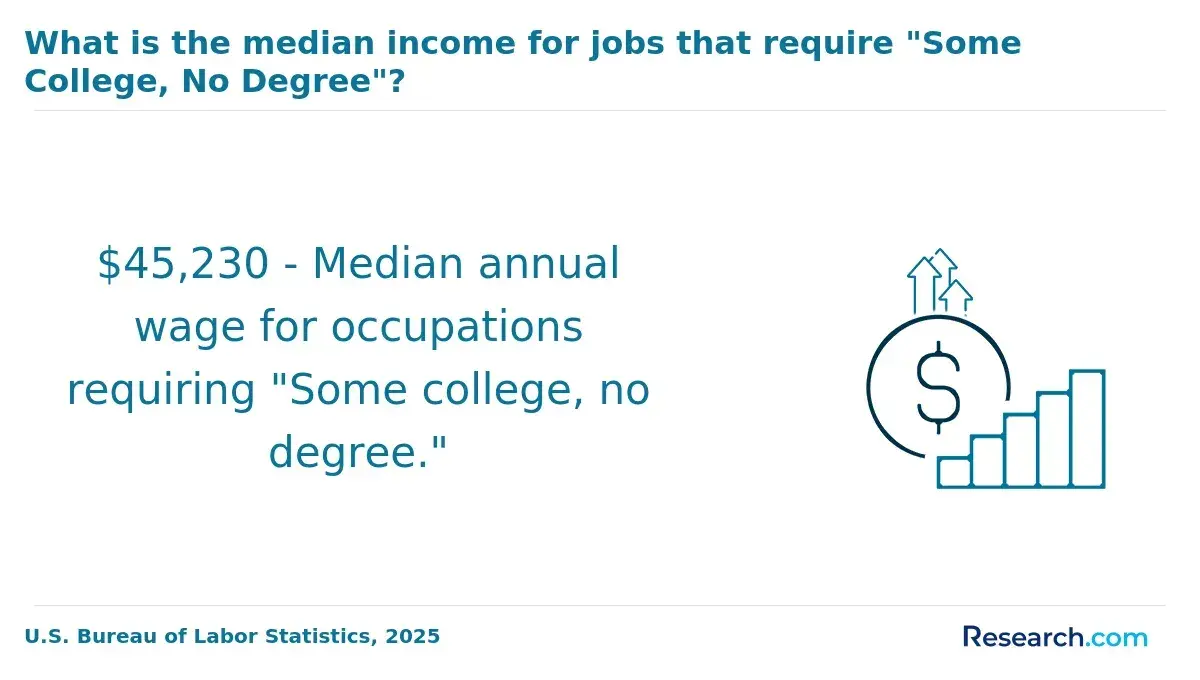
Overall, total costs span roughly $15,000 to $40,000, excluding fees and materials. Employer tuition assistance can mitigate expenses, but students must balance upfront costs with potential salary gains that stem from advanced database and compliance skills highly valued in industries like healthcare and finance.
Prospective students should weigh these tradeoffs:
- Accelerated programs expedite qualifications but demand disciplined time management and may intensify financial outlays per term.
- Longer durations spread tuition costs but delay access to improved job opportunities.
- Workforce requirements emphasizing regulatory and data security expertise shape employer expectations and influence ROI on the degree.
Aligning program length and budgeting with realistic career timelines and labor market conditions is vital for making MIS education an effective strategy for professional pivot or advancement.
How can you verify accreditation and avoid low-quality or unrecognized online MIS programs?
Accreditation validation strongly influences employability and career trajectory for students pursuing an online management information systems degree.
Many employers in fields such as finance, healthcare, and technology require degrees from regionally accredited institutions because this signals adherence to rigorous academic and operational standards. Choosing an unaccredited program, even if less expensive, risks producing graduates who face skepticism during hiring or promotion processes due to questionable curriculum quality.
Specialized accreditation from bodies like AACSB, ABET, or ACBSP further distinguishes programs by confirming the depth of technical and managerial instruction. For instance, an ABET-accredited online MIS program enhances readiness for roles focused on applied IT skills such as database administration-competencies often tested in technical interviews.
Tradeoffs between cost and value matter. Public four-year online programs charge an average of $333 per credit versus $1,160 at private nonprofits, making public options fiscally attractive if accredited. Yet, cost savings lose impact if the program lacks transparency in outcomes like graduation rates and job placement records.
An IT analyst pivoting to database management must prioritize accredited programs with verifiable employer partnerships to avoid stalled progression in competitive markets. Evaluating institutional and program credibility beyond sticker price guards against detours that undermine strategic career moves.
- Confirm accreditation through recognized agencies approved by the U.S. Department of Education or CHEA.
- Verify specialized accreditations (AACSB, ABET, ACBSP) for technical and managerial rigor.
- Compare tuition costs with respect to accreditation and documented job placement outcomes.
- Seek programs publishing transparent employment metrics to reduce career risks.
What careers and job titles can a database-focused MIS degree prepare you for?
A database-focused management information systems degree positions graduates for roles demanding both technical expertise and strategic oversight directly linked to data systems and cloud platforms.
Employers now prioritize cloud database proficiency due to rapid market shifts: cloud DBMS revenue grew over 23% recently and represents the majority of the market.
This evolution reshapes job functions-the healthcare database administrator must maintain HIPAA-compliant cloud storage, while retail data engineers optimize supply chains via real-time cloud data integration.
The educational pathway entails key tradeoffs. Database administrators face intense technical demands spanning SQL, NoSQL, and security protocols, requiring continual certification that may slow hierarchical progression.
Data analysts, conversely, balance technical fluency with communication skills to interpret and translate database outputs for business needs. Pursuing cloud database architecture or management roles often necessitates additional training but offers a notable salary premium and leadership opportunities.
Graduates encounter a complex, evolving ecosystem where hybrid and multi-cloud deployments require adaptable skill sets-continuous technical updating is essential.
Success hinges on integrating data governance, cloud computing, and business intelligence, but practical advancement depends on targeted skill upgrades aligned with the technology's fast pace.
- Technical mastery in SQL/NoSQL and certification upkeep may delay managerial promotion.
- Communication skills distinguish data analyst roles bridging business and data teams.
- Cloud specialization demands ongoing learning across multiple DBMS platforms.
What salary ranges and job outlook can MIS graduates with database skills expect?
Database expertise within Management Information Systems (MIS) directly impacts salary potential and employability, but its value varies by industry and proficiency depth.
Entry-level salaries typically range from $65,000 to $85,000, with specialized roles-such as database administrators or information security analysts-commanding higher compensation, especially in finance and healthcare where regulatory demands add a 10% to 20% premium.
Less competitive regions may see starting pay below $70,000, underscoring the importance of targeted certifications like CISSP or AWS Database Specialty to surpass mid-career median salaries of $95,000 to $115,000.
The robust demand for professionals skilled in secure database architectures reflects expanding company investments in data privacy, with cybersecurity spending forecast at $215 billion globally in 2024.
Employers prioritize candidates who integrate database management with security frameworks and cloud knowledge, especially in insurance and government sectors where audit trail integrity is critical. This hybrid skill set requires ongoing learning, making adaptability as important as technical competence.
- Database roles often blend operational data management with compliance-driven security tasks.
- Certification paths accelerate advancement beyond entry-level pay brackets.
- Industry choice can shift earning potential significantly based on regulatory complexity.
For those evaluating MIS programs, understanding these tradeoffs guides realistic expectations around salary trajectories and the necessity of supplemental credentials in evolving workforce conditions.
Which industry certifications align best with an online MIS degree in database management?
Database certifications aligned with an online management information systems degree often differentiate candidates by validating niche technical proficiency alongside leadership capabilities.
Specifically, the Microsoft Certified: Azure Database Administrator Associate, Oracle Certified Professional in MySQL administration, and the Certified Data Management Professional (CDMP) stand out as credentials addressing cloud, relational database, and data governance challenges, respectively.
Employers rely on these certifications not merely as résumé embellishments but as proof points that reduce ramp-up time and mitigate operational risks.
For instance, a healthcare MIS professional with CDMP certification can more effectively manage HIPAA-compliant workflows, lowering organizational exposure to compliance breaches.
Conversely, financial services employers typically prioritize Oracle and Microsoft Azure certifications due to their alignment with secure, scalable transaction processing. This creates practical tradeoffs for candidates balancing vendor-neutral versus platform-specific credentials.
Cost and time remain significant factors: working students must strategize credential sequencing to maximize employability without overextending study periods. Earning a vendor-neutral certification like CDMP before platform-specific ones can optimize job market relevance.
Given a projected 15% employment growth for computer and information systems managers, coupled with a median salary exceeding $169,000 (U.S. Bureau of Labor Statistics), these certifications anchor access to senior managerial roles.
However, candidates lacking verified database and project management skills may encounter slower career progression as employers demand documented expertise to navigate complex, data-driven environments.
Other Things You Should Know About Management Information Systems
Choosing between a focused database specialization and broader MIS training depends on your career goals. Employers value database expertise for roles in data management, analytics, and system optimization, but broader MIS skills offer flexibility across IT functions and managerial positions. If you aim for technical roles requiring deep hands-on database work, prioritize specialized coursework; if you seek leadership or cross-functional roles, a balanced curriculum with varied MIS topics will serve better.
Online MIS programs with strong database content often demand significant time for mastering technical tools, programming, and systems design, which can increase workload compared to general MIS tracks. The self-directed nature of online learning requires disciplined time management, with some programs offering accelerated pacing that may not suit all students. Prospective students should assess their ability to commit focused study time and prefer programs that offer structured support and realistic timelines aligned with their professional schedules.
A strong online MIS curriculum should cover SQL-based systems such as MySQL, PostgreSQL, and Microsoft SQL Server, plus data modeling tools like ERwin or similar CASE software. Many programs also include normalization, indexing, and basic ETL concepts so students can manage business databases and reporting systems.
References
- Bachelor of Business Administration in Management Information Systems | Houston Christian University https://hc.edu/online-learning/degrees/bba-mis/
- Online Bachelor's Degree in Management Information Systems (MIS) | CSU Global | Accredited https://csuglobal.edu/academic-programs/undergraduate-degrees/bachelors-degree-management-information-systems-business-analytics
- Is Your Online Degree Legitimate? How to Verify Private University Approval https://matchtocollege.com/blog/verify-private-university-online-degree-approval
- Top Jobs for Management Information Systems Graduates - Biz Systems News by Workato https://bizsystemsnews.com/top-jobs-management-information-systems/
- Top Certifications for Management Information Systems Today https://ultimatemanagementsystem.com/best-certifications-for-management-information-systems/
- Management Information Systems (Online Program) https://www.simpson.edu/academics-programs/all-programs/management-information-systems-online-program/
- How An Online Masters In Management Information Systems Can Advance Your Career - ReviewNPrep https://reviewnprep.com/blog/how-an-online-masters-in-management-information-systems-can-advance-your-career/
- Real vs Fake Accreditation: How to Check If a College Is Legit? https://www.ieac.org.uk/86-Real-vs-Fake-Accreditation-How-to-Check-If-a-College-Is-Legit-blog.php
- What is MIS? | edX https://www.edx.org/resources/what-is-a-management-information-system
- Unaccredited Colleges: How To Spot Scams https://www.accreditedschoolsonline.org/resources/how-to-spot-unaccredited-colleges/