2027 First MIS Roles for IT Support Professionals Moving Into Systems Work

Co-Founder and Chief Data Scientist
Transitioning from IT support into systems work demands navigating a complex mix of technical skill gaps and shifting organizational expectations. Many professionals struggle to identify which MIS roles align with their evolving capabilities amid rapidly changing tech environments.
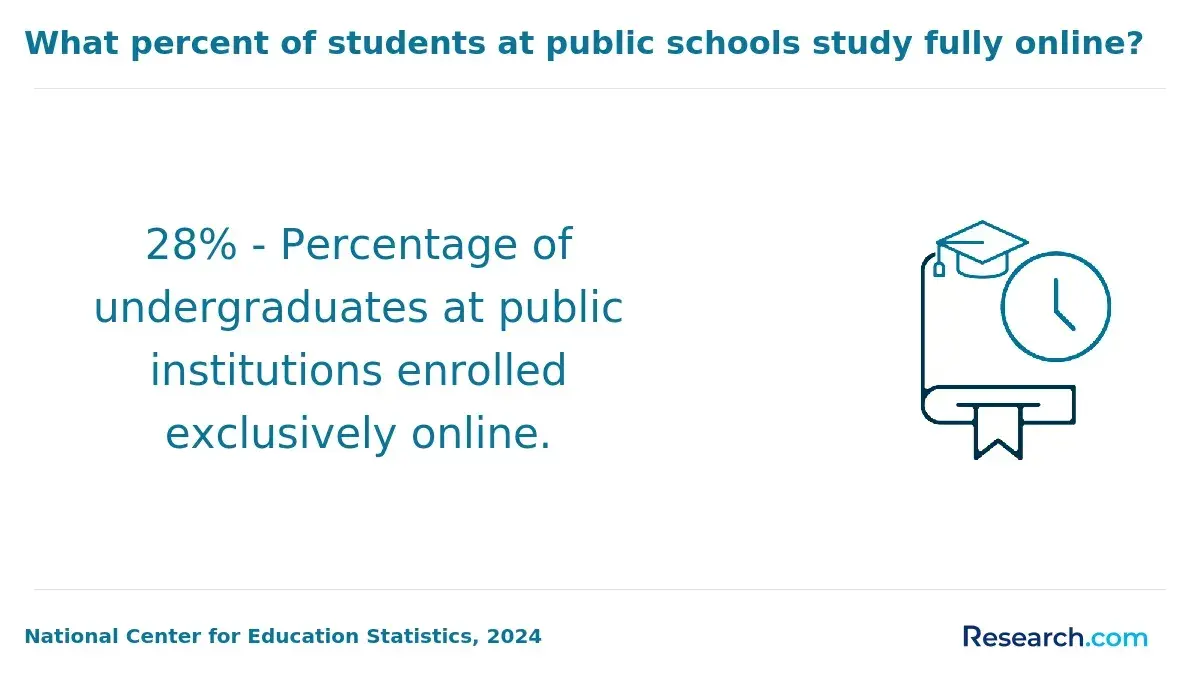
This challenge intensifies given the reality that 67% of adult learners now prioritize flexible, often online, program structures to balance work and education, according to the National Center for Education Statistics 2024 data. This shift in enrollment behavior underscores the need for accessible pathways that do not sacrifice depth or relevance in systems-focused coursework, influencing how candidates time and structure their upskilling.
Understanding the initial MIS roles accessible to IT support professionals and the educational strategies that best prepare them offers a clearer route to effective career progression and workforce agility.
Key Things You Should Know
- Transitioning from IT support to systems roles faces a skills gap: 62% of employers in 2024 report that foundational MIS education alone is insufficient, requiring supplemented practical experience or certifications, impacting early career advancement.
- Labor market saturation in entry-level MIS positions compresses wage growth by 11% compared to specialized IT functions, forcing candidates to weigh immediate salary tradeoffs against long-term systems expertise benefits.
- Median completion time for integrated MIS transition programs now extends to 18 months due to evolving curricula, increasing opportunity costs for working professionals balancing upskilling with sustained income, as noted by the National Center for O*NET Development.
What are first MIS roles for IT support professionals?
First management information systems roles for IT support professionals frequently require a shift from reactive troubleshooting to proactive system configuration and optimization.
Entry-level management information systems jobs in IT support typically include systems analyst, junior systems administrator, and entry-level cloud support technician positions. For instance, a healthcare IT technician advancing into MIS might focus on analyzing electronic health record workflows to recommend automation solutions rather than just resolving hardware issues.
Employers demand foundational skills in networking protocols, database management, and scripting languages like PowerShell or Python. This skill gap often challenges support professionals accustomed to hardware or user-centric tasks. To remain competitive, transitioning employees must invest in targeted certifications or practical coursework emphasizing systems architecture, database administration, or cloud computing.
Data from CompTIA indicates over 33,000 U.S. IT support specialist job openings with demand centered on systems, cloud, or automation expertise. Organizations value hands-on experience with current enterprise tools and prefer candidates familiar with automation frameworks and cloud platforms such as AWS or Azure.
Education programs with scenario-based labs yield better outcomes than theory-heavy curricula, reducing the friction many support professionals face when adapting to abstract system roles. Prospective students seeking a structured pathway may consider an accredited online health information management degree CAHIIM, which can provide applicable skills and recognized credentials aligned with employer expectations.
How can IT support workers move into systems jobs?
IT support professionals transition to systems roles by acquiring specialized technical skills and credentials that directly connect their experience with management information systems requirements. Employers favor candidates proficient in systems administration, network configuration, and database management, often demonstrated through industry-recognized certificates or associate degrees.
Hands-on experience with system virtualization, cloud environments like AWS or Azure, and scripting languages such as PowerShell or Python distinguishes candidates advancing beyond typical IT support functions.
Advancing from IT support to systems positions in management information systems often involves leveraging current roles to gain relevant systems exposure. For example, IT support staff in healthcare settings can collaborate with IT architects to maintain electronic medical records systems, aligning operational knowledge with backend infrastructure demands. This crossover addresses employers' rising preference for candidates familiar with both user-facing challenges and technical systems details.
Market data from May 2026 reveals over 12,000 entry-level MIS jobs listed on ZipRecruiter with hourly wages ranging $15 to $27, indicating strong demand. Success in securing these roles requires additional certifications such as CompTIA Network+, Microsoft Certified: Azure Fundamentals, or vendor-specific credentials that validate systems expertise.
Key challenges include balancing education with work and navigating inconsistent certification recognition among employers. Candidates benefit from targeting certifications aligned with regional job markets and roles offering systems responsibilities within their current employment.
Those evaluating this pathway should consider practical implications of credential timing, employer expectations, and the value of cross-functional experience. For a broader perspective on degree application, see what can I do with an environmental science degree.
What degree do you need for an MIS career?
Bachelor's degrees in management information systems, information technology, or computer science remain the practical minimum for transitioning from entry-level IT support to specialized MIS roles like systems analyst or IT consultant. While associate degrees or certifications might suffice for basic IT support, employers consistently prioritize candidates with a broader, formal education that covers systems analysis, database management, and programming.
This requirement is not arbitrary; employers seek foundational knowledge that supports systems integration and compliance, particularly in regulated fields such as healthcare and finance.
Workforce data indicates a significant salary differential: IT support specialists earn approximately $50,000 to $70,000 annually, whereas equivalent MIS roles focused on systems management offer between $60,000 and $100,000. This wage gap highlights the tangible value of a bachelor's-level education despite the increased time and financial investment.
Limited alternatives like certifications cannot replicate the comprehensive skill set developed through structured degree programs, and job market obstacles often increase for those lacking these credentials.
Students evaluating management information systems degree requirements for IT support careers should emphasize degree programs with practical, applied coursework including data analytics, cybersecurity fundamentals, and enterprise resource planning (ERP) systems. Internships and project experience remain critical for employability.
For those willing to explore broader graduate options, marketing graduate programs can also complement MIS skills with strategic business insight.
Is an online MIS degree respected by employers?
Employers focus on demonstrated competencies over the mode of degree delivery when assessing candidates with an online MIS degree recognition by employers. Practical skills such as data analysis, systems thinking, and business-IT integration weigh heavily in hiring decisions, especially for IT support professionals moving into systems roles.
Programs incorporating hands-on projects, case studies, and internships offer measurable advantage by aligning with current business and technology needs.
Evidence from workforce trends shows a substantial transition from entry-level tech support into roles requiring Management Information Systems expertise, including positions like business systems analyst and data analyst.
For example, a business systems analyst candidate in healthcare must prove practical familiarity with electronic health record systems and workflow specifics typically covered in well-designed online MIS curricula. This connection between education and targeted job skills highlights the value of online management information systems degree in IT careers.
Challenges remain with employer bias against online formats and ensuring curricula keep pace with evolving technologies. Candidates benefit from supplementing degrees with certifications such as CBAP or data analytics credentials to solidify market readiness. Selecting programs with transparent, industry-aligned outcomes is essential for building relevant applied experience that matches organizational needs.
Aside from MIS, related pathways like a bachelor applied artificial intelligence degree offer distinct but complementary skills valuable in today's data-driven environment, broadening strategic options for career pivots or advancement.
What accreditation should an MIS program have?
Accreditation from recognized bodies like ABET is a critical filter for management information systems programs, directly impacting graduates' workforce credibility and technical readiness. Employers often use ABET as a baseline to evaluate candidates' competencies rather than relying solely on degree completion.
For instance, a financial firm's support technician aiming to transition into systems analysis must consider whether the program's accreditation aligns with domain-specific demands such as regulatory compliance and technology ecosystem familiarity.
Choosing a program accredited only for computing without thorough integration of business processes can limit practical applicability. Graduates lacking cross-functional insight may struggle in industries with complex workflows like healthcare or manufacturing, where information systems connect diverse operational units. This gap highlights the importance of programs that balance technical skills with business information management.
Additional considerations include how accreditation influences credit portability and access to federal aid, often crucial for working adults balancing education with career duties. Programs under regular review cycles tend to incorporate emerging technologies faster, a necessity given the projected rise of generative AI in IT support roles.
This responsiveness equips graduates to move beyond entry-level support toward more intricate systems roles, addressing evolving employer expectations.
What classes are in an MIS degree program?
An MIS degree program often falls short in equipping graduates with cloud and automation skills that employers now deem essential for entry-level systems roles. While core courses provide foundational knowledge in database management, systems analysis, and networking, these traditional offerings rarely align with the evolving demands for cloud platform experience and scripting proficiency.
For instance, Robert Half's 2025 entry-level IT jobs guide reveals that over 60% of postings for systems administrator and junior DevOps positions specifically require skills in AWS, Azure, Python, or PowerShell, skills that remain scarce among new MIS graduates. This deficiency creates a tangible hiring barrier, forcing candidates to pursue additional certifications or extensive self-study post-graduation.
Key courses in typical MIS curricula include:
- Database Management Systems focused on relational databases and SQL
- Systems Analysis and Design methodologies
- Networking and Network Security fundamentals
- Programming Fundamentals covering scripting basics
- Information Systems Project Management
However, limited cloud computing labs or automation specializations mean many graduates lack hands-on experience with infrastructure-as-code or cloud orchestration.
Students aiming for systems roles should critically assess whether their program integrates practical cloud and scripting components, as proficiency here reduces reliance on employer-led training and enhances readiness for operational realities.
What are admission requirements for MIS programs?
Admission requirements for Management Information Systems programs often present a practical balancing act between academic credentials and relevant work experience. Undergraduate applicants typically need a high school diploma or GED with a competitive GPA, around 2.5 or higher, alongside proficiency in basic math and English, frequently demonstrated via SAT or ACT scores.
Graduate-level admission commonly requires a bachelor's degree in any discipline, yet preference goes to candidates with IT, business, or quantitative backgrounds. Submission of GRE or GMAT scores varies by program selectivity.
For IT support specialists or those shifting from technical roles, programs may offer accelerated pathways that acknowledge 1-3 years of professional experience, helping avoid redundant coursework while closing technical skill gaps essential for systems analytics or engineering positions. This experiential recognition aligns with employer expectations for applicants to translate existing skills into higher-level MIS functions.
Prerequisite coursework or certifications in databases, networking, or programming are common, and programs connected to industry often require portfolio reviews or project demonstrations, emphasizing applied competencies over theoretical knowledge alone.
Given analyses from Coursera showing median IT support specialist salaries at $71,000, with 20-40% increases possible by moving into systems roles within 3-5 years, efficient navigation of admissions and program selection directly impacts time-to-advancement and return on investment.
How long does an MIS degree take and cost?
Completing a Management Information Systems bachelor's degree typically involves four years of full-time study, though part-time and accelerated options can extend this timeline to six years depending on work commitments. The financial investment varies widely, with tuition costs between $40,000 and $120,000, excluding ancillary expenses, while community college associate degrees offer a lower-cost alternative around $10,000 to $20,000 but generally require further study to achieve comparable career outcomes.
Employers tend to prioritize candidates holding a bachelor's degree from recognized universities because these programs integrate technical skills with critical business knowledge essential for real-world MIS responsibilities, such as systems integration and automated reporting. For example, IT support professionals advancing into systems roles at mid-sized companies often find that a bachelor's degree enables them to pursue positions with starting salaries exceeding $60,000.
Choosing a part-time or online program can allow students to maintain income streams and reduce immediate financial strain but often lengthens completion time and may impair access to hands-on experiences and direct faculty support, elements that are crucial for troubleshooting and operational roles.
The labor market reflects strong demand for well-prepared MIS specialists; for instance, LinkedIn's 2025 data listed over 79,000 MIS support specialist openings in India, indicating similar U.S. market strength. Prospective students must weigh program duration, cost, and content rigor carefully to ensure their investment translates efficiently into employable skills and satisfactory job placement.
What jobs can you get after an MIS degree?
Graduates holding a Management Information Systems degree face a clear division between entry-level support roles and more advanced, systems-focused positions that demand broader technical and analytical skills. Entry-level work typically centers on troubleshooting, access management, and network upkeep.
In contrast, careers such as systems analyst or business systems consultant require proficiency in data integration, workflow automation, and cross-functional project roles, accompanied by notably higher salaries and responsibilities.
Salary data from the UK in 2025 reveals this gap sharply: typical support salaries range from £30,000 to £40,000, while systems-oriented roles command £45,000 to £55,000, an increase of 30-50%. U.S. employers reflect this trend, expecting MIS graduates moving into systems roles to demonstrate capabilities in database management, scripting, enterprise resource planning, and effective communication across departments.
For instance, a healthcare IT systems analyst must not only ensure compliance with HIPAA but also optimize electronic medical record systems, showing how domain-specific challenges combine with technical demands. Those entering retail IT roles might focus on automating inventory management to improve efficiency.
Without continuous technical training and development of soft skills, particularly in translating user needs into viable IT solutions, graduates risk remaining in low-growth support positions.
Strategic skill development aligned with the targeted industry's standards directly influences both career trajectory and remuneration potential post-graduation.
What salary and job outlook does MIS offer?
Transitioning from IT support to management information systems often means accepting a nuanced tradeoff: an initial salary increase may be modest for complex sectors like finance or government, where employers demand deep domain expertise and cross-functional acumen.
For example, an IT support technician in healthcare moving into MIS can expect a 20-35% pay boost but must also acquire specialized knowledge and develop collaborative relationships beyond technical skills to remain competitive.
Entry-level salaries typically range from $55,000 to $75,000 annually, with opportunities to surpass six figures after three to five years. However, salary growth and job availability vary significantly by industry and region, with manufacturing and tech firms leading demand while smaller businesses lag. Geographic flexibility enhances prospects and compensation.
Since approximately 70% of MIS roles are filled through networking rather than traditional job boards, professionals must actively engage industry contacts, attend events, and capitalize on internal mobility. Relying solely on formal job postings narrows access to opportunities.
Strategic upskilling focused on database management, business process analysis, and project coordination improves employability. Employers also prioritize demonstrated business acumen alongside technical proficiency. Candidates investing in relevant certifications or coursework typically accelerate their career progression.
Other Things You Should Know About Management Information Systems
Work experience carries more weight than formal education alone when moving into advanced MIS positions, especially within IT support professionals transitioning to systems work. Employers prioritize proven ability to apply MIS concepts in real operational environments, so gaining relevant project or hands-on systems experience early in the degree program accelerates career advancement. However, formal education remains essential for foundational knowledge, so a balanced approach that combines a recognized MIS degree with targeted internships or work projects yields the best outcomes.
Students must prioritize technical skills related to systems integration and data management over purely theoretical management principles for practical impact in early MIS roles. While understanding management concepts adds value, employers expect entry-level professionals to deliver tangible technical contributions like optimizing enterprise software or supporting workflows. Focusing on programming, databases, and system architecture during study prepares candidates to meet operational challenges more effectively and provides a clearer career path into systems work.
IT support professionals moving into system roles in 2027 should focus on developing skills in systems integration, cybersecurity, and cloud computing. Gaining proficiency in enterprise resource planning (ERP) systems and gaining a foundational understanding of data analytics will also be beneficial for transitioning into these roles.
CompTIA A+, Network+, and Microsoft 365 Fundamentals are the most common starter certifications for this move. Employers often also value ITIL 4 Foundation and basic SQL or Excel skills for MIS support roles. These credentials show practical troubleshooting, service-management, and data-handling ability.
References
- Management Information Systems Degree https://www.ut.edu/academics/sykes-college-of-business/information-and-technology-management-itm-degrees/management-information-systems-degree
- Online MIS Degrees | Accounting.com https://www.accounting.com/degrees/information-systems/masters/
- University of Central Arkansas | UCA https://uca.edu/ubulletin2019/colleges-departments/college-of-business/department-of-management-information-systems/
- Management Information Systems | MIS Degree | University of Phoenix https://www.phoenix.edu/online-information-technology-degrees/information-systems-competency-based-degree.html
- Management Information Systems, B.S. https://www.oldwestbury.edu/programs-courses/management-information-systems-bs
- CourseCareers https://coursecareers.com/blog-posts/3-it-support-roles-for-beginners
- What Jobs Can I Get With a Bachelor's Degree in MIS? | CSU Global https://csuglobal.edu/blog/what-jobs-can-i-get-bachelors-degree-management-information-systems