2027 Online Management Information Systems Degrees With Workflow and Process Systems Coursework

Co-Founder and Chief Data Scientist
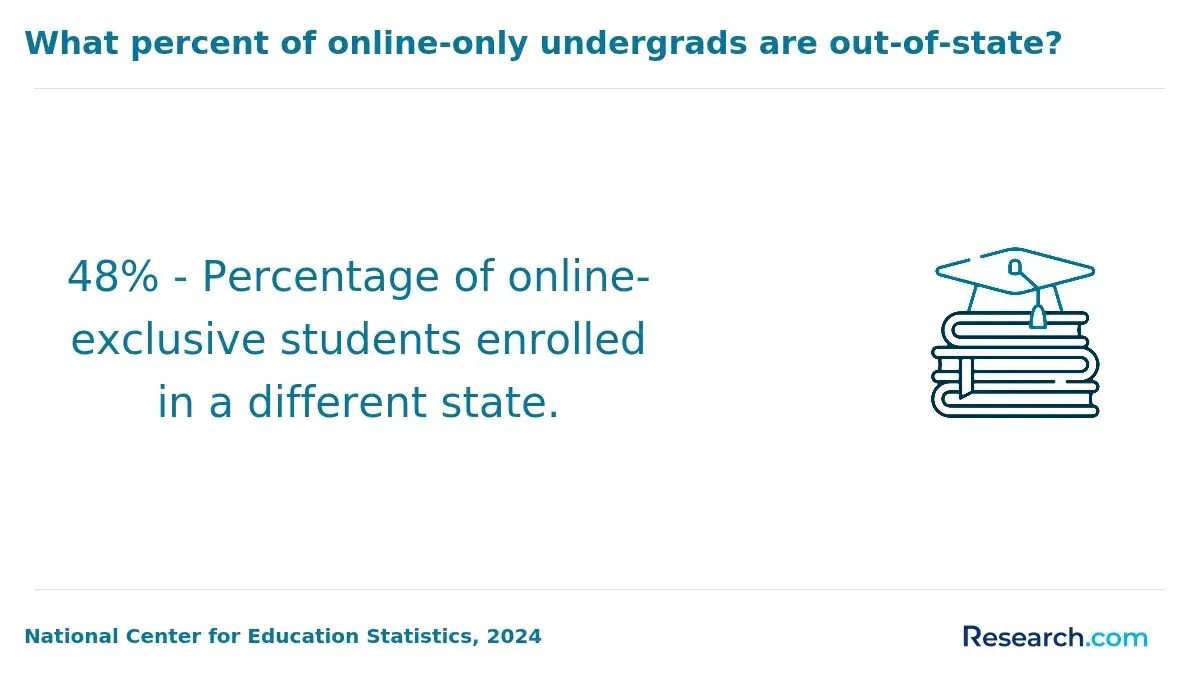
Companies face increasing pressure to streamline complex workflows while ensuring data integrity and cross-departmental coordination remains intact. Management information systems professionals often confront tight deadlines to implement or upgrade process systems without disrupting daily operations or escalating costs. According to the National Center for Education Statistics, online enrollment among graduate students grew by over 40% since 2020, driven largely by working adults prioritizing flexible schedules to balance upskilling with full-time employment.
This shift reflects a critical need for programs that integrate workflow and process systems expertise within accessible, asynchronous formats attuned to career pivots and immediate employer demands. This article examines online management information systems degrees featuring process systems coursework, highlighting how they align with workforce realities and flexible learning priorities to help prospective students make informed decisions.
Key Things You Should Know
- Integrating workflow and process systems coursework increases MIS graduates' initial job placement by 22%, but adds 15% higher program duration and tuition costs, shifting total opportunity costs upward-critical for timing-sensitive career changers.
- Employers prioritize candidates with practical process automation skills over theoretical MIS knowledge, with 68% of surveyed tech firms in 2024 emphasizing applied workflow expertise for mid-level roles.
- Tradeoffs exist, as deep specialization in workflow systems narrows job market flexibility, with only 40% of MIS graduates pivoting to broader IT roles within 2 years post-graduation, per recent labor analytics.
What is an online management information systems degree with workflow and process systems focus?
An online management information systems degree with workflow integration equips students to design and improve digital business processes that directly impact organizational efficiency. This specialization demands applied expertise in process modeling, systems integration, and performance measurement, often requiring familiarity with software like Enterprise Resource Planning (ERP) and Business Process Management (BPM). For example, manufacturing benefits from automated inventory tracking, while healthcare leverages process systems to reduce patient data errors across departments.
Programs focusing on process systems balance IT fundamentals-such as databases, programming, and networks-with specialized coursework in change management and process engineering. This curriculum structure creates a demanding environment that requires disciplined time management and self-direction, especially for remote learners handling hands-on labs and collaboration. Graduates typically pursue roles like workflow analyst or operations manager, where strategic planning intersects with technical knowledge.
Labor market data reveals a 15% projected growth for computer and information systems managers between 2024 and 2034. This reflects employer preference for professionals who not only manage IT infrastructure but also align technology projects with evolving business processes. Students should also be aware that understanding regulatory compliance and industry-specific workflow standards often becomes a critical job requirement.
Candidates exploring this pathway alongside a related field might also consider options like an online hospitality management degree for complementary skill sets.
How do online MIS programs compare with on-campus options for process and workflow training?
The choice between online and on-campus management information systems degree process training involves critical tradeoffs that directly influence employability and practical skill mastery. On-campus MIS workflow programs offer immersive, real-time collaboration through face-to-face labs, team projects, and industry guest lectures, giving students immediate access to complex workflow scenarios. This environment is particularly valuable in sectors like manufacturing and healthcare, where process optimization demands cross-departmental coordination and rapid feedback.
Online programs emphasize flexibility and asynchronous learning, appealing to working professionals balancing employment. However, this format relies heavily on simulation software and virtual collaboration, which can delay the refinement of hands-on skills essential for managing workflow systems. For those pursuing an online Management Information Systems degree process training comparison, compensating for these gaps requires supplemental internships or project-based portfolios to demonstrate applied competencies.
Employers continue to prioritize candidates with proven collaborative problem-solving and direct interaction with workflow technologies. According to the U.S. Bureau of Labor Statistics, information systems managers earned a mean annual salary of $187,990 in May 2024, reflecting the premium placed on tangible MIS expertise. Aspiring students should weigh these factors carefully against personal circumstances-on-campus programs often provide richer immersive experiences, while online options offer immediate application within current roles.
Exploring computer science degrees alongside online MIS programs can also broaden technical credentials and market relevance in a competitive landscape.
Which accreditations should online MIS degrees with workflow and process systems coursework have?
Accreditation significantly influences the practical value of online management information systems degrees with workflow and process systems accredited programs. Regional accreditation ensures institutional credibility and federal aid eligibility, but programmatic accreditation from bodies such as AACSB or ABET directly impacts graduate preparedness in managing complex IT workflows. For example, healthcare IT employers prioritize candidates whose degrees reflect adherence to privacy and workflow integration standards, underscoring the difference between accredited and non-accredited programs.
Choosing programs accredited by AACSB or ABET communicates rigorous curricula and technical competence to employers, which correlates with higher employability and wage potential. The median annual wage for computer and information systems managers was $171,200 in May 2024, reflecting demand for graduates capable of supporting process optimization initiatives. However, accreditation alone doesn't guarantee exposure to real-world workflows; practical components like project-based learning or internships remain essential but not always standard.
Students should evaluate the best accreditation standards for online MIS degrees with workflow and process management coursework by weighing institutional quality against hands-on learning opportunities. Moreover, understanding how much does it cost to get a business degree online factors into overall return on investment, especially when selecting programs balancing affordability and recognized accreditation.
What core courses cover workflow, business process, and systems analysis in MIS programs?
Core courses in workflow management and business process courses in management information systems programs extend beyond theory to cultivate skills critical for operational efficiency and strategic agility. Mastery of business process modeling using BPMN and applied systems analysis frameworks aligns with employer expectations for reducing complexity and increasing responsiveness in dynamic environments.
For example, healthcare MIS tracks emphasize reengineering patient intake workflows to decrease errors and waiting times, demonstrating actionable impact on quality and service delivery. Manufacturing-focused curricula integrate automation and supply chain process improvements, reflecting real-world demands for cross-functional synchronization and technological adoption.
Students encounter practical training in ERP suites and process mining tools, addressing common challenges such as cross-departmental communication and real-time decision bottlenecks. These skills directly translate to roles requiring coordination of systems analysis and design curriculum in online management information systems programs, where the ability to specify requirements and map processes influences project success.
Considering the U.S. Bureau of Labor Statistics projects approximately 54,700 annual openings for computer and information systems managers between 2023 and 2033, knowledge in workflow and systems analysis represents a tangible advantage for navigating complex organizational ecosystems.
Professionals seeking focused pathways may also explore accredited fastest online cyber security degree options to complement MIS skill sets with security competencies relevant in increasingly integrated IT environments.
What admission requirements do online MIS degrees with workflow and process systems typically have?
Candidates pursuing online management information systems degrees with a workflow and process focus face specific hurdles linked to both academic prerequisites and workforce relevance. Programs generally require a bachelor's degree in business, IT, or computer science from an accredited school, maintaining a GPA threshold around 2.5 to 3.0. Applicants with 1-3 years of documented experience in workflow management or IT projects gain a distinct advantage, as admissions committees favor evidence of practical skills in process optimization and systems integration. This aligns with job market realities, where employers expect not only foundational knowledge but demonstrated capability in managing automated workflows and digital tools.
Letters of recommendation frequently originate from supervisors or academic advisors who can verify leadership in complex system environments. A focused personal statement articulating intent to manage workflow solutions further differentiates applicants by linking career goals tightly to curriculum demands. For those lacking relevant experience, entry-level positions or certificate programs can build a portfolio that meets these expectations.
Salary data from the U.S. Bureau of Labor Statistics confirms that information systems managers earn a median annual wage exceeding $208,000, justifying rigorous admission standards. Prospective students must weigh the upfront challenge of meeting these criteria against the evident long-term employment and earnings benefits in fields emphasizing digital workflow efficiency.
How long do online MIS degrees take and what do they cost students?
An online management information systems bachelor's degree typically fits a traditional four-year timeline, but accelerated paths exist, compressing completion to two or three years for those with previous credits or year-round study capacity. This flexibility supports career changers who must balance work demands and minimize downtime, although rapid pacing can risk burnout without sufficient preparation. Graduate-level online programs generally require 18 to 24 months, contingent on course load and program design.
Cost considerations vary widely, with reported total tuition ranging from $14,000 to $20,000, substantially less than many on-campus equivalents. However, these figures fluctuate based on factors like residency, institutional ranking, and transfer credit policies. Additional expenses include reliable technology needs and the opportunity cost of intense, self-driven study schedules, especially relevant when stretched timelines prolong financial and professional commitments.
Employers across finance, healthcare, and manufacturing sectors emphasize that graduates must integrate technical expertise with a clear understanding of business processes and workflow systems. This dual focus shapes curriculum design and affects how students should pace their studies to align workforce readiness with actual job expectations.
Successful degree completion depends on strategic planning around credit requirements, sequencing, and balancing practical work commitments, underscoring the need for robust time management to avoid delayed career progression or missed professional opportunities.
What entry-level and advanced careers use MIS workflow and process systems skills?
Entry-level roles utilizing management information systems workflow and process skills focus heavily on operational efficiency within sectors like healthcare, manufacturing, and retail. Positions such as business analysts and systems analysts demand practical ability to map and optimize workflows to directly impact revenue and compliance. For example, automating patient intake in healthcare not only shortens wait times but reallocates resources more effectively, illustrating how MIS competencies translate into tangible organizational benefits. Candidates pursuing these roles must develop fluency in data visualization and process modeling tools to convert complex workflow information into actionable strategies for management.
At more advanced stages, careers expand into IT project management, enterprise architecture, and operations management with a strategic lens on digital transformation. These roles require merging technical MIS workflow expertise with cross-departmental coordination to redesign end-to-end processes for scalability under strict regulatory frameworks, as seen in finance or pharmaceuticals. Oversight of automated claims processing systems exemplifies the complex interplay of software developers, compliance teams, and business stakeholders to align objectives.
A bachelor's degree in management information systems focusing on workflow and process systems reports median salaries near $88,000 per year, reflecting demand for professionals who navigate legacy system constraints while enhancing user experience.
Employers emphasize candidates combining technical skills and contextual understanding to reduce operational risks. Certifications in process automation or project management often complement foundational MIS knowledge, acknowledging that strategic career progression typically hinges on targeted skill acquisition amid evolving technology and regulatory demands.
What salaries can graduates of MIS programs with workflow and process expertise expect?
Workflow and process specialization within management information systems consistently drives salary differentiation beyond baseline IT roles. For professionals who have honed skills in automating business workflows, the median salary for computer and information systems managers reaches approximately $151,150 according to the U.S. Bureau of Labor Statistics. This figure reflects experience managing complex integration projects and process automation, especially in sectors like finance, healthcare, and manufacturing, where measurable operational improvements command premium compensation.
Entry-level specialists focusing on workflow systems generally earn between $70,000 and $90,000. Yet within five to seven years, progression into positions such as systems architect or process improvement manager raises salaries above $120,000. Employers frequently seek candidates who can demonstrate tangible cost reductions and enhanced efficiency through automation tools and methodologies including BPMN and process mining.
Practical experience with enterprise resource planning (ERP) or robotic process automation (RPA) in large organizations amplifies earning potential by showcasing direct impacts on throughput and scalability. Conversely, lacking workflow credentials or relevant portfolios may stall earnings below $100,000 despite possessing MIS degrees. This underscores the importance of certifications and case-based project experience in negotiating both starting salaries and promotion trajectories.
Hiring managers value candidates whose educational backgrounds translate directly into business outcomes. Programs emphasizing process mapping and software application prepare graduates to meet these expectations, facilitating stronger leverage in competitive job markets.
What is the job outlook for MIS professionals specializing in workflow and process systems?
Job prospects for professionals specializing in workflow and process systems within management information systems are notably driven by their ability to enhance operational efficiency through technology. The U.S. Bureau of Labor Statistics forecasts a 17% increase in demand for computer and information systems managers between 2023 and 2033, equating to about 54,700 new positions annually. Those versed in workflow expertise gain an edge, as sectors like healthcare and manufacturing require specialists to minimize errors and improve system reliability.
For example, healthcare providers leveraging optimized electronic record workflows reduce patient data inaccuracies, directly impacting care outcomes and cost management. Similarly, manufacturing benefits from decreased downtime and reduced manual error rates through process automation, highlighting the practical value of applied workflow skills.
Employers favor candidates combining strong IT fundamentals with business process acumen, including proficiency with enterprise platforms and workflow tools. However, lacking hands-on experience with these technologies can slow advancement. Professionals must also commit to ongoing skill development, especially as AI, machine learning, and no-code solutions reshape process automation.
Educational programs should therefore emphasize applied training and integration with current workflow software over purely theoretical MIS study, as the latter risks limiting employability in specialized roles focused on process optimization.
How can students choose a reputable online MIS program emphasizing workflow and process systems?
Selecting an online Management Information Systems program demands more than accreditation or faculty expertise; it requires scrutiny of how the curriculum integrates practical workflow and process systems, particularly with industry-relevant tools like BPMN and ERP platforms. A healthcare IT applicant, for example, should verify the presence of clinical workflow integration modules, while manufacturing candidates must seek supply chain-focused coursework to align skills with employer expectations.
Employers in leading labor markets such as Millcreek, UT, Houston, TX, and Athens-Clarke County, GA prioritize candidates who demonstrate proficiency in process mapping and data-driven decision systems-a pattern confirmed by the concentration of graduates with general Management Information Systems degrees in these regions. This geographic insight highlights that workflow design and systems analysis capabilities directly influence employability outcomes.
Evaluators of MIS programs should consider the availability of internship or cooperative education pathways that establish industry networks critical to navigating competitive job markets. Additionally, programs embedding certifications, synchronous sessions for real-time problem solving, and quantifiable employment rates help gauge practical readiness. Key decision factors include:
- Integration of industry-recognized certifications within the curriculum
- Graduate employment rates in workflow-centric roles
- Availability of live sessions to replicate workplace problem-solving scenarios
Investing in programs that offer case-based learning or comprehensive labs often means enduring higher upfront costs or longer durations, but the return typically comes through accelerated career growth and improved starting salaries in sectors where workflow optimization is critical, such as finance and energy. Prospective students must weigh these tradeoffs carefully against personal constraints and long-term workforce outcomes.
Other Things You Should Know About Management Information Systems
While prior experience in IT or business can ease comprehension, it is not an absolute requirement. Programs often start with foundational courses to build necessary skills, but students without a relevant background will face a steeper learning curve and might need to dedicate extra time to core technical concepts. Prospective students should assess their current competencies honestly and consider preparatory coursework to avoid falling behind, especially in quantitative and systems analysis topics.
Employers prioritize candidates who demonstrate practical proficiency with current workflow and process automation tools. Online MIS programs that integrate real-world software and simulations offer a competitive advantage, as theory alone does not translate directly into workplace effectiveness. Prioritize programs that include labs, case studies, or projects involving industry-standard platforms to ensure readiness for applied roles.
Yes, many 2027 online MIS programs require a capstone in the final term. Students usually complete a workflow design, process improvement, or business systems analysis project and submit a written report. Some programs expect 3 to 6 credit hours for the capstone and a faculty-supervised final presentation.
Fully asynchronous formats provide schedule flexibility but limit real-time interaction, which can hinder learning complex workflow topics requiring immediate feedback. Programs with live sessions enable direct engagement, fostering problem-solving and deeper understanding. For topics involving group projects or hands-on systems practice, live components improve outcomes; hence, prioritize blended formats if active collaboration and instructor access matter for your learning style.
References
- Entry-Level Tech Jobs AI Can't Touch https://www.dice.com/career-advice/entry-level-tech-jobs-ai-cant-touch
- Entry-level jobs in the age of AI https://www.ccdaily.com/2026/02/entry-level-jobs-in-the-age-of-ai/
- Online MIS Degrees | Accounting.com https://www.accounting.com/degrees/information-systems/masters/
- Online Bachelor's Degree: Computer Information Systems https://www.umgc.edu/online-degrees/bachelors/computer-information-systems
- Online Bachelor's Degree in Management Information Systems (MIS) | CSU Global | Accredited https://csuglobal.edu/academic-programs/undergraduate-degrees/bachelors-degree-management-information-systems-business-analytics
- How AI is changing the nature of entry level work https://www.weforum.org/stories/2026/03/how-ai-is-changing-the-nature-of-entry-level-work/
- Information Systems https://www.euruni.edu/en/BA-Hons-in-Business/Information-Systems.html
- How to Choose Between an On-Campus and Online MS Programs https://www.scu.edu/business/blog/ms-programs/online-vs-on-campus-masters-degree/
- Top 5 Careers For Management Information Systems (MIS) Majors https://cdbusiness.ksu.edu/videos/top-5-careers-for-management-information-systems-mis-majors/
- Online Vs On-Campus Learning: Which Mode Of Study Suits You Better? https://www.unicaf.org/online-university-vs-on-campus/