2027 Online Management Information Systems Degrees With IT Management Career Alignment

Co-Founder and Chief Data Scientist
Mid-career professionals pursuing advancement in MIS increasingly encounter the challenge of balancing full-time work with degree requirements, a tension intensified as 63% of online students are now adults juggling employment and family commitments, according to the National Center for Education Statistics.
This shift in enrollment behavior demands programs that offer genuine flexibility without sacrificing rigor or alignment with IT management roles. Meanwhile, employers seek candidates adept not only in technical skills but also in strategic information systems leadership, creating a complex calculus for those selecting an online MIS program.
This article examines online MIS degrees designed for IT management career alignment, focusing on program structure, accessibility, and workforce relevance to help readers select options that directly address these practical constraints and professional demands.
Key Things You Should Know
- Online management information systems degrees commonly require 18-24 months, but accelerated tracks reduce time by up to 40%, balancing cost with workforce re-entry speed amid rising opportunity costs highlighted by the BLS.
- Employers prioritize candidates with integrated business-IT skills and certifications over pure MIS credentials; 72% of hiring managers surveyed by Gartner seek practical cloud and data analytics experience alongside degree completion.
- Tradeoffs include limited hands-on networking and internship access remotely, which 58% of alumni report as a real barrier to career pivoting despite the growing demand for digital transformation expertise in top sectors.
What is an online management information systems degree and how does it support IT management careers?
Online management information systems degree programs are designed for professionals aiming to bridge IT expertise with business objectives, especially in roles focused on IT management. Beyond foundational technology knowledge, graduates acquire practical skills in database administration, cybersecurity, systems analysis, and project management.
These competencies are essential when solving operational challenges such as integrating outdated technology or securing data against increasingly sophisticated cyber threats.
For instance, an MIS professional in a retail firm might improve supply chain efficiency by streamlining data flows, while in manufacturing, they could implement ERP systems to synchronize production and support faster decision-making. Such operational examples highlight how this degree aligns directly with leadership roles in technology-driven environments.
The flexibility of online MIS degree programs helps working adults update skills without pausing their careers. The curriculum often incorporates capstone projects simulating real management issues to deepen applied knowledge. However, students must recognize the ongoing need for skill renewal beyond graduation and the difficulty of converting technical insights into strategic business actions.
Workforce data shows that early-career median salaries for those with management information systems and statistics backgrounds start around $76,000, rising to about $129,000 mid-career, signaling strong market demand. Employers value both technical proficiency and cross-functional communication, emphasizing a balanced skill set over narrow IT focus.
Students exploring technology-related paths might also consider programs like a hotel and restaurant management degree online for alternative management roles.
How does an online management information systems degree compare to campus-based MIS programs?
Online management information systems degrees vs. campus programs present nuanced tradeoffs beyond delivery format. Online programs offer asynchronous schedules crucial for professionals balancing work and geography, but they typically limit spontaneous face-to-face mentorship and networking opportunities common in campus settings.
While curriculum coverage—database management, IT project management, and cybersecurity—remains comparable, those pursuing IT management roles must weigh the fewer direct peer interactions against benefits like virtual collaboration tools and applied simulations embedded in many online courses.
Employers increasingly regard online management information systems degrees as valid credentials due to shifting work models and remote team structures. However, graduate outcomes tend to hinge more on curriculum relevance, internship and project experience than program modality.
For example, a healthcare IT professional can progress faster through an online program focused on data analytics tailored to hospital networks than a generic campus course.
Prospective students evaluating differences between on-campus and online management information systems degrees should prioritize programs with industry partnerships, current software access, and career support services. Those factors frequently influence employability and skill development more decisively than the learning environment itself.
For individuals exploring foundational pathways before advanced degrees, the health information management associate degree online remains a practical option with applied workforce relevance.
What management information systems degree levels and online pathways lead to IT management roles?
Choosing online management information systems degree programs for IT management requires evaluating how academic models translate to workplace demand and professional readiness. Bachelor's degrees typically establish foundational skills in database management, systems analysis, and IT governance, preparing graduates to lead entry-level IT projects and teams across sectors like healthcare, finance, and manufacturing.
The best online business degree programs integrate hands-on labs and cloud tools, replicating real IT environments to support immediate application post-graduation.
Master's pathways in management information systems are tailored for individuals with 1-3 years of management experience aiming for senior roles, emphasizing strategic IT planning, cybersecurity, and data analytics. These programs align with the demands of enterprises undergoing digital transformation and those in regulated industries that require comprehensive coursework and proven project management experience.
For working professionals, a key tradeoff exists between accelerated online degrees with condensed credits and traditional longer programs that deepen project engagement, affecting employability in sectors with strict compliance standards. Certification complements degrees but cannot replace accredited education for sustained career progress.
Data from Houston Christian University's BLS projections note information security analysts earn a median wage of $124,910 with 29% job growth through 2034, reflecting the premium placed on advanced MIS competencies in cybersecurity and IT management.
Prospective students must weigh program format, depth of practical experience, and alignment with targeted IT management roles. Resources like the best online business degree lists can guide cost-effective decisions for sustainable career pivots through management information systems bachelor's and master's pathways to IT management careers.
What admission requirements and prior experience are needed for online MIS programs in the U.S.?
Online MIS program admission criteria in the U.S. often hinge on a candidate's ability to balance academic readiness with relevant experience, as employers and programs alike value practical knowledge alongside formal education. Typical admission requirements include a bachelor's degree from an accredited institution, with a preference for backgrounds in business, computer science, or related fields.
Minimum GPA thresholds usually range from 2.5 to 3.0, although competitive programs may require higher. Official transcripts are standard, and some programs request GRE or GMAT scores, unless the applicant has sufficient professional experience or prior graduate coursework.
Prior experience requirements for U.S. management information systems degrees frequently emphasize work history in IT, business analysis, or project management, especially for part-time or executive tracks tailored to working professionals.
Applicants with exposure to enterprise software, systems integration, or network administration have a strategic advantage when demonstrating immediate workplace impact. Without such experience, highlighting internships or academic projects in database management, systems analysis, or programming becomes essential.
Prospective students pivoting from non-technical backgrounds often face prerequisite coursework in programming, statistics, or information systems fundamentals, which can delay degree progression but ensures essential skills for advanced topics like cybersecurity management.
Business majors entering direct-entry programs might navigate an easier pathway focusing primarily on coursework rather than experience. This tradeoff shapes the timeline and intensity of their studies.
Drexel University LeBow reports management information systems graduates from the Class of 2024 having an average starting salary of $75,964 as of February 2026, underscoring employer demand for candidates meeting these standards. Students exploring pathways related to technology degrees can also consider insights from an AI degree to gauge long-term industry trends.
What core courses and specializations are included in online management information systems curricula?
Management information systems programs that blend technical skills with strategic business insight reflect real employer demands, but navigating this balance requires understanding practical implications. For instance, mastering systems analysis to map workflows is essential in regulated sectors like healthcare or finance, where compliance adds complexity beyond routine IT tasks.
Students must also integrate foundational technical competencies such as database administration and network infrastructure with organizational behavior and information security knowledge to function effectively within business constraints.
Specializations in cybersecurity, data analytics, ERP, or IT governance shape distinct career pathways. Cybersecurity tracks emphasize risk assessment and incident response, meeting critical needs in banking or government sectors, whereas data analytics focuses on transforming large datasets into actionable decisions, particularly valuable in retail and manufacturing domains.
Quantitative skills, including statistics, are not ancillary but central to roles that require managing cross-functional teams and interpreting data for strategic decisions. Research from economic studies indicates that graduates with management information systems and statistics backgrounds can realize lifetime earnings premiums exceeding $900,000 compared to high school graduates, illustrating long-term value.
However, program value depends heavily on practical experience components such as capstone projects or internships that expose students to constraints like budget management and software lifecycle challenges. These experiences bridge academic theories with leadership realities often overlooked in purely technical curricula.
How long do online MIS degrees take and what do they typically cost students?
Completing a management information systems degree often demands four years full-time, but faster tracks exist for students with prior credits or heavier course loads, cutting completion to two or three years. However, accelerated pacing can reduce time for absorbing complex concepts vital to IT leadership roles.
Conversely, part-time enrollment may extend study to five or six years, increasing risk of burnout and higher cumulative costs despite spreading expenses over time.
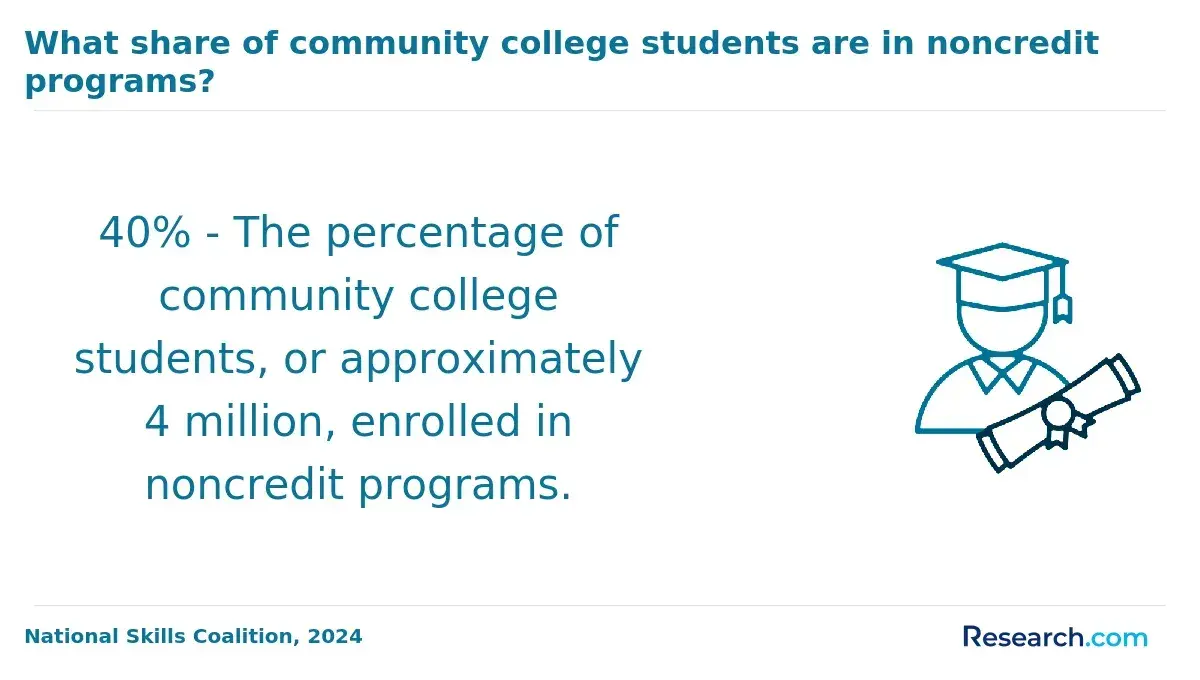
Financially, public universities typically charge $7,000 to $15,000 annually for in-state online tuition, totaling $28,000 to $60,000 for four years, whereas private institutions often exceed $30,000 yearly. Additional fees-for technology, materials, and exam proctoring-inflate these figures. Employer tuition assistance or federal aid can mitigate costs but require early verification and alignment with employer policies.
Employers increasingly seek candidates who combine technical expertise with project management experience. Balancing rigorous coursework with practical experience is essential, especially for roles in sectors like finance, healthcare, and logistics. The 13% rise in MIS online enrollment from 2020 to 2024 intensifies competition, emphasizing the importance of program flexibility and outcome alignment.
How can students verify accreditation and quality for online management information systems programs?
Accreditation status critically shapes the value of online management information systems programs for career outcomes. Institutional accreditation from recognized bodies and programmatic accreditation by organizations like ABET or ACBSP indicate curricula aligned with industry standards and employer expectations.
For instance, ABET accreditation signals rigorous technical training relevant to roles such as computer systems analyst, which offers median wages near $103,790 and projected job growth of 9% from 2024 to 2034, according to Houston Christian University data, illustrating a stable demand profile across sectors.
Beyond accreditation, evaluating programs demands scrutiny of real-world outcomes data; graduation rates, employment placement in IT management, and employer engagement metrics provide tangible evidence of workforce alignment.
Prospective students should prioritize programs that integrate core competencies, including data analytics, cybersecurity, enterprise systems, and IT project management, while avoiding those focused narrowly on theoretical concepts devoid of applied experience.
Tradeoffs in program delivery formats matter: synchronous options enhance networking and mentorship possibilities crucial for effective career transitions, whereas asynchronous formats offer flexibility but may limit practical learning connections. Direct inquiries about internships or capstone projects reveal the extent of experiential learning embedded in curricula.
Prioritizing these factors, grounded in tangible outcomes and practical curriculum relevance, enables learners to distinguish programs positioned to deliver sustainable career pivots or advancements in a competitive, evolving IT management labor market.
What IT management and MIS-related careers can graduates pursue with this online degree?
Pursuing an online management information systems degree with an IT management focus prepares graduates for roles that blend technical acumen with organizational leadership. Positions such as business intelligence analysts, IT project managers, systems analysts, data managers, and IT consultants reflect the field's breadth.
Among these, business intelligence analysts command notable attention with median salaries near $101,000, emphasizing demand for data-driven decision-making skills within IT management teams.
Career outcomes depend heavily on integrating technical skills like database management and analytics with strategic imperatives such as governance and resource allocation. For instance, an IT project manager in healthcare must balance patient data analytics with regulatory compliance, while a similar role in retail concentrates on optimizing inventory turnover using MIS forecasts.
Employers increasingly expect candidates to have hands-on experience managing cross-department collaborations and navigating complex systems implementations.
This often involves overseeing budgets, aligning technology initiatives with business objectives, and converting data insights into actionable plans. Internships or applied projects within an online program significantly enhance readiness for these responsibilities.
Graduates must also anticipate continual learning demands, maintaining relevant certifications alongside their degree to remain competitive. Leadership roles specifically require not only technical and analytical expertise but also refined communication and problem-solving skills essential to team management and enterprise-level coordination.
What salary ranges and job outlook can MIS graduates expect in IT management fields?
Starting salaries for graduates with a management information systems degree average around $74,294 nationally, positioning MIS among the higher-earning undergraduate business disciplines according to University of Arizona data for Spring 2023. However, the path to managerial roles demands balancing technical IT skills with business strategy understanding, as employers seek professionals capable of aligning technology initiatives with organizational goals.
Industry context drives salary trajectories: entry-level pay in financial services typically starts near the national average but can rise to $110,000+ within five to seven years as roles shift to project management or IT leadership. Healthcare may offer lower initial salaries but presents faster advancement because of rapid digital transformation in patient data management and compliance systems.
Key factors affecting long-term career growth include continuous certification and specialization in areas like cybersecurity, cloud computing, or data analytics. Without these, MIS professionals risk wage stagnation despite favorable job growth projections of 15% for computer and information systems managers between 2022 and 2032, as reported by the U.S. Bureau of Labor Statistics.
An MIS degree offers solid salary potential, but success depends on strategic skill cultivation and practical understanding of sector-specific dynamics.
Which certifications and professional credentials complement an online management information systems degree?
Certifications aligned with an online management information systems degree directly influence hiring and promotion decisions by signaling specific expertise critical to employer priorities. For example, mid-career IT professionals targeting leadership roles should weigh obtaining Project Management Professional (PMP) certification due to its practical emphasis on managing complex IT projects under pressure.
In contrast, recent graduates aiming for entry-level technical roles would benefit more from cloud computing certifications offered by AWS, Microsoft Azure, or Google Cloud, reflecting market demand driven by enterprise cloud migrations and hybrid infrastructure.
Key certifications include:
- Certified Information Systems Security Professional (CISSP) for cybersecurity roles prioritizing risk mitigation
- Certified Information Systems Auditor (CISA) for governance and compliance responsibilities prevalent in finance, healthcare, and government
- Certified Data Management Professional (CDMP) which supports strategic analytics and business intelligence necessary in data-driven sectors such as retail and manufacturing
Such credentials represent industry-validated skill sets that complement core MIS knowledge but also require a cost-benefit analysis of time investment versus relevance to immediate job goals. Employers increasingly expect candidates to present updated expertise in cloud platforms and data management, making these certifications non-negotiable in many IT management trajectories.
Other Things You Should Know About Management Information Systems
Programs that prioritize technical skills usually offer hands-on experience with databases, programming, and systems analysis, which are essential for entry-level MIS roles but may limit strategic leadership exposure. Conversely, programs emphasizing management theory tend to prepare students for supervisory and planning roles but might not develop deep technical proficiency. For those aiming at IT management, prioritizing a balanced curriculum with both technical competence and leadership training is critical, as employers expect managers to understand technology thoroughly while guiding teams and projects.
Degrees from less prestigious or regionally focused institutions can result in IT management positions if students leverage practical experience, internships, and relevant certifications alongside their degree. Employers in the MIS field value demonstrated skills and project outcomes as much as institutional prestige. However, candidates from well-known programs often have broader networking opportunities and brand recognition, which can accelerate hiring and advancement in competitive markets.
Choose a capstone that addresses enterprise IT operations, such as service desk redesign, cloud migration planning, or cybersecurity governance. Strong projects usually use 10 to 15 weeks of work, require faculty approval, and produce documented business cases, risk analyses, and implementation plans.
References
- Online vs Campus Information Systems Degree Programs: Complete Comparison https://hakia.com/compare/information-systems-online-vs-campus/
- Top Certifications for Management Information Systems Today https://ultimatemanagementsystem.com/best-certifications-for-management-information-systems/
- Job opportunities and average starting salaries after MIS degrees - MBA Crystal Ball https://www.mbacrystalball.com/blog/2018/08/10/mis-salaries-job-opportunities/
- Masters in Information Systems | Degree Information Systems | University of Phoenix https://www.phoenix.edu/online-information-technology-degrees/information-systems-masters-degree.html
- Online Bachelor's Degree in Management Information Systems (MIS) | CSU Global | Accredited https://csuglobal.edu/academic-programs/undergraduate-degrees/bachelors-degree-management-information-systems-business-analytics
- Online MIS Degrees | Accounting.com https://www.accounting.com/degrees/information-systems/masters/
- Are Online Degrees Accredited? How to Identify Quality Distance Learning Programs https://www.umassglobal.edu/blog-news/online-degrees-accredited-identify-quality-distance-learning-programs
- Management Information Systems (Online Program) https://www.simpson.edu/academics-programs/all-programs/management-information-systems-online-program/
- MIS in USA: Top Universities, Eligibility, Cost, and Salaries | YMGrad https://ymgrad.com/article/mis-in-usa
- How An Online Masters In Management Information Systems Can Advance Your Career - ReviewNPrep https://reviewnprep.com/blog/how-an-online-masters-in-management-information-systems-can-advance-your-career/