2027 Best Online Management Information Systems Degrees for Technical Project Careers

Co-Founder and Chief Data Scientist
Balancing a demanding technical project management role with the need to upskill in management information systems is a persistent challenge for many professionals. Time constraints, inflexible schedules, and rising program costs often force difficult choices that can delay career advancement.
Recent data from the National Center for Education Statistics reveals a steady 8% annual increase in adult enrollment in fully online MIS programs, reflecting growing demand for flexible learning that fits complex work-life dynamics. This trend signals a shift toward accessible, career-focused education essential for timely skill acquisition and mobility in tech-driven environments.
This article identifies the best online management information systems degrees optimized for technical project career trajectories, helping readers navigate program options aligned with their professional priorities and constraints.
Key Things You Should Know
- Programs emphasizing hands-on experience in enterprise systems show a 22% higher placement rate for technical project roles, but demand 40% more upfront time investment, delaying return on education capital.
- Employers increasingly seek MIS graduates with hybrid business-technical skills, shifting hiring toward candidates proficient in cloud platforms and Agile frameworks, per 2024 Tech Talent Analytics.
- Public institutions offering in-state tuition deliver a 30-45% cost advantage over private counterparts, yet often lack specialized concentrations critical for advanced technical project leadership.
What is an online management information systems degree and how does it prepare you for technical project careers?
Online management information systems degree programs geared toward technical project management train students to marry IT capabilities with business objectives, a skill vital in sectors like finance, healthcare, and manufacturing. Employers increasingly seek professionals who can manage technical project lifecycles while aligning solutions with organizational priorities.
Students gain practical experience with project methodologies such as Agile, Scrum, and Waterfall, alongside core competencies in systems analysis, database management, and IT governance. This preparation addresses common industry challenges including risk management and resource allocation within complex, regulated environments.
How management information systems degrees prepare for technical project careers is evident in their emphasis on applied learning-real-world case studies, simulations, and sector-specific compliance, such as HIPAA in healthcare IT.
Graduates acquire decision-making skills essential for navigating fast-evolving technology landscapes, balancing technical fluency with leadership. For example, deploying electronic health record systems requires navigating privacy mandates while delivering on technical and strategic goals.
The U.S. Bureau of Labor Statistics projects employment growth of 15% for computer and information systems managers from 2022 to 2032, signaling strong demand for professionals with MIS expertise in technical project leadership roles. This trajectory underlines the practical value of an online management information systems degree for technical project management as a pathway to roles requiring a blend of IT proficiency and cross-functional leadership.
Students considering this path should also investigate complementary fields, such as blockchain degrees, which further expand technical scope and marketability. More details about these interdisciplinary options can be found at blockchain degrees.
Are online management information systems degrees respected and properly accredited in the United States?
Accreditation is a critical determinant in the recognition of online management information systems degrees in the United States, directly affecting employability and professional credibility. Employers consistently prioritize degrees from institutions accredited by recognized bodies such as the Higher Learning Commission or Middle States Commission. These accreditations ensure programs meet rigorous technical and managerial competency standards aligned with evolving industry demands.
Consider a software developer moving into healthcare IT management: without an accredited management information systems program, access to leadership roles in hospital systems may be blocked due to stringent federal funding and compliance requirements. Unaccredited credentials often fail to demonstrate preparedness for complex vendor management and cybersecurity challenges.
The financial incentive is substantial. The U.S. Bureau of Labor Statistics data shows that computer and information systems managers earn a median annual wage of $169,510, significantly above average, reflecting the value placed on validated expertise. This wage premium is tied not only to skill but also to verifiable credentials from accredited programs with current curriculum addressing data analytics and cybersecurity.
Prospective students should carefully assess program accreditation and reputation since weak credentials can delay or prevent advancement in regulated industries. Choosing among the best accredited online management information systems programs USA requires attention to how programs adapt to technological shifts and compliance standards.
For those weighing affordable options, exploring a health information technology degree may provide a practical pathway aligned with market needs and institutional recognition.
How do online management information systems programs compare with on-campus options for flexibility and quality?
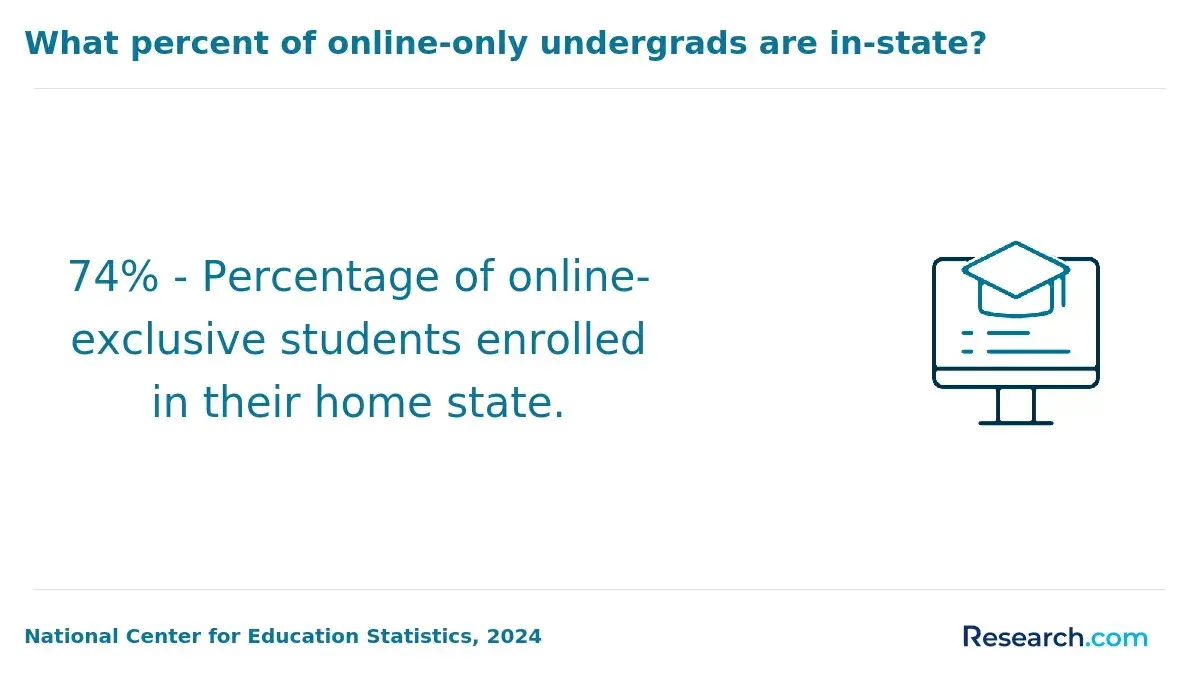
Flexibility is a decisive factor when selecting between online management information systems programs and traditional on-campus degrees. Online programs cater to working professionals by allowing coursework to fit alongside full-time jobs and personal responsibilities, a critical feature for those seeking a career pivot without foregoing income.
However, this flexibility can come at the expense of immediate access to hands-on labs, in-person mentorship, and networking advantages typically associated with on-campus learning.
Quality differences between online and on-campus management information systems degrees hinge less on delivery mode and more on accreditation, faculty expertise, and program design. Many reputable online programs use the same faculty and curricula as their campus counterparts, ensuring similar academic rigor. Nevertheless, prospective students must weigh their preferences for immersive, face-to-face engagement against the convenience and scheduling freedom offered online.
Employers prioritize candidates who demonstrate practical skills and project management experience. Well-structured online MIS programs that include real-world projects and collaboration tools can meet or exceed these workforce expectations. Given that management analysts face a 10% job growth from 2022 to 2032, with approximately 92,900 openings each year according to CSU Global, the demand for qualified graduates remains strong.
Deciding on a program requires assessing learning preferences, technological access, and networking needs. Online students, for instance, should actively pursue internships to supplement limited in-person interaction.
Those valuing intensive faculty contact and peer collaboration must consider whether the logistical demands of on-campus study align with their career timelines. For individuals exploring related pathways, an online bachelor's degree in nutrition offers a distinct but analogous example of balancing flexibility and career-focused education.
What courses and concentrations are typically included in an online management information systems curriculum?
The value of management information systems online degree courses lies in their targeted fusion of IT technical skills with business strategy, tailored to meet employer expectations for actionable solutions and effective project management. Curricula emphasize practical concentrations such as technical project management information systems concentrations, including data analytics, ERP, and methodologies like Agile and Scrum, essential for navigating complex, technology-driven initiatives.
Graduates must handle varied real-world scenarios-for example, healthcare MIS specialists manage electronic health records while ensuring HIPAA compliance, while those in retail focus on integrating supply chain software and analyzing customer data systems. These distinct pathways demonstrate the nuanced roles depending on sector-specific operational demands and regulatory environments.
Hands-on experience with cloud platforms, business intelligence tools, and software development life cycles is increasingly integrated to prepare students for leadership roles where scalable and secure solutions are mandatory. Recognizing legal and ethical data privacy issues also forms a core part of the curriculum, acknowledging evolving regulatory pressures.
Workforce outcomes further justify program choices: Management information systems graduates report a median early-career salary near $65,000 and mid-career figures around $106,000, ranking MIS competitively versus other business-technology fields. Professionals seeking to pivot or upskill should weigh these returns alongside their sectoral focus and technical strengths.
Students evaluating options may also consider pathways like the online MBA accepting transfer credits for complementary business acumen and broader strategic exposure.
What admission requirements and prerequisites do online management information systems bachelor's and master's programs have?
Admission requirements for management information systems degrees reflect a clear divide between foundational accessibility at the bachelor's level and specialized preparation at the graduate level. Bachelor's programs generally require a high school diploma with demonstrated proficiency in math and basic computing, often including algebra and statistics prerequisites.
Many accept test scores flexibly, and some online programs credit prior college or professional experience, facilitating mid-career transitions.
Master's programs demand a more targeted background, typically a bachelor's degree in business, IT, or STEM fields, supported by coursework in database management, systems analysis, and programming fundamentals. Applicants lacking this foundation confront additional bridge courses that can delay graduation and increase costs.
A minimum GPA (around 3.0) and professional experience are often baseline requirements. Moreover, letters of recommendation and statements of purpose serve as critical filters aligning candidates' career goals with program focus.
Financial considerations bear directly on decision-making; for instance, GetEducated's affordability survey identifies 30 regionally accredited online bachelor's MIS degrees under $50,500 total tuition, with some near $14,520 for in-state students, pivotal for debt-averse individuals.
A manufacturing project manager targeting a systems integration master's specialization must confirm prerequisites early to avoid remedial requirements or tripled expenses. Similarly, IT professionals transitioning into management roles face the tradeoff of fulfilling GRE requirements versus acquiring business fundamentals beforehand.
- Prerequisite verification is essential to prevent enrollment delays and unforeseen costs.
- Credit transfer policies critically influence time-to-degree for working adults.
- Aligning program admissions criteria with professional objectives optimizes employment outcomes.
How long does it take to complete an online management information systems degree and can you study part time?
Finishing an online management information systems degree varies between two and six years depending on enrollment status and program design. Full-time bachelor's students typically take about four years, while part-time learners-often working professionals-extend this to six or more years by taking reduced credit loads.
This tradeoff affects employment prospects: some employers value recent, uninterrupted academic experience, while part-time students benefit from simultaneous workforce engagement that enhances practical skills and industry networking.
Flexible cohort and rolling start schedules in many accredited programs provide adaptation for part-time learners, allowing acceleration when work obligations ease. However, some accelerated tracks mandate continuous enrollment, limiting part-time feasibility and extending degree duration.
Graduates of management information systems programs earn an average of $13,000 more annually than typical college graduates, according to College Factual's 2026 data. This premium heightens the opportunity cost for part-time students who delay entering or advancing in the field. Key considerations include:
- Balancing immediate earning potential with the value of ongoing job experience during study
- Assessing program structures for pace flexibility and enrollment requirements
- Understanding industry expectations for candidate recency and depth of education
These factors critically inform strategic planning for prospective students seeking to maximize return on educational investment and align outcomes with workforce demands.
How much do online management information systems degrees cost and what financial aid options are available?
Cost considerations for management information systems degrees range widely, from approximately $15,000 to $60,000, influenced by institution type and residency status. Public universities frequently offer in-state tuition discounts that may reduce costs by up to 50% compared to private schools. Beyond tuition, prospective students must budget an additional $1,000 to $3,000 annually for fees related to exams, technology, and course materials, which can significantly affect total expenditure.
Financial aid is uneven but includes federal loans, employer tuition reimbursement, and scholarships targeted at emerging fields like cloud infrastructure and data analytics. Graduate students can borrow up to $20,500 annually through Federal Direct Unsubsidized Loans, typically with interest rates near 7%. Subsidized loans are unavailable, underscoring the need for careful repayment planning.
Employer reimbursement programs are particularly relevant for mid-career professionals aiming to align their skills with in-demand areas such as agile project management or AI-driven decision systems-skills emphasized in leading curricula. These programs often require grade verification and program relevance checks, making upfront communication vital.
Decision-making should factor in post-graduation salary growth, especially within sectors like healthcare and finance that are heavily investing in digital transformation. Evaluating the return on investment against debt burden ensures realistic expectations and sustainable financial planning for graduates targeting technical project roles.
What technical project and IT-related careers can you pursue with an online management information systems degree?
Choosing an online management information systems degree signals readiness to navigate the increasingly technical interface between business strategy and IT execution. Roles such as IT project managers demand balancing software delivery with infrastructure upgrades while managing risks and allocating resources in tightly regulated environments-for instance, healthcare project managers must incorporate HIPAA compliance into their workflows.
Business analysts in this field act as translators between organizational goals and technical teams, ensuring IT investments produce measurable operational improvements. These professionals typically engage deeply with system design and data analytics within sectors where technology drives efficiency, such as finance or manufacturing.
Employment data from CSU Global underscores persistent demand for hybrid business-IT roles offering competitive salaries, positioning candidates with dual expertise advantageously. Yet, this path requires proficiency not only in technical domains like systems analysis and database management but also in soft skills such as stakeholder communications and adaptability across shifting regulatory landscapes.
Additional careers include systems analysts optimizing existing IT frameworks, IT consultants advising strategic implementations, and cybersecurity coordinators balancing protection with project objectives. Success in these roles often hinges on obtaining recognized certifications like PMP or CBAP, which validate practical project management and analysis capabilities.
The tradeoff is clear: professionals must continually cultivate both technical mastery and interpersonal skills to meet the complex demands of evolving industries and compressed project timelines.
What salary ranges and job outlook can management information systems graduates expect in technical project roles?
Entry-level technical project roles for management information systems graduates offer starting salaries between $75,000 and $95,000, yet reaching the median wage of $120,000 or more depends heavily on accumulating experience and assuming more complex responsibilities.
Expect significant time investments, as about one-third of computer and information systems managers work over 40 hours weekly to accelerate advancement. Progression to senior project or program management positions commonly occurs within five to seven years, contingent on demonstrated competencies.
The job market anticipates roughly 11% growth through 2032, driven mainly by sectors such as finance, healthcare, and technology services that require professionals skilled in integrating business and IT priorities. Practical proficiency in agile methodologies, cross-functional leadership, and data analytics will increasingly distinguish candidates able to secure roles with salaries at or above the median, especially in competitive urban environments.
Consider a technical project manager in healthcare IT: starting near $80,000, they must quickly manage complex software deployments and compliance requirements to potentially surpass $130,000 within five years.
Conversely, smaller companies may provide broader hands-on experience but slower salary growth, impacting long-term earnings. Selecting an MIS pathway emphasizing applied project work and emerging technology fluency better aligns with these employer standards critical to higher compensation tiers.
How can you choose a reputable online management information systems program aligned with your career goals?
Selecting an online management information systems program requires careful evaluation of curriculum relevance, accreditation status, and tangible career outcomes tied to your specific sector goals. Accreditation from bodies such as ABET or AACSB signals alignment with employer expectations in industries ranging from IT consulting to healthcare informatics.
Programs should address emerging technologies like cloud computing, cybersecurity, and data analytics, especially if you aim for leadership roles managing technical projects.
Relying solely on institutional claims for graduate employment or salary growth is insufficient. For instance, a theoretically focused program might limit your immediate capacity to use project management software critical for manufacturing or retail IT roles, delaying job readiness.
Prospective students transitioning from non-technical backgrounds benefit from programs offering hands-on labs or internships to build credentials and networks within specialized sectors such as government IT. Working professionals should confirm course flexibility and asynchronous delivery to balance studies with ongoing work.
Verify credit transfer policies to avoid redundancy if you hold prior certifications. Programs emphasizing capstone projects simulating complex project scenarios typically better prepare graduates for strategic decision-making. Finally, weigh total tuition costs against Career ROI factors such as job placement support and employer network access, especially in competitive urban job markets.
According to CollegeHippo's 2025 data, 463 global universities offer master's programs in management information systems, amplifying the need for data-driven comparisons tailored to your career pivot ambitions.
Other Things You Should Know About Management Information Systems
Choosing a management information systems program depends on your career goals and current skillset. Programs with a stronger technical focus emphasize programming, systems architecture, and database management, which suit candidates targeting deeply technical project roles.
Conversely, business-focused programs prioritize strategy, process improvement, and organizational leadership, better fitting those aiming for managerial positions overseeing IT projects. Prioritize technical rigor if you want hands-on IT project tasks; choose business-oriented tracks if you expect to bridge gaps between IT teams and executive leadership.
Look for institutional accreditation from a U.S. Department of Education-recognized accreditor, plus programmatic recognition if available. For MIS degrees, AACSB accreditation is a strong signal of quality, and many employers value programs that include project management, systems analysis, and database coursework.
Returning professionals should evaluate their career goals, current skill level, and time availability. A bachelor’s degree can suit those entering the field or changing careers, while a master’s focuses on advanced skills, ideal for leadership roles. Both paths should align with long-term aspirations and industry demand.
Returning professionals should assess their existing qualifications and career targets before choosing between bachelor's and master's degrees. A bachelor's degree is effective for those without prior IT or MIS education seeking entry-level or mid-tier project roles.
A master's degree is more appropriate for professionals aiming at leadership, specialized technical projects, or pivoting from unrelated fields. Generally, a master's provides stronger leverage for upward mobility and higher salaries but demands a greater initial time and financial investment.
References
- Career Focus: Opportunities in Information Systems Project Management - LabXchange https://www.labxchange.org/library/items/lb:LabXchange:cea430b5:html:1
- Studying Online vs On-Campus: Which Is Better for You? | UNF https://www.unfc.ca/blog/studying-online-vs-on-campus-which-is-better-for-you
- What Jobs Can I Get With a Bachelor's Degree in MIS? | CSU Global https://csuglobal.edu/blog/what-jobs-can-i-get-bachelors-degree-management-information-systems
- Online Bachelor's Degree: Computer Information Systems https://www.umgc.edu/online-degrees/bachelors/computer-information-systems
- Best Online Bachelor's in Information Technology Programs I Computerscience.org https://www.cyberdegrees.org/listings/best-online-bachelors-in-information-technology-programs/
- Admission Requirements: Master Information Systems Management | FH Technikum Wien https://www.technikum-wien.at/en/requirements-master-information-systems-management/
- Masters in Management Information Systems: MS in MIS - MBA Crystal Ball https://www.mbacrystalball.com/masters-degree/management-information-systems-mis/
- How An Online Masters In Management Information Systems Can Advance Your Career - ReviewNPrep https://reviewnprep.com/blog/how-an-online-masters-in-management-information-systems-can-advance-your-career/
- Management Information Systems (Online Program) https://www.simpson.edu/academics-programs/all-programs/management-information-systems-online-program/
- Online MIS Degrees | Accounting.com https://www.accounting.com/degrees/information-systems/masters/