2027 Best Online Master's in Management Information Systems for Business Analytics Leadership

Co-Founder and Chief Data Scientist
Mid-career professionals in management information systems wrestling with inconsistent program schedules face critical timing challenges that can delay pivotal career moves. The U. S. Department of Education reports a 40% surge in online graduate program enrollment among adult learners since 2022, signaling both growing demand and intensified competition for flexible, business-analytics-focused curricula. This trend reflects a broader shift where rigid class structures increasingly clash with the need for immediate upskilling, forcing many to postpone advancement or settle for less relevant credentials. Choosing the right online master's program requires acute scrutiny of scheduling, curriculum depth, and leadership integration to ensure timely qualification.
This article evaluates the best online master's in management information systems for business analytics leadership to guide learners toward programs that align with urgent professional trajectories and evolving market demands.
Key Things You Should Know
- Despite a 15% projected growth in MIS roles by 2031 from the Bureau of Labor Statistics, programs emphasizing business analytics leadership often extend completion times beyond two years, raising ROI and opportunity cost concerns for mid-career pivots.
- Employers prioritize candidates with applied skills in data governance and cloud integration; graduates from MIS programs lacking updated analytics curricula encounter a 25% lower interview-to-offer conversion rate, per Gartner's 2024 workforce study.
- Top MIS master's programs often charge $50K+ tuition, while ROI gaps widen due to employer bias favoring graduates from AACSB-accredited institutions, signaling a strategic tradeoff between cost and long-term career trajectory.
What is an online master's in management information systems with a business analytics focus?
An online master's in management information systems with business analytics specialization equips graduates to integrate IT frameworks with actionable insights in diverse industries. Instead of a purely technical or purely managerial trajectory, this program demands proficiency in database management, network infrastructures, and systems analysis alongside statistical modeling and visualization tools like SQL and Python. For example, a supply chain manager can leverage business analytics for real-time inventory optimization, while a financial analyst might focus on fraud detection or market trend forecasting. This cross-functional skill set directly targets emerging employer demands.
The 2024 Graduate Management Admission Council's Corporate Recruiters Survey shows a hiring increase for business master's graduates, including MIS and analytics, jumping from 84% in 2023 to 91%. However, this growth also tightens competition. Candidates must present tangible project experience, software fluency, and strong communication capabilities to stand out. Those coming from non-IT backgrounds should anticipate a steep learning curve balancing technical rigor with strategic management.
Long-term employability hinges on adaptability, given rapid advances in analytics tools and cyberinfrastructure. Factors such as access to virtual labs, mentorship quality, and workload management can significantly influence a student's return on investment. Professionals vetting options should consider pathways closely related to business analytics leadership and might also explore complementary fields like a blockchain degree to diversify technical expertise.
How does an online MIS master's compare to on-campus programs for business analytics leadership?
Choosing between online management information systems master's and on-campus programs for business analytics leadership involves assessing tradeoffs in networking, learning integration, and immediate workplace application. Online programs accommodate full-time professionals by removing geographic and scheduling barriers, enabling the real-time use of business analytics challenges at work. This practical engagement is especially relevant for advancing leadership in dynamic sectors like healthcare analytics, where a mid-career professional might apply predictive modeling directly to improve outcomes.
On-campus programs tend to offer richer social interaction, mentorship, and access to local industry partnerships-advantages valuable for recent graduates or those targeting client-facing consulting roles. However, both formats increasingly meet employer expectations as accredited programs standardize outcomes through technology, reflecting the strong 35% employment growth forecast for data scientists by 2032 and a median pay of $108,020 in 2023.
For those interested in specialized pathways, such as preparing for health sector roles, exploring programs like a health information management degree can enhance analytics leadership credentials within North America's evolving job market. Weighing these variables against personal career goals and learning styles determines the practical value of an online MIS master's program versus its on-campus counterpart.
Which accreditation and quality standards should an online MIS program in business analytics meet?
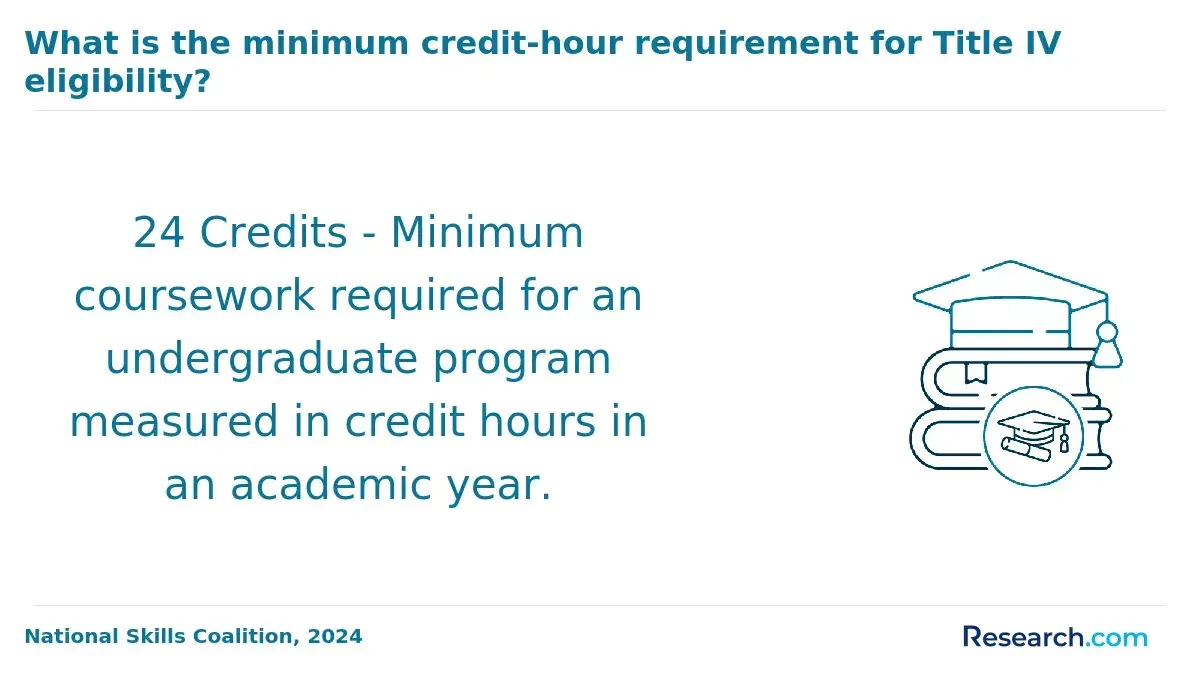
Accreditation remains the most tangible benchmark when evaluating an online MIS program accreditation standards for business analytics, as regional accreditation ensures programs meet federally recognized quality and financial aid eligibility. More specifically, program-specific endorsements from entities such as ABET or AACSB can prove decisive where technical proficiency and integration of business analytics tools are non-negotiable for employer recognition.
Employers weigh clear, outcomes-driven metrics-graduation rates, certification attainment, and transparent job placement data-often verified through third-party labor market analytics. For example, a graduate who demonstrates mastery of applied analytics tools aligned with healthcare or supply chain management workflows commands stronger market positioning. These quality benchmarks for management information systems degrees in business analytics signal curricula grounded in real-world operational demands rather than theoretical abstraction.
From a student perspective, the tradeoff between cost and academic rigor is critical. A Northeastern University Graduate Programs Report 2024 highlights that online business master's programs can lower tuition by 25-50%, yet reduced costs without maintained academic oversight or cohort engagement risk diluted skill development and retention. Comprehensive programs supplement learning with scalable career services and internships to connect theory with actionable insights-essential for roles requiring leadership alongside technical analytics capabilities.
Considering these practical factors is vital for those researching a business degree pathway that supports strategic career shifts in the competitive MIS landscape.
What courses and concentrations are typical in MIS master's programs emphasizing business analytics leadership?
Management information systems courses for business analytics leadership increasingly blend foundational IT management with applied data analysis skills, pairing infrastructure knowledge with predictive modeling and machine learning competencies. These programs emphasize aligning technology initiatives with organizational strategy, demanding proficiency not only in analytics but also in project management and strategic IT governance.
Typical concentrations in MIS master's programs for business analytics reflect sector-specific demands. For example, Big Data Analytics focuses on scalable processing and cloud environments essential to finance and retail, while Cybersecurity Leadership trains managers to navigate compliance and risk, a critical skill set in healthcare and government sectors. Digital Transformation coursework supports professionals tasked with steering enterprise-wide technology shifts.
Real-world application differentiates skill sets. A healthcare analytics leader's emphasis on health informatics and patient data privacy contrasts with a retail analytics manager's focus on consumer behavior and supply chain data. These distinct tracks impact employability and program relevance.
Employers expect candidates who can bridge technical skills with clear communication and business strategy understanding. This reflects trends found in GMAC's 2024 Application Trends Survey, where flexible programs accommodating working professionals maintain or grow application rates faster than in-person-only formats. Those aiming to enter cybersecurity leadership roles may find value in exploring the best online cybersecurity degree programs for veterans, which provide targeted training aligned with industry needs.
What are the common admission requirements for online MIS master's programs in the United States?
Admission to online master's programs in management information systems (MIS) increasingly reflects employer demands for a balance between technical proficiency and strategic leadership. Successful candidates typically hold a bachelor's degree in business, computer science, engineering, or related disciplines, supported by a minimum GPA around 3.0. The necessity of standardized tests like the GRE or GMAT depends on experience, with many programs waiving these requirements for applicants who present two to five years of relevant IT, analytics, or business experience.
Practical implications of these admissions criteria become clear when considering career changers without a technical foundation. Such applicants often face prerequisite coursework in programming, statistics, or information systems, extending preparation time and costs. Additionally, letters of recommendation and a statement of purpose that convincingly link career objectives to emerging trends-especially AI and analytics integration-play decisive roles in acceptance. This focus aligns with AACSB's 2024 survey indicating widespread curriculum expansion in AI and machine learning for MIS programs.
International applicants must also meet English proficiency standards like TOEFL or IELTS. Admissions committees weigh these diverse factors to gauge whether candidates can operate in digitally advanced business environments. For professionals aiming at leadership within MIS, overlooking these requirements risks delayed admission or ill-preparedness, ultimately affecting employability and promotion prospects.
How long do online MIS master's programs take and what do they typically cost?
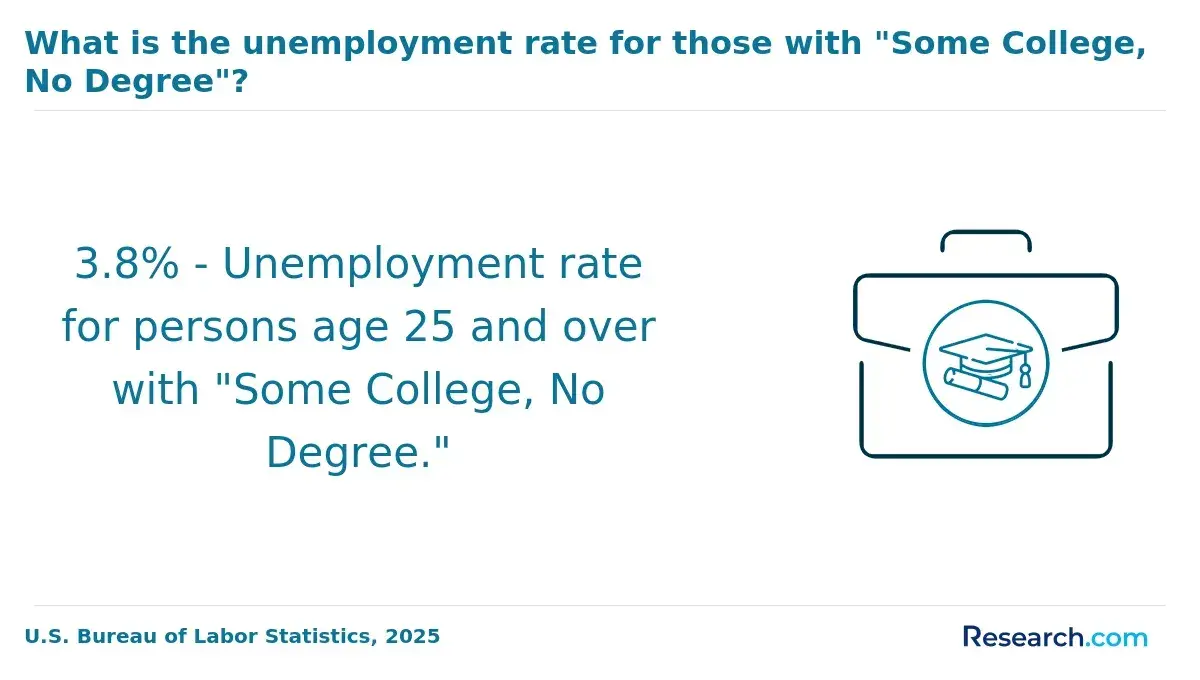
Choosing the duration and intensity of an online master's in management information systems demands weighing career timing against workload feasibility. Programs typically require 30 to 45 credit hours, completed in 18 to 24 months full-time. Accelerated tracks compress this to 12-16 months but raise immediate demands on time and focus. Part-time pacing beyond two years can accommodate working professionals but delays potential income gains tied to degree completion.
Financially, tuition varies broadly: public universities fall between $15,000 and $35,000, while private institutions often exceed $50,000. Additional costs for technology and materials add several thousand dollars, although employer tuition reimbursement and financial aid frequently lessen this burden. Understanding these variables assists in forecasting total investment versus expected salary premiums.
Georgetown University's 2024 ROI data shows graduates earn about 60% more a decade after earning a master's versus those holding only a bachelor's in information systems. This substantiates the initial cost as a strategic long-term investment rather than immediate financial gain.
For professionals in regulated or fast-moving fields like healthcare IT or finance, completing the degree within two years aligns better with certification deadlines and management opportunities. Slower programs suit those balancing family and multiple jobs but risk slower returns on investment and lagging professional momentum.
What career paths and leadership roles can a MIS master's in business analytics prepare you for?
A master's in management information systems (MIS) with a specialization in business analytics positions graduates at the crossroads of technology leadership and business strategy, where data governance and cross-team collaboration determine success. Rather than purely technical roles, these graduates commonly oversee how analytics integrate with financial compliance, healthcare efficiency, or consulting workflows, managing complex data pipelines to generate actionable insights.
Data and analytics roles compose about 28% of U.S. tech job openings according to the 2024 Dice Tech Salary Report, a clear market signal that MIS professionals remain in demand. For instance, finance professionals in MIS craft risk analytics systems that satisfy stringent regulations while optimizing revenue streams. Healthcare MIS leaders often direct predictive modeling to improve patient outcomes and optimize resource use-skills employers increasingly seek in high-stakes environments.
Graduates must navigate tradeoffs between a focus on pure data science skills and broader management responsibilities. Advancement to roles such as analytics director or operations lead requires not only technical fluency but also strong communication skills to bridge data complexities with executive priorities. Additionally, challenges like ensuring data privacy compliance and integrating legacy systems with new technologies are frequent.
Students oriented toward senior leadership would benefit from supplementing MIS education with business strategy and change management knowledge. MIS programs emphasizing applied analytics and leadership development tend to offer more durable career trajectories across sectors.
What salary ranges and earning potential can graduates with this online MIS degree expect?
Entry-level salaries for graduates holding an online master's degree in management information systems typically range from $70,000 to $85,000 annually, with mid-career earnings increasing to between $110,000 and $135,000. Salaries vary considerably by industry and location, as seen when a financial services analytics manager might earn around $125,000, whereas leadership roles in healthcare analytics often start closer to $95,000 due to slower tech adoption and budget constraints.
Beyond basic qualifications, earning potential heavily depends on the combination of technical expertise and leadership skills. Professionals who blend MIS knowledge with strategic business analytics experience often secure a wage premium of 10-15% over those holding only a bachelor's degree, according to recent labor statistics.
Consider these workforce dynamics:
- Industries driving high demand for data-savvy leaders include technology and financial services, where compensation can surpass $150,000 in competitive metro areas.
- Gender representation among MIS master's graduates increased to 32% in 2023, but persistent wage gaps and advancement disparities continue to affect income trajectories.
- Debt burden from expensive programs can delay salary growth. Choosing accredited programs with industry connections is critical for improving early and sustained ROI.
The practical value of an online management information systems master's hinges on targeted skills integration and realistic assessment of sectoral salary ceilings versus program costs.
How is the job outlook for MIS and business analytics leadership roles in the U.S. labor market?
Leadership roles in management information systems (MIS) and business analytics demand more than technical proficiency; they require strategic oversight that integrates analytics into core operations. The U.S. Bureau of Labor Statistics forecasts a 20% growth rate from 2022 to 2032 for computer and information systems management positions, indicating that demand will continue well above average. However, securing these roles means navigating employer expectations that blend technical expertise with skills in data governance, change management, and cross-functional communication.
For instance, healthcare organizations adopting predictive analytics alongside electronic health records need MIS leaders capable of aligning technological innovation with regulatory compliance and patient-focused outcomes. This sector-specific responsibility illustrates the broader need for graduates to adapt leadership approaches to varied organizational challenges.
Access to these leadership tracks increasingly comes via online education, with a 2024 Wiley "Voice of the Employer" survey reporting that 77% of employers now place accredited online and traditional degrees on similar footing-conditional on institutional recognition and curriculum rigor. Yet, this acceptance brings a caveat: graduates must demonstrate applied, real-world impact during recruitment beyond credentials alone.
Effectively entering the field requires graduates to position themselves where strategic management of MIS infrastructure and analytics projects intersect, emphasizing leadership outcomes rather than simply technical skills. Understanding this dynamic aids candidates in targeting roles where they can influence organizational decision-making and technology adoption.
How can prospective students choose the best online MIS program for their business analytics goals?
Programs for aspiring leaders in management information systems must be assessed for their direct applicability to targeted executive roles, not just technical proficiency. For example, professionals aiming for roles like Head of Data and Analytics need coursework centered on data governance and strategic IT management rather than general technical skills. LinkedIn's 2024 Jobs on the Rise data confirm leadership roles in analytics are growing over 20%, with employers increasingly demanding graduate education specifically in analytics or related disciplines.
When selecting a program, candidates should weigh three critical factors:
- Industry-specific specialization caters to sectors such as healthcare or retail, providing workforce-relevant skills through focused electives or projects.
- Faculty with executive-level experience and strong industry networks support practical exposure and effective career navigation.
- Flexible delivery modes, especially online asynchronous options, enable working professionals to learn without disrupting current employment.
Lack of strategic leadership content often stalls advancement beyond technical roles. For instance, a finance professional targeting a Director of Business Intelligence position must verify the inclusion of leadership modules over purely technical MIS training. Program outcomes-such as employment rates within six months and salary progression-offer tangible metrics for comparison. Additional considerations, including accreditation and availability of career services, also significantly influence graduates' ability to secure leadership positions.
Other Things You Should Know About Management Information Systems
Balancing an online MIS master’s program with full-time work requires effective time management, clear communication with employers and family, and setting realistic goals. It's crucial to prioritize tasks and leverage flexible learning options to accommodate both study and professional commitments.
Students focused on leadership roles in business analytics should prioritize programs with deep analytics integration and applied data skills rather than general MIS curricula. Programs emphasizing business analytics deliver targeted training in decision modeling, data visualization, and predictive analytics, which align better with employer expectations for analytics leadership. Choosing a generic MIS program may lead to broader but less specialized skills, making it harder to differentiate yourself for roles requiring analytics expertise.
In practice, employer recognition of online MIS degrees depends on program reputation, accreditation, and graduate outcomes rather than delivery format alone. Well-established programs with proven career placement in analytics leadership mitigate traditional biases against online learning. However, candidates should verify whether the program includes experiential components like capstones or internships, which add critical value beyond coursework and reinforce leadership readiness.
Most programs require a bachelor's degree from an accredited institution, a minimum GPA around 3.0, and transcripts. Some also ask for GMAT or GRE scores, a résumé, a statement of purpose, and 1 to 3 letters of recommendation, with waivers often available for experienced applicants.
References
- M.S. in Business Analytics Management – Graduate Program at Avila https://www.avila.edu/business-analytics-masters/
- Online Bachelor's Degree in Management Information Systems (MIS) | CSU Global | Accredited https://csuglobal.edu/academic-programs/undergraduate-degrees/bachelors-degree-management-information-systems-business-analytics
- Master’s in MIS in USA: Programs & Career Guide https://futurense.com/blog/masters-in-mis-usa
- 2025's Best Online Master’s in Information Systems (MIS) Programs https://www.onlinemastersdegrees.org/best-programs/information-systems/
- What is a Good Master’s in Information Technology Salary? https://www.elmhurst.edu/blog/masters-information-technology-salary/
- 27 Affordable Online Master's in Business Analytics for Under $25k https://www.analyticsdegrees.org/business-analytics/affordable-online-masters-in-business-analytics/
- Online MIS Degrees | Accounting.com https://www.accounting.com/degrees/information-systems/masters/
- How Long is an Online Master's Degree Program? OnlineEducation.com https://www.onlineeducation.com/faqs/how-long-to-earn-masters-degree
- Average Cost of a Master's Degree: 2025 Analysis https://educationdata.org/average-cost-of-a-masters-degree
- Top Management Courses for Masters Degree Explained https://planmystudy.com/top-management-courses-for-masters-degree-2/