2027 MIS Specializations for Systems Analyst Careers

Co-Founder and Chief Data Scientist
Systems analysts face a pivotal challenge when advancing their careers: selecting a mis specialization that aligns tightly with evolving employer demands and accelerates their job mobility. The Bureau of Labor Statistics projects a 7% growth in computer and information systems jobs through the decade, driven by specialized expertise in areas like cybersecurity, data analytics, and cloud computing. This shift requires professionals to weigh not only technical skill development but also program accessibility, with flexible online options growing 15% year-over-year according to the National Center for Education Statistics.
Understanding which mis specializations offer both practical relevance and adaptable learning formats is increasingly critical for timely career transitions. This article examines leading mis specializations to guide informed choices that optimize employability and program flexibility for systems analyst professionals.
Key Things You Should Know
- System integration specializations demand advanced coding skills; labor statistics show a 22% higher wage premium, but extended training length increases upfront costs, delaying entry-level salary benefits.
- Data analytics focus aligns with 68% of surveyed employers seeking hybrid MIS roles, intensifying competition; candidates must balance breadth versus depth to meet evolving job requirements.
- Cybersecurity emphasis reflects a 34% industry demand growth, influencing workforce shortages; however, certification costs and rapid technology shifts create barriers for mid-career transitioners.
What are the most common MIS specializations for students targeting systems analyst careers?
Choosing a specialization within management information systems directly shapes employability and functional relevance in systems analyst roles. The most strategic MIS specializations for systems analyst roles in the US focus on business analytics, enterprise resource planning (ERP), cybersecurity, and data management, each aligning differently with industry demands and technology environments.
For example, a healthcare systems analyst must prioritize data management and compliance ecosystem knowledge due to strict regulatory frameworks, while a systems analyst targeting tech startups might benefit more from agility in analytics and ERP platforms like SAP or Oracle. This reflects the practical tradeoff between depth in regulatory understanding versus adaptability in fast-evolving tech contexts.
Key considerations for these specializations include:
- Business analytics: Leverages data to enhance decision-making, essential in finance and healthcare sectors.
- ERP: Involves managing complex workflows with platforms widely used in manufacturing and logistics.
- Cybersecurity: Focuses on vulnerability assessments and compliance, critical in government and banking.
- Data management: Emphasizes database design and governance for maintaining data integrity under regulatory scrutiny.
According to U.S. Bureau of Labor Statistics, computer systems analysts will see a 9% growth from 2024 to 2034, with approximately 34,200 openings each year. Employers now demand candidates who integrate technical skills with business acumen, making well-chosen specialization a strategic asset rather than a checkbox credential.
Prospective students researching management information systems specializations for systems analyst roles in the US should assess the specific technology stacks and compliance requirements of their target industries against these specialization areas.
Those considering online pathways may also explore accredited credentials like CAHIIM accredited HIM degree online programs for related fields emphasizing health data governance and compliance.
Top MIS focus areas for aspiring systems analysts in North America increasingly demand adaptability, regulatory literacy, and hands-on experience with enterprise software suites and cybersecurity protocols as foundational competencies.
How does an MIS degree prepare you specifically for systems analyst roles?
An MIS degree focuses on bridging technical systems and business processes, which is essential for systems analyst roles where employers expect candidates to translate business needs into effective IT solutions. For instance, an MIS-trained analyst in healthcare must navigate complex patient data systems with regulatory compliance, while in retail the role revolves around refining inventory and customer management systems. Such distinct contexts illustrate the practical skills gained from management information systems programs for systems analyst roles.
Core studies in database management, systems design, and project management build capacity for stakeholder communication, requirement gathering, and cost-benefit evaluation. These programs emphasize adaptability, preparing graduates to assess emerging technologies like cloud computing or machine learning and advise on their integration-skills less commonly stressed in purely technical computer science tracks.
Employers also prioritize hands-on experience with software testing, workflow optimization, and producing clear documentation to guide multidisciplinary teams. The demand for these competencies means an MIS degree delivers practical workforce readiness aligned with real-world decision-making and collaboration challenges.
The U.S. Bureau of Labor Statistics cites a median annual wage of $103,790 for computer systems analysts as of May 2024, highlighting strong market value. However, immediate job preparedness depends on understanding varied industry contexts, a focus of targeted MIS specializations.
A practical consideration for many is the cost and structure of degrees; those exploring alternatives may also compare programs such as the best online animal science degree to understand differences in tuition and outcomes across disciplines.
Which MIS specialization is best if I want to become a systems analyst?
Choosing the best management information systems specialization for systems analyst careers requires prioritizing a curriculum that blends business analysis, systems integration, and practical understanding of enterprise resource planning (ERP) systems like SAP or Oracle. This hybrid focus aligns with employer demand for analysts who translate complex business requirements into scalable technical solutions while navigating domain-specific challenges. For example, healthcare systems analysts must integrate HIPAA-compliant workflows, while finance professionals need deep familiarity with regulatory reporting mechanisms.
Specializations emphasizing hands-on experience with data visualization tools, workflow automation, and stakeholder communication better position graduates to act as liaisons between IT and business units. These competencies correspond to elevated earning potential-demonstrated by MIS graduates at the University of Arizona's Eller College, who reported a national mean starting salary of $74,294 per NACE Spring 2023 data. Prospective students aiming for the top management information systems tracks for aspiring systems analysts should also seek programs incorporating agile methodologies and robust project-based internships tied to operational environments.
Tradeoffs emerge when opting for narrower technical routes, such as cybersecurity or network administration, which may constrain broader organizational impact. The strongest programs offer applied learning integrated with current enterprise software ecologies, enhancing job placement.
For those evaluating pathways, resources like online business degree programs accredited supply a strategic overview of relevant options in today's shifting job market.
What is the typical curriculum for MIS concentrations aligned with systems analysis?
Successful systems analysts within MIS concentrations must balance core technical skills with an acute understanding of business processes to navigate real-world workplace demands. Typical curriculum for management information systems concentrations in systems analysis starts with foundational classes in database management, systems design, and programming fundamentals-essential for mastering system modeling and analysis. Progressively, students tackle advanced topics like requirements engineering, enterprise architecture, and project management frameworks such as Agile and Scrum, which enable them to translate business needs into actionable technical specifications and guide project lifecycles.
Core coursework for systems analyst specializations in management information systems also involves data analytics and cybersecurity, responding to employer expectations for experts who can both protect data integrity and extract meaningful insights. This practical emphasis is often illustrated through case studies-such as optimizing supply chains within manufacturing or developing customer relationship management platforms in finance-demonstrating how systems analysis adapts contextually across industries.
Additionally, addressing the frequent disconnect between IT and business teams, programs integrate organizational behavior and communication strategies. Practical learning includes tools like UML for process mapping and SQL for database queries, reinforcing problem-solving through hands-on labs and capstone projects. Aspiring analysts should anticipate a learning curve as they develop client-facing negotiation skills, a critical competency employers value alongside technical proficiency. Students interested in specialized security paths may consider options like a cybersecurity degree online for veterans, which complements these core MIS studies and expands career opportunities.
How do online MIS programs for future systems analysts compare with campus options?
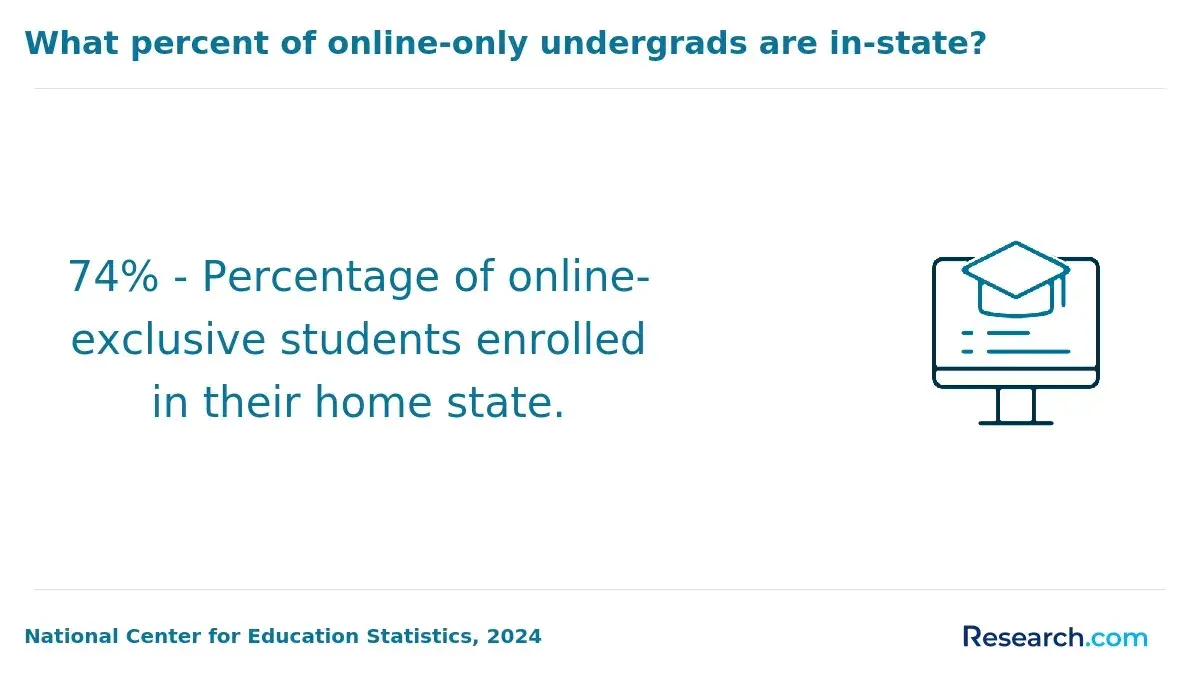
Online management information systems (MIS) programs often fall short in replicating the collaborative, hands-on experiences essential for systems analysts who must navigate complex interactions between IT and business units. Campus-based programs embed students in team settings that simulate real-world problem-solving and interpersonal dynamics valued by employers. Without such peer engagement, online learners may find it challenging to develop the communication skills integral to analyst roles.
However, online MIS offerings provide a practical advantage for working professionals or career changers by focusing on skill acquisition and certifications aligned with workforce needs. Given that most computer systems analyst positions require a bachelor's degree or candidates with business or liberal arts degrees plus relevant skills, according to the U.S. Bureau of Labor Statistics, online programs cater well to those needing flexible, targeted training rather than extended academic credentials.
Industries with strict compliance or security demands, such as healthcare and finance, benefit from campus access to specialized labs and faculty expertise, boosting employability. Conversely, rapidly evolving tech sectors may find online programs better suited to delivering up-to-date technical content.
Prospective students should consider employer perceptions of online degrees locally, the availability of internships, and career services. Campus programs commonly offer on-site internships and job fairs critical for breaking into competitive markets, while online learners must actively pursue remote or virtual networking channels.
Choosing between formats hinges on career goals: immersive campus programs favor those needing strong formal credentials, whereas online pathways emphasize flexibility and immediate skill application.
What admission requirements and prerequisites do MIS programs with analyst tracks usually have?
Admission requirements for management information systems programs with analyst tracks reveal a key tension between foundational preparation and professional readiness. Candidates typically need a bachelor's degree or equivalent, often with prior coursework in computer science, business, or quantitative fields. This baseline ensures students can manage the complex blend of technical and analytical skills demanded by the curriculum. Missing these prerequisites may compel conditional acceptance, creating additional time and financial burdens through supplementary courses.
For example, a mid-career healthcare professional shifting to an MIS analyst role must rapidly acquire competencies in data analytics and enterprise systems to effectively handle clinical information workflows-delays in achieving these skills can slow workforce entry and increase opportunity costs.
Programs increasingly make GRE scores optional but still rely on letters of recommendation that validate analytical and communication skills crucial for stakeholder collaboration and systems integration. Experience is often prioritized, with some programs requiring two or more years of relevant professional background or proof of equivalent learning through bridge courses.
This pragmatic focus aligns with employer expectations, as MIS analyst graduates are expected to contribute directly to business intelligence and system design tasks from day one. The U.S. Bureau of Labor Statistics cites a mean annual wage of $171,200 for related managerial roles, underscoring the premium placed on candidates who demonstrate readiness to navigate both technical complexity and organizational demands effectively.
How can I verify accreditation and quality for MIS programs focused on systems analysis?
Choosing an MIS program requires more than checking regional accreditation; specialized credentials like ABET certification matter for disciplines centered on systems analysis and information technology. Employers expect graduates to master relevant skills such as systems modeling, data analytics, and cybersecurity fundamentals, which means curricula must keep pace with current job market demands.
Graduate employment outcomes within 12 months are a practical measure of program value, especially when aligned with industry sectors like finance or healthcare. For instance, a healthcare firm heavily recruiting systems analysts looks favorably on programs offering courses in healthcare information systems or regulatory compliance, turning academic knowledge into directly applicable workplace expertise.
Faculty qualifications also shape the learning environment. Programs led by instructors with current industry experience or active research in systems methodologies better prepare students to translate theory into practice. The availability of internships and capstone projects further bridges classroom and work settings, enhancing skill acquisition that employers recognize.
Reliable verification tools include government databases such as the National Center for Education Statistics' College Navigator, which confirm accreditation and provide real-time student feedback. Overlooking this due diligence risks enrolling in programs that lack alignment with workforce realities in 2026 and beyond.
What are the salary ranges and earning potential for MIS graduates working as systems analysts?
Salary outcomes for MIS graduates pursuing systems analyst roles vary widely based on specialization, experience, and location. Entry-level analysts typically earn between $65,000 and $75,000 annually, often concentrated in smaller firms or less tech-focused regions. Those with three to five years of experience, particularly skilled in cybersecurity or cloud platforms, can command between $85,000 and $100,000, while senior professionals in major tech or finance hubs may exceed $120,000.
The U.S. Bureau of Labor Statistics projects 34,200 annual openings for computer systems analysts over the coming decade, indicating steady demand. However, the volume of opportunities requires candidates to differentiate through targeted expertise or certifications to access premium salary tiers.
Specializing in tools such as ERP systems, agile methodologies, or data analytics offers a practical route to a 15% or higher salary increase compared to generalist MIS backgrounds. Yet, this specialization demands continuous learning investments that might temporarily delay income growth. Geographic considerations also matter: metropolitan areas pay more, but higher living costs often reduce net advantage.
For professionals pivoting careers, industries such as healthcare IT and financial services present concrete opportunities due to their reliance on systems analysts for compliance and risk management. Choosing a niche aligned with these sectors adds strategic value beyond broad MIS qualifications.
What is the job outlook and industry demand for systems analysts with MIS specializations?
Systems analysts specialized in management information systems navigate complex intersections between technology and business operations, a skill set increasingly vital as industries digitize. Job growth for these roles is projected at 7% through 2034, reflecting steady demand particularly in sectors like healthcare, finance, and manufacturing where tailored digital solutions drive efficiency and cost reduction.
For instance, MIS-trained analysts in healthcare implement electronic health record systems that require fluency in both clinical workflows and IT systems-without such dual expertise, projects frequently encounter communication issues and delays. Employers look for candidates adept in legacy and cloud-based platforms, database management, enterprise resource planning (ERP), and business intelligence tools.
Practical experience remains critical, since theoretical knowledge alone rarely suffices in hybrid technical environments. Relevant certifications in project management or data analytics often enhance an applicant's profile. Graduates from programs like those at the University of Houston demonstrate starting salaries notably above other business disciplines, affirming market recognition for the technical-business integration that MIS fosters.
Prospective students should consider that MIS programs demand substantial commitment across diverse skill domains and require continuous learning to keep pace with evolving technology stacks. Internships or cooperative education provide essential applied experience, bridging academics with the strategic responsibilities expected of systems analysts in dynamic workplaces.
Which certifications and technical skills complement an MIS specialization for systems analyst careers?
Systems analyst roles increasingly demand a strategic balance of certifications and applied technical skills rather than mere credential accumulation. For instance, holders of Certified Business Analysis Professional (CBAP) and Project Management Professional (PMP) certifications gain frameworks that align with employer expectations for managing complex requirements and project delivery, but practical expertise in SQL and database management remains indispensable due to the necessity of optimizing data workflows across sectors like healthcare or finance.
Programming fluency in languages such as Python or Java is not simply academic; it supports rapid prototyping and validation of system modifications in software-dependent settings. Meanwhile, knowledge of enterprise resource planning (ERP) and customer relationship management (CRM) platforms addresses specific industry demands in manufacturing and retail environments. Employers increasingly prioritize candidates who can demonstrate measurable impact-such as reducing inefficiencies or improving software lifecycles-over those who list skill sets without contextual outcomes.
Projected employment growth at 9% over the next decade reflects the rising necessity for interdisciplinary capabilities. Systems analysts are expected to use data analytics tools like Tableau or Power BI to effectively communicate insights to non-technical stakeholders in regulated industries such as government and insurance. Furthermore, foundational cybersecurity knowledge has become a practical safeguard against mounting digital threats.
Pragmatic skill development tailored to particular industry workflows yields the highest employability returns, especially when combined with experience in agile methodologies. For example, workflow optimization in a startup using agile contrasts sharply with compliance-driven processes in banking, influencing which certifications and skills produce tangible advantages.
Other Things You Should Know About Management Information Systems
Specializations involving advanced analytics, cybersecurity, or enterprise systems demand significant time investment and a steep learning curve. This may lengthen your study time but often results in stronger credentials for higher-responsibility roles. Consider your current professional obligations and choose specializations that fit your capacity while positioning you for clear advancement, rather than overextending and risking burnout or incomplete mastery.
Some MIS specializations focus narrowly on tasks that are highly specific to systems analysis, which can constrain transitions into related fields like project management or software development. If long-term job flexibility is a priority, select specializations with transferable skills such as data management, business intelligence, or IT strategy. This strategy preserves your options in evolving tech markets without sacrificing relevancy for systems analyst roles.
A strong MIS path for systems analyst careers usually includes a supervised internship and a capstone project tied to business analysis, database design, or systems requirements. Many programs require 3 to 6 credits for each. Employers also value documented tools such as SQL, ERP systems, and UML.
References
- Your Next Move: Systems Analyst | CompTIA Blog https://www.comptia.org/en/blog/your-next-move-systems-analyst/
- Master’s in MIS in USA: Programs & Career Guide https://futurense.com/blog/masters-in-mis-usa
- Masters in Management Information Systems: MS in MIS - MBA Crystal Ball https://www.mbacrystalball.com/masters-degree/management-information-systems-mis/
- Masters in Management Information System (MIS) - All You Need To Know about it in 2020 | CrackVerbal https://www.crackverbal.com/resources/ms-in-management-information-system/
- Compare Master's in Information Systems Online Programs | edX https://www.edx.org/masters/masters-in-information-systems-online
- Accreditation processes for technical programs https://edquip.co/blog/accreditation-processes-for-technical-programs
- Top 5 Careers For Management Information Systems (MIS) Majors https://cdbusiness.ksu.edu/videos/top-5-careers-for-management-information-systems-mis-majors/
- What is a Systems Analyst's Career | How To Become https://www.computerscience.org/careers/systems-analyst/
- Systems Analyst Certifications: Best Credentials to Advance Your Career | Teal https://www.tealhq.com/career-paths/systems-analyst-certifications
- Management Information Systems Major | SUNY Plattsburgh https://www.plattsburgh.edu/programs/management-information-systems-major.html