2027 MIS Salary by State Report

Co-Founder and Chief Data Scientist
Mid-career professionals targeting roles in technology management often confront a critical dilemma: choosing when and where to deepen their management information systems expertise without sacrificing income or risking obsolescence. With adult learner enrollment growing by over 20% since 2022, according to the National Center for Education Statistics, the pressure to balance flexible learning options against regional salary realities intensifies. This shift signals a workforce valuing accessible credentials but still tethered to geographic income disparities and employer expectations.
This article analyzes management information systems salary variations by state and examines how these differences impact strategic decisions around education and career advancement.
Key Things You Should Know
- States with higher living costs, like California and New York, offer MIS salaries averaging 15% above the national median but require candidates to weigh elevated housing expenses against wage gains, impacting net income.
- Employers in Texas and Washington prioritize MIS professionals with cloud and cybersecurity skills, signaling a workforce trend toward specialized expertise rather than generalist roles, influencing hiring and training investments.
- Midwestern states report slower salary growth despite lower education costs, presenting a cost-benefit tension for candidates balancing affordable upskilling against regional salary ceilings within MIS career paths.
What is the typical MIS salary by state in the United States?
Salary disparities for management information systems roles across the United States are substantial and closely tied to regional economic structures and industry presence. Top-paying states like California, Washington, and Massachusetts offer salaries 15% to 30% above the national average of $84,248, largely driven by strong tech sectors demanding specialized skills in software development, healthcare IT, and finance.
Conversely, states with less tech concentration, such as Mississippi and Arkansas, report typical salaries near $60,000-$70,000, reflecting different employer priorities and local market conditions.
Entry-level positions in management information systems frequently start around $55,000 in lower-wage areas, but professionals can leverage certifications or remote work opportunities to enhance earnings regardless of geography. For example, candidates proficient in cloud infrastructure or big data analytics often command higher salaries in competitive metropolitan markets.
Employers in manufacturing-heavy regions may favor MIS skills applied to supply chain analytics and ERP systems, whereas finance hubs emphasize cybersecurity and data governance, directly influencing compensation levels.
Considering average management information systems salaries by state in the US is a necessary step for students and professionals planning strategic career moves. Balancing these figures with the cost of living and local demand helps align expectations realistically.
Those seeking to deepen their technical qualifications can explore targeted educational paths like a blockchain degree online, which may open niche opportunities in emerging fintech sectors.
Which states offer the highest and lowest salaries for MIS professionals?
States like Washington, Massachusetts, and Oregon lead with the highest MIS salaries by state, exceeding $89,000 annually and surpassing the national average of $76,878. These figures stem from a mix of advanced technology sectors, cost of living considerations, and concentrated demand for roles emphasizing cloud computing and cybersecurity.
For instance, a mid-career MIS analyst in Washington can command over $95,000 due to high employer competition for specialized skills.
In contrast, states with less diversified economies, especially in the Southeast and Midwest, show notably lower management information systems salaries, often ranging from $55,000 to $60,000—20-30% below national averages. Entry-level professionals in these markets may experience slower wage growth and fewer opportunities for advancing expertise in emerging technologies, affecting long-term career mobility. Employers here tend to focus on system upkeep and legacy software, which limits rapid skill enhancement but may offer steadier roles.
Choosing where to pursue a degree or relocate involves weighing these tradeoffs: higher salaries in tech-heavy states come with stiffer competition and living costs, while lower-paying regions might delay skill development crucial for leadership paths. This dynamic directly shapes a professional's return on education investment and marketplace relevance.
For those evaluating academic paths targeting tangible outcomes, reviewing actual cost factors alongside salary projections—including considerations related to an online animal science degree salary—provides a clearer lens on practical employability across regions.
How do MIS salaries vary by degree level and years of experience?
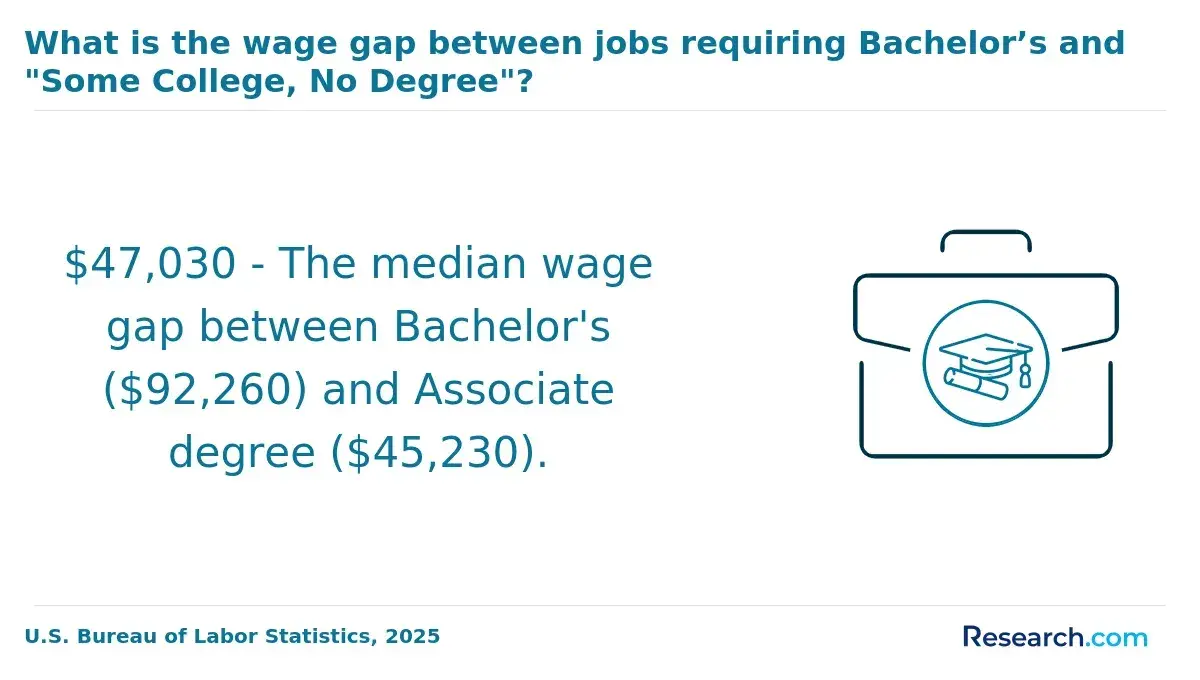
Salary differences in management information systems reflect clear tradeoffs between education and experience, influencing employability and long-term earnings across U.S. states. Holding a bachelor's degree results in roughly 15% lower pay compared to a master's degree, with median salaries near $75,000 for bachelor's holders with 3-5 years' experience versus $90,000+ for master's degree holders at the same level. This gap underscores employer preference for advanced technical and strategic competencies typically gained through graduate study.
Experience further magnifies salary variance: entry-level MIS analysts with under two years earn between $60,000 and $65,000, while seasoned professionals with ten or more years—and ideally graduate credentials—often surpass $110,000 annually. Certain sectors like finance and healthcare place premium value on this combination, shaping hiring and leadership opportunities accordingly.
Geographic disparities compound complexity, with states like Utah, Mississippi, and Hawaii offering significantly lower average salaries compared to New York or California, where total compensation for experienced master's degree holders can exceed $120,000.
For those parsing MIS salary differences by degree and experience levels across states, the decision hinges on whether to enter the workforce earlier with a bachelor's degree or invest time and cost to pursue a master's, gaining access to upper management roles where advanced degrees are increasingly required.
To navigate these realities effectively, candidates should align salary data with industry requirements and consider targeted professional certifications or graduate programs. Comprehensive planning benefits from exploring business schools online that fit these strategic criteria.
Ultimately, the impact of education and years of experience on MIS salaries in the US demands nuanced, context-sensitive evaluation to optimize career decisions within dynamic regional and sectoral labor markets.
What is Management Information Systems and what jobs can this major lead to?
Positions in management information systems often demand a blend of technical skill and business acumen, particularly the ability to translate IT infrastructure into strategies that meet organizational goals. Graduates commonly assume roles such as MIS specialists, business analysts, IT project managers, systems analysts, and database administrators.
For instance, a graduate working in healthcare might streamline patient data processes to cut errors, whereas someone in retail could develop inventory systems to prevent costly stockouts. This is essential when evaluating MIS career opportunities in the United States, as employers weigh both technological proficiency and industry-specific knowledge.
Job growth projections underscore the field's expanding demand; Zippia forecasts a 10% increase in MIS specialist roles from 2018 to 2028, with over 83,000 new jobs and nearly 67,000 openings by 2025.
Candidates must complement technical expertise with effective communication and project experience to remain competitive. Internships and portfolios showcasing system implementations or data analysis significantly enhance marketability.
Industries such as finance, manufacturing, and government place a premium on domain-specific insights alongside cybersecurity and process optimization skills. Students balancing rigorous technical coursework and broad business principles position themselves well for long-term growth in high-paying jobs for management information systems graduates by state.
Those considering a strategic pivot into this discipline may also explore related fields like an applied artificial intelligence bachelor, which intersects with MIS in analytics and data-driven decision systems, offering complementary career pathways.
How do online MIS degree programs compare to campus programs for salary outcomes?
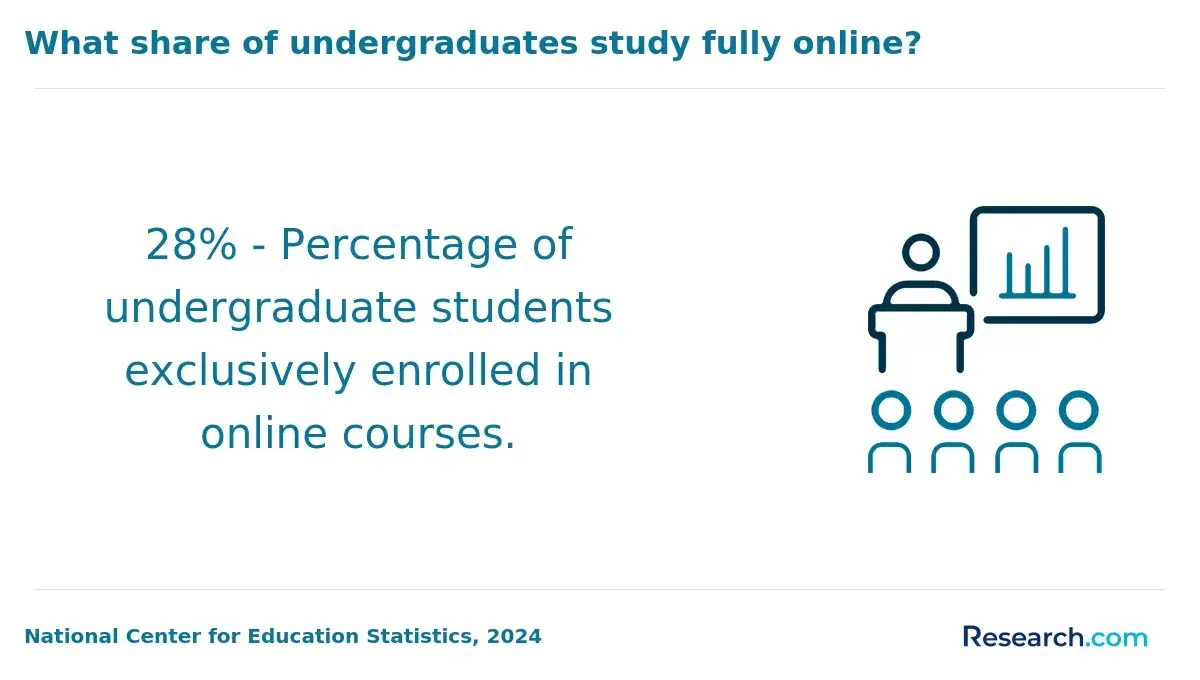
Salary outcomes for online management information systems degrees closely match those of campus programs when both maintain rigorous curricula and proper accreditation. Employers emphasize tangible skills, certifications, and relevant experience over whether a degree was earned online or in person.
However, campus-based programs typically offer more direct networking, internships, and employer connections, which can enable faster salary growth and earlier career milestones.
In North Carolina, for example, an entry-level MIS manager with 1-3 years' experience earns roughly $84,029 annually, while a senior-level manager with over eight years earns about $149,684, illustrating career progression's stronger impact on earnings than initial program delivery. Online learners face the practical challenge of independently securing internships and professional contacts to match this trajectory.
Key workforce considerations include:
- Industries like finance and healthcare often slightly favor campus degrees due to perceived rigor.
- Tech sectors focus on current skills, valuing online and campus degrees more equally.
- Non-accredited online programs or those lacking practical project work risk undervaluation in competitive job markets.
Online students should critically assess accreditation and integrate targeted internships or industry networking to bridge gaps campus settings typically address more naturally. For working professionals, the flexibility of online formats supports uninterrupted career progression, which can help protect or increase earnings by avoiding employment gaps.
What education, skills, and certifications do you need for high-paying MIS roles?
High-paying roles in management information systems demand more than foundational education; they require a strategic blend of advanced credentials and domain-specific skills that meet evolving organizational needs. A bachelor's degree in management information systems, computer science, or related fields serves as a minimal entry point.
Yet, leadership positions increasingly prioritize candidates holding master's degrees with a focus on information systems management or business analytics, reflecting the premium placed on analytical decision-making and oversight capabilities.
Technical expertise must extend beyond theory into specialized competencies based on sector-specific requirements. For instance, an MIS manager in healthcare must navigate patient data privacy laws and implement robust cybersecurity protocols, while manufacturing MIS leaders prioritize fluency with supply chain management software and operational technologies. This underscores the importance of tailoring technical skillsets to industry contexts rather than relying solely on generalized knowledge.
Certifications like CISSP, CISA, and PMP serve as practical differentiators, often correlating with higher salary brackets and accelerated career trajectories. North Carolina's projected 12% salary growth for MIS managers over five years illustrates the increasing market valuation of validated expertise amid regulatory and technological pressures.
Soft skills-particularly leadership and communication-complement technical mastery by enabling cross-functional team management and alignment of IT initiatives with business objectives. Candidates lacking these competencies frequently encounter advancement barriers despite technical proficiency.
How does the cost of an MIS degree compare to typical starting salaries by state?
Degree cost versus regional salary realities create distinct value propositions for students pursuing management information systems. For instance, in Colorado, state reports reveal public-sector IT salaries lag 10-19% behind private industry medians, often leaving graduates in government roles with earnings that may not immediately justify tuition expenditures.
This challenge emphasizes the importance of assessing how quickly an MIS degree's debt load can be recouped based on expected employment sectors and locations.
In contrast, states like California or New York offer private tech entry salaries ranging $70,000 to $90,000, enabling a faster return on a $20,000 to $40,000 degree investment.
However, in markets with lower private-sector wages or a public-sector hiring emphasis-common in some Midwestern states-starting salaries tend to hover around $50,000 to $60,000, complicating the financial feasibility of these programs.
Students targeting MIS roles must therefore evaluate factors beyond tuition sticker price:
- Strong employer networks and internship pathways in tech-heavy states improve earnings potential.
- Public sector focuses demand strategies like part-time enrollment or in-state tuition to contain upfront costs.
- Geographic tradeoffs require considering relocation expenses to access higher-paying markets.
Aligning educational investment with these workforce dynamics supports more strategic decision-making when navigating MIS pathways.
What is the job outlook for MIS graduates and which states have the strongest demand?
The job market for management information systems graduates varies significantly by geography and legislative context, influencing both salary offers and employer expectations.
States with vigorous tech and finance sectors—California, Washington, New York, and Colorado—represent the best opportunities, not only because of higher salary potential but also because their diversified economies embed MIS roles beyond traditional IT, such as healthcare data optimization and financial compliance tooling. Understanding these nuances informs strategic decisions about relocation or remote work.
These states have also adopted pay transparency laws, mandating salary ranges in job postings. This shift benefits candidates by reducing wage negotiation imbalances but introduces the requirement to demonstrate compliance awareness with state-specific regulations.
Employers prefer candidates who combine technical skills—systems analysis, cybersecurity basics, and data governance—with business acumen, reflecting the hybrid nature of contemporary MIS work.
Conversely, states lacking mature tech ecosystems offer fewer opportunities and less transparent compensation, challenging graduates to balance lower living costs against limited market growth. Choosing between these regions involves tradeoffs that impact long-term career trajectories and earning potential.
Prospective professionals must prioritize markets where legislative frameworks support pay clarity and where industry demand aligns with their skill sets, ensuring predictable compensation and robust professional pathways.
How can you verify that an MIS program is properly accredited and industry-aligned?
Accreditation and industry alignment in management information systems programs directly affect employability and skill relevance. Select programs accredited by nationally recognized agencies like ABET ensure adherence to rigorous academic standards and current technological demands.
Evaluating advisory board composition offers practical insight: active involvement of seasoned MIS professionals signals curricula shaped by real-world workflows, especially in specialized areas such as healthcare IT or financial systems where compliance and domain-specific expertise are non-negotiable.
The workforce impact is tangible—programs with strong placement records and available internships provide a competitive advantage amid a tight labor market that projects over 66,000 MIS openings. Students from such programs typically encounter fewer barriers transitioning into roles aligned with employer expectations.
Curriculum currency matters significantly. Inclusion of modern tools like cloud infrastructure, cybersecurity frameworks, and advanced data analytics prepares students for fast-evolving job requirements. Conversely, outdated syllabi risk leaving graduates underprepared for day-to-day enterprise challenges.
Additionally, programs that integrate pathways to vendor-neutral certifications from ISACA or CompTIA bridge the gap between academic knowledge and professional validation, fostering career resilience across industries.
How should prospective students choose the best MIS program for their career and salary goals?
Choosing a management information systems program demands aligning curriculum strengths with distinct industry needs and realistic employment outcomes. For instance, candidates targeting financial services must prioritize programs heavy in data analytics and cybersecurity, while those aiming for healthcare IT roles should verify integration of electronic health record management and regulatory compliance training.
Beyond curriculum content, the value employers place on practical, demonstrable skills has heightened. Programs offering capstone projects or internships embedded in real-world environments consistently outperform in graduate placement and salary outcomes, reinforcing the necessity for applied experience.
Salary data illustrates meaningful growth for MIS specialists, with average earnings increasing from $48,897 in 2021 to $53,400 by 2025, driven by rising industry complexity and demand for up-to-date technical knowledge. Regional salary variations reflect differing local demand and cost of living, making geographic considerations critical for candidates balancing earnings with relocation costs.
Decision factors also include accreditation that affects recruiter recognition and flexible study formats that accommodate working professionals. Additionally, assessing faculty expertise and alumni networks provides insight into long-term career trajectory.
Prospective students should thoroughly analyze employer hiring patterns in their target sector to choose programs that deliver strong, verifiable ROI aligned with practical career and salary objectives.
Other Things You Should Know About Management Information Systems
States with the highest median MIS salaries in 2027 are usually California, Washington, New York, Massachusetts, and Virginia. These markets concentrate major employers, large technology budgets, and high living costs, which push pay above the national median for MIS roles.
Employers in tech-centric states often expect advanced technical proficiency alongside business acumen, while those in less technical markets may prioritize generalist skills with strong project management. Understanding regional industry compositions can guide candidates to tailor their skill development and certifications accordingly, impacting starting salary and advancement opportunities.
Highly ranked MIS programs may offer broader national recognition and more diverse networking but often at a higher cost and increased competition. Regional programs with solid employer connections typically provide easier local placement and internships, which directly influence salary negotiations in that market. For candidates targeting specific states, local program alignment generally yields better employment returns.
Full-time MIS graduate programs often demand 15-20 hours weekly on coursework, limiting substantial job responsibilities during the term. Part-time or evening programs reduce this burden but may extend time-to-degree, impacting earning potential short term. Candidates should balance program intensity with current employment flexibility to avoid burnout and ensure meaningful skill acquisition relevant to their career goals.
References
- How to Choose the Right Online Business Program for Your Career Goals https://www.abms.ch/post/how-to-choose-the-right-online-business-program-for-your-career-goals
- New data reveals the best states to work in a small business - International Accounting Bulletin https://www.internationalaccountingbulletin.com/news/new-data-reveals-the-best-states-to-work-in-a-small-business/
- Online MIS Degrees | Accounting.com https://www.accounting.com/degrees/information-systems/masters/
- How To Get Your Institution Accredited With An Accreditation Management System https://elearningindustry.com/accreditation-management-system-how-get-institution-accredited
- Salary report for job positions - Europe - Paylab.com https://www.paylab.com/salary-report
- Job opportunities and average starting salaries after MIS degrees - MBA Crystal Ball https://www.mbacrystalball.com/blog/2018/08/10/mis-salaries-job-opportunities/
- States with the highest-paid IT specialists https://www.twingate.com/research/it-salaries-by-state
- Best Course for Students Based on Interests and Career Goals https://www.adamasuniversity-newgen.com/blog/best-course-for-students-based-on-interests.html
- How to Choose the Best Career to Study: A Practical Guide for Future Students https://urbeuniversity.edu/blog/how-to-choose-the-best-career-to-study-a-practical-guide-for-future-students
- High-Paying Degrees Spotlight on Management Information Systems https://www.goodgoblin.ai/blog/HighPayingDegreesMIS