2027 Online Management Information Systems Degrees With Data Career Alignment

Co-Founder and Chief Data Scientist
Facing rapid digital transformation and heightened demand for data literacy, professionals in management information systems confront a high-stakes challenge: selecting an educational program that balances flexible learning with robust data career preparation.
The National Center for Education Statistics reports a 15% surge in enrollment for fully online information technology degrees since 2023, signaling growing preference among working adults seeking career pivots without geographic or time constraints. This shift amplifies the urgency to evaluate programs not just by convenience but by alignment with evolving employer expectations for data analytics, cybersecurity, and systems integration skills.
This article examines online management information systems degrees designed to meet these real-world demands and guides readers in navigating options that optimize career mobility and timing.
Key Things You Should Know
- Online management information systems degrees in 2026 often omit emerging AI proficiency training despite a 23% employer demand surge, forcing graduates to pursue costly certifications post-degree to remain competitive.
- The U.S. Bureau of Labor Statistics projects 15% growth in MIS-related roles by 2028, yet 42% of hiring managers in 2024 report recent graduates lack applied project experience, underscoring a critical workforce readiness gap.
- Average tuition for fully online MIS bachelor programs surged 8% in 2024 per NCES data, creating access tradeoffs for mid-career professionals balancing opportunity cost against accelerated market entry timelines.
What is an online management information systems degree and how does it prepare you for data careers?
An online management information systems degree programs combine technical skills in database management, programming, ERP systems, and cybersecurity with applied business knowledge, preparing graduates to meet employer demand for professionals who optimize IT systems aligned with organizational strategy.
This hybrid skill set addresses complex challenges such as integrating patient data securely under HIPAA regulations in healthcare, illustrating how MIS roles directly impact operational efficiency and compliance.
Students pursuing management information systems careers in data analytics online face the tradeoff of flexibility against the absence of immersive, hands-on environments typical of traditional campuses. Employers increasingly require candidates to demonstrate proficiency with real-world software tools and data infrastructure, often through internships or project-based experience that supplements online coursework.
Salary data support this degree's practical value: graduates report median early-career salaries of approximately $65,000, rising to nearly $110,000 mid-career. These figures position the degree in the top quartile for return on investment, reflecting workforce needs for professionals who bridge IT strategy with business decision-making.
Those weighing options should carefully assess program quality and experiential components. Benchmarked resources for comparison include accelerated business programs that may offer complementary pathways or ancillary skills beneficial to MIS students.
How do online management information systems degrees compare with on-campus programs for quality and outcomes?
Online management information systems degrees now rival or surpass on-campus programs in quality and career outcomes, a shift fueled by advanced curriculum design, technology integration, and stringent accreditation.
However, where on-campus programs traditionally offered direct networking through face-to-face interaction, online degrees demand a strategic approach to build professional connections through virtual mentorship, digital career services, and proactive internship pursuits. Practical employability often hinges on the student's initiative to bridge experiential gaps in an online environment.
The employment outlook reflects strong demand for MIS skills: computer and information systems manager roles are expected to grow 15% from 2024 to 2034, with about 55,600 new positions annually, spanning industries such as finance and healthcare. This underscores the importance of programs that pair theoretical knowledge with hands-on projects and internships to meet employer expectations and mitigate skepticism about online credentials.
Comparing how online management information systems degrees perform compared to on-campus programs involves weighing flexible access and diverse cohorts against the potential tradeoffs in in-person networking and immediate experiential learning. Choosing regionally accredited programs with robust career support is essential to optimize these outcomes.
For those evaluating educational pathways, it is useful to consider resources like the best online computer science degree listings, which include accelerated online options with applied learning components tailored to working professionals.
What types of online management information systems degrees are available, from certificates to master's?
Selecting an online management information systems degree option demands balancing time, cost, and anticipated workforce outcomes in a sector where practical technical skills and business insight must converge.
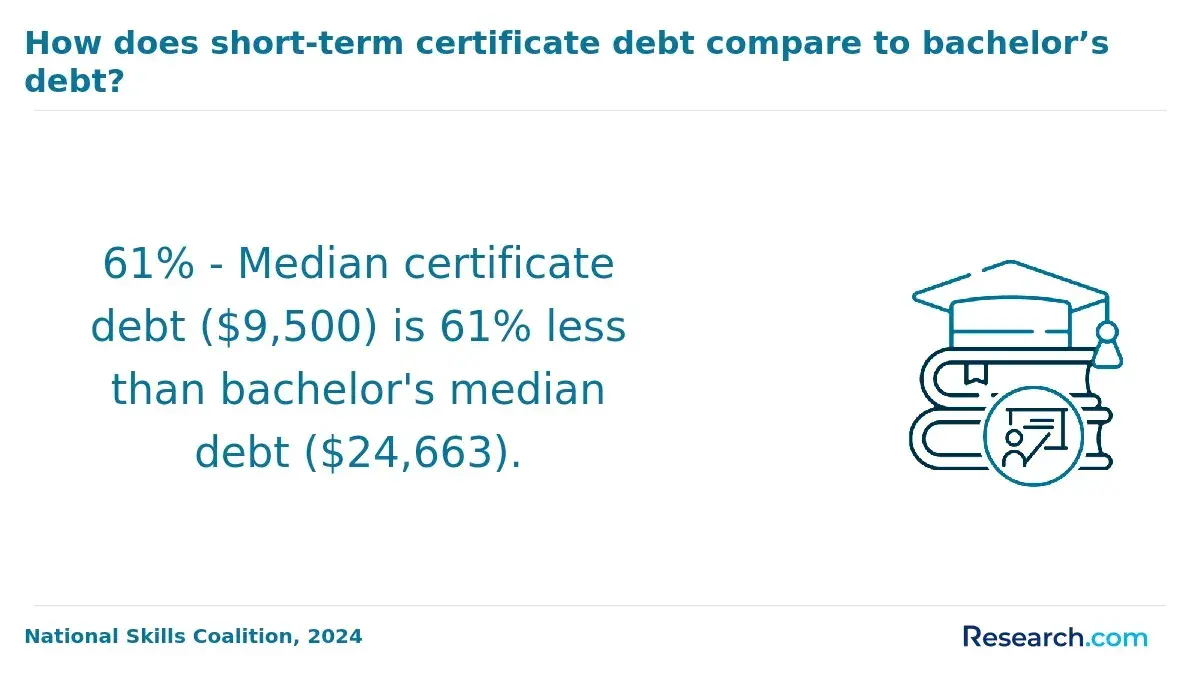
Certificates offer a rapid, targeted credential for IT professionals aiming to shift into specialized management functions without long-term academic commitment; these typically involve under a year of part-time study and focus on areas such as cybersecurity or database management.
Associate degrees provide foundational business and IT knowledge suited for entry-level data support or systems administration roles, requiring about two years. Bachelor's degrees, often the most common pathway, blend technical coursework with business strategy, preparing graduates for multifaceted roles like IT project managers or business analysts.
These four-year programs require significant investment and equip students with skills in enterprise software and data analytics, vital in the broader job market. For those seeking a broader academic perspective, a business administration degree online may also complement MIS expertise.
Master's programs focus on leadership, advanced analytics, and strategic IT management, typically spanning one to two years post-bachelor's. The wage premium at senior levels, exceeding $170,000 median annually, reflects employers' emphasis on candidates who can align IT with business goals and lead teams effectively. Decision-makers must also consider prior experience requirements and program rigors when pursuing master's credentials.
Choosing among management information systems certificate and master's programs entails recognizing tradeoffs between expedited specialization and comprehensive leadership preparation, ensuring alignment with distinct career timelines and employer expectations.
What core courses and data-focused skills are taught in an online management information systems program?
Core courses in online management information systems programs blend foundational IT principles with applied data skills essential for workforce readiness. Curriculum typically covers database management, systems analysis, information security, and data analytics, ensuring students develop actionable data analysis skills in management information systems programs. Programming languages such as SQL and Python are emphasized to automate workflows and handle enterprise data.
Real-world case studies illustrate how MIS professionals streamline data flow in sectors like healthcare, where knowledge of electronic health record systems and privacy regulations impacts patient outcomes, and finance, where predictive models support risk assessment. Employers increasingly demand familiarity with cloud platforms and visualization tools like Power BI or Tableau, reinforcing the need for practical, job-ready expertise.
This discipline requires balancing technical proficiency with business strategy to optimize IT solutions aligned with organizational goals. Graduates who master this dual focus can identify inefficiencies and drive cost reductions or service efficiencies.
Given a projected 36% growth in demand for data professionals through 2031, with roughly 13,500 openings annually, these competencies offer a competitive advantage in a crowded job market.
Prospective students should carefully assess program depth, particularly coding and applied analytics, to meet employer priorities. Those seeking to transfer credits into graduate programs may consider institutions accommodating MBA transfer credits as part of a longer-term career strategy.
How can you verify accreditation and program quality for an online management information systems degree?
Accreditation alone does not guarantee an online management information systems degree will meet practical workforce demands.
Employer preference increasingly favors graduates from programs with regional or national accreditation recognized by the U.S. Department of Education, supplemented by specialized accreditors such as ABET for IT or AACSB/ACBSP for business disciplines. These layers of validation reduce credential verification obstacles and ease eligibility for professional certifications, which can be decisive in competitive hiring scenarios.
Beyond formal credentials, curriculum relevance drives employability. Programs lacking courses in data analytics, cybersecurity fundamentals, and systems design risk producing graduates ill-prepared for an IT sector growing at 17% through 2032, according to BLS data, over three times the average for all occupations. This gap manifests clearly in job placement rates and sector-specific adaptability.
Students should weigh transparent program outcomes like graduation timelines and employer engagement, especially when pivoting into niche areas such as healthcare IT, where sector-specific skills and partnerships influence job market access.
Additionally, the quality of support services for remote learners, such as career counseling, internship facilitation, and technical resources, directly affects the transition from degree to employment in a field defined by rapid technological shifts.
What are the typical admission requirements for online management information systems programs?
Admission to online management information systems programs demands more than just academic qualifications; it reflects a balance between quantitative aptitude and relevant experience. Most programs require a bachelor's degree and a minimum GPA of 2.5 to 3.0, with preference for candidates holding business, computer science, or related degrees.
However, applicants from diverse academic backgrounds can offset gaps by demonstrating professional experience or completing prerequisite technical courses in programming, statistics, or IT fundamentals.
Standardized tests like the GRE or GMAT are often optional but may still influence admissions at selective institutions. A professional resume focusing on IT, project management, or business analysis is typically required to showcase practical readiness. Letters of recommendation focus on analytical skills and capacity to undertake graduate-level study.
The statement of purpose remains a critical component, requiring clear articulation of how the MIS degree aligns with the candidate's career goals, especially for those planning a strategic pivot into data management or technology leadership.
Consider a mid-career professional without a technical undergraduate degree: they will likely face the tradeoff of additional foundational coursework to build the technical base necessary for advancement, whereas recent computer science graduates may focus more on managerial skill development. This divergence reflects workforce expectations, where employers demand both technical acumen and leadership potential.
Financially, management information systems majors report competitive salaries, with Drexel University's LeBow College of Business graduates earning an average of $75,964 one year after graduation for the class of 2024, a metric that highlights the tangible payoff for meeting these selective criteria and cultivating targeted competencies.
How long do online management information systems degrees take and what do they typically cost?
Completing an online management information systems degree requires balancing time, cost, and career goals, with program lengths ranging from about 2 years for associate degrees to up to 4 years for bachelor's degrees, while master's programs often span 18 to 24 months full-time. Part-time study can double these timelines, imposing additional opportunity costs for working professionals.
Financial investment varies notably, with public universities averaging $15,000 to $40,000 for bachelor's credentials and private or specialized master's programs costing $20,000 to $60,000 or more. Employers increasingly seek candidates who combine technical skills, such as data analytics and database management, with strategic business insight, inflating tuition for programs offering specialized, integrated coursework.
For professionals pivoting into data-centric roles, such as a financial services analyst transitioning into MIS, it may be more practical to choose accelerated master's degrees featuring industry-relevant capstone projects to shorten time-to-employment despite higher upfront costs. Conversely, lengthier, less costly bachelor's programs may suit those building foundational skills over time.
Given projected 35% employment growth for data scientists between 2022 and 2032, outpacing average occupational growth, students must weigh tuition and duration against real labor market demand and direct pathways to the workforce. Additional considerations include institution-specific employer networks and internships, which can materially influence career launch speed beyond sticker price alone.
What data-related careers can you pursue with an online management information systems degree?
Data-centric roles linked to an online management information systems degree demand proficiency in both technical and business domains.
For example, a healthcare data analyst improves patient outcomes by scrutinizing electronic health records, whereas a retail business intelligence analyst focuses on consumer behavior to refine marketing approaches. Employers prioritize candidates experienced in database management, SQL, and data visualization tools, expecting a practical grasp of business workflows.
Graduates frequently face the challenge of converting theoretical knowledge into applied skills within cloud architectures and real-time data environments. Targeted internships or industry-simulated projects help bridge this gap. Specializing narrowly in data science tools can constrain adaptability, while broader management information systems competencies covering systems architecture and analytics increase employability but require ongoing skill refinement.
Geographical and sector differences have tangible effects on career outcomes: tech hubs feature opportunities in big data and AI integration, while manufacturing emphasizes analytics for inventory and logistics. Those aspiring to leadership need cross-functional expertise, including data governance and cybersecurity frameworks.
Economic data underlines the value of this pathway. The 2025 College ROI report highlights that a bachelor's degree in management information systems and statistics yields a 10-year earnings premium of approximately $222,000 over a high school diploma.
What salary ranges and job outlook can MIS graduates expect in data-focused roles?
Graduates with a management information systems degree targeting data-centric roles face a clear tradeoff between foundational education and employer expectations for practical technical skills.
Starting salaries generally range from $60,000 to $85,000 but can quickly scale to $90,000-$130,000 within five years, depending heavily on industry and skills specialization. For example, a data analyst fresh out of school might begin near $62,000, yet in sectors like healthcare or finance, where data complexity demands advanced expertise, compensation often surpasses six figures.
Experience during study matters significantly. Over 70% of students in hybrid or online bachelor's programs work concurrently, gaining early hands-on exposure that translates to bargaining power on salary and role seniority. Those entering data scientist or business intelligence analyst positions with additional proficiencies often secure median salaries between $95,000 and $115,000 nationally.
- Job growth projections for MIS data roles are robust, with annual increases estimated between 10% and 15% through 2032.
- Employers prioritize candidates skilled in database management, data visualization, and introductory machine learning, making these essential to avoid early salary stagnation.
- Industry-specific knowledge, such as healthcare data familiarity, often commands wage premiums relative to retail or less technical sectors.
Long-term advancement depends on continual skill development beyond the degree, including certifications in cloud platforms and analytics tools, areas increasingly demanded by employers. The flexibility of hybrid learning formats facilitates this ongoing education for working professionals seeking to maintain market relevance and capture higher pay brackets.
Which certifications and tools best complement an online management information systems degree for data work?
Certifications such as Certified Analytics Professional (CAP), Microsoft Certified: Azure Data Scientist Associate, and AWS Certified Data Analytics - Specialty directly enhance an online management information systems degree by meeting specific industry expectations.
For instance, healthcare analytics roles often require CAP to ensure regulatory compliance and robust predictive models, while technology companies prioritize AWS and Azure credentials for managing complex cloud data infrastructures. These credentials complement but do not replace the practical know-how employers demand.
Proficiency in SQL and Python remains foundational for MIS graduates aiming at data-focused positions. SQL enables effective database administration critical in sectors like finance and e-commerce, while Python supports machine learning workflows and automation, essential in logistics and supply chain analytics.
Hands-on experience with visualization tools such as Tableau or Power BI is frequently cited by employers as a decisive factor. Retail firms leverage Power BI dashboards for agile inventory management, whereas marketing teams utilize Tableau for in-depth customer analytics.
The salary improvement from starting to mid-career management information systems roles, with a reported 67.3% increase by Florida Atlantic University, depends heavily on integrating certifications with real-world applications, not merely obtaining credentials. Without this balance, promotion opportunities and access to high-paying positions remain restricted.
Effective career planning requires allocating study time to certifications alongside practical tool mastery, recognizing that certifications without applied experience rarely yield immediate job readiness or advancement.
Other Things You Should Know About Management Information Systems
In 2027, an MIS program that combines a deep technical curriculum with business acumen is most beneficial for data careers. Employers value graduates who can comprehend business needs and translate them into data-driven solutions, making a hybrid approach ideal.
Employer acceptance of online MIS degrees depends largely on the program's reputation, accreditation, and perceived rigor rather than its delivery format. Degrees from established institutions with robust online platforms receive similar consideration as on-campus degrees, especially when candidates showcase relevant skills and practical experience. However, newer or less-known online programs may require candidates to compensate by obtaining certifications or showing demonstrable project work. In data roles, portfolios with real data projects and familiarity with industry tools often outweigh degree modality in hiring decisions.
An aligned online MIS degree should include statistics, database design, SQL, business intelligence, and introductory Python or R. Look for at least 12 to 18 credit hours in analytics-focused courses, plus a capstone using real business data and tools such as Tableau or Power BI.
Students with prior experience or education in computer science, information technology, or quantitative fields hold a clear advantage for data-focused MIS degrees. This background minimizes the learning curve in programming, databases, and statistics, enabling faster mastery of core data competencies. For those from non-technical backgrounds, programs with built-in foundational courses or a slower pace may improve outcomes but expect a heavier initial workload. When selecting a program, prioritize those aligned with your current skill set and offering adequate bridge courses to mitigate gaps efficiently.
References
- Top Certifications for Management Information Systems Today https://ultimatemanagementsystem.com/best-certifications-for-management-information-systems/
- Online Bachelor's Degree: Computer Information Systems https://www.umgc.edu/online-degrees/bachelors/computer-information-systems
- What is MIS? | edX https://www.edx.org/resources/what-is-a-management-information-system
- Online Bachelor's Degree in Management Information Systems (MIS) | CSU Global | Accredited https://csuglobal.edu/academic-programs/undergraduate-degrees/bachelors-degree-management-information-systems-business-analytics
- Management Information Systems (Online Program) https://www.simpson.edu/academics-programs/all-programs/management-information-systems-online-program/
- 2025's Best Online Master’s in Information Systems (MIS) Programs https://www.onlinemastersdegrees.org/best-programs/information-systems/
- Are Online Degrees Accredited? How to Identify Quality Distance Learning Programs https://www.umassglobal.edu/blog-news/online-degrees-accredited-identify-quality-distance-learning-programs