2027 First MIS Roles for Business Professionals Entering Tech-Adjacent Careers

Co-Founder and Chief Data Scientist
Early-career professionals pivoting into tech-adjacent fields often struggle to locate entry-level roles tailored to recent graduates or certificate holders in management information systems. Employers increasingly seek candidates with practical experience and cross-functional skills, complicating the pursuit of meaningful first positions.
Meanwhile, enrollment in online MIS programs surged over 15% in 2024 according to the National Center for Education Statistics, revealing a shift toward flexible learning that supports working adults but also intensifies competition among graduates. This evolving landscape demands strategic program selection aligned with labor market realities to avoid underemployment.
This article identifies viable initial MIS roles and guides professionals through choices that optimize employment prospects and skill relevance for sustainable career progression.
Key Things You Should Know
- Demand for MIS roles in tech-adjacent fields surged 18% from 2023 to 2025, yet 42% of employers prioritize demonstrated project experience over formal credentials, shifting graduate hiring dynamics.
- Early-career MIS entrants face a median total education-to-employment cost of $57K plus 14 months average job search, prompting evaluation of accelerated versus traditional degree formats for ROI balance.
- Skill obsolescence risk is high: 60% of MIS foundational tools evolve annually, requiring entrants to strategically invest in continuous certifications beyond initial degrees to maintain market relevancy.
What is a Management Information Systems role and how does it fit in business careers?
Positions in management information systems roles in business careers demand a nuanced balance between technical fluency and strategic business insight. These roles do not merely involve IT implementation but require translating complex data into operational improvements that directly impact organizational metrics.
For example, an MIS specialist in healthcare may integrate clinical and financial data to create reporting systems that improve patient outcomes, while in retail, optimizing inventory systems reduces costs and boosts supply chain agility.
Business professional career paths in management information systems favor individuals capable of bridging IT and business units, emphasizing skills like data analysis, project management, and strategic alignment over pure technical certifications.
Hiring trends underscore this: roles connected to data science and machine learning, which share core competencies with MIS, have surged at rates significantly above average labor market growth, signaling robust demand for these interdisciplinary skills.
Prospective students or career changers must recognize the importance of practical experience with platforms such as ERP, CRM, or data visualization tools. Effective employability hinges on demonstrating measurable business outcomes driven by technology adoption, not just technical knowledge. Challenges include managing a broad scope of evolving tools and aligning skills with specific industry needs.
Those deliberate in developing targeted expertise and securing impactful project experience increase their competitive advantage in a crowded field. For individuals considering formal education pathways, exploring an online hospitality management degree can offer comparative insights into structuring career pivots with a focus on practical outcomes.
What entry-level MIS jobs are best for business professionals moving into tech-adjacent work?
Entry-level management information systems jobs for business professionals transitioning to tech-adjacent careers require a blend of domain knowledge and technical aptitude, but each role demands specific tradeoffs between business familiarity and technical upskilling.
Cybersecurity analysts must not only master risk management frameworks and compliance standards but also communicate complex threats effectively to non-technical audiences-an essential skill often underestimated by candidates focused solely on technical certifications.
Roles like IT project coordinator prioritize organizational and workflow management capabilities, serving as the critical interface between corporate units and technology teams. This position benefits candidates with prior business process experience willing to develop foundational IT knowledge rather than deep technical specialization.
Business systems analysts harness domain expertise to translate business requirements into technical specifications, a vital function that accelerates digital transformation in sectors like finance and healthcare.
Prospective professionals should prepare to negotiate system constraints against business priorities and gain proficiency in tools for data modeling and requirements management.
Realistically, the best MIS roles for business experts transitioning to tech-adjacent careers rely on targeted certifications or associate degrees combined with practical training, balancing employability with manageable learning curves.
For those weighing educational investments, pursuing an affordable online computer science degree can complement MIS credentials, broadening technical foundations while controlling costs.
What education or MIS degree do business professionals need for these first roles?
Undergraduate degrees in management information systems serve as a critical investment for business professionals targeting tech-adjacent roles in sectors like insurance and telecommunications, where demand for cross-functional skills surged 82% year-over-year.
Candidates face a distinct hiring expectation: the ability to translate business requirements into scalable technical solutions and support enterprise software adoption under practical constraints.
Entry-level MIS education for tech-adjacent careers must blend fundamentals-such as organizational behavior and project management-with applied technical skills including database management, systems analysis, and programming.
Graduates confident in data governance and workflow automation, for example, can effectively support risk management in insurance, while those with knowledge of cloud platforms and CRM technologies align with telecommunications onboarding roles.
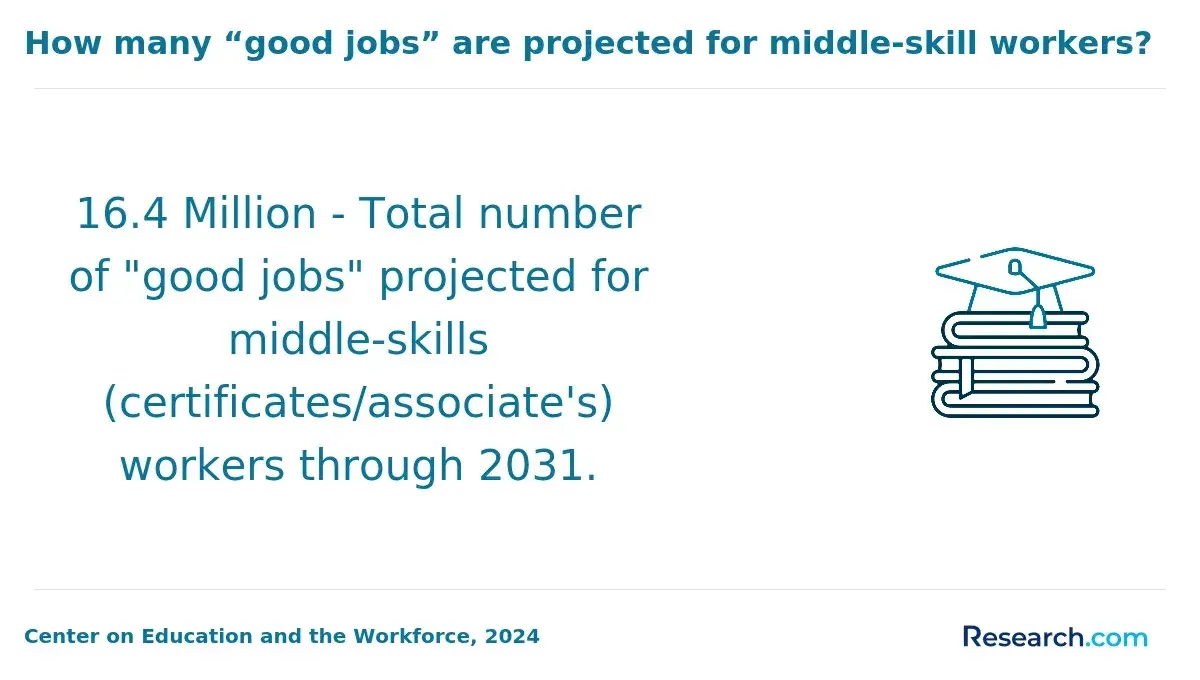
Associate degrees or specialized certificates focusing solely on coding or cybersecurity fall short of preparing candidates for business-technology liaison positions where multidimensional understanding is essential. Practical experience through internships embedded in accredited programs sharply elevates employability, reinforcing competencies in ERP software and agile methodologies.
Prospective students should prioritize programs that incorporate business analytics, systems integration, and organizational change management within their curricula. This focus not only meets employer demands but also anticipates the operational realities of first MIS roles.
For broader strategic considerations, reviewing marketing graduate programs offers insight into complementary pathways that intersect business and technology domains.
How do online MIS programs compare with campus-based options for career changers?
Choosing between campus and online management information systems programs for career changers involves evaluating tangible tradeoffs in scheduling, learning dynamics, and employer expectations.
Campus programs typically mandate full-time presence, but their immersive environments offer robust networking through faculty and recruiter engagement, along with hands-on internships that simulate real-world tech scenarios. This intensive experiential learning fits candidates aiming for rapid, depth-oriented transitions into software development or product scaling roles, where teamwork under pressure is vital.
Conversely, online programs provide greater flexibility for working professionals balancing existing obligations, often allowing modular, part-time pacing. However, this format demands self-discipline and may delay interactive problem-solving critical to mastering complex concepts.
Employers value the immediacy of cohort-driven collaboration common on campus, making online pathways more suited to incremental shifts like moving into data analytics support within an organization.
Key workforce implications include:
- The necessity of physical presence on campus to access collaborative projects and internships promoting hiring in competitive tech-adjacent roles.
- Potential slower acquisition of practical skills through asynchronous online content requiring proactive networking.
- Alignment of program format with career objectives-full immersion for deep skill acquisition versus flexible pacing for technical proficiency.
Between 2015 and 2025, software development and data-driven postings increased by nearly 300% and over 400% respectively, underscoring market demand for hands-on skill sets ideally gained in campus settings.
A finance professional transitioning to MIS software operations benefits significantly from campus capstone projects with real-time team pressures, while those targeting a data analytics role might find an online approach adequate.
Prospective students should also consider that some online MIS programs offer accelerated options, such as a fast cyber security degree, which may provide alternative pathways in tech disciplines complementary to MIS.
Which MIS courses and skills prepare business professionals for tech-adjacent positions?
The value of MIS courses lies in equipping business professionals with a hybrid skill set essential for increasingly technical roles in non-IT sectors, notably professional and business services. Demand for data management, systems analysis, and digital process expertise reflects a labor market where nearly 50,000 tech-related positions appeared outside traditional tech industries in 2023.
Core technical competencies include database design, SQL, enterprise resource planning, and workflow automation-tools that bridge operational strategy with technology.
Practical skill development extends to business analytics, data visualization, and decision support systems, which enable effective interpretation of complex datasets-a capability critical for roles combining IT fluency with marketing or finance insight.
However, students must weigh the opportunity cost of extensive coding or cloud computing upskilling against roles that prioritize process optimization or vendor management.
Consider a CRM analyst tasked with integrating multiple technology platforms while translating technical data into actionable business strategies; success depends on mastering both systems integration and clear communication. Additional emphasis on cybersecurity basics, project management, and system architecture fortifies this dual fluency.
Selective specialization aligned with targeted industries enhances relevance and employability, ensuring coursework remains responsive to evolving labor market dynamics rather than generic technical training.
What admissions requirements do MIS bachelor's and master's programs typically expect?
Choosing a Management Information Systems (MIS) degree involves balancing academic prerequisites with workforce expectations and time-to-value tradeoffs. For bachelor's candidates, the emphasis on quantitative coursework such as algebra, statistics, or computer science is more than bureaucratic formality-it aligns with employer demands for analytical rigor.
Those without a traditional academic history in these areas risk prolonging graduation through foundational courses, which also increases overall costs.
Working professionals pivoting to MIS often substitute relevant experience in business or IT for some academic requirements, but this flexibility varies widely by program. Admissions committees look for a combination of quantitative skills and strategic insight, often requiring personal statements that demonstrate a clear plan to leverage the degree toward tech-adjacent roles.
At the graduate level, a bachelor's degree in a related field plus a minimum 3.0 GPA and GRE or GMAT scores remain common thresholds, though some programs waive tests for applicants with strong professional backgrounds. Letters of recommendation and statements of purpose carry significant weight, especially when applicants lack direct technical backgrounds.
Given the projected 11.7% growth in computer and IT occupations-with roughly 317,700 annual openings according to the U.S. Bureau of Labor Statistics via Pace University-candidates positioned to bridge analytics and business intelligence demonstrate the most favorable employment prospects.
Early assessment of program flexibility regarding prerequisites can help mitigate delays and maximize return on investment after graduation.
How long do MIS programs take, and what tuition, fees, and total costs should I expect?
Duration and format choices in Management Information Systems programs directly affect career trajectory and cost efficiency. Associate degrees typically span two years; bachelor's degrees extend to four years; accelerated bachelor's or post-baccalaureate certificates condense learning into 12-24 months for professionals balancing work; and master's degrees generally require 1.5 to 2 years, with part-time and online options sometimes shortening this.
These timelines are more than scheduling details-they influence how quickly a student can pivot into roles addressing urgent industry needs such as cybersecurity risk and compliance.
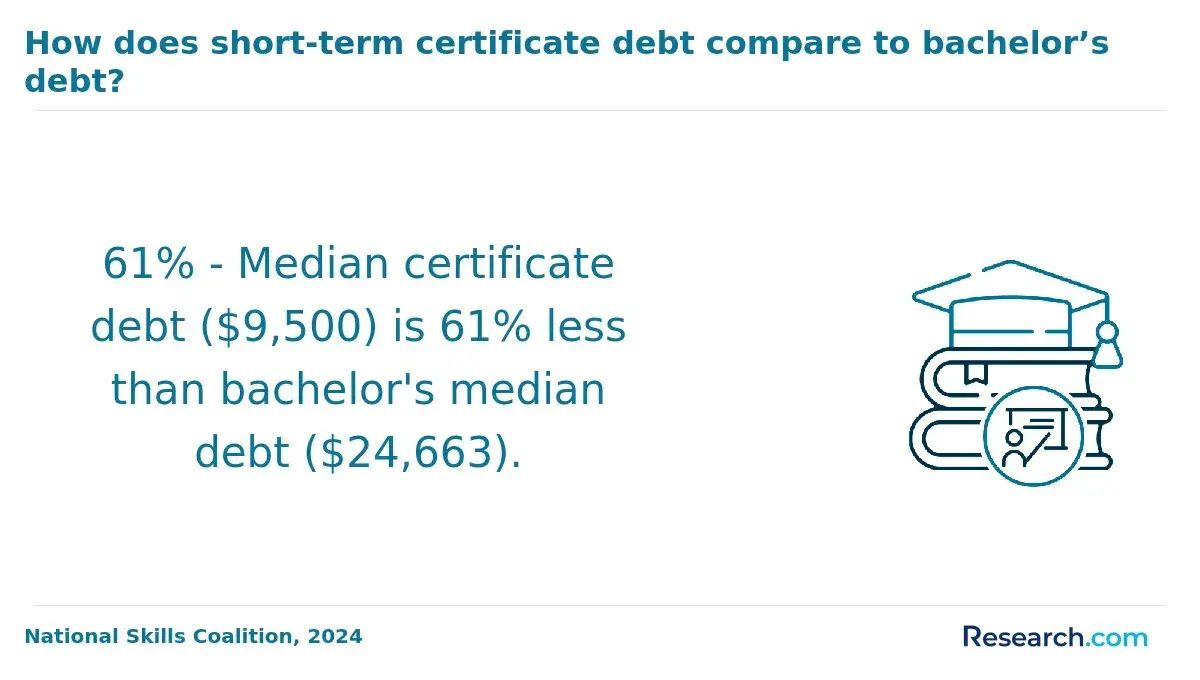
Cost considerations: public in-state bachelor's programs average $10,000-$12,000 per year, totaling $40,000-$120,000, while private institutions exceed this range. Associate degrees cost $6,000-$15,000 in total, and graduate degrees range from $20,000 to $60,000.
Additional expenses-fees, textbooks, technology-add roughly 10-20% to tuition. These figures must be weighed against program relevance and depth; mere speed or lower price can compromise employability, especially in sectors hit by a projected $5.5 trillion global IT skills shortage by 2026.
Consider a mid-career finance analyst moving into cybersecurity risk management. Investing 15 months in a part-time master's emphasizing sector-specific skills may accelerate salary growth more than a longer bachelor's path.
Conversely, high school graduates benefit from comprehensive bachelor's programs building foundational business-IT integration skills demanded by employers. Practical, experiential learning components significantly affect job readiness, making curriculum scrutiny essential.
What salaries and career growth can business professionals expect in early MIS roles?
Entry-level positions in management information systems often start with salaries between $50,000 and $65,000, varying significantly by industry and location. For instance, IT support specialists in financial services typically earn toward the upper end, whereas nonprofit or government roles trend lower.
In practice, employers replace roughly 49,000 IT support specialists annually, reflecting steady demand for frontline tech positions that combine customer service and technical troubleshooting.
The pathway from these roles to more analytical or strategic positions requires deliberate skill-building beyond routine tasks. Certifications such as CompTIA A+ or Network+ accelerate progress into roles like systems analyst or junior business analyst within 2 to 4 years, particularly when paired with hands-on experience managing enterprise software issues.
However, the routine nature of early MIS roles risks limiting exposure to complex systems without proactive learning.
Students aiming for long-term growth must weigh the tradeoff between quick employment and sustained technical development. Programs offering internships and labs tied to service desk or system support work provide tangible workplace value.
Developing problem-solving agility and technical fluency under pressure is essential to avoid early stagnation and leverage the high volume of entry hiring into specialized or managerial tracks.
Are there certifications that strengthen applications for first MIS and tech-adjacent jobs?
Certifications can decisively influence the trajectory of entry-level roles in management information systems, provided they align closely with the target industry and the role's technical demands. Employers favor credentials that demonstrate specific tool and framework expertise rather than broad, generalized certificates.
For instance, in healthcare IT, certifications related to Electronic Health Records or industry-specific protocols carry more weight than generic IT certifications.
Key certifications that improve early MIS career prospects include:
- CompTIA IT Fundamentals+ and A+ for foundational technical skills applicable across varied MIS support roles.
- Certified Business Analysis Professional (CBAP) or Entry Certificate in Business Analysis (ECBA) for roles focused on requirements gathering and process improvement.
- Microsoft Certified: Power Platform Fundamentals for professionals engaged in automation and digital transformation.
- Google Data Analytics Certificate or Microsoft Certified: Data Analyst Associate for data-driven decision support functions.
With nearly 318,000 annual openings expected in computer and information technology fields through 2034 (U.S. Bureau of Labor Statistics), strategic certification choices can accelerate access to these opportunities.
A finance professional transitioning to MIS, for example, will benefit more from data analytics certificates and process optimization tools relevant to banking than from hardware-centric certifications.
Yet, certifications rarely substitute for hands-on experience. Employers typically require candidates to complement credentials with internships, co-ops, or portfolios that demonstrate applicable business-technology problem solving. Students must balance credential acquisition with real-world project involvement.
Finally, given the cost and time investment, entry-level MIS candidates should prioritize software-specific and business analysis certifications, which tend to offer more immediate market value than higher-cost vendor-neutral credentials best pursued after gaining workforce exposure.
How can I evaluate accredited MIS programs and choose a reputable U.S. school?
Programs in Management Information Systems (MIS) must be rigorously accredited by bodies like AACSB or ABET to ensure curricula meet employer expectations and industry standards. This accreditation directly affects graduate qualification for sought-after certifications such as CISA or CBAP, which can differentiate candidates in competitive hiring markets.
Evaluating employment rates and median starting salaries within 6 to 12 months post-graduation provides concrete evidence of program effectiveness; for instance, sub-$60,000 starting salaries for MIS analyst roles often indicate insufficient industry alignment.
Curriculum depth matters: strong programs integrate practical tech skills-database management, cybersecurity, systems analysis-with essential business process knowledge and project management. Employer-integrated internships or capstone projects, especially in finance, healthcare, and consulting, strengthen workforce readiness.
Geographic location also impacts access to hiring pipelines; metros and tech hubs typically offer broader rotational roles and faster placement, a critical consideration for professionals pivoting mid-career who need flexible, accredited part-time or online formats to minimize disruption.
The U.S. Bureau of Labor Statistics reports a median annual wage of $105,990 for IT occupations, illustrating MIS's market premium. However, transparency in graduation rates, debt, and alumni employment data is vital to avoid schools with inconsistent or withheld outcome information.
Programs verified by third-party or statewide data portals offer more reliable insights, helping candidates gauge long-term return on investment precisely.
Other Things You Should Know About Management Information Systems
The workload in initial MIS positions often requires balancing technical problem-solving with ongoing communication between business and IT teams. Unlike purely business-focused roles, early MIS jobs demand continuous learning of evolving software and systems, which can increase after-hours study or certification efforts. Candidates should prioritize programs or training that integrate hands-on IT experience to reduce the post-hire ramp-up period and better manage workload intensity.
Business professionals entering MIS roles benefit most from programs that maintain a balanced focus, but if forced to choose, prioritize technical depth early on. Employers expect MIS entrants to bridge gaps by understanding core IT infrastructure and practical system management before deeply engaging in strategy. Strategic skills remain critical but should follow once technical competence is established, as inadequate tech knowledge at entry-level negatively impacts initial employability and on-the-job performance.
In 2027, employers view MIS graduates with systems concentrations as adept in IT infrastructure and process optimization, while data analytics graduates are valued for extracting insights from complex datasets to drive strategic decisions. Both concentrations are seen as critical for tech-adjacent roles but cater to distinct functional areas.
Employers value internships that include ERP support, business analysis, SQL reporting, or process improvement work. A 10- to 12-week internship with deliverables tied to requirements gathering, dashboard building, or ticket resolution shows practical exposure and reduces the need for full-time training in a first MIS job.
References
- 2025's Best Online Master’s in Information Systems (MIS) Programs https://www.onlinemastersdegrees.org/best-programs/information-systems/
- Top Jobs for Management Information Systems Graduates - Biz Systems News by Workato https://bizsystemsnews.com/top-jobs-management-information-systems/
- High-Paying Degrees Spotlight on Management Information Systems https://www.goodgoblin.ai/blog/HighPayingDegreesMIS
- 5 Entry-Level Tech Roles to Kickstart Your Career with No Experience https://www.learningpeople.com/uk/career-insights/blog/5-entry-level-tech-roles-to-kickstart-your-career-with-no-experience/
- Career services recommends these roles to business majors seeking high pay and strong futures - College Recruiter https://www.collegerecruiter.com/blog/2025/11/18/career-services-recommends-these-roles-to-business-majors-seeking-strong-pay-and-strong-futures
- Leveraging Certifications to Stand Out in the Tech Job Market https://www.ironhack.com/us/blog/leveraging-certifications-to-stand-out-in-the-tech-job-market
- MIS in USA: Top Universities, Eligibility, Cost, and Salaries | YMGrad https://ymgrad.com/article/mis-in-usa
- What Jobs Can I Get With a Bachelor's Degree in MIS? | CSU Global https://csuglobal.edu/blog/what-jobs-can-i-get-bachelors-degree-management-information-systems
- Which Online Programs Are You Competing Against? https://encoura.org/resources/wake-up-call/which-online-programs-are-you-competing-against
- Current Information Systems Management major worth it? https://community.spiceworks.com/t/current-information-systems-management-major-worth-it/463202