2027 Best Online MIS Programs for Professionals Moving From IT Support Into Systems Careers

Co-Founder and Chief Data Scientist
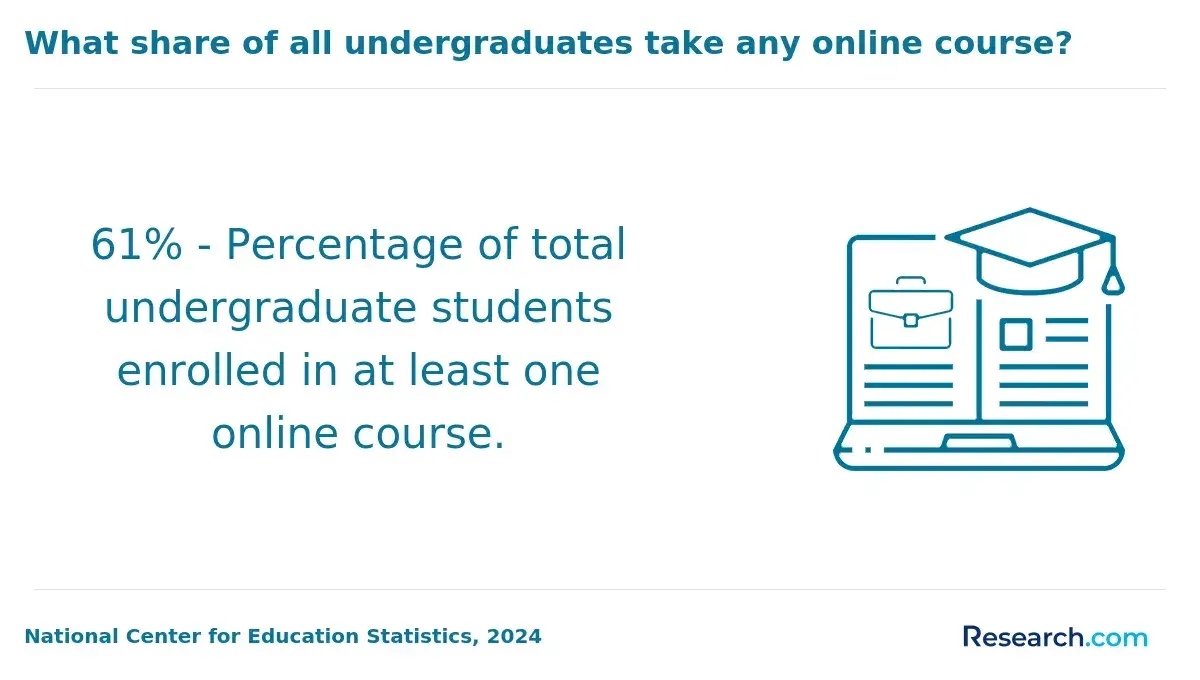
IT support professionals aiming to transition into systems roles face a narrowing window to capitalize on emerging MIS career opportunities before market demands outpace their current credentials. According to a 2024 National Center for Education Statistics report, adult learners increasingly favor online programs that offer flexible pacing-reflecting a shift toward education models that accommodate full-time work schedules and family obligations.
This trend complicates decisions around program selection, as not all online MIS degrees deliver equivalent industry recognition or practical skills. This article evaluates the best online MIS programs designed specifically for professionals pivoting from IT support, focusing on factors that influence timely career upgrades and skill applicability in complex enterprise environments.
Key Things You Should Know
- Post-2024 labor data shows MIS grads pivoting from IT support face a 15% salary growth tradeoff versus direct MIS hires, pressing students to balance accelerated credentialing against longer-term income gains.
- Employers now prioritize candidates with hybrid MIS-project management skills, creating a workforce divide where purely technical IT support skills no longer guarantee career mobility into business-centric systems roles.
- Rising tuition inflation combined with average MIS degree completion times exceeding 3 years delays critical career transitions, disproportionately impacting mid-career professionals balancing cost and time constraints, per recent NCES findings.
What is an online management information systems degree and how does it support a move from IT support into systems roles?
Transitioning from frontline IT support to strategic systems roles demands competencies rarely developed in entry-level positions. Online management information systems degree programs for IT support professionals address this gap by equipping learners with skills in business process optimization, data analytics, and enterprise systems integration.
These programs cultivate an understanding of data governance, IT alignment with organizational objectives, and leadership-capabilities critical for roles like systems analysis or IT project management.
For example, someone moving into healthcare IT must navigate compliance complexities and stakeholder communication to design scalable, secure solutions; misunderstandings in these areas can impede both projects and career growth. The curriculum typically integrates database management, enterprise architecture, decision support systems, and strategic management, fostering a hybrid of technical proficiency and business acumen demanded by employers.
Professionals pursuing this pathway should expect real-world challenges such as adapting to organizational KPIs, mastering project management frameworks, and translating technical jargon for executives.
Online MIS programs often incorporate applied case studies simulating these demands to accelerate workplace readiness. U.S. News reports computer and information systems managers earning a median annual wage of $169,510 in May 2024, reflecting the premium associated with advanced management responsibilities seldom acquired through IT support roles alone.
Those evaluating this shift can also consider complementary fields demonstrated by blockchain degrees to broaden their technological and strategic expertise further.
How do online MIS programs compare with campus-based options for working IT support professionals?
Online management information systems programs for working IT support professionals offer flexibility that supports ongoing employment, but this convenience often comes at the expense of immersive experiential learning.
For instance, an IT support specialist working shifts in healthcare may efficiently attend evening online classes to deepen systems analytics knowledge without interrupting work, yet miss out on the direct mentorship and collaborative problem-solving fostered in campus-based environments.
Campus versus online management information systems degrees for IT support career advancement reveal distinct tradeoffs. Campus programs provide intensive, hands-on lab work and face-to-face team projects, which better simulate the complex real-world scenarios employers prioritize when assessing candidates for managerial roles.
Online programs, while accessible and convenient, must bolster learning with robust virtual collaboration and industry-aligned capstone projects to approach similar outcomes.
The Bureau of Labor Statistics projects 10% growth for computer and information systems managers over the next decade, emphasizing demand for professionals who blend technical expertise with strategic leadership. Those assessing pathways should verify accreditation and employer connections closely, as program quality varies. Reliable workforce integration requires balancing immediate work demands against the need for deeper leadership development.
Prospective students may also consider options highlighted among the most cost-effective pathways, such as in health information management degree online, which can intersect with MIS skills in healthcare IT support roles.
Which types of online MIS degrees are best for transitioning from IT support to systems careers?
Transitioning from IT support to systems-focused roles demands more than technical know-how; it requires mastery of enterprise architecture, strategic IT management, and systems integration. Online MIS degree programs for IT support professionals that target hands-on applications such as real-world systems implementation and vendor platform management better prepare candidates for strategic responsibilities beyond basic troubleshooting.
An IT support professional pivoting to healthcare IT systems, for example, benefits from degrees incorporating healthcare informatics and regulatory compliance, aligning skills with industry-specific workflows and hiring criteria. Employers in sectors like finance and government expect graduates to demonstrate proficiency in IT governance, data stewardship, and lifecycle management-areas often underemphasized in standard IT training.
Cost remains a significant factor; according to GetEducated's 2025 data, the most affordable online MIS master's costs $9,320 total tuition at Georgia College & State University, showing viable budget-conscious options. However, programs must balance affordability with employer recognition to mitigate risks posed by competing candidates with extensive field experience.
Effective programs typically include:
- Case studies in practical systems engineering and integration
- Advanced database design and cloud computing techniques
- Exposure to IT governance frameworks and compliance standards
- Flexible scheduling suited for working professionals
Those evaluating pathways toward systems careers will also find value in related business administration courses online, which offer complementary skills for leadership roles.
What admission requirements do online MIS programs typically have for applicants with IT support experience?
Admission to online MIS programs for IT support professionals demands a balance between academic credentials and practical experience, reflecting employer expectations for advanced technical roles. Typically, applicants need a bachelor's degree-often in STEM or business fields-with a minimum 3.0 GPA to signal readiness for complex coursework.
However, programs sometimes consider candidates with unrelated degrees if paired with substantial IT support experience, acknowledging diverse professional backgrounds encountered during a systems transition.
Professional experience requirements usually range from 1 to 3 years, focusing on technical roles involving systems, networks, or user support. Those without formal degrees but with over five years of relevant work might access conditional admission or bridge courses, which add time and expense but can bridge skill gaps.
Standardized tests like the GRE have become optional but remain in use when academic records do not fully demonstrate preparedness. Letters of recommendation should emphasize problem-solving and technical aptitude, while a statement of purpose must clearly connect the applicant's current IT support role to their goal of systems management.
Applicants weighing eligibility criteria for MIS programs for IT support to systems transition must consider tuition costs, which average around $16,850 annually-about 35% higher than on-campus options, underscoring the importance of avoiding remedial coursework that prolongs degree completion.
For example, a network technician aiming at enterprise systems design should ensure their portfolio meets baseline requirements to minimize delays. Prospective students may also benefit from exploring related fields such as artificial intelligence degree programs, which can complement MIS expertise in data-driven environments.
How can you verify that an online MIS program is properly accredited and respected by employers?
Accreditation from agencies recognized by the U.S. Department of Education or the Council for Higher Education Accreditation is the most reliable indicator of an online MIS program's legitimacy and employer acceptance. Institutions lacking such validation often produce graduates who face significant challenges with job placement or credential recognition.
For example, a professional moving from IT support to systems analysis must weigh a program's completion statistics, since average six-year graduation rates for online MIS programs sit around 58%, compared to 64% on campus, reflecting a persistent gap in student persistence and institutional support.
Programs that integrate industry certifications and practical projects typically offer better alignment with workplace expectations, enhancing employability beyond theoretical understanding. Prospective students should request concrete data on alumni employment specifically in IT management or systems analyst roles rather than relying on generic career service claims.
Core factors influencing successful outcomes include accessibility of academic advising, technical support, and career resources, which directly affect student retention and skill acquisition. Transparency in outcomes data and workforce metrics across multiple years is essential for comparing programs meaningfully and anticipating return on investment.
Avoid programs with opaque or inconsistent data, as these often correlate with lower employer respect and stagnating professional growth. Prioritizing programs with demonstrable outcomes and clear integration of industry expectations mitigates risks tied to the competitive nature of the mis job market.
What core courses and specializations in online MIS programs prepare you for systems analyst and related roles?
Transitioning IT support professionals into systems analyst roles via online management information systems programs hinges on mastering analytical frameworks crucial for interpreting business requirements and translating them into IT solutions. Core curricula concentrate on systems development life cycle (SDLC), requirements specification, database management, and business process design-skills essential for bridging the technical-business divide.
Specialized tracks such as enterprise architecture and cybersecurity management provide domain expertise necessary for sectors with strict compliance needs, like healthcare and finance. For example, enterprise architecture education focuses on aligning complex IT infrastructures with strategic goals, which is vital for maintaining organizational interoperability and regulatory adherence.
Programs commonly embed practical, project-based learning that simulates challenges like optimizing supply chains or modernizing legacy manufacturing systems. This approach sharpens problem-solving and diagnostic skills, meeting employer expectations for analysts who swiftly identify inefficiencies and recommend tailored IT interventions.
The educational tradeoff lies in balancing technical rigor with communication and stakeholder management competencies. Coursework emphasizing user experience and change management prepares graduates to negotiate the human factors that frequently complicate systems implementation.
The U.S. Bureau of Labor Statistics projects an 11% growth in computer systems analyst roles over the coming decade, reflecting a persistent demand for professionals who combine IT technical depth with strategic business understanding.
How long do online MIS programs take to complete and what scheduling options exist for full-time workers?
The duration of online management information systems programs hinges largely on enrollment status and scheduling, with full-time options completing in 18 to 36 months and part-time paths often extending that timeline by twice as much. For IT support professionals, asynchronous course formats are pivotal, allowing study outside standard 9-to-5 hours and fitting education around work demands without rigid class times.
Part-time pacing reduces weekly academic workload to about 10-15 hours but requires longer overall commitment, which may challenge sustained motivation. Accelerated tracks, compressing the curriculum into 12 to 18 months, demand intense focus and are feasible primarily when employment can be temporarily deprioritized. This tradeoff involves weighing faster degree completion against increased stress and potential productivity loss at work.
Modular or cohort-based program designs offer another method to manage workload by limiting concurrent courses, enabling focused learning on complex MIS topics. This approach can help students juggle fluctuating job responsibilities while making steady progress.
Given that MIS graduates start at a median salary near $68,000, assessing employer flexibility and personal capacity is essential. Students must navigate between course load intensity and career obligations, recognizing that programs with clear asynchronous paths and staged curricula minimize burnout risks and better align with realistic professional commitments.
- Flexible asynchronous schedules support working professionals.
- Part-time extends duration but lightens weekly hours.
- Accelerated programs require temporary employment adjustments.
- Modular/cohort formats help manage workload fluctuations.
- Salary data justify investment if workload balance is maintained.
How much do online MIS programs cost and what financial aid or tuition assistance can IT professionals use?
Tuition for online Management Information Systems master's programs in 2026 ranges from approximately $15,000 to $45,000, influenced strongly by public versus private institutions and residency status. Choosing an in-state public university or programs designed for working adults with accelerated schedules can reduce costs significantly, while private schools and out-of-state fees push expenses higher, necessitating careful financial planning.
Federal financial aid options such as Direct Unsubsidized and Grad PLUS loans provide accessible credit, but managing debt responsibly remains essential. Employer tuition reimbursement programs offer a practical funding route, especially within tech and finance sectors where companies support transitions from IT support roles to systems analysis positions. A common approach involves negotiating partial tuition support combined with federal loans to balance out-of-pocket costs.
Scholarships targeting MIS or IT professionals are not widespread but may be obtained through relevant industry organizations or local business groups. Candidates should evaluate programs that offer transparent, fixed tuition payments and clear employer partnerships, as this reduces risk. Confirming policies on credit transfers, accelerated tracks, and part-time options also mitigates income disruption during study.
For example, a mid-sized tech firm employee focusing on professional development might secure tuition assistance while leveraging loans for remaining expenses. This strategy aligns with data from the University of Texas at Dallas and the Bureau of Labor Statistics, which report median wages near $103,790 for computer and information systems analysts in May 2024.
What systems-focused careers can IT support professionals pursue after earning an online MIS degree?
Choosing a career path after earning an online management information systems (MIS) degree involves weighing strategic planning roles against technically focused positions, each demanding different professional skills and offering distinct trajectories. Systems analyst roles, for example, require optimizing and designing technology workflows tailored to industries like finance or healthcare, providing clear operational impact but usually limited to department-level influence.
Enterprise architect positions demand a broader business perspective and stewardship of IT alignment with corporate goals, typically suited for candidates ready to accumulate cross-functional experience and handle the complexity of large organizations' digital transformation efforts. This path often extends the timeline before leadership roles become accessible.
IT project management blends technical knowledge with team leadership across sectors such as manufacturing and logistics, where delivery under deadlines and budgets is paramount. Meanwhile, database administration and network systems management focus more narrowly on infrastructure reliability and cybersecurity-areas increasingly prioritized due to rising compliance and threat landscapes.
Cost plays a decisive role in program selection. For instance, Texas A&M's Flex Online MIS charges $45,000 for in-state residents and $54,000 for others, which should be evaluated against anticipated salary increases and career mobility after graduation.
- Systems analyst: optimizing technical workflows
- Enterprise architect: strategic alignment and digital transformation leadership
- IT project manager: implementation under constraints across industries
- Database/network management: infrastructure and security focus
What salary ranges and job outlook can MIS graduates expect in systems-focused information technology roles?
Graduates transitioning from IT support to systems-focused roles face a significant shift in required skills and earning potential. Salaries typically range from $70,000 to $115,000 annually, with systems analysts and IT project managers earning between $90,000 and $105,000 as median values. Specialized industries such as finance and healthcare frequently offer salaries exceeding $110,000, reflecting the premium placed on technical proficiency and regulatory knowledge.
Employment in systems roles is projected to grow roughly 8% through 2032, which outpaces average occupational growth, but this expansion is uneven. Candidates in technology hubs like California and Texas encounter faster advancement opportunities and higher pay than those in less concentrated regions.
Job market competitiveness requires graduates to distinguish themselves beyond a degree. Recruiting firms now expect a combination of technical management information systems knowledge and competencies in project management, system integration, and business processes. This hybrid skill set aligns with roles such as business systems analyst or systems integration specialist, which reward both technical and strategic thinking.
Continuing education is indispensable due to the complexity of modern systems. Targeted certifications or courses in cloud computing and cybersecurity notably enhance employability and salary negotiation leverage.
- Salaries vary substantially by industry and geography, emphasizing the need for targeted career planning.
- Practical experience combined with certifications is often crucial to outperform competition in a crowded online program market.
- Regional disparities in demand mean graduates must balance relocation considerations against local opportunities.
Other Things You Should Know About Management Information Systems
Online MIS programs commonly require balancing technical assignments, case studies, and group projects alongside work obligations. Full-time IT support professionals should carefully evaluate program pacing options: accelerated formats may compromise depth and increase stress, while part-time tracks extend total completion time but preserve quality of learning.
Programs offering asynchronous coursework and flexible deadlines are preferable for professionals needing to maintain job performance while advancing their systems expertise.
Specialized MIS tracks focused on systems analysis, enterprise architecture, or IT project management provide specific tools and terminology that align closely with employer expectations for systems roles. Generalist curricula offer broader business-IT integration skills but may require additional time or certifications to qualify for specialized positions.
For those targeting systems analyst roles straight out of an online MIS program, prioritize programs with targeted specializations and relevant practical components.
Most online MIS programs ask for a bachelor’s degree and basic computer literacy, not a prior business major. Some require introductory statistics or programming knowledge, and a few expect 2 to 5 years of IT work experience. Applicants may also need transcripts, a résumé, and a statement of purpose.
References
- 2025's Best Online Master’s in Information Systems (MIS) Programs https://www.onlinemastersdegrees.org/best-programs/information-systems/
- What to Expect from an Online Master’s Program While Working Full-Time https://www.swissuniversity.com/post/what-to-expect-from-an-online-master-s-program-while-working-full-time
- Accredited Online Courses: How to Pick Programs That Actually Count https://www.upskillist.com/blog/accredited-online-courses-how-to-pick-programs-that-actually-count/
- Are Online Degrees Accredited? How to Identify Quality Distance Learning Programs https://www.umassglobal.edu/blog-news/online-degrees-accredited-identify-quality-distance-learning-programs
- Online vs Campus Information Systems Degree Programs: Complete Comparison https://hakia.com/compare/information-systems-online-vs-campus/
- Information Technology and Systems | University of Phoenix https://www.phoenix.edu/articles/it/information-technology-and-systems-differences.html
- 2025 Most Affordable Online Master's Programs https://www.onlineu.com/most-affordable-colleges/masters-degrees
- MIS - Career Options https://departments.fmarion.edu/business/mis-career-options.html
- What Jobs Can I Get With a Bachelor's Degree in MIS? | CSU Global https://csuglobal.edu/blog/what-jobs-can-i-get-bachelors-degree-management-information-systems
- Companies That Pay for Your Degree | ComputerScience.org https://www.computerscience.org/resources/companies-that-pay-for-college/