2027 MIS Specializations That Best Match Healthcare and Financial Systems Careers

Co-Founder and Chief Data Scientist
Facing the challenge of aligning MIS specializations with the nuanced demands of healthcare or financial systems can determine career trajectory and earning potential. Many professionals struggle to identify programs that deeply integrate regulatory compliance, data security, and domain-specific analytics-skills employers now prioritize amid surging digital transformation.
A recent National Center for Education Statistics report notes a 15% increase in flexible online graduate program enrollments, reflecting adult learners' need for adaptable paths that fit work-life constraints. This surge signals a shift toward modular, industry-focused curricula that balance skill acquisition and accessibility. This article examines the MIS specializations that best address these sector-specific requirements, guiding practical education choices for targeted career advancement.
Key Things You Should Know
- The shift toward specialized MIS tracks in healthcare and finance amplifies employer emphasis on domain-specific certifications, with 67% of large health systems preferring candidates holding combined MIS and clinical informatics credentials, creating a credentialing tradeoff that delays entry by 6-12 months but increases median salaries by 15% per US Bureau of Labor Statistics 2024 data.
- Financial firms' adoption of advanced MIS analytics tools demands fluency in blockchain and machine learning, where 58% of hiring managers report candidate skill gaps, pressuring MIS students to pursue costly supplementary bootcamps beyond traditional curricula, elevating upfront education expenses 20-30% according to a 2024 Deloitte workforce survey.
- Post-pandemic MIS program restructuring has compressed core curriculum timelines, from 48 to 36 credit hours in many institutions, fast-tracking workforce entry but reducing experiential learning exposure, which correlates with a documented 12% lower initial project leadership readiness in healthcare IT roles per a 2024 HIMSS report.
What are the main MIS specializations that align with healthcare and financial systems careers?
Choosing between healthcare and financial systems careers with management information systems expertise requires understanding distinct operational realities and workforce demands. Healthcare MIS specializations center on health informatics, which integrates clinical data and IT to enhance patient outcomes, manage electronic health records (EHR), and support regulatory compliance like HIPAA.
Roles in this area are projected to grow 23% from 2024 to 2034, with a median wage near $117,960, reflecting increasing emphasis on digital health infrastructure. Financial information systems specialization prioritizes secure management of financial data, dealing with risk systems, transaction workflows, and compliance with regulations such as SOX and Basel III.
Specialists must focus on robust data encryption and audit readiness to mitigate cybersecurity threats prevalent in banking and investment contexts. The practical differences mean candidates should weigh:
- The need for healthcare policy knowledge and collaboration with clinical teams versus understanding complex financial regulations and compliance frameworks.
- Technical versus managerial skill demands shaped by domain-specific certification requirements.
Evaluating these pathways also involves considering prerequisite backgrounds in healthcare or finance and how well a program's structure aligns with real-world employer expectations. Prospective students seeking accelerated credentials might explore a fastest online business degree to bridge existing expertise with MIS competencies, balancing educational investment against market viability.
How do healthcare-focused MIS programs differ from finance-focused MIS programs in coursework and skills?
Specialization in healthcare management information systems coursework differences significantly impacts employability and required competencies. Healthcare programs prioritize skills in healthcare data analytics, electronic health records (EHR) systems, HIPAA compliance, and clinical decision support tools.
Graduates must manage patient data interoperability and operational quality metrics, a necessity given the projected 1.9 million healthcare job openings annually through 2034. This training reflects urgent sector demands for workforce and capacity planning within complex regulatory environments.
By contrast, finance-focused management information systems skills and training emphasize financial modeling, risk management technologies, SOX compliance, and securing transactional data against fraud. Professionals engage deeply with enterprise resource planning (ERP) and audit trail systems that streamline capital allocation and investment analysis while meeting tight regulatory standards.
The practical tradeoff involves distinct domain expertise: healthcare MIS professionals often integrate IT with clinical workflows-an intricate task unfamiliar to many finance specialists-while finance MIS professionals address algorithmic trading systems with stringent latency and security demands rarely seen in healthcare settings. Employers prioritize candidates who can navigate these diverging compliance and operational complexities.
Prospective students evaluating a pivot in MIS should carefully weigh these sector-specific challenges and consider foundational coursework as well as long-term workforce implications. For those seeking accelerated pathways that align with these domain demands, an accelerated computer science degree may offer focused options to build complementary skills.
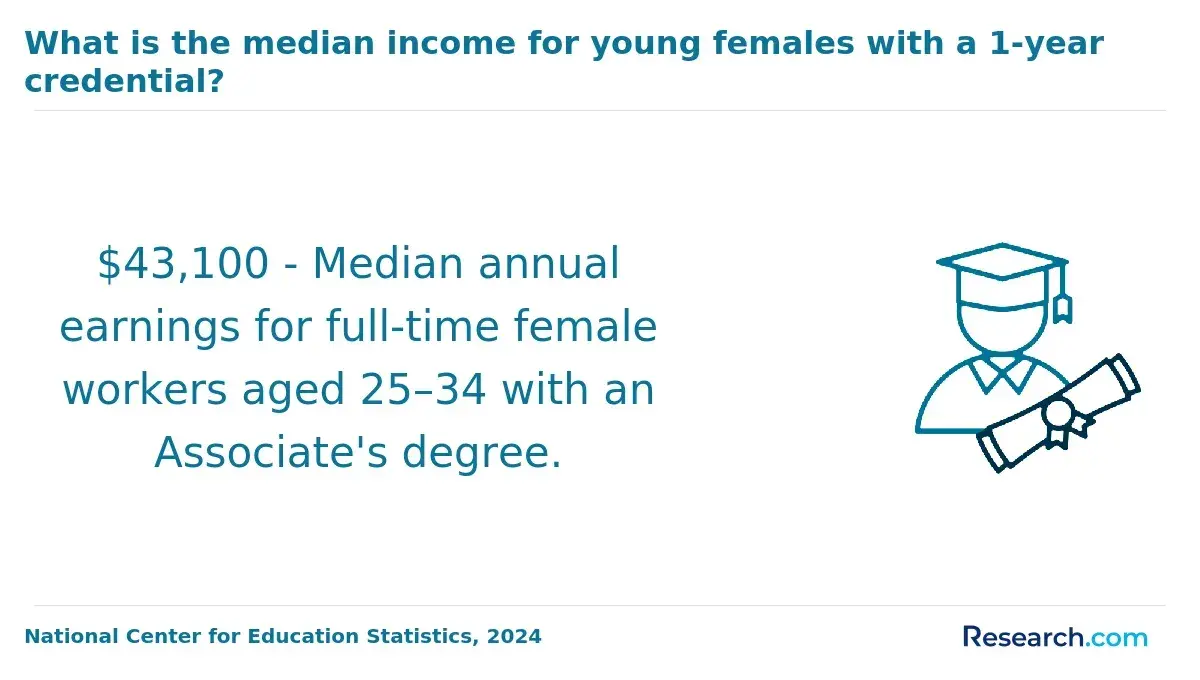
Which MIS degree levels best prepare students for healthcare and financial systems roles?
Bachelor's degrees in management information systems offer a practical foundation tailored to healthcare and financial systems roles, equipping students with technical skills, database management, and system analysis necessary for managing electronic health records (EHR) and financial workflows. Approximately 96% of non-federal acute care hospitals and 80% of office-based physicians use certified EHRs.
These programs prepare graduates for operational responsibilities such as data security and regulatory compliance, though they often lead to mid-level roles like systems analyst or IT support specialist rather than strategic positions. This distinction is important for prospective students weighing entry-level credentials versus leadership aspirations.
Master's degree management information systems programs specializing in financial and healthcare systems provide advanced expertise in data analytics, cybersecurity, and system integration. These skills align with the growing need to design interoperable systems across complex healthcare networks facing stringent federal mandates.
For example, leading a project to unify multiple certified EHR platforms requires mastery only achievable at the master's level, making these programs suitable for those targeting roles in informatics governance or senior IT management within regulated environments. Doctoral degrees emphasize research and innovation but are less relevant for direct operational roles, which increasingly value practical technology management.
Graduate certificates and associate degrees generally lack the depth to impact healthcare or financial IT infrastructures significantly. Students researching pathways should consider how each level aligns with their career goals and market realities, potentially consulting resources like this online business degree guide for cost-effective options.
- Bachelor's degree in management information systems for healthcare and finance careers
- Master's degree management information systems programs specializing in financial and healthcare systems
What core courses in MIS programs support careers in healthcare information systems?
Healthcare information systems roles demand a deep focus on data security and regulatory compliance, with program curricula needing to match this emphasis. Core courses in management information systems programs supporting healthcare careers must rigorously cover health IT security due to the persistent rise in data breaches, recently affecting nearly 133 million U.S. individuals as reported by the Department of Health and Human Services.
This security training encompasses risk assessment, breach prevention, and strict adherence to HIPAA and other regulatory standards. Key management information systems classes for healthcare careers also include training on electronic health records (EHR) system design, integration challenges, and interoperability among providers and payers.
Practical skills in healthcare-specific database management ensure graduates can safeguard sensitive patient data while maintaining system reliability and access. Business intelligence and decision support coursework equips professionals to turn healthcare data into actionable insights that improve patient outcomes and operational workflows.
Students should weigh programs that offer capstone projects or internships with healthcare organizations, as these opportunities bridge theoretical knowledge with real-world system complexities, improving employability and readiness. Without such experience, graduates may face skill gaps not evident in standard coursework.
Those considering program transfers should evaluate transfer credit policies carefully, as seamless credit acceptance can influence time-to-completion and cost. Relevant pathways, such as online MBA transfer credits, may provide flexible options for professionals pursuing a pivot into healthcare IT management.
What core courses in MIS programs support careers in financial information and risk systems?
Effective mastery of financial data systems in Management Information Systems programs requires more than familiarity with databases-it demands proficiency in advanced database administration tailored to compliance-heavy sectors like banking and insurance. Graduates must navigate regulatory complexity while maintaining data integrity, balancing system interoperability with evolving financial reporting standards.
Enterprise resource planning (ERP) courses emphasize integrating financial functions such as revenue recognition and cost accounting, addressing a clear market need in fast-paced environments like investment firms and healthcare billing. For instance, professionals working with ambulatory healthcare payment systems must combine financial and clinical data to streamline revenue cycle management.
This sector anticipates roughly 1.2 million new jobs in community-based care contexts, according to Texas State University's analysis of BLS and Altarum data. Cybersecurity instruction focused on risk management is increasingly vital as financial data faces growing cyber threats, aligning directly with employer demands for institutional risk mitigation. Hands-on experience with SAP, Oracle Financials, or risk management software equips graduates with operational skills preferred by hiring managers.
The practical challenge lies in mastering cost-accounting systems capable of handling incremental billing and risk adjustment, a necessity as regulatory landscapes tighten. MIS curricula that integrate compliance, interoperability, and governance prepare students to maintain the robust, mission-critical financial systems demanded by today's employers.
How do online MIS programs for healthcare and finance compare with campus-based options?
Online MIS programs in healthcare and finance offer vital flexibility for working professionals, but often at the cost of reduced access to critical hands-on experiences. Employers in these sectors typically value degrees that include practical internships or residencies because they directly address complex regulatory environments and large data volumes, driving reimbursement and risk analytics.
For instance, home health and personal care aide roles are the fastest-growing segment in healthcare, projected to contribute substantially to 1.9 million job openings through 2034, according to Texas State University, citing BLS data. This growth increases demand for MIS graduates with applied expertise in claims processing and healthcare reimbursement.
Campus-based programs provide embedded connections to local healthcare institutions and financial firms, facilitating in-person projects and career networking that online formats struggle to replicate. Online students must proactively seek externships or hybrid residencies to gain comparable applied experience, a barrier that can hinder employer recognition.
Tradeoffs include balancing flexible scheduling with potential gaps in experiential learning, which is increasingly non-negotiable in hiring decisions. Without demonstrable practical skills, graduates from fully online MIS programs may face challenges navigating evolving compliance demands and employer expectations. Prospective students should carefully evaluate how online MIS pathways align with their ability to access industry partnerships and fulfill employer preferences for validated hands-on proficiency.
What admission requirements and prerequisites do MIS specializations in healthcare and finance typically have?
Admission criteria for Management Information Systems specializations in healthcare and finance reflect distinct workforce demands and dictate candidate preparation paths. Healthcare MIS applicants must often show familiarity with health information systems, privacy standards like HIPAA, and clinical workflows-skills critical as behavioral health offices anticipate a 28.8% employment surge by 2034.
This growth directly influences employer expectations for certified knowledge of health data regulations and practical experience managing electronic health records or compliance reporting. Finance MIS tracks emphasize quantitative rigor, requiring proficiency in statistical analysis, risk modeling, and regulatory frameworks such as SOX. Candidates benefit from prior exposure to ERP systems and financial databases, which can sometimes replace formal prerequisites.
Admissions processes typically enforce minimum GPAs (often 3.0+) and standard testing (GRE/GMAT), though professional experience may waive these. Prospective students face a tradeoff: healthcare MIS demands interdisciplinary fluency combining IT with healthcare operations, while finance MIS prioritizes strong analytical and technical aptitude in financial compliance and data security.
Entrance exams and interviews commonly assess problem-solving within specialized software environments, underscoring practical readiness over theoretical knowledge.
- Healthcare candidates should be prepared for supplemental coursework in health law and data integration to align with regulatory complexities.
- Finance applicants must focus on quantitative coursework and software proficiency aligned with risk and audit controls.
Understanding these sector-specific differences informs targeted preparation, reducing mismatch risks and positioning candidates for roles requiring specialized, sustainable skills in regulated information systems.
What are the most common job titles and career paths for MIS graduates in healthcare and financial systems?
Job prospects for Management Information Systems graduates vary sharply between healthcare and financial sectors, each demanding distinct expertise shaped by rigorous operational and regulatory requirements. In healthcare, roles such as health informatics specialist and clinical data analyst require navigating electronic health record (EHR) integration, strict HIPAA compliance, and close collaboration with clinical staff to tailor IT solutions that streamline patient care and administrative workflows.
These positions usually favor candidates with specialized certifications like RHIA or CPHIMS and domain-specific knowledge. By contrast, financial systems roles-ranging from risk analyst to IT auditor-demand advanced quantitative skills, cybersecurity awareness, and fluency in analytics critical for fraud detection and regulatory adherence amid shifting legislation.
The financial sector's projected addition of roughly 773,000 jobs over the next decade underscores sustained demand but also heightened competition for MIS professionals able to handle sophisticated, real-time data challenges. Both sectors prioritize experience with ERP platforms and programming languages such as SQL and Python, but the divergence in focus means students and transitioning professionals must weigh whether to pursue domain specialization or maintain broader technical versatility.
Choosing healthcare may lead to more niche credentials and collaboration with medical teams, while financial paths require sharper analytics and regulatory adaptability. Aligning education and practical training to these sector-specific priorities is crucial to meet employer expectations and secure relevant roles in dynamic, high-stakes environments.
What salary ranges and job outlook can MIS specialists expect in healthcare and financial sectors?
Salary ranges for MIS specialists vary considerably between healthcare and financial sectors, driven largely by domain expertise and technical depth. Healthcare MIS roles focus on optimizing electronic health record systems and predictive health tools, typically offering salaries from $75,000 to $115,000 but requiring knowledge of HIPAA and patient privacy regulations.
Financial MIS careers, emphasizing fraud detection and risk management, demand familiarity with SEC and SOX compliance, commanding salaries often between $70,000 and $120,000, with advanced roles exceeding $130,000. Actuaries represent a specialized financial analytics career with median salaries near $120,000 and an employment growth rate projected at 23% through 2032, reflecting increasing demand for financial risk assessment expertise.
Entry-level MIS professionals typically start near $65,000 and must pursue certifications such as Certified Health Data Analyst or Financial Risk Manager to compete for higher-tier roles. Employers prioritize candidates who can design scalable data pipelines and apply MIS principles within strict regulatory frameworks.
Key hiring trends emphasize adaptability to cloud-based analytics and AI-driven systems integration. The most competitive candidates combine technical MIS skills with industry-specific knowledge, a duality that shapes employability and long-term career trajectories in both healthcare and financial environments.
How can students evaluate accreditation, certifications, and school quality for MIS programs in these fields?
Choosing a management information systems program without regional or national accreditation from recognized agencies like ABET or AACSB significantly raises the risk of limited industry relevance, especially for those targeting healthcare or financial systems professions. Accreditation confirms that coursework integrates current regulatory and technological demands, a necessity given the 20% employment growth projected for financial examiners through 2032 by the U.S. Bureau of Labor Statistics.
Programs that embed practical compliance scenarios or real-time risk management case studies better prepare students for workforce realities. Practical experience through partnerships with healthcare providers or financial institutions is a decisive differentiator. Internships that develop competence in compliance software or electronic health records directly influence employability.
Similarly, program support for certifications such as Certified Information Systems Auditor (CISA) or Certified Professional in Health Information Management (CPHIM) aligns academic training with employer expectations, improving outcomes beyond theoretical knowledge.
Evaluating faculty with recent industry engagement in regulatory compliance or data security offers insight into curriculum currency. Outcome metrics-like job placement in health IT management or financial auditing roles and corresponding alumni salaries-offer tangible ROI indicators. For working professionals, hybrid learning options are more than convenience; they are critical in balancing employment with complex subject matter mastery.
Other Things You Should Know About Management Information Systems
Employers in healthcare and financial sectors prioritize practical experience over theoretical knowledge when hiring MIS professionals. Programs with integrated internships, project-based learning, or partnerships with industry provide students a clear advantage. While theoretical foundations are necessary, lack of hands-on exposure often limits graduates' ability to handle real-world data complexities and compliance demands typical in these fields.
Both technical programming skills and business analytics are vital in MIS for healthcare and financial systems. However, the specific emphasis should align with your career goals. Healthcare often prioritizes analytics for patient data insights, while finance may focus on programming for algorithmic trading and security solutions.
Look for AACSB accreditation for the business school and CAHIIM recognition if the program includes healthcare informatics content. Employers in financial systems also value courses aligned with CPA, CFA, or ISACA standards, especially when the curriculum includes data governance, compliance, and enterprise systems.
Healthcare-focused MIS specializations often involve heavier workloads tied to understanding complex regulations such as HIPAA, requiring detailed study of compliance alongside technical skills. Financial systems tracks emphasize quantitative analysis and risk modeling, demanding greater mathematical rigor and proficiency with financial software tools. Students should prioritize specializations aligning with their capacity to manage intensive regulatory or analytical content, as this directly affects academic performance and timely graduation.
References
- Accreditation processes for technical programs https://edquip.co/blog/accreditation-processes-for-technical-programs
- Top Healthcare Roles in 2026: Salaries & Career Paths https://www.civicrecruitment.co.uk/blog/2025/04/10-top-healthcare-roles-2025-with-salaries-and-career-paths
- Top Jobs for Management Information Systems Graduates - Biz Systems News by Workato https://bizsystemsnews.com/top-jobs-management-information-systems/
- 10 Best Career Paths for Health Information Management https://potomac.edu/best-careers-health-information-management/
- High-Paying Degrees Spotlight on Management Information Systems https://www.goodgoblin.ai/blog/HighPayingDegreesMIS
- What are the Differences Between MIS and Health Informatics? https://www.usfhealthonline.com/resources/health-informatics/mis-vs-health-informatics/
- University of Central Arkansas | UCA https://uca.edu/ubulletin2017/colleges-departments-programs/college-of-business/department-of-management-information-systems/
- 2025's Best Online Master’s in Information Systems (MIS) Programs https://www.onlinemastersdegrees.org/best-programs/information-systems/
- Careers in Health Information Management | University of Phoenix https://www.phoenix.edu/articles/healthcare/careers-in-health-information-management.html
- Online vs On-Campus HIM Programs: How to Choose | Health Information Management Programs https://healthinformationmanagementprograms.com/guides/online-vs-campus-him-programs/