2027 Best Online Entrepreneurship Degrees for Leadership Through Ownership

Co-Founder and Chief Data Scientist
Mid-career professionals seeking to lead their own ventures confront a pivotal barrier: selecting an online entrepreneurship degree that delivers genuine leadership capabilities without sacrificing flexibility or workforce relevance. Despite a 40% surge in adult enrollment in online business programs reported by the National Center for Education Statistics in 2024, many programs prioritize theoretical frameworks over ownership-driven leadership skills demanded by startups and small enterprises.
This mismatch often hinders timely career pivots or effective business launches. Identifying programs that combine practical ownership fundamentals with adaptable delivery models can significantly influence success trajectories. This article evaluates top online entrepreneurship degrees designed specifically for leadership through ownership to guide informed decision-making.
Key Things You Should Know
- Graduates from online entrepreneurship programs report a 15% lower immediate post-graduation income than peers with traditional MBAs, signaling a tradeoff between accessible skill acquisition and top-tier salary trajectories.
- Employers increasingly prefer candidates who combine entrepreneurship degrees with measurable project leadership experience, with 62% prioritizing demonstrated business outcomes over degree prestige.
- Program duration and cost vary widely, with 40% of online degrees exceeding $50,000 total, which causes significant time-to-ROI delays, especially critical for mid-career professionals aiming for rapid pivots.
What are the best online entrepreneurship degrees?
Programs that focus on ownership-centered leadership development deliver tangible advantages in entrepreneurship careers, especially where managing risk, capital, and operational control are priorities. Candidates with such specialized degrees command higher earning potential and more strategic roles than those with broader business management credentials. In fact, the U.S. median salary for management occupations was $116,880 as of May 2024.
The best online entrepreneurship degrees for leadership development emphasize applied financial strategies and real-world operational challenges, preparing students for sectors ranging from scalable technology startups to retail franchises.
- Applied entrepreneurial finance and funding methods
- Team-building and resource leadership development
- Project-based learning tied to startup incubators
- Industry-specific entrepreneurial adaptations
Tradeoffs exist between choosing a specialized entrepreneurship curriculum versus a broader management degree. The latter expands job eligibility but risks diluting focus on ownership issues such as equity distribution or exit planning. For working professionals seeking strategic pivots, programs offering flexible pacing and mentorship are crucial to immediate application without disrupting career momentum.
Students evaluating options should also consider related fields; for example, those interested in operational leadership might review the best MBA in operations management programs, which complement entrepreneurship skills with robust operational expertise. Top online entrepreneurship programs for business ownership skills thus serve distinct practical needs: equipping leaders ready to navigate ownership challenges while addressing varied industry contexts and real-world operational demands.
How do online entrepreneurship degrees compare with campus programs?
Online entrepreneurship degree programs versus campus programs reveal distinct tradeoffs that hinge on experiential access and learner context. Campus degrees offer immediate immersion in peer collaboration, mentorship, and live business incubators, providing founders with real-time feedback crucial for business development.
Conversely, online programs cater to working professionals, emphasizing flexibility but demanding substantial self-discipline and strategic self-driven networking to overcome limited face-to-face opportunities. Employers increasingly differentiate between these formats, valuing campus graduates for traditional leadership readiness and online graduates for demonstrated adaptability and self-management-skills vital in startup environments.
Practical application also diverges: campus students connect directly with local entrepreneurial ecosystems, while online students must simulate these engagements through virtual case studies or regional outreach to achieve comparable market insights. This distinction significantly affects experiential depth and networking efficacy.
Financially, the Bureau of Labor Statistics data for 2024 highlight a median annual wage of $55,700 for self-employed entrepreneurs, below the $62,500 median for all workers, underscoring income volatility irrespective of degree type. Effective programs must integrate risk management and income diversification strategies.
Students weighing benefits of online entrepreneurship degrees compared to traditional campus options should consider their lifestyle, immediate access to resources, and ability to master remote collaboration tools for project management. The choice between formats also intersects with broader professional pathways; those seeking to avoid standardized testing might explore the top online MBA programs offering routes that balance academic rigor with flexibility.
How do you choose an accredited entrepreneurship school?
Choosing accredited online entrepreneurship leadership programs in the United States requires prioritizing regionally or nationally recognized accreditation agencies like the Council for Higher Education Accreditation (CHEA) or the U.S. Department of Education. Accreditation affects credit transferability, financial aid qualification, and, importantly, employer and investor trust. For instance, a professional launching a tech startup gains more practical value and credibility from programs validated by such accreditation than from unverified offerings.
The U.S. Bureau of Labor Statistics reports a 10.1% self-employment rate, underscoring the need for programs emphasizing tangible leadership and ownership skills aligned with current market demands. Students should evaluate faculty with real entrepreneurial experience and curriculum designs integrating experiential learning approaches such as business incubators or client projects.
Candidates pursuing scalable ventures must weigh these factors differently than those targeting small-scale retail businesses. Key outcome metrics like average time to business launch post-graduation and graduate employment in entrepreneurial roles are crucial for assessing program relevance. Transparency on venture support and alumni business sustainability helps discern programs that go beyond theoretical instruction.
Additionally, international students must consider accreditation impacts on visa eligibility. Given these complexities, students seeking top accredited entrepreneurship schools for leadership development should also reference practical tuition profiles such as those found in executive MBA listings to align financial and academic priorities effectively.
What courses are included in an online entrepreneurship degree?
Online entrepreneurship degree curriculum details reveal a strong emphasis on practical leadership skills through ownership, strategic decision-making, and core business disciplines such as financial management, marketing strategies, and innovation management. These programs prepare students to handle real challenges like risk assessment, securing funding, and scaling operations with tactics that vary notably by industry.
Core courses in online entrepreneurship leadership programs often include supply chain management and digital commerce, which are critical for navigating e-commerce dynamics and operational efficiencies. For instance, a tech startup founder must understand software project financing, whereas a retail entrepreneur gains more from inventory control and vendor relationship courses.
Incorporating real-world capstone projects or entrepreneurship simulations supports the application of theory to business viability. Considering the average tuition and fees for a four-year online business degree hover around $42,000, according to NCES-based estimates cited by BestColleges, students should weigh supplemental costs like startup tools and networking events.
Practical challenges remain, including managing cash flow under uncertainty and translating lean startup methodologies into measurable outcomes. Employers expect graduates to demonstrate accountable leadership and data-driven decision-making from the outset. Prospective students evaluating options might also explore 'What MBA programs can I get into?' for complementary perspectives on business education pathways.
What admission requirements do online entrepreneurship programs have?
Admissions criteria for online entrepreneurship bachelor's programs commonly require a high school diploma or its equivalent, but practical experience can offset standardized testing prerequisites like the SAT or ACT. For candidates transitioning from direct business involvement, such as managing a family manufacturing venture, demonstrated entrepreneurial experience significantly strengthens the application relative to academic measures alone.
Competitive GPA thresholds typically range from 2.5 to 3.0, marking the boundary between minimal academic readiness and competitive standing. Letters of recommendation focus less on academic rigor and more on leadership aptitude, strategic insight, and problem-solving abilities, offering insight into how applicants engage with real-world business challenges.
The statement of purpose should clearly articulate specific leadership goals tied to business ownership, as this directs program committees toward candidates aligned with pragmatic entrepreneurship outcomes. Applicants from unrelated sectors or those following nontraditional education paths may face additional requirements, including interviews or portfolios showcasing entrepreneurial initiatives.
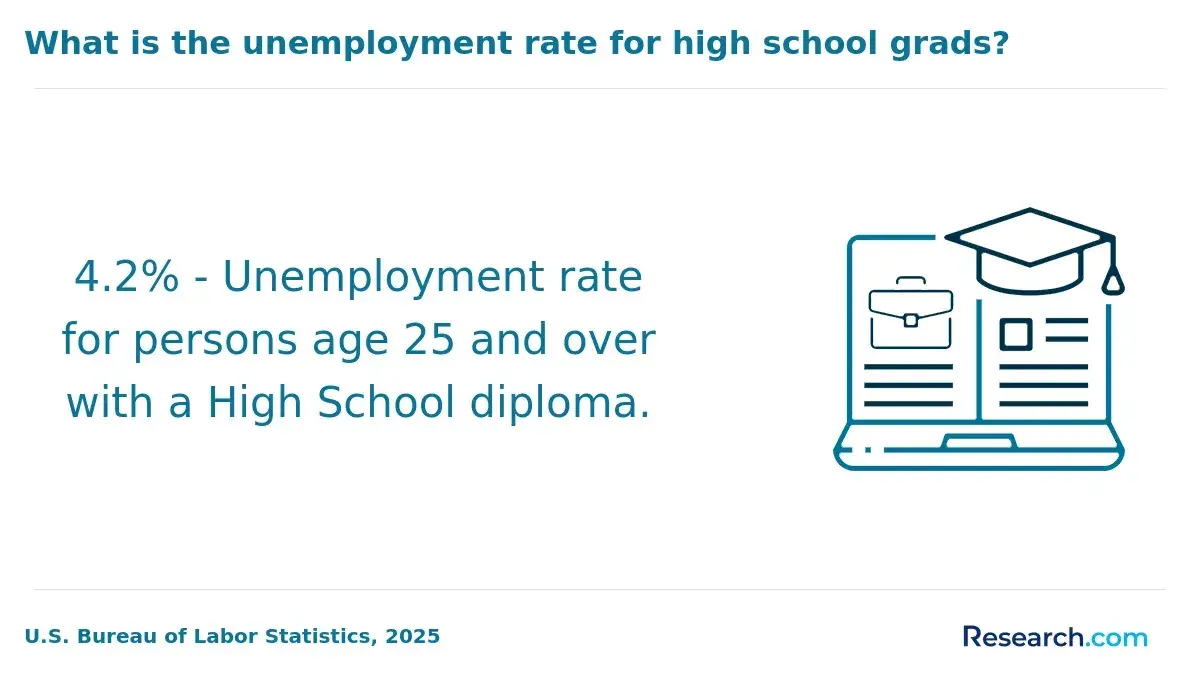
While financial aid documentation and residency verification are administrative hurdles, they do not influence admission decisions. Economic data from the U.S. Bureau of Labor Statistics illustrates the value proposition: bachelor's degree holders in entrepreneurship earn median weekly wages of $1,493, significantly above the $899 median for high school graduates, underscoring the tangible return on investment in terms of employability and earning potential.
How long does an online entrepreneurship degree take?
Duration in online entrepreneurship programs significantly impacts when students enter the workforce and the financial tradeoffs they face. For example, tech professionals seeking to launch startups often choose 12- to 18-month master's programs permitting continued full-time work, preserving income while quickly gaining leadership skills. In contrast, those transitioning without business backgrounds may undertake four-year bachelor's degrees to develop comprehensive competencies but at the cost of delayed market entry.
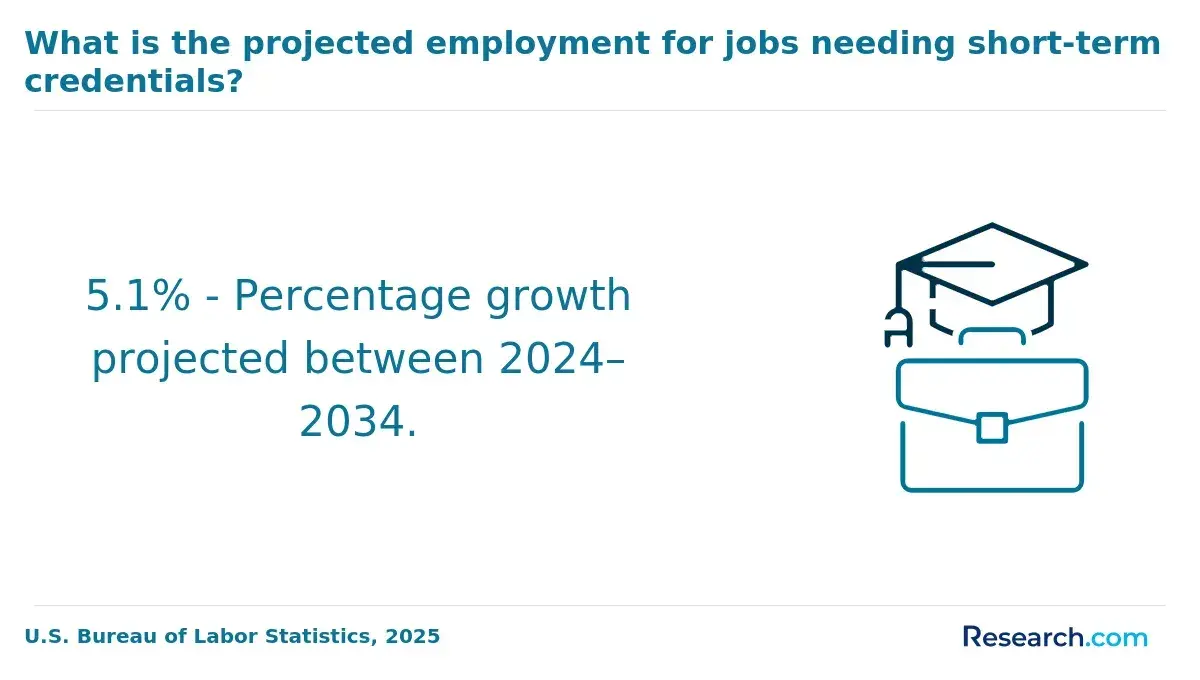
Many online programs enable part-time enrollment, extending completion beyond published timelines. This flexibility supports individualized pacing but creates risks for students who delay graduation, potentially hindering timely employment and salary growth. Data from the National Center for Education Statistics confirms online bachelor's degree completion averages about 3.5 years, longer than on-campus, largely due to part-time study patterns.
Prospective learners should weigh:
- Faster programs that prioritize swiftness and immediate application but may sacrifice depth.
- Longer programs offering comprehensive training with reduced stress but delayed career impact.
Aligning program length with professional goals and current employment is critical to maximize return on investment and meet employer expectations regarding readiness and practical knowledge.
How much do online entrepreneurship degrees cost?
Choosing an online entrepreneurship degree program requires balancing cost, program rigor, and tangible career outcomes rather than relying solely on price as a signal of quality. Total tuition ranges from approximately $10,000 at public universities to over $60,000 at elite private institutions. For working professionals, a public state university's online MBA with an entrepreneurship focus at about $15,000 offers budget flexibility by enabling part-time study alongside employment.
Conversely, top-tier private programs exceed $50,000 but may provide stronger alumni networks and brand signals that can facilitate venture funding or startup recruitment. Yet, these advantages don't guarantee better employability, as many employers emphasize demonstrated skills, practical experience, and business acumen over institutional prestige.
Additional expenses-such as technology fees, software requirements, and optional residencies-can add $1,000 to $3,000 annually, making it essential to factor these into the overall budget. Financial aid and employer reimbursement vary significantly; public programs often allow state grants and in-state tuition benefits that private programs typically do not.
Decision-makers should assess curriculum design, mentorship availability, and access to entrepreneurial ecosystems alongside cost. Prioritizing programs with applied projects and hands-on learning leads to better ROI than simply targeting the highest-priced or most selective options.
What jobs can you get with an entrepreneurship degree?
An entrepreneurship degree positions graduates for roles requiring leadership along with strategic and operational execution, such as product manager, business consultant, startup founder, and venture analyst. Employers demand strong project management skills, a cornerstone of entrepreneurship programs that blend business knowledge with practical coordination.
U.S. employers posted over 1.3 million job listings explicitly requiring project management capabilities, a signal of these skills' broad relevance in leadership and ownership roles. Consider a graduate entering a tech startup: managing cross-functional teams, development timelines, and market alignment depends on ownership and initiative fostered by entrepreneurship training.
Those aiming for corporate innovation roles apply entrepreneurship expertise to lead internal ventures or streamline operations, emphasizing decision-making and risk assessment. Entrepreneurship graduates often move into small business or franchise management, where finance, marketing, and compliance skills are essential yet underestimated. Leadership roles in family businesses or nonprofits also value their project oversight and business acumen for tangible organizational impact.
However, entrepreneurship degrees seldom provide technical specialization, potentially limiting immediate access to highly technical roles without further training. The degree's flexibility lies in its strategic project management foundation, enabling pivots across industries or entrepreneurial ventures when complemented by internships, certifications, or graduate study focused on specific domains.
- Leadership and project management are central differentiators in hiring.
- Technical gaps must be addressed through additional training for specialized fields.
- Practical experience, such as internships, enhances market readiness.
What salaries do entrepreneurship graduates earn?
Graduates with entrepreneurship degrees face distinct salary and career dynamics shaped by industry context and role type. Entry-level median salaries typically range from $70,000 to $110,000 but vary significantly between startup leadership and corporate management tracks. For example, new graduates leading startups might start near $65,000, accepting lower initial earnings for potential equity gains and scalable business growth, whereas those entering corporate management often begin around $85,000 with more immediate income stability.
The labor market outlook aligns with a steady demand for management roles, projecting approximately 1.2 million annual openings through 2034 according to U.S. Bureau of Labor Statistics data. Employers in high-growth sectors such as technology, finance, and healthcare increasingly value entrepreneurship graduates who combine leadership with data-driven innovation skills, which often correlate with higher salary brackets.
Students and professionals must also navigate practical tradeoffs. Opting for startups involves income variability and financial risk, while established firms offer predictability but less upside potential. Additionally, supplementing an entrepreneurship degree with certifications in finance, marketing, or project management can boost median salaries by 10-15%, influencing long-term income trajectories.
Informed decisions about program focus and skill acquisition should weigh both immediate financial needs and strategic asset-building goals. The evolving demand for entrepreneurial problem-solving talents means graduates benefit from aligning study plans with market expectations rather than treating the degree as a standalone credential.
What certifications help entrepreneurship graduates advance?
Entrepreneurship graduates face distinct certification choices that can significantly affect their leadership potential and industry credibility. For example, obtaining the Project Management Professional (PMP) credential often differentiates candidates who can manage complex startup projects, a skill highly valued in early-stage companies aiming to scale efficiently.
Financial leadership roles demand more specialized credentials like the Chartered Financial Analyst (CFA) or Certified Business Valuation Professional (CBVP), which demonstrate advanced expertise in fundraising and investor relations beyond general business acumen. Meanwhile, technology-focused entrepreneurs benefit from certifications in digital marketing, agile frameworks, or data analytics.
Practical implications vary by sector: social entrepreneurs might prioritize nonprofit leadership credentials, whereas tech founders could focus on cybersecurity or software development lifecycle certifications. These choices highlight a critical tradeoff-balancing broad entrepreneurship principles with targeted technical skills to match employer and market demands.
Cost and time investment present notable barriers, especially when pursuing multiple certifications sequentially. Leveraging platforms like Coursera's freemium offerings to explore certifications before financial commitment offers a strategic approach to mitigate risks in career pivoting or venture launching.
Ultimately, certifications that fill concrete skill gaps in project management, finance, or technology offer measurable validation that enhances employability and leadership readiness in entrepreneurship careers.
Other Things You Should Know About Entrepreneurship
Top online entrepreneurship degrees for leadership in 2027 include those offered by Babson College, University of North Carolina, and University of Southern California. These programs are renowned for their leadership-focused curricula, fostering ownership skills crucial in entrepreneurial success.
Course sequencing and delivery format significantly affect skill acquisition in entrepreneurship. Programs with cohort-based models and synchronous sessions encourage peer collaboration and networking, enhancing leadership and ownership skills critical to startups. Self-paced, fully asynchronous formats offer flexibility but may limit opportunities to practice interactive decision-making or receive timely feedback. Choose programs that balance flexibility with active engagement in entrepreneurial scenarios.
Many online entrepreneurship programs require a substantial weekly time commitment, often 15 to 20 hours, depending on course rigor and extracurricular projects. Professionals must realistically evaluate their capacity to reduce work hours or reallocate personal time, as workload peaks during business plan development or capstone projects. Opt for programs with clear workload breakdowns and consider part-time enrollment to avoid burnout and maximize learning integration.
It should come from a school accredited by a U.S. regional accreditor such as the Higher Learning Commission, Middle States Commission on Higher Education, or Southern Association of Colleges and Schools Commission on Colleges. Regional accreditation affects transfer credit, federal aid eligibility, and employer recognition.
References
- What do you learn in a bachelor's in entrepreneurship? | edX https://www.edx.org/resources/what-do-you-learn-in-a-bachelors-in-entrepreneurship
- Which business training course to choose? https://www.ipag.edu/en/formation-creation-entreprise
- Entrepreneurship Jobs - What are the career opportunities? | CBS https://www.cbs.de/en/blog/entrepreneurship-jobs
- Professional Business Certifications to Boost Your Career in 2025 https://www.business.com/articles/best-business-certifications/
- Certifications for Entrepreneurs: Elevate Your Business https://certiprof.com/blogs/news/certifications-for-entrepreneurs-elevate-your-business
- Entrepreneurship Major https://www.kozminski.edu.pl/en/entrepreneurship-major
- 15 Online Entrepreneurship Programs for High School Students https://www.immerse.education/knowledge-base/15-online-entrepreneurship-programs-for-high-school-students/
- Entrepreneurship & Innovation (Advanced Certificate) https://www.iona.edu/academics/explore-majors-programs/entrepreneurship-innovation-advanced-certificate
- How Long Does It Take To Get A Degree in Entrepreneurship | Nexford University https://www.nexford.edu/insights/how-long-does-it-take-to-get-a-degree-in-entrepreneurship
- Choosing the right business school https://www.global-business-school.org/content-type/blog/choosing-right-business-school/