2027 Entrepreneurship Specializations for Franchise Ownership Paths

Co-Founder and Chief Data Scientist
Choosing the right specialization for franchise ownership presents a crucial challenge: balancing targeted skills with flexible program structures that accommodate career pivots or ongoing work commitments. Recent data from the National Center for Education Statistics reveals that over 45% of graduate learners engage part-time or through online formats, underscoring a rising preference for adaptable study options. This shift reflects workforce demands for immediate applicability and accessible credentials without career interruption.
Entrepreneurs must therefore discern which specializations offer both rigorous training and practical returns, particularly when franchising requires nuanced legal, operational, and marketing expertise. This article compares current entrepreneurship specializations tailored to franchise ownership paths, guiding readers toward informed, career-aligned decisions.
Key Things You Should Know
- Franchise management specializations emphasize operational scalability, yet 43% of graduates face delayed ROI due to underestimating upfront franchise fees and territorial restrictions, per the U.S. Small Business Administration 2024 report.
- Employers prioritize expertise in franchise regulatory compliance and local market adaptation, with 67% of franchisors requiring demonstrated legal fluency and market analytics skills reported by Franchise Times' 2024 workforce analysis.
- Programs averaging 18 months impose significant opportunity costs, where longer time-to-completion correlates with a 22% decrease in post-completion franchise acquisition rates, according to National Foundation for Entrepreneurship Research data.
What are the best entrepreneurship degree specializations for aspiring franchise owners?
Specializations in business management, finance, and supply chain management present the most pragmatic entrepreneurship degree paths for aspiring franchise owners due to their operational relevance and employer expectations. For instance, business management sharpens leadership and regulatory compliance skills essential to handling franchisor-franchisee dynamics in service-centric fields such as fast food or personal care. This specialization addresses real-world challenges in managing multi-unit franchises where operational consistency directly impacts profitability.
Finance-focused students gain critical abilities in budgeting, capital allocation, and cash flow oversight, indispensable for managing fees, royalties, and navigating regional market variability. Franchise owners in sectors like retail or automotive benefit from this acumen to protect margins amid fluctuating consumer demands and inventory costs. Supply chain management is especially relevant for product-driven franchises like grocery stores and specialty coffee chains, where logistics and vendor negotiations influence cost control and customer satisfaction.
Data from the International Franchise Association shows franchising added over 20,000 new units in 2025 alone, highlighting the increasing need for candidates who can quickly integrate into competitive, scale-oriented environments. Addressing this demand, the best entrepreneurship degree specializations for franchise ownership go beyond general curricula, requiring supplemental franchise law or region-specific certifications to reduce onboarding time and improve immediate operational impact.
Evaluating top entrepreneurship majors for aspiring franchise owners should include consideration of practical program outcomes and realistic employability tradeoffs. Pursuing an MBA in entrepreneurship with these specializations can position candidates for franchise expansion roles with measurable competence and minimized skill gaps.
How does a franchise-focused entrepreneurship program differ from a general entrepreneurship degree?
Franchise-focused entrepreneurship specialization prioritizes operational expertise over the broad innovation typically emphasized in general entrepreneurship programs. Graduates gain applied skills in franchise compliance, multi-unit management, and proprietary marketing systems, which are essential for navigating the $936.4 billion franchised business economy projected for 2025. This specialization addresses practical workforce needs, including mastery of franchise law, royalty calculations, and franchisee-franchisor dynamics-elements often peripheral in standard entrepreneurship curricula.
Unlike programs centered on venture creation, franchise-focused programs integrate real-world franchise contracts and standard operating procedures. For instance, a hospitality professional entering franchise ownership must understand brand compliance and supply-chain logistics, areas general entrepreneurship does not extensively cover. This focus on operational discipline meets employer demands for candidates who can execute rather than ideate, reflecting the distinct tradeoff between control and autonomy in franchise ownership entrepreneurship specialization benefits.
Core program outcomes reveal differences in training emphasis:
- Detailed financial modeling around royalties and franchise fees
- Scaling operations within franchise guidelines
- Legal expertise specific to franchising frameworks
- Preparedness for corporate-imposed operational restrictions
Professionals transitioning into franchising exchange entrepreneurial freedom for compliance-driven risk reduction. Employers favor this balance when forecasting profitability and mitigating legal exposure in franchised networks. Students evaluating this path must weigh the practical value of franchise-focused programs against the innovation scope sacrificed.
Those comparing educational paths in entrepreneurship might also consider cheapest MBA programs as alternatives that offer broader business training with different applicability to franchise ownership entrepreneurship specialization benefits.
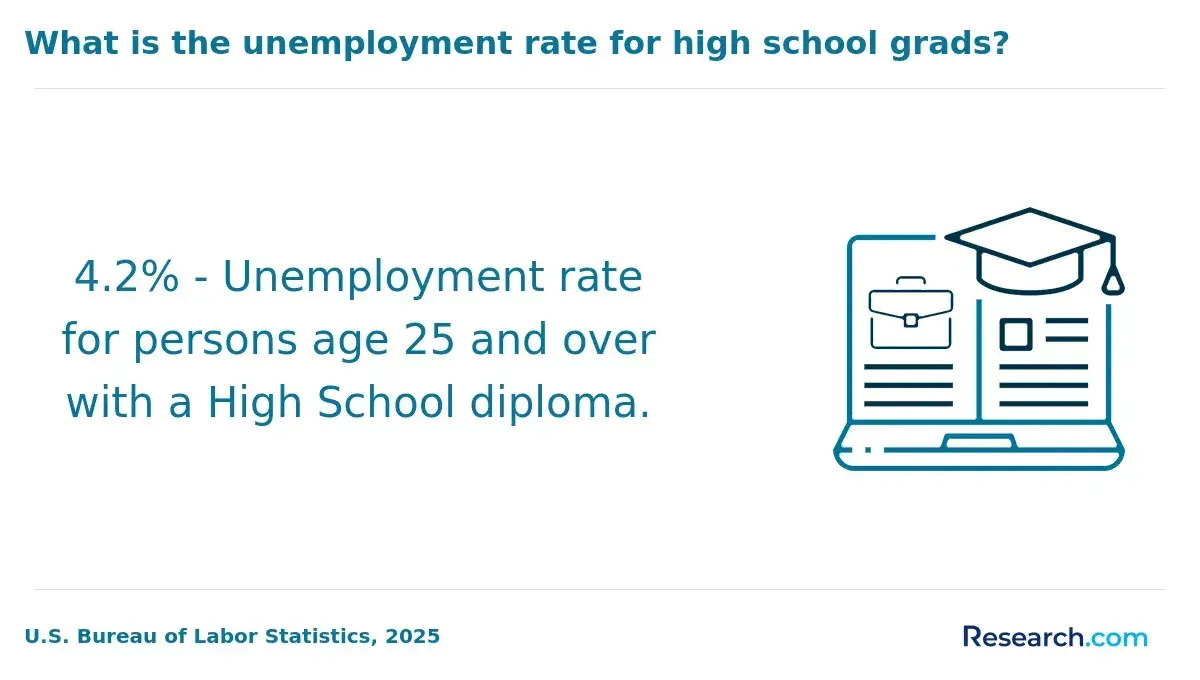
What education level is recommended for pursuing franchise ownership as a long-term career path?
A bachelor's degree in business, finance, or closely related fields is frequently seen as the baseline for sustainable franchise ownership, especially in the context of long-term career viability. Candidates without a recommended education level for franchise ownership face steeper challenges managing nuanced operational demands, such as budgeting in fast-food franchises or customer relations in service models. This gap often results in operational inefficiencies, delayed profitability, and difficulty scaling.
Franchisors typically require proof of business competence either through formal education or relevant professional experience before granting franchising rights. Though an MBA can enhance strategic decision-making and financial literacy, the educational requirements for long-term franchise careers do not strictly necessitate advanced degrees. Practical experience and business acumen remain primary qualifiers; without these, newcomers must offset their deficits with mentorship or extended on-the-job training, adding risk and time before reaching stable returns.
Further supporting this pathway, franchise industries are expected to add approximately 210,000 jobs by 2025, increasing workforce size by 2.4% to 8.8 million roles. This growth intensifies competition, making formal education an operational advantage to navigate expanding complexities. Key competencies include:
- Understanding franchise legalities and contract obligations
- Mastering cash flow and capital allocation for sustainable multi-year operations
- Developing leadership skills to oversee large teams or multiple franchise locations
For those seeking a formal credential that balances cost with practical impact, several cheapest 1 year online MBA programs offer accelerated pathways. These can bridge knowledge gaps efficiently, enabling faster operational readiness and sharper competitive positioning.
Which accredited U.S. colleges offer entrepreneurship specializations related to franchising and business ownership?
Accredited entrepreneurship degrees focusing on franchising in the United States remain a niche but strategically targeted choice, especially for those preparing to enter or expand within franchise ownership. Specialized programs at top U.S. colleges with franchise business entrepreneurship programs like Babson College and the University of Florida's Warrington College integrate franchise-specific coursework addressing system dynamics, multi-unit ownership complexities, and regulatory compliance. Such focused curricula offer practical insights into operational challenges and franchisee-franchisor relationships that general entrepreneurship degrees typically lack.
For example, Temple University's Fox School of Business offers a franchise management concentration calibrated to veteran entrepreneurs, who own 14% of U.S. franchises and exert significant economic influence. Prospective students must weigh the tradeoff between greater flexibility in broad entrepreneurship tracks versus enhanced employability and funding readiness through franchise-centric programs. These specialized tracks often provide access to franchise networks and incubators, crucial for negotiating agreements and maximizing royalty structures.
Business ownership candidates should also consider how integrating franchise-specific skills affects long-term career adaptability outside franchising. In parallel, for those interested in operational business fields, comparing these entrepreneurship degrees with other accelerated programs-such as the best construction management schools-can clarify industry alignment and practical outcomes.
What coursework and skills do entrepreneurship specializations for franchise ownership typically include?
Effective franchise ownership education transcends basic business training by targeting operational management and legal expertise required for multi-unit growth. Coursework typically addresses franchise law, contract negotiation, and financial modeling specific to franchise fees and cash flow. This knowledge is vital to reduce exposure to legal pitfalls and optimize profitability, especially as multi-unit ownership now surpasses half the franchise market.
Operational skills in inventory control, staff training, and customer experience management ensure consistent brand standards across locations. Growth strategies for scaling come with management complexities such as supply chain coordination and local market adaptation, demanding leadership and human resources acumen tailored to diverse franchisee networks.
A practical tradeoff emerges when contrasting fast-casual restaurant franchise education-where compliance with health codes and labor regulations is paramount-with retail franchise ownership, which prioritizes inventory turnover and vendor relationships. Selecting coursework aligned to a candidate's targeted industry reduces costly operational errors and improves workforce readiness.
Financial coursework expands beyond basic budgeting to forecasting capital expenditures and navigating royalties and advertising fund contributions, which directly impact margins. Employers prioritize franchise owners who integrate foundational business skills with franchise-specific knowledge to sustain scalable operations.
How do online entrepreneurship programs for franchise ownership compare with on-campus options?
Choosing between online and on-campus entrepreneurship programs to prepare for franchise ownership requires assessing tangible tradeoffs rather than convenience alone. Online formats provide crucial flexibility for professionals managing active deals or employment, allowing coursework completion without disrupting negotiations or discovery visits. However, this mode often lacks the immersive, hands-on interaction essential for developing the relational and situational skills franchise ownership demands.
For example, restaurant franchise candidates benefit from in-person training that includes site visits and collaborative projects simulating operational pressure. Conversely, tech or service franchises may gain nearly equivalent preparation through online case studies and virtual simulations. Employer and franchisor preferences frequently lean toward credentials backed by demonstrable practical experience, which on-campus programs typically facilitate through internships and real-time franchise operator mentorship.
Given a national entrepreneurial entry rate of 0.36% monthly in 2025, applicants must exhibit comprehensive, applied skills beyond theoretical knowledge. Effective online programs must therefore integrate live mentorship and negotiation exercises to offset experiential deficits. Meanwhile, on-campus routes better embed local industry networks and immediate feedback essential for operational readiness.
Decision-makers balancing program choice should consider:Whether scheduling flexibility outweighs the need for immersive skill developmentIndustry-specific demands for experiential learning and local networkingEmployer valuation of practical experience alongside credentials
What are the typical admission requirements and time to completion for franchise-oriented entrepreneurship programs?
Franchise-oriented entrepreneurship programs predominantly require a minimum of a high school diploma, often accompanied by postsecondary credentials such as associate's or bachelor's degrees in business or related fields. Prior operational experience in sectors like retail, sales, or food service significantly enhances admission prospects because franchising demands hands-on understanding of day-to-day management and brand compliance.
Time investment varies widely: certificate programs provide tactical franchise operations and financial skills within 6 to 12 months, suitable for those prioritizing rapid skill acquisition but with less strategic depth. In contrast, associate or bachelor degrees, spanning 2 to 4 years, offer broader business acumen and critical regulatory knowledge, a necessity for complex franchise sectors such as restaurants, where franchisees manage approximately 74% of U.S. chain locations-over 191,200.
Students must weigh immediate operational readiness against longer-term benefits like employability and access to capital. Employers and franchisors favor candidates who demonstrate sustained educational commitment paired with relevant experience, reflecting the rigor of standardized brand systems. Selection among certificates, associate, or bachelor programs hinges on factors including career stage, financial resources, and sector-specific demands.
- Certificate programs: fast-track operational skills, limited strategic scope
- Associate degrees: balanced operational and business fundamentals
- Bachelor's degrees: comprehensive skills suited for large-scale, regulated franchises
What entry-level and advanced career paths can entrepreneurship graduates pursue in franchising?
Franchising roles for entrepreneurship graduates demand a pragmatic balance between operational expertise and capital access. Entry-level positions, including franchise development coordinators and operations assistants, are essential for gaining firsthand knowledge of franchise sales cycles, regulatory compliance, and localized market adaptation. Success in these roles hinges on mastering operational metrics and vendor negotiations, both directly impacting franchise unit performance and franchisee satisfaction.
Ownership or regional management shifts the stakes markedly. For example, Jersey Mike's reported a 3.2% increase in average unit volume to $1.37 million in 2025 alongside a portfolio expansion of 238 units, illustrating the significant capital and management burden on franchisees. Graduates aspiring to ownership must weigh upfront financial requirements against profits and local team hiring, while regional managers must cultivate advanced leadership and data-driven oversight across multiple franchise locations.
Consulting on franchise strategy and profitability introduces a further skill layer, requiring sophisticated financial modeling and strategic advisory capabilities beyond basic operational knowledge. Key tradeoffs for graduates include the risk tolerance needed to pursue ownership versus acquiring comprehensive corporate operational experience first, as well as the demanding effort involved in multi-unit management roles that often accelerate career progression but require demonstrable performance results.
- Operational and compliance skills critical at entry level
- Capital intensity and local hiring challenges for owners
- Leadership and analytics essential in regional management
- Strategic and financial acumen needed for consulting
- Risk-capital tradeoffs influence pathway decisions
What salary ranges and earning potential can franchise-focused entrepreneurship graduates expect?
Franchise-focused entrepreneurship graduates face a complex earnings landscape where initial salaries typically range from $50,000 to $85,000 but can escalate rapidly with business scale and sector-specific factors. For instance, quick service restaurant (QSR) franchisees often start near the lower end due to required upfront investments and operational learning curves. However, established franchise owners can exceed $150,000 in net income within three to five years, highlighting the significant income variability tied to operational scale and market saturation.
Subway's large U.S. footprint-18,773 locations as of 2025-illustrates the vast but competitive arena graduates enter. Ownership demands more than brand association; managing staffing, regulatory compliance, supply chain, and marketing independently differentiates franchise entrepreneurship from salaried roles. These challenges require substantial financial literacy and managerial skill, influencing long-term profitability. Graduates considering roles in franchise management or administration should expect starting salaries closer to $40,000-$60,000, with income growth dependent on progression toward ownership or multi-unit oversight.
Alternative franchise sectors like retail or services generally offer lower earnings potential but come with reduced capital requirements and operational complexity. Key workforce considerations include location demographics, brand strength, and operational efficiency, which contribute to wide income variance. The U.S. Small Business Administration's insights emphasize that thorough cost-benefit analysis and access to capital remain critical for sustainable franchise success.
- Significant reinvestment and time commitment impact net profitability.
- Operational scale drives sharp income differentials among franchise owners.
- Complex, multi-faceted management roles contrast with salaried entrepreneurship positions.
How can students evaluate program quality, accreditation, and franchise industry connections before enrolling?
Verifiable accreditation from recognized bodies remains non-negotiable when assessing franchise-related programs, as it directly influences curriculum quality, faculty expertise, and tangible outcomes. Without such validation, programs risk delivering superficial training that limits employability and access to financial aid. Equally important is scrutinizing formal partnerships with franchise industry leaders; these affiliations shape practical learning and networking opportunities vital for immediate workforce entry.
Consider prospective students aiming for specific sectors: a candidate targeting food service franchises should prioritize programs integrated with national restaurant chains that provide hands-on operational labs. Alternatively, those drawn to fitness franchises will benefit from programs featuring specialized modules and mentorship aligned with wellness trends. Lack of such specificity often indicates generic curricula that fail to equip graduates with actionable skills or nuanced market insights.
Evaluating graduate outcomes requires attention to placement rates within franchise management or ownership roles within one year post-completion. Programs that capitalize on up-to-date industry data-such as demographic shifts including a 4% increase in Hispanic franchise ownership from 2010 to 2021, as reported by Statista-better tailor their curriculum to evolving diversity and market demands.
Finally, weigh program delivery flexibility and cost against alumni trajectories in franchise ownership, as insufficient attention to capital acquisition challenges or brand standards compliance can undermine post-graduation success. Faculty credentials grounded in current franchise ownership or management experience further reinforce program relevance, bridging academic theory with operational realities.
Other Things You Should Know About Entrepreneurship
Students face time management struggles, often balancing rigorous coursework with franchise management duties. This dual focus can limit opportunities for networking and practical application of class material, affecting overall success in both academic pursuits and real-world franchise management.
A strong 2027 franchise ownership specialization should include franchise accounting, cash-flow forecasting, business law, and unit-level economics. Many programs also require 3 to 6 credit hours in finance-focused electives, plus a capstone using real royalty, fee, and break-even calculations.
Concentrating on franchise ownership narrows career pathways by emphasizing operational and management skills specific to franchising models. Graduates may find fewer options outside franchise sales, franchisee roles, or franchisor corporate positions compared to general entrepreneurship paths. Prospective students must weigh the tradeoff between specialized skills for faster entry into franchising versus broader entrepreneurial competencies that support diverse startup or business development roles.
Employers seek entrepreneurship graduates with strong financial acumen, especially in budgeting and cash flow management tailored to franchise royalties and fees. They also value experience in standardized operational procedures and compliance specific to franchised business models. Graduates should emphasize mastering these practical, franchise-relevant competencies rather than broad entrepreneurial theory to improve immediate job readiness and performance within franchise networks.
References
- Buying a Franchise vs. Starting a Business | FranNet https://frannet.com/resources/buying-a-franchise/buying-a-franchise-vs-starting-your-own-business/
- What Degree Do You Need to Start a Business? | Entrepreneurship https://online.wits.ac.za/blogs/this-is-what-you-need-to-start-a-business
- Standards for Accreditation and Requirements of Affiliation | Fourteenth Edition - Middle States Commission on Higher Education https://www.msche.org/standards/fourteenth-edition/
- How Much Do Franchise Owners Earn? – BabyBallers https://babyballers.com/how-much-do-franchise-owners-earn/
- Franchise and Validation Programs in a Post-pandemic World https://wenr.wes.org/global-trends/franchise-and-validation-programs-opportunities-and-challenges-in-a-post-pandemic-world/
- What do you learn in a bachelor's in entrepreneurship? | edX https://www.edx.org/resources/what-do-you-learn-in-a-bachelors-in-entrepreneurship
- Franchise Owner Salary https://www.franchise.com/blog/franchise-owner-salary-frv
- 6-month Course: BORN FOR BUSINESS: small enterprises and startups https://wmsb.edu.pl/6-month-entrepreneurship/
- Exploring the World of Multi-Franchise Ownership https://hvswim.com/blog/exploring-the-world-of-multi-franchise-ownership-a-journey-of-diversification-and-success
- Franchising vs. Entrepreneurship: Which Path is Best for You? https://blog.qualicarefranchise.com/franchising-vs.-entrepreneurship-which-business-ownership-path-is-best-for-you