2027 Best Online Master's in Creative Writing With Weekend Intensives

Co-Founder and Chief Data Scientist
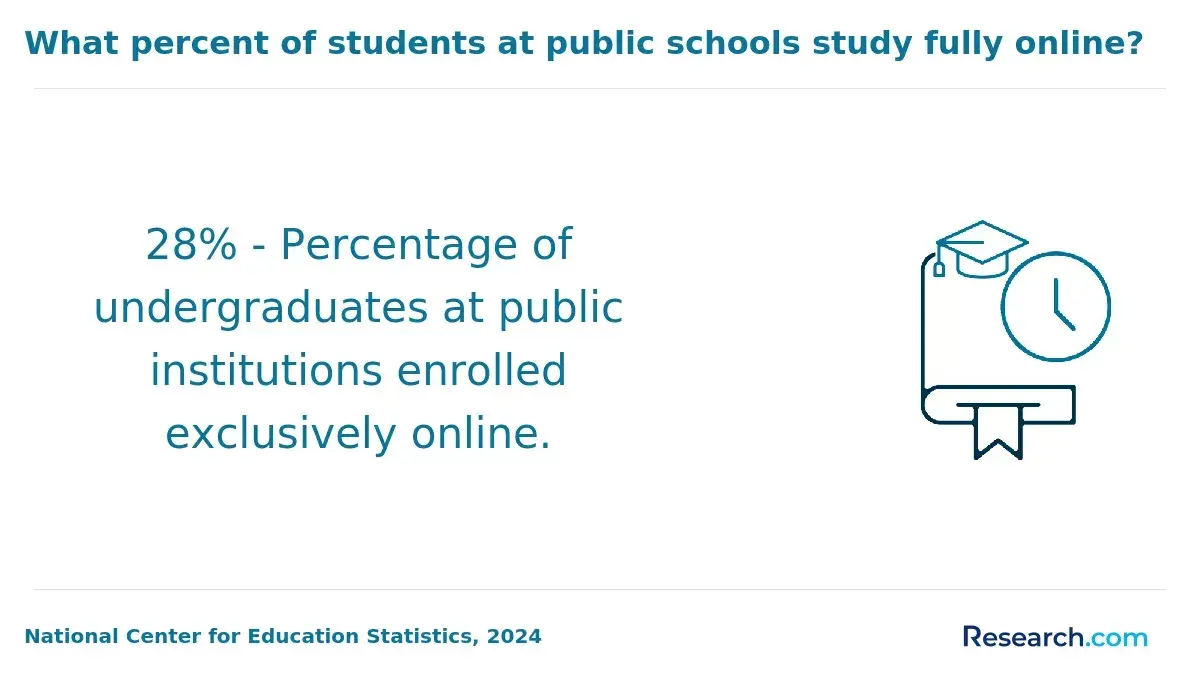
Choosing an online creative writing master's with weekend intensives is really a question of fit: craft, mentorship, schedule, cost, and career payoff. NCES data released in 2024 shows that a majority of U.S. graduate students now take at least some distance education, making low-residency writing programs a practical option for working adults.
This guide explains how these programs work, who they serve best, what they cost, and how to compare them so you can avoid expensive mismatches and choose a program that supports your writing and career goals.
Key Things You Should Know
- The strongest online creative writing master's programs with weekend intensives combine asynchronous coursework, live workshops, faculty mentorship, and short residencies that may last a weekend rather than a full week or more.
- BLS data published in its 2024 Occupational Outlook Handbook lists writers and authors at a May 2023 median pay of $73,690, with 5% projected employment growth from 2023 to 2033, so outcomes can be meaningful but are not guaranteed.
- NCES graduate tuition data released in 2024 shows average published graduate tuition and required fees were roughly $12,600 at public institutions and about $30,000 at private nonprofit institutions, before travel, books, technology, and living costs.
What is an online master's in creative writing with weekend intensives, and who is it best for?
An online master's in creative writing with weekend intensives is usually an MFA or MA that delivers most coursework online while requiring short, structured periods of in-person or synchronous immersion. These intensives may include craft lectures, manuscript conferences, readings, generative writing sessions, publishing panels, and peer workshops.
The "weekend intensive" feature matters because it offers more community and direct feedback than a fully asynchronous program, but it demands less travel time than traditional low-residency models that require weeklong or longer campus stays. It is best for writers who want sustained mentorship without leaving work, caregiving, military service, or local commitments.
The table below summarizes the main student profiles that tend to benefit from this format and those who may need another option.
| Student goal or situation | Fit with weekend-intensive online creative writing master's | Why it matters |
| Working writer seeking structured feedback | Strong fit | The format provides deadlines, peer critique, and faculty mentorship without requiring relocation. |
| Career changer building a writing portfolio | Good fit | A thesis or book-length manuscript can become a professional writing sample. |
| Student seeking a traditional campus literary community | Possible but limited | Weekend residencies create community, but not the daily immersion of a residential MFA. |
| Applicant primarily seeking a credential for K-12 teaching licensure | Weak fit | Creative writing graduate degrees generally do not replace state teacher licensure requirements. |
| Writer who cannot travel at all | Depends on program | Some programs require physical attendance for intensives, while others may offer virtual residencies. |
In practical terms, the best candidates are serious writers who can revise consistently, accept critique, read widely, and use the degree to build a manuscript, teaching portfolio, editing skill set, or content career path.
How do online creative writing master's programs with weekend intensives work day to day?
Day to day, these programs usually feel like a blend of graduate seminar, writing workshop, independent studio practice, and professional apprenticeship. You may not log in at the same time every day, but you should expect weekly reading, writing, critique, and revision deadlines.
A typical week may include several recurring tasks that help students move from isolated drafting to disciplined revision. These components are important because creative writing graduate study is built around sustained practice, not one-time inspiration.
- Reading assigned fiction, poetry, nonfiction, screenwriting, or hybrid texts and writing short craft analyses.
- Submitting original creative work to a workshop group or faculty mentor by a fixed deadline.
- Giving detailed written critiques on classmates' manuscripts, often using a shared workshop protocol.
- Joining live video sessions for discussion, craft talks, manuscript conferences, or visiting-writer events.
- Revising a portfolio or thesis project based on faculty and peer feedback.
- Preparing for weekend intensives by reading peers' work, drafting questions, and planning travel or synchronous attendance.
Weekend intensives compress high-value interaction into a short period. A student might attend Friday evening readings, Saturday workshops and craft sessions, and Sunday manuscript conferences or publishing panels. The best programs use these weekends to deepen relationships and sharpen revision plans, not merely to satisfy a residency requirement.
Technology is also changing the day-to-day experience. Many programs now use learning management systems, video conferencing, shared annotation tools, digital literary journals, and online portfolio platforms. Writers should also expect more discussion about AI-assisted drafting, copyright questions, editorial ethics, and how to preserve a distinctive voice in a crowded digital publishing environment.
What are the key benefits and drawbacks of weekend-intensive online creative writing programs?
The major advantage of a weekend-intensive online creative writing master's is that it gives writers structure and community without forcing them into a full-time residential model. The main drawback is that students must be self-directed between intensives and honest about whether the travel, tuition, and workload fit their lives.
The table below compares the most important benefits and trade-offs so you can evaluate whether the format matches your learning style and goals.
| Factor | Potential benefit | Potential drawback |
| Schedule | Students can often keep working while completing weekly coursework online. | Evening workshops, deadlines, and weekend sessions can still conflict with family or job obligations. |
| Community | Intensives create face-to-face or live interaction that fully online programs may lack. | Community may feel less continuous than in a residential MFA program. |
| Feedback | Students receive repeated critique from faculty and peers over multiple drafts. | Workshop quality depends heavily on cohort culture and faculty availability. |
| Cost | Students may avoid relocation and reduce commuting costs. | Residency travel, lodging, meals, and lost work time can add meaningful expense. |
| Career utility | A thesis, teaching practicum, internship, or publishing project can support career movement. | The degree alone rarely substitutes for publications, clips, teaching experience, or industry contacts. |
This format is most worthwhile when the program's mentorship model, genre offerings, faculty expertise, and thesis expectations align with your actual writing project. It is less compelling if you simply want a graduate credential and do not plan to write, revise, submit, teach, edit, or publish actively.
How can you tell if an online creative writing master's with intensives is properly accredited?
Accreditation is the first quality check for any online master's degree. For U.S. graduate programs, the key question is whether the institution is accredited by an accreditor recognized by the U.S. Department of Education or the Council for Higher Education Accreditation.
Creative writing does not usually have a required programmatic accreditor in the way nursing, counseling, or education licensure programs often do. That makes institutional accreditation especially important because it affects federal financial aid eligibility, transfer recognition, employer confidence, and future doctoral study.
Use the following steps before you apply or pay an enrollment deposit. They help you verify accreditation independently rather than relying only on marketing language.
- Look up the school in the U.S. Department of Education's Database of Accredited Postsecondary Institutions and Programs.
- Confirm that the accreditor listed for the school is currently recognized and that the institution's status is active.
- Check whether the online or low-residency delivery format is included under the institution's approved offerings.
- Ask admissions whether weekend intensives are mandatory, optional, virtual, or tied to specific campus authorization rules.
- Confirm that the credential awarded is a master's degree, such as an MFA, MA, or MS, rather than a nondegree certificate marketed with similar language.
- Review transfer, teach-out, and refund policies in case the program changes format or loses approval.
Red flags include vague claims such as "internationally accredited" without a recognized U.S. accreditor, pressure to enroll quickly, unclear residency requirements, no faculty list, no sample curriculum, or no published tuition and fee information. If a school will not clearly answer accreditation questions, keep looking.
What admission requirements and application materials do these online creative writing programs expect?
Admission requirements vary by school, but most online creative writing master's programs care more about writing potential than a specific undergraduate major. A bachelor's degree from an accredited institution is normally required, and many programs welcome applicants from English, communications, education, journalism, theater, humanities, social science, or unrelated professional backgrounds.
If you have not completed a bachelor's yet and want a faster route into graduate study, an accelerated bachelor's degree may be worth comparing before you focus on master's applications. It can help some adult learners shorten the undergraduate stage, although admission to a graduate writing program will still depend heavily on the quality of the writing sample.
Most applications ask for a combination of academic records, creative work, and evidence that you understand the demands of graduate workshop culture. The materials below are common because they help faculty evaluate both craft and readiness.
- Official transcripts showing completion of a bachelor's degree and prior academic performance.
- A creative writing sample in the intended genre, such as fiction, poetry, creative nonfiction, screenwriting, playwriting, or young adult writing.
- A statement of purpose explaining your writing background, goals, preferred genre, and reasons for choosing that program.
- Letters of recommendation from instructors, editors, supervisors, mentors, or writers who can speak to your discipline and potential.
- A resume or curriculum vitae listing publications, teaching, editing, communications work, internships, professional experience, or community writing involvement.
- Optional or required interview, especially for mentorship-based programs or small cohorts.
Common mistakes include submitting a sample that is not in the genre you want to study, using the statement of purpose to praise writing in general rather than explaining your project, and ignoring faculty fit. A polished 20-page sample that fits the program is usually stronger than a longer but unfocused submission.
What courses, workshops, and thesis options are typical in these creative writing master's curricula?
Creative writing master's curricula usually combine workshop courses, literature or craft seminars, electives, professional development, and a final thesis. The most rigorous programs teach students to read as writers, revise deeply, and understand the publishing or teaching contexts their work may enter.
The table below outlines common curriculum components and how each one contributes to a writer's development.
| Curriculum component | Typical focus | Student outcome |
| Genre workshop | Peer and faculty critique of original manuscripts | Improved drafting, revision, and feedback skills |
| Craft seminar | Narrative structure, voice, form, prosody, scene, character, image, or point of view | Stronger technical control and vocabulary for revision |
| Literature course | Close reading across historical, contemporary, multicultural, or genre-specific texts | Broader artistic context and stronger analytical habits |
| Professional practice | Publishing, editing, teaching, literary citizenship, grants, or freelancing | Practical preparation for writing-related work |
| Residency or weekend intensive | Live workshops, readings, lectures, conferences, and community events | Deeper mentorship and stronger cohort connection |
| Thesis | Book-length or substantial creative manuscript with critical reflection | A polished portfolio for publication, teaching, doctoral study, or professional use |
Some programs now allow interdisciplinary electives in digital storytelling, podcasting, game writing, publishing technology, technical communication, or AI and writing ethics. Writers who are strongly interested in computational creativity, content automation, or machine-learning tools may also want to compare creative writing study with the best online AI degree programs, especially if their primary goal is technology-sector writing rather than literary craft.
Thesis expectations deserve close attention. An MFA thesis may be a poetry collection, novel excerpt, short story collection, essay collection, memoir, script, hybrid manuscript, or another approved creative project. Some MA programs may require a critical thesis, capstone portfolio, or applied writing project instead. Ask how often students meet with thesis advisors and whether the program supports your genre at the thesis stage.
How long do online creative writing master's with weekend residencies take, and what do they cost?
Most online master's in creative writing programs take about two to three years, depending on credit load, residency schedule, and whether the student enrolls full time or part time. MFA programs often require more credits than MA programs because they emphasize studio practice, workshops, and thesis development.
Cost is more complicated than tuition alone. NCES graduate tuition data released in 2024 shows that average published graduate tuition and required fees were roughly $12,600 at public institutions and about $30,000 at private nonprofit institutions, but those averages do not include every expense a weekend-intensive student may face.
When comparing programs, build a total cost estimate that includes the following items rather than relying only on the advertised per-credit rate.
- Tuition for all required credits, including thesis, residency, or continuation credits.
- Mandatory university, technology, online learning, graduation, and student service fees.
- Weekend intensive costs, including travel, lodging, meals, local transportation, and parking.
- Books, literary journals, software, printing, submission fees, and portfolio or website costs.
- Lost income or childcare costs for required weekends, live sessions, or campus visits.
- Loan interest, especially because federal Direct Unsubsidized Loans for graduate students carry an 8.08% fixed interest rate for the 2024-25 award year.
The table below shows common timeline options and the trade-offs students should expect.
| Enrollment pace | Typical completion pattern | Best for | Main trade-off |
| Full time | Often about two years | Students who can prioritize coursework and thesis writing | Higher weekly workload and less flexibility around employment |
| Part time | Often about three years or more | Working adults, caregivers, and students managing multiple commitments | Longer time to degree and potentially more semesters of fees |
| Accelerated or intensive track | Shorter sequence if offered | Students with strong writing discipline and predictable schedules | Less time for slow revision, reading depth, and manuscript development |
| Low-residency with weekend intensives | Online terms plus brief required gatherings | Students who want community without relocating | Travel logistics and weekend availability must be planned early |
To reduce costs, ask about graduate assistantships, teaching opportunities, employer tuition benefits, military education benefits, scholarships for writers, payment plans, and whether online students qualify for the same aid as campus students. Also ask whether the program charges out-of-state online tuition, because that single policy can change the total price substantially.
What creative careers and job roles can graduates pursue with this type of master's degree?
Graduates can pursue literary, educational, editorial, communications, nonprofit, and media roles, but the degree should be viewed as a platform rather than a single-track credential. Employers and publishers usually evaluate a combination of portfolio quality, genre expertise, work samples, teaching experience, clips, internships, and professional networks.
The table below connects common writing-related roles with the kinds of responsibilities graduates may pursue after or during the degree.
| Career path | Typical responsibilities | How the degree may help |
| Author or literary writer | Drafting, revising, submitting manuscripts, applying for residencies, and building readership | Provides critique, mentorship, thesis development, and literary community |
| Editor | Reviewing manuscripts, shaping content, managing style, and collaborating with writers | Strengthens close reading, feedback, and revision judgment |
| Content writer or strategist | Writing digital content, planning editorial calendars, adapting voice, and measuring audience response | Builds voice control, narrative technique, and audience awareness |
| Technical or professional writer | Translating complex information into clear documents, guides, proposals, or knowledge-base content | Supports clarity, structure, and revision habits, though technical subject knowledge may also be required |
| College writing instructor | Teaching composition, creative writing, literature, or developmental writing, often part time or adjunct | An MFA is commonly accepted as a terminal degree in creative writing, but hiring remains competitive |
| Publishing, arts, or nonprofit professional | Managing submissions, events, communications, grants, newsletters, and literary programming | Builds literary knowledge, professional contacts, and communication skills |
Students aiming at publishing management, marketing leadership, entrepreneurship, or broader corporate communications may want to compare this degree with the cheapest online business degree options. A business degree may be more practical if the primary goal is operations, management, analytics, or entrepreneurship rather than creative manuscript development.
Career preparation should start before graduation. Build a portfolio website, submit work consistently, volunteer or intern with journals and presses, attend readings, learn basic copyediting standards, and track the kinds of writing samples your target employers request. A strong program will encourage these habits instead of treating the thesis as the only outcome.
What salary ranges, freelance income potential, and job outlook can creative writing graduates expect?
Salary outcomes for creative writing graduates vary widely because graduates enter different markets: publishing, freelance writing, education, corporate content, technical writing, nonprofit communications, or independent authorship. The degree can improve craft and credibility, but it does not guarantee a book deal, full-time faculty job, or stable freelance income.
BLS data offers useful labor-market context. The 2024 Occupational Outlook Handbook lists writers and authors at a May 2023 median pay of $73,690 and projects 5% employment growth from 2023 to 2033; this suggests steady demand, but writers often compete on portfolio quality, specialization, and industry knowledge rather than degree title alone.
The table below summarizes several relevant roles and the income logic behind them, using BLS categories as context where available.
| Role category | Salary or income context | What affects earning potential |
| Writers and authors | BLS lists a May 2023 median pay of $73,690 | Genre, publication record, client base, platform, industry niche, and location |
| Editors | Income often depends on employer type, subject expertise, and full-time versus freelance status | Copyediting skill, acquisitions experience, digital publishing tools, and portfolio strength |
| Technical writers | Often stronger pay potential than purely literary roles because of specialized industry demand | Subject-matter knowledge, software documentation experience, and ability to explain complex systems |
| Postsecondary writing instructors | Pay varies sharply by full-time, adjunct, community college, or university appointment | Teaching experience, publications, terminal degree expectations, and local hiring conditions |
| Freelance writers | Income can be inconsistent and project-based | Niche expertise, recurring clients, contracts, marketing, negotiation, and workload capacity |
Freelance income is especially variable. Some writers use freelancing as supplemental income, while others build full-time businesses through retainers, ghostwriting, editing, grant writing, curriculum writing, or content strategy. Before borrowing heavily for a creative writing degree, compare expected monthly loan payments against conservative income scenarios, not best-case publishing success.
AI is also reshaping the writing labor market. Routine content production is more exposed to automation, while roles requiring original reporting, strong editorial judgment, subject expertise, brand voice, narrative strategy, and ethical oversight may remain more resilient. Students should choose programs that teach adaptability, not just workshop tradition.
How should prospective students compare and choose between competing online creative writing intensive programs?
The best online master's in creative writing with weekend intensives is not necessarily the cheapest, most famous, or fastest program. It is the accredited program that matches your genre, budget, schedule, mentorship needs, and career plan.
Use the following comparison process to move from a long list of schools to a short list of realistic options. These steps are designed to prevent the most common mistakes: choosing based on reputation alone, ignoring residency logistics, or underestimating total cost.
- Define your primary goal before comparing schools: manuscript completion, publication preparation, teaching, editing, content work, literary community, or personal artistic development.
- Confirm institutional accreditation and verify that online or low-residency delivery is officially supported.
- Match faculty expertise to your genre and project, then review whether those faculty regularly teach, advise theses, and participate in intensives.
- Compare the actual workshop model, including class size, frequency of feedback, critique expectations, and how faculty mentorship is assigned.
- Calculate total cost, including tuition, fees, residencies, travel, lodging, books, lost work time, and loan interest.
- Ask for sample syllabi, thesis guidelines, graduation requirements, residency schedules, and recent student publication or career examples.
- Evaluate flexibility, including part-time enrollment, leave policies, online attendance options, transfer credit, and whether intensives are offered on predictable weekends.
- Speak with current students or alumni if possible, and ask specifically about feedback quality, faculty responsiveness, cohort culture, and workload realism.
If your goal is broad career flexibility rather than advanced writing craft, compare creative writing with alternatives such as communication, English, professional writing, instructional design, or cheap online interdisciplinary studies degree options. An interdisciplinary route may make more sense if you want to combine writing with business, technology, education, media, or public service.
Before enrolling, ask admissions and program faculty direct questions: How many weekend intensives are required? Are they in person, virtual, or hybrid? What happens if you miss one? Who advises the thesis? How often will you receive faculty feedback? What genres are supported every year? What are the full costs? A strong program should answer clearly and in writing.
Other Things You Should Know About Creative Writing
Usually, diplomas list the institution and degree rather than the delivery format, but policies vary by school. Ask the registrar or admissions office if this matters to you.
Sometimes. Some programs allow genre flexibility, while others admit students into a specific track. If you write across genres, ask whether cross-genre workshops and thesis projects are allowed.
No, you do not need to be published before applying to a master's program in creative writing. Applicants are typically evaluated based on their writing potential, previous academic achievements, and their submitted portfolio of work, rather than publication history.
References
- 7 Reasons Why Creative Writing Courses Online Are Worth the Investment https://www.interlochen.org/stories/7-reasons-creative-writing-online-worth-investment
- Online Master’s in Creative Writing Degree Programs: MA vs MFA Programs https://www.mastersincommunications.com/related-degrees/masters-in-creative-writing
- The Top 8 Benefits of Attending a Writing Bootcamp - PocketMFA https://pocketmfa.com/blog-the-benefits-of-attending-a-writing-bootcamp/
- How NOT to Choose Your MFA Writing Program (And 7 Tips on How to Do It Right!) - Eva Langston https://evalangston.com/2017/07/12/mfa-writing-program/
- How Long Does it Take to Get an MFA in Creative Writing? - Aspiring Author https://aspiringauthor.com/how-long-mfa-in-creative-writing/
- How to choose the best online creative writing course step-by-step https://nationalcentreforwriting.org.uk/writing-hub/best-online-creative-writing-courses/
- Explore Creative Career Opportunities with an M.A. in English https://snu.edu.in/blogs/m.a-in-english-graduates-lead-the-way-in-creative-roles-discover-job-opportunities-in-film-tv-and-advertising/
- Online Creative Writing Classes Pros and Cons https://marymackey.com/online-creative-writing-classes-pros-and-cons/